A pleasant shower is often seen as a brief everyday wellness ritual: a fresh fragrance, soft lather and the feeling of clean skin. Yet consumer advocates now see an underestimated risk in this feel-good product. The Yuka app is sounding the alarm because hundreds of shower gels contain two particularly problematic preservatives that can trigger severe allergies and may also harm the environment.
Why shower gel is suddenly under scrutiny
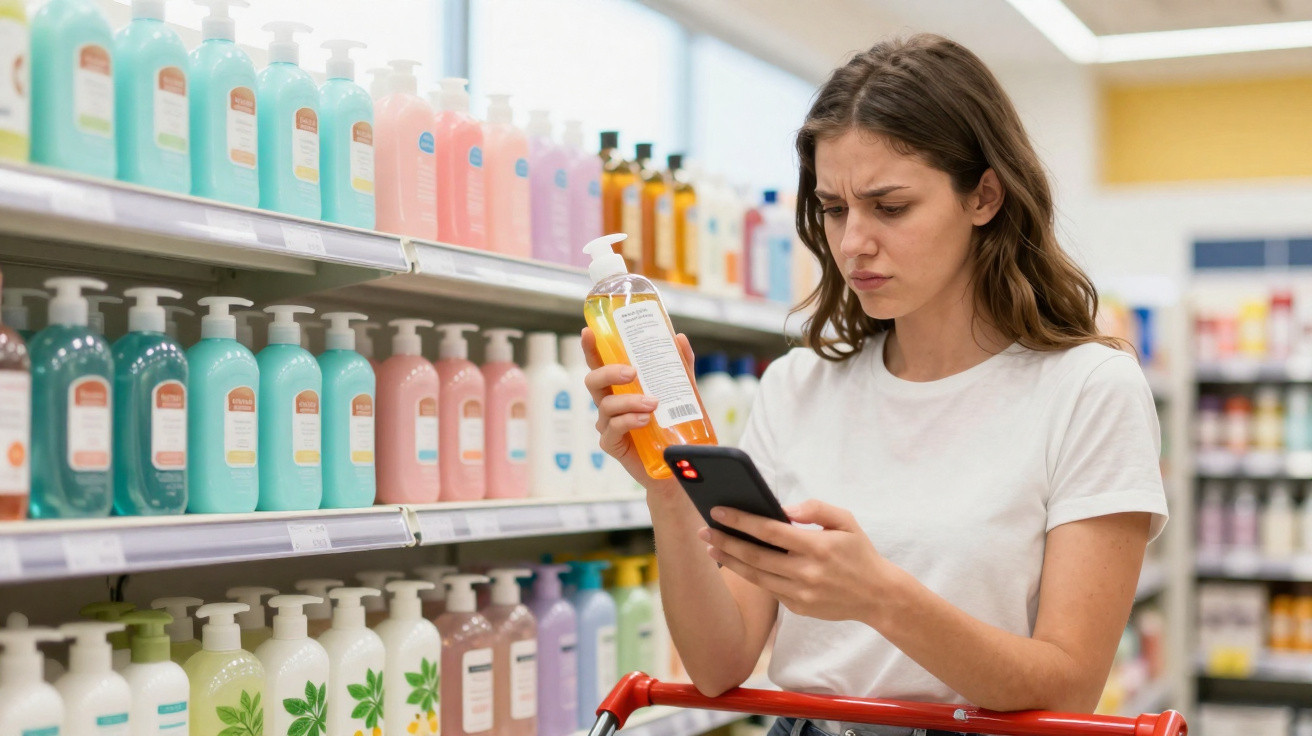
A look along the supermarket aisle is enough: shelves packed with colourful bottles, powerful fragrances for sports enthusiasts, “sensitive” options for delicate skin and fruity varieties for children. Brands such as Nivea, Dove, Axe, Palmolive, Sanex and Le Petit Marseillais have long been fixtures in German and European bathrooms.
For many households, the traditional bar of soap has almost had its day. Shower gel appears more modern, more convenient and gentler on the skin. Its formulas often combine mild surfactants, plenty of fragrance and caring oils, while also promising a deep-clean feeling.
This is precisely where the criticism begins. While the design, scent and marketing may be appealing, the ingredients themselves are attracting increasing attention. The consumer-protection app Yuka examined hundreds of products and reached an alarming conclusion.
After analysing product data, more than 300 shower gels were found to contain two particularly problematic preservatives that are considered potent contact allergens.
These two preservatives are causing concern
The issue concerns two substances whose names many people can barely pronounce, yet which appear in numerous pharmacy and supermarket products:
- Methylisothiazolinone (often shortened to MIT)
- Methylchloroisothiazolinone (often used in a mixture with MIT)
Both substances are used as preservatives. Their purpose is to control bacteria, fungi and other germs so that the product does not spoil. From a manufacturer’s perspective, they are practical: effective, comparatively inexpensive and well suited to liquid formulations such as shower gel, shampoo and liquid soap.
However, this very advantage can become a problem for the skin. Dermatologists have classed these substances as strongly sensitising for years, meaning they can cause contact allergies. In the EU, they have already been banned in so-called “leave-on” products, including body lotions and facial skincare, since 2016. The reason is the high number of documented cases of contact dermatitis.
The EU has banned the substances in products that are not rinsed off because they are considered “very strong” allergens. They are still permitted in shower gels – and that is exactly what Yuka criticises.
What happens to the skin when an allergy develops
The toxicological assessment is clear: people who react to MIT or its “twin” generally develop a lasting contact allergy. The immune system remembers the substance, so even very small amounts can repeatedly trigger symptoms.
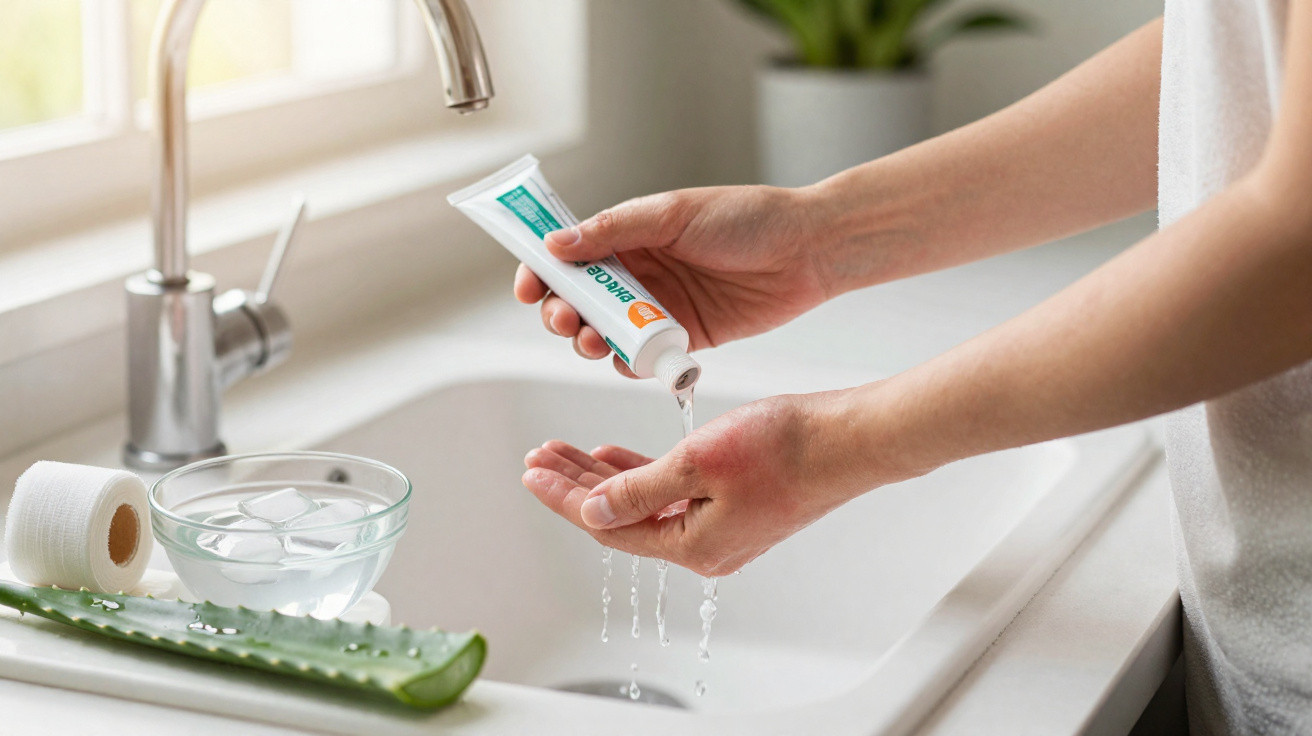
Typical signs after showering include:
- redness, particularly on the arms, legs, chest or back
- intense itching that worsens after showering
- small blisters or hives
- flaky, dry and sometimes cracked skin
Although creams or cortisone treatments can usually ease the symptoms, the allergy itself does not disappear. Once a person has become sensitised, they must consistently avoid all products containing these preservatives in future.
Once the contact allergy has developed, it generally lasts for life. Every further contact with the substance can trigger a flare-up.
Double burden: risks for skin and the environment
The criticism does not stop at the bathroom tiles. Anything washed down the drain during a shower ultimately enters the water cycle. This is where experts identify a second issue: MIT and its “twin” are highly toxic to aquatic organisms.
Studies have shown that even low concentrations can be harmful to fish, microscopic organisms and algae. The substances can pass through sewage treatment works into rivers and seas, where they spread further. Aquatic ecosystems are particularly sensitive to such biocides, especially when they are continuously present in small quantities.
| Aspect | Consequence of MIT & Co. |
|---|---|
| For the skin | high allergy risk, eczema, itching, dry and irritated skin |
| For the environment | toxic to aquatic organisms, pollution of rivers and seas |
| For consumers | constant label-checking required, long-term avoidance after an allergy |
How to spot problematic shower gels on the shelf
The good news is that anyone who examines their products more closely can identify and avoid MIT and related substances. They are listed on the back in the ingredients list (INCI). The key entries are:
- Methylisothiazolinone
- Methylchloroisothiazolinone
People with sensitive skin, a tendency towards atopic eczema or a history of allergies are safer choosing products without these substances. Apps such as Yuka can help by scanning a barcode and providing a brief assessment. They do not replace a medical diagnosis, but they make problematic ingredients visible at a glance.
Brands under scrutiny – and safer alternatives
Yuka points out that certain shower-gel variants from well-known brands use these preservatives. This includes ranges from:
- Dove
- Nivea
- Axe
- Le Petit Marseillais
- Palmolive
- Sanex
It is important to note that not every variety from a brand automatically contains problematic preservatives. Within the same brand, some products may have a cleaner formulation while others do not. Anyone wishing to be certain should check the label of every new variety or use an app for a quick assessment.
The market now offers numerous alternatives without isothiazolinones: certified natural cosmetics, solid shower bars (“shower soaps”) and many newer product lines from established brands. It is especially worth closely checking the INCI list for products advertised as “sensitive” or “for sensitive skin” – the marketing claim alone is not enough.
What skin-friendly shower gels use instead
Preservation remains essential in water-based products. Without it, bacteria and fungi would multiply rapidly. The question, therefore, is how products can be preserved safely without placing unnecessary strain on the skin.
Many manufacturers now use:
- organic acids, such as benzoic acid derivatives
- alcohols in low concentrations
- sodium salts of certain organic acids
- carefully designed packaging that allows fewer germs to enter
None of these systems is entirely without drawbacks, but allergy rates are generally much lower than with isothiazolinones. Dermatologists often advise using products with mild preservatives and reduced fragrance levels, especially in the sensitive facial or intimate area.
Practical tips: how to protect yourself day to day
Anyone who wants to make their shower routine safer does not need to throw out half the bathroom at once. A gradual switch is often enough. The following strategies can help:
- Check current products: examine INCI lists for Methylisothiazolinone and Methylchloroisothiazolinone.
- If skin problems occur, see a dermatologist and consider testing for possible contact allergies.
- Test new shower gels on a small area of skin first.
- Choose products with short, easy-to-understand ingredient lists.
- Try solid cleansing bars, ideally without problematic preservatives.
Anyone with children at home should choose particularly carefully. Children’s skin becomes irritated more quickly, and a contact allergy triggered early in life often stays with them for life.
Why the shower-gel debate is likely only the beginning
Yuka’s warning draws attention to a broader issue: many everyday products are legally permitted but still face criticism on medical and environmental grounds. Similar debates are taking place around fragrances, microplastics and certain UV filters in sunscreens.
For consumers, this means buying with knowledge, reading labels, looking for verified certifications and taking their own body seriously. Anyone who regularly notices itchy skin, redness or small rashes after showering should not assume it is simply “dry skin”, but should also consider a possible reaction to ingredients such as MIT.
At the same time, pressure on manufacturers is growing. The more people specifically choose less irritating formulations, the sooner it becomes worthwhile for major companies to switch to other preservation systems. Shower gel can then remain what it is meant to be: a brief moment of wellbeing – without a hidden cost to skin and the environment.











Comments
No comments yet. Be the first to comment!
Leave a Comment