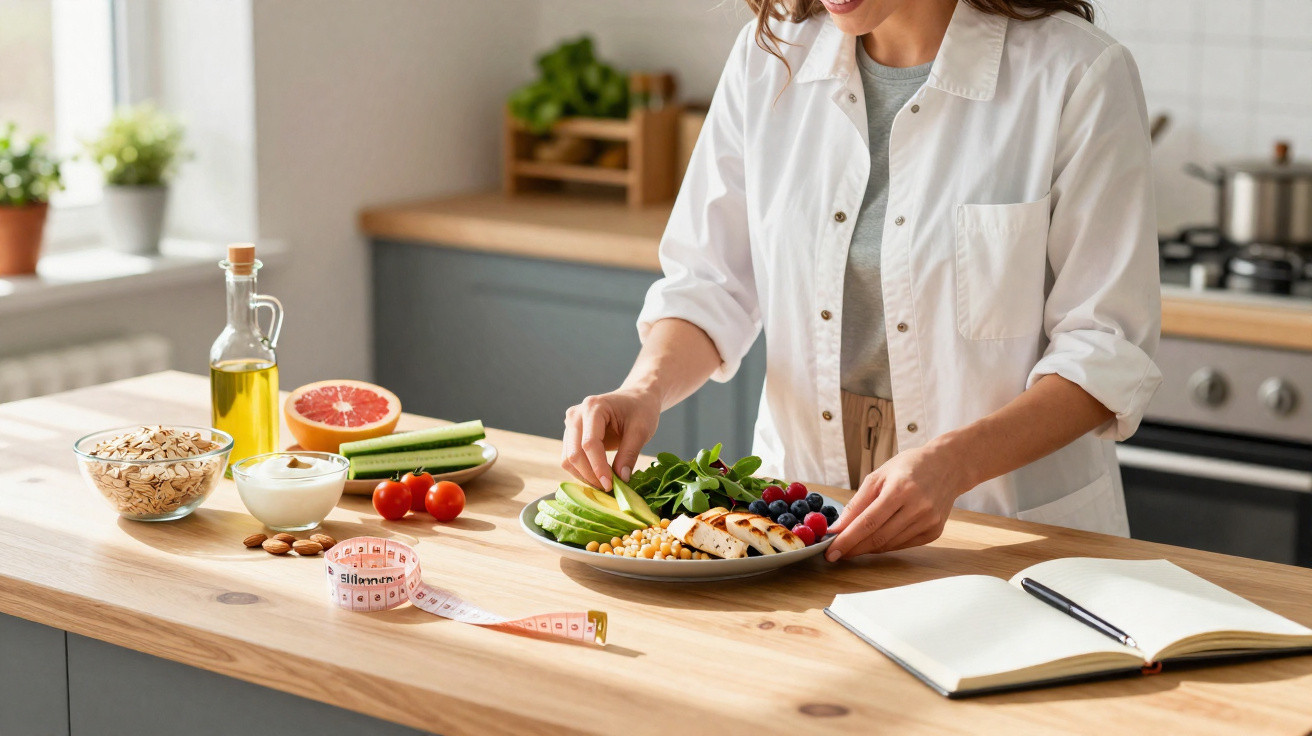
Rather than relying solely on restrictions, modern nutritional medicine focuses on meals that keep you full for longer and stimulate the metabolism. Certain foods offer precisely this balance of fibre, protein and healthy fats – and they are surprisingly easy to include in everyday life.
Why the right filling foods matter for weight loss
When people want to lose weight, their first instinct is often to cut out as much as possible: no dessert, no pasta dishes and no bread. This may work in the short term, but over time it often causes frustration, cravings and a return to old habits.
Nutrition professionals therefore favour a different strategy: deliberately filling the plate with foods that satisfy hunger without sending calorie intake soaring. Two categories are particularly important: fibre-rich foods and high-quality protein sources. Moderate amounts of beneficial fats complete the approach.
“Those who add foods intelligently rather than denying themselves radically are more likely to stick with it – and usually lose weight more sustainably.”
The 16 foods that are especially helpful for weight loss
1. Avocado: creamy fat that keeps you full
Avocados provide plenty of unsaturated fatty acids, fibre and a little protein. Their fat content means the meal is digested more slowly and blood sugar levels remain steadier. Half an avocado in a salad or on wholemeal bread is generally enough.
2. Chia seeds: tiny seeds, substantial benefits
Around 28 grams of chia seeds contain almost 10 grams of fibre. They expand considerably in liquid and take up space in the stomach. This can reduce cravings. They work particularly well in yoghurt, porridge or as a topping for fruit salads.
3. Salmon: protein and omega-3 in one serving
A portion of roughly 85 grams of salmon provides around 17 grams of protein with a moderate calorie content. It also contains omega-3 fatty acids, which may have an anti-inflammatory effect and support the metabolism. For many people, two portions per week are already sufficient.
4. Chicken breast: the classic lean protein
Around 100 grams of chicken breast contains approximately 120 calories while supplying plenty of protein and little fat. For people who eat meat, it is an ideal component of satisfying meals – whether pan-fried, oven-cooked or served cold in a salad.
5. Eggs: a versatile source of protein
Eggs provide high-quality protein, fat and numerous micronutrients. Studies indicate that an egg-based breakfast keeps people fuller for longer than white bread or sweet pastries. Two eggs with vegetables make a simple, affordable meal.
6. Greek yoghurt: more protein than standard yoghurt
Because of the way it is made, Greek yoghurt contains considerably more protein and less sugar than many conventional yoghurts. Combined with berries and chia seeds, it makes a breakfast that can sustain you throughout the morning.
7. Cottage cheese: light, protein-rich and quick to prepare
Cottage cheese offers a high protein content for relatively few calories. It works equally well with savoury ingredients such as tomatoes, cucumber and herbs, or sweet ones such as berries and a little cinnamon. It is ideal in the evening when you want something light but satisfying.
8. Edamame: plant protein with texture
These young soya beans provide protein, fibre and some fat. As a snack, in a salad or in a bowl, they can often replace meat without sacrificing the feeling of fullness.
9. Beans and other pulses
Beans, lentils and chickpeas are packed with fibre and plant protein. Even a single serving is very filling. Chilli sin carne, lentil soup and chickpea curry are typical dishes that satisfy for a long time while usually remaining moderate in calories.
10. Wholegrains instead of white flour
Porridge oats, wholemeal bread, brown rice and quinoa contain more fibre and minerals than refined flour products. They raise blood sugar more gradually, which may help to curb cravings.
11. Green leafy vegetables
Spinach, lamb’s lettuce, rocket and chard add plenty of volume with very few calories. Paired with some fat and protein, they fill both the plate and the stomach without overwhelming the calorie balance.
12. Berries: sweet but lower in sugar
Strawberries, blueberries, raspberries and similar fruits are rich in fibre and plant compounds while containing relatively few calories compared with many other fruits. They are ideal as an alternative to dessert.
13. Apples as an easy snack
Apples supply fibre and water, giving them plenty of volume. Paired with a handful of nuts, they create a snack that lasts well and is easy to manage at the office.
14. Nuts in small portions
Almonds, walnuts and hazelnuts are energy-dense, yet their fat and protein make them very satisfying. A small handful per day is entirely sufficient. Unsalted and unroasted varieties are best.
15. Chilli: heat with minimal calories
Hot chillies contain only around 30 calories per half-cup. Their compound, capsaicin, may slightly increase energy expenditure for a short time, and many people naturally eat more slowly when a dish is spicy.
16. Dark chocolate for a mindful finish
One or two pieces of dark chocolate with a high cocoa content can satisfy the desire for something sweet without replacing an entire dessert. Those who let it melt slowly on the tongue are often content with a small amount.
How to include filling foods sensibly throughout your day
“The key is not one magical food, but smart combinations spread across the entire day.”
Breakfast ideas
- Greek yoghurt with chia seeds and berries
- Two eggs with leafy vegetables and a slice of wholemeal bread
- Porridge oats with apple pieces, nuts and a little yoghurt
Lunch suggestions
A large salad containing avocado, beans, edamame, wholegrains and chicken or salmon brings all the key elements together: fibre, protein and healthy fats. The portion can look generous – its calorie content will still usually remain moderate if the dressing is not made entirely from mayonnaise.
Snacks without an afternoon slump
Straightforward afternoon combinations include:
- An apple plus a small handful of nuts
- Cottage cheese with berries
- Edamame with a little sea salt
Dinner ideas
A typical plate could look like this:
| Component | Example |
|---|---|
| Protein | Salmon fillet or chicken breast |
| Vegetables | Sautéed leafy vegetables, salad, broccoli |
| Carbohydrate source | Brown rice, quinoa or wholewheat pasta |
| Extra | Chilli for seasoning, a piece of dark chocolate to finish |
Portion sizes, pace and the role of water
Even healthy foods can lead to weight gain when eaten in excessively large quantities. Professional bodies therefore recommend reducing portion sizes gradually and realistically instead of following crash diets. Meals that consist of roughly half vegetables, supplemented with a palm-sized portion of protein and a small serving of wholegrain foods, are a sensible option.
Anyone eating plenty of fibre needs sufficient fluids. Water helps keep digestion moving and supports the feeling of fullness. Sugary drinks, by contrast, quickly add many calories without satisfying hunger, so they are rarely suitable for a weight-loss plan.
When to seek support from a doctor or nutrition professional
People with chronic conditions such as diabetes or heart problems should not plan major dietary changes on their own. A professional can assess how much weight loss is realistic, which blood values need monitoring and whether medication should be adjusted.
Those with severe obesity or a history of many diets also often benefit from professional support. The focus is then not just on food, but also on eating patterns, sleep, stress and physical activity.
Practical tips to make everyday life easier
Preparation removes much of the pressure from busy days. People who cook beans in advance at the weekend, wash vegetables and portion brown rice are less likely to reach for ready meals during the week. Keeping a jar of nuts at the office can prevent reaching for a packet of biscuits.
It also makes sense not to change everything at once. One specific goal each week is enough: for instance, adding a protein-rich breakfast every day or including a portion of leafy vegetables with every main meal. Small, consistent steps usually take you further than radical diets that do not last.

















Comments
No comments yet. Be the first to comment!
Leave a Comment