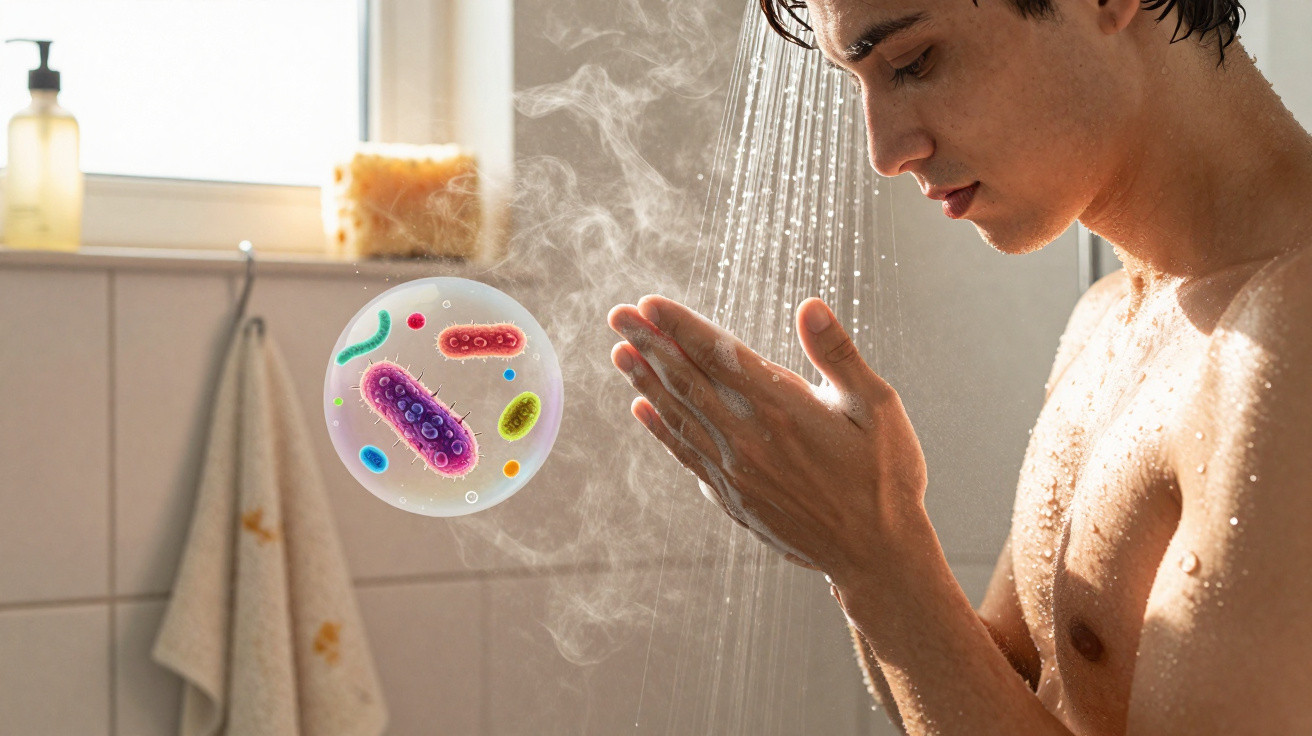
Much of what happens in the bathroom is automatic: turn on the water, apply shower gel, give yourself a quick wash – done. Yet one detail repeatedly prompts debate: does washing with bare hands clean the body sufficiently, or is a flannel necessary? French emergency doctor Dr Gérald Kierzek has addressed this very question. His assessment is surprising and also dispels several widespread hygiene myths.
Why your hand is often the best choice in the shower
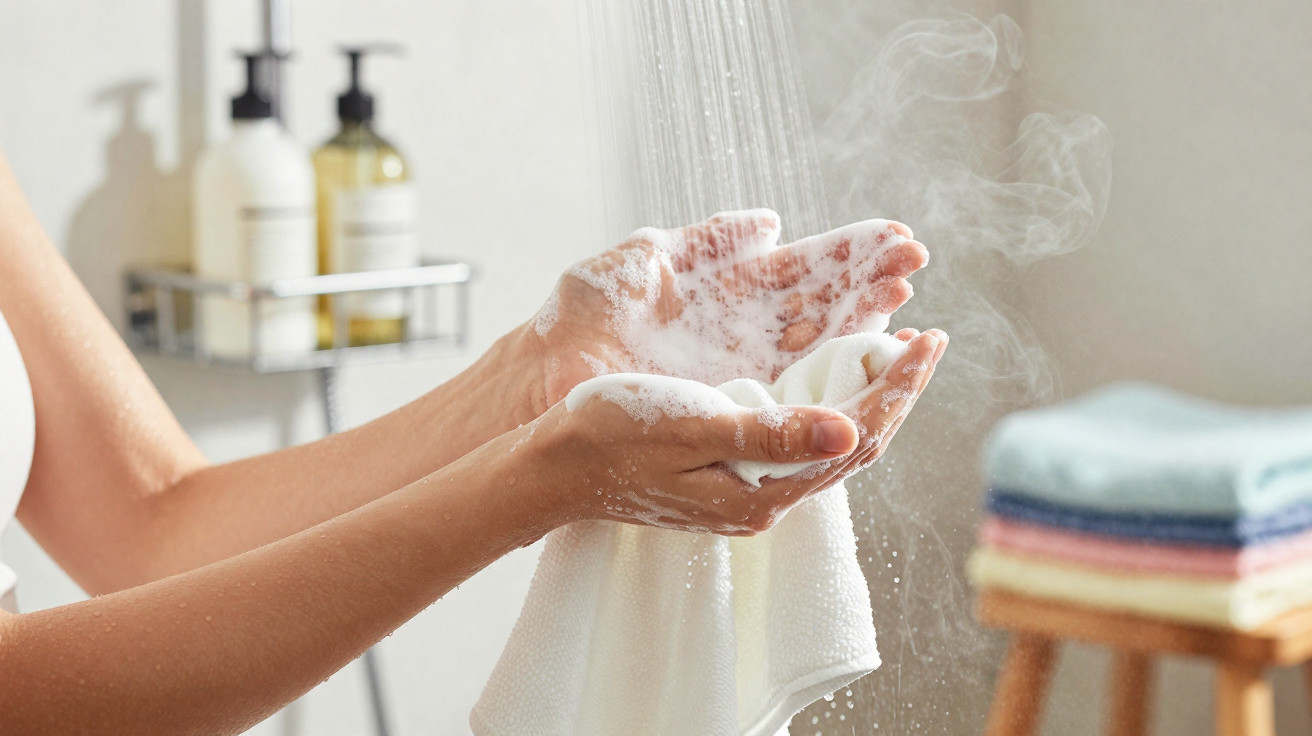
According to Dr Kierzek, a clean hand is entirely sufficient for daily body care in most cases. Briefly washing your hands with soap before showering provides a sound starting point. Shower gel or soap can then be applied directly to the skin using your fingers.
“A clean hand provides direct contact with both the skin and soap – that is enough to remove sweat, dirt and the usual everyday germs.”
Cleansing itself relies on three factors: water, surfactants and mechanical friction. An additional textile is not essential. What matters is properly rubbing the body, rather than merely applying soap briefly and rinsing it straight away.
The doctor suggests roughly one to two minutes of thorough rubbing as a guide. Particular attention should be paid to the usual problem areas:
- Armpits
- Groin area
- Feet and between the toes
- Buttock crease
- Skin folds in people with significant excess weight
Those who carefully soap these areas by hand and rinse everything well will generally achieve very good everyday hygiene. There is another benefit, too: fewer damp textiles are left in the shower, where germs can accumulate.
The flannel as a sponge for bacteria
For many people, the idea that a flannel is more hygienic seems almost self-evident. However, this is precisely where Dr Kierzek’s criticism begins. The issue is not the item itself, but what happens to it after showering.
Damp flannels that are not dried properly provide an ideal breeding ground for microorganisms. In the warm, humid bathroom environment, bacteria, yeasts such as Candida and even mould thrive particularly well in textiles. Reusing the flannel then spreads these organisms directly over the skin.
“A flannel that remains permanently damp and is only briefly rinsed can change from a cleaning aid into a carrier of germs.”
This is particularly unhelpful for people with sensitive skin, a tendency towards fungal infections in skin folds or minor injuries: rather than benefiting, they may risk irritation, redness or itching. Unpleasant smells can also indicate that replacement is overdue.
How often a flannel should really be changed
If a flannel is used, it should follow certain rules in line with the doctor’s recommendations. Ideally, it should only be used once or very few times before being washed thoroughly.
As a general guide:
- Replace it around every two to three days if it is used daily.
- Rinse it very thoroughly with clean water after every use.
- Wring it out firmly so that as little moisture as possible remains in the fabric.
- Hang it somewhere dry and well ventilated; do not leave it crumpled up on the edge of the bath or shower.
If the flannel develops stains, becomes oddly discoloured or smells musty, it should be put straight into the wash or disposed of. A quick rinse under the shower is not enough to reduce germs reliably.
When a flannel can still be useful
Despite these concerns, there is no need to banish the flannel entirely from the bathroom. The doctor does recognise situations in which a cloth or specialised mitt can be beneficial.
Targeted use rather than constant use
A flannel can be useful in the following circumstances:
- For very dry or flaky skin that needs gentle exfoliation
- For older people or those with limited mobility who struggle to reach certain parts of their body
- For occasional, careful exfoliation, for example on elbows or heels
- When feet need particularly thorough cleaning
Quick-drying materials such as microfibre are recommended, as they do not remain damp for as long. The same rule applies here: rinse thoroughly after use, allow it to dry and wash it regularly at a high temperature.
“A practical compromise is to use your hand for most of the body – and use a fresh, clean or even single-use flannel for specific areas.”
Which shower gel is genuinely suitable?
To avoid damaging the skin barrier, the doctor advises choosing mild products. A gentle shower gel or pH-neutral soap is sufficient. Harsh, heavily fragranced products may dry out and irritate the skin, especially with frequent use.
For many people, cleansing the whole body once a day is enough. Anyone who sweats heavily, exercises or works in ‘dirty’ occupations will naturally shower more often – in that case, washing products should be especially gentle. It is the mechanical rubbing with the hand that creates cleanliness, not the strength of the lather.
How long and how hot should a shower be?
The ‘perfect’ shower involves more than choosing between hands and a flannel. Duration and temperature also matter:
- Shower duration: Five to ten minutes is usually entirely sufficient.
- Water temperature: Lukewarm water is kinder to the skin; very hot water strips away oils unnecessarily.
- Rinsing stage: Rinse shower gel off thoroughly, particularly from skin folds.
Anyone prone to tightness or itching after showering should either shower for less time and at a lower temperature, or choose a milder product. A simple fragrance-free body lotion can help soothe the skin.
Common body-care mistakes – and how to avoid them
Many everyday bathroom habits become ingrained over the years, even though they are more likely to harm the skin. Here are a few examples:
| Habit | Possible consequence | Better approach |
|---|---|---|
| Scrubbing daily with a hard sponge or coarse exfoliant | Irritation, micro-tears, dry skin | Exfoliate only occasionally; use your hand instead of a brush |
| Using one flannel for the face, intimate area and feet | Transfer of germs from one area to another | Keep areas separate, or use your hand for most of the body |
| Taking hot showers several times a day with strong shower gel | Dried-out skin, impaired protective barrier | Keep showers shorter and lukewarm, and choose a mild product |
What showering with hands versus a flannel means for skin and health
From a medical perspective, healthy skin depends less on the ‘tool’ than on the routine. Those who consistently use clean hands, wash the right areas and rinse thoroughly can have a hygienic shower without much equipment.
A flannel can be an addition, but it should be viewed more as a specialist tool than a standard item. People with eczema, acne, fungal infections or highly sensitive skin particularly benefit from limited friction and materials that are as low in germs as possible. Sometimes, simply giving up an old flannel that is constantly damp is enough for the skin to calm down noticeably.
It is useful to assess your own routine critically: how old are your flannels? Are they dried properly? Is every area actually rinsed? Honest answers to these questions and small changes to habits can significantly improve body care – without the need to buy new products.





Comments
No comments yet. Be the first to comment!
Leave a Comment