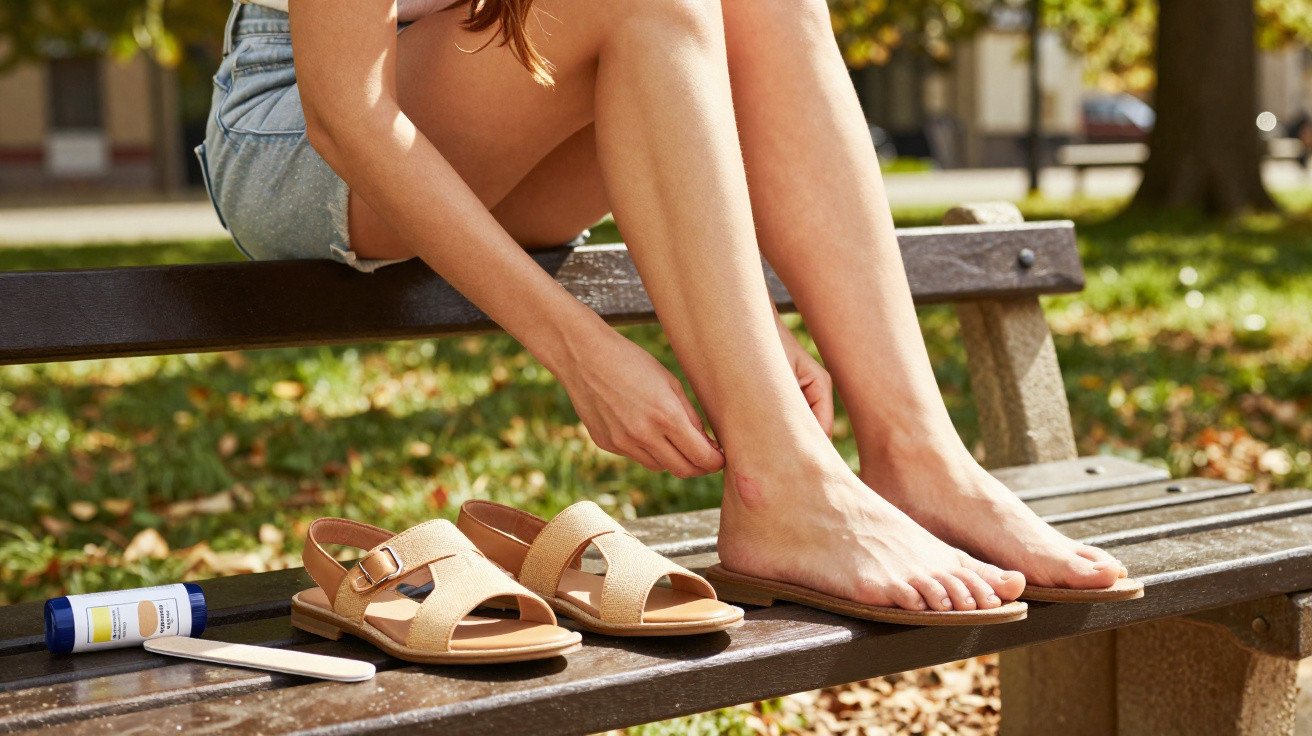
The heavy winter boots are going back into the cupboard, while ballet flats, trainers and the first sandals are coming out into the fresh air. This is precisely when complaints increase in podiatry clinics: burning soles, itchy skin between the toes and cracked skin. A podiatrist explains which material you should consistently avoid in spring – and which alternatives genuinely benefit your feet.
Why synthetic shoes become a problem in spring
At first glance, they seem practical: lightweight ballet flats made from artificial materials, inexpensive trainers in “faux leather”, and fashionable sandals with a glossy finish. The price is tempting and they look the part – but your feet pay the price later.
“Synthetic shoe materials are a real sweat trap: moisture stays inside the shoe, the skin softens and becomes susceptible to fungi, bacteria and blisters.”
The key issue is that synthetic materials barely allow the skin to breathe. Our feet have thousands of sweat glands and release moisture throughout the day. With an artificial upper or lining, that moisture cannot escape. It builds up, socks become damp and the skin swells.
This constantly damp environment provides an ideal breeding ground for pathogens:
- Athlete’s foot first spreads between the toes, then across the sole of the foot.
- Bacteria break down sweat and skin flakes, creating strong odours.
- The skin softens, becomes cracked and is more prone to minor injuries.
There is another effect, too: synthetic fabrics retain heat. As spring temperatures rise, the inside of the shoe warms up. Feet swell slightly, have less room and rub more intensely against hard edges or seams.
Blisters, pressure marks and odour: typical effects of artificial materials
At this time of year, many patients report suddenly developing blisters, particularly on the heel, toes and outer edge of the foot. From a podiatry perspective, this is hardly surprising.
“Unlike genuine leather, artificial material barely adapts to the shape of the foot – it stays rigid, rubs in the same places and intensifies every friction point.”
What exactly happens inside the shoe?
Several factors reinforce one another:
- Damp skin is more sensitive: even slight friction can be enough to cause blisters.
- Rigid material: plastics have little give, so pressure is concentrated on small areas.
- Rising temperature: swollen feet press against the material, increasing pressure.
- Bacterial growth: blisters can become infected and wounds heal less well.
The familiar “shoe smell” after a day wearing synthetic ballet flats or trainers does not come from sweat itself, but from bacteria breaking sweat down. They multiply rapidly in a warm, damp and poorly ventilated shoe interior. The material absorbs the smell – and many plastics are very difficult to make odour-free again.
These materials are far more foot-friendly in spring
Anyone wanting to keep their feet healthy in the long term should check material labels carefully when choosing spring shoes. Podiatry has relied on natural, breathable materials for years.
Genuine leather: a classic with valuable qualities
High-quality genuine leather remains the first choice for many types of shoe.
- Breathable: air can circulate through its natural pores.
- Moisture management: leather absorbs sweat and releases it again.
- Adaptable: the material stretches slightly and moulds to the foot.
Soft smooth leather or fine suede is particularly suitable for spring. They help keep the foot climate dry and reduce friction because they soften over time rather than creating hard pressure edges.
Suede and nubuck: gentle on skin and well ventilated
Suede stands out for its soft, lightly brushed surface. Air circulates effectively, while sweat is partly absorbed without remaining in the material permanently. This makes it ideal for shoes worn between seasons, including low shoes, loafers and lightweight ankle boots.
Nubuck leather sits structurally between smooth leather and suede. It appears smarter than pure suede while also offering good breathability. Many brands use nubuck for trainers or city shoes – a much healthier option than entirely synthetic “faux leather” styles.
Natural-fibre textiles: cotton, linen and more
For lightweight trainers, espadrilles or summer shoes, uppers made from cotton or linen work very well. Both fibres allow air to pass through, remain pleasant even in warmer temperatures and dry comparatively quickly.
These materials are especially practical for everyday wear: they are light, flexible and usually easy to combine with insoles that further improve the foot climate.
Raffia and natural fibres for sandals
With open shoes, many people underestimate the importance of materials because “air gets to the feet anyway”. Yet straps and the footbed are particularly important. Natural fibres such as raffia also make sandals more comfortable to wear.
“Natural fibres remain lightweight, allow air through and absorb only limited moisture – ideal for sandals that stay on the feet for several hours.”
Read the label: how to spot hidden plastic
Many shoes look like leather at first glance but are largely made from plastic. In a shop, the only reliable way to establish this is by examining the labels closely.
| Label term | What does it mean? |
|---|---|
| Leather upper | The main surface is made from genuine leather |
| Imitation leather or faux leather | Synthetic material, meaning plastic |
| Coated leather | Leather with a plastic layer, with limited breathability |
| Textile | Fabric – look for natural fibres such as cotton or linen |
It is not only the upper that matters. The lining and insole also play a major role in the foot climate. Even a leather shoe with an entirely synthetic interior can become a sweat trap.
Podiatry tips for healthy feet in spring
If you are already prone to sweaty feet, fungal infections or blisters, it is worth following a few simple rules during spring:
- Plan for at least one pair of high-quality leather shoes for daily use.
- Choose open shoes with natural fibres or a leather footbed.
- Wear socks made of cotton or merino wool, rather than entirely synthetic fibres.
- Alternate shoes daily so they can dry out properly.
- Act early at the first signs of itching or redness between the toes.
Anyone who spends a lot of time standing or walking notices the difference very quickly: natural materials are less likely to cause pressure marks, feet feel less “puffy” in the evening, and odours remain much milder.
When synthetic shoes can still have a place
Despite these warnings, artificial materials do not have to go straight in the bin. Synthetic styles can work for short journeys, occasional parties or as a spare pair at the office – provided you do not spend an entire day wearing them.
Sports trainers made with specialist high-tech materials are a special case. Many brands use plastics here too, but combine them with carefully designed ventilation systems, moisture-wicking insoles and mesh structures. Even then, it is worth keeping a critical eye on your feet: do they remain healthy over time, or are skin problems becoming more frequent?
Choosing shoes consciously not only saves medical appointments, but also a great deal of everyday frustration. Lightweight, comfortable spring shoes made from natural materials do not just feel better – they actively support the health of the feet that carry our entire body day after day.



Comments
No comments yet. Be the first to comment!
Leave a Comment