Meanwhile, social feeds are packed with celebrities cutting it all off, growing it all out, or mastering that enigmatic “I woke up like this” look that somehow costs $300 at the salon. Their hair is already writing the story of 2026. Yours can too, if you want it to.
Last week, at a tiny yet perpetually fully booked salon in east London, a stylist raised her comb, studied my face and said: “Next year’s hair has already started. People just don’t know it yet.” She had a list: four cuts, four silhouettes, four ways to declare “this is me now” without writing a caption. Her clients are the early adopters; Instagram will follow soon enough.
So, here are the four standout haircuts of 2026 which, according to this hair oracle, are ready to wear now. The future is remarkably easy to live with.
The soft power bob: defined lines, understated attitude
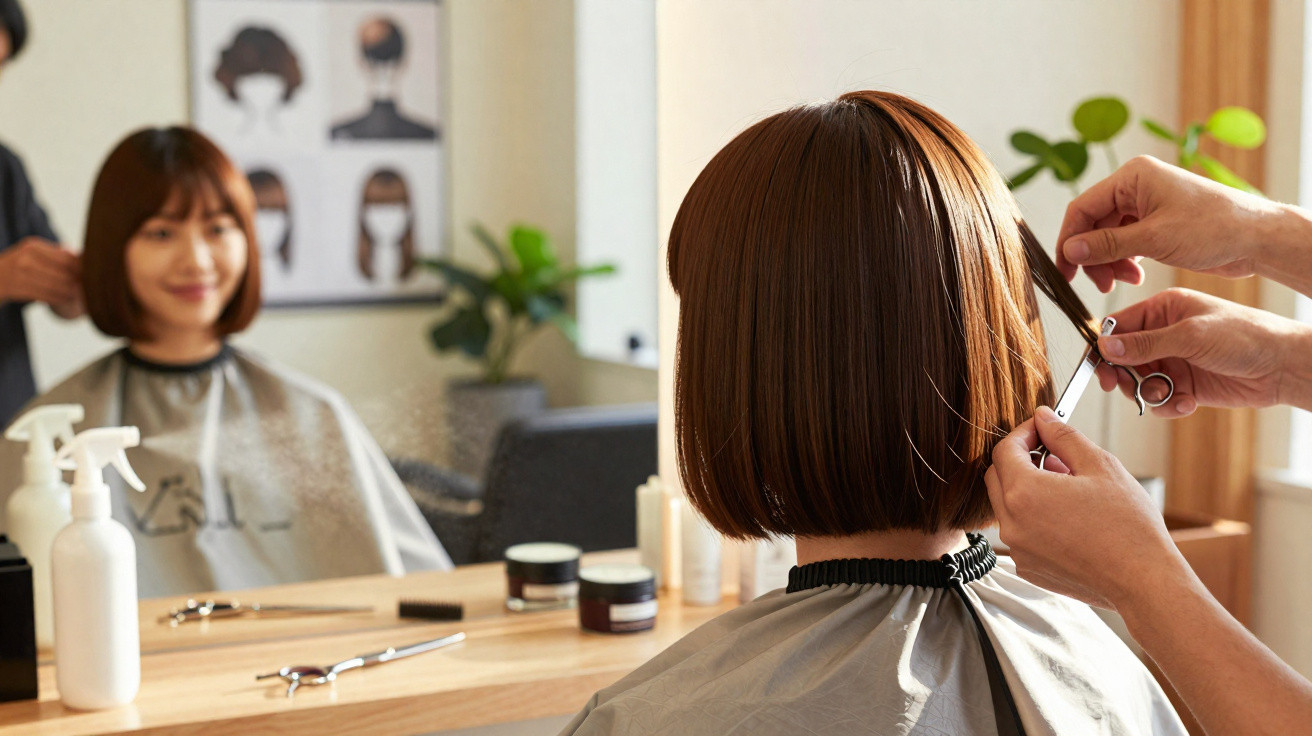
Her first point is not about length but attitude. The “soft power bob” is an in-between style that falls roughly at the jaw: neither a French bob nor the old-school executive helmet. Its outline is crisp and almost graphic, while the ends remain softened and gently disrupted, as if a little air has been worked into the shape. It shifts when you laugh, yet stays composed when you need to look as though you know precisely what you are doing.
She gestures towards a client in the next chair: a solicitor in an oversized blazer, scrolling through work emails. Last year, she had mermaid hair reaching her hips. Now, her earrings are visible, her neck is exposed and her entire face suddenly appears more alert. “She closed three big deals this month and booked two dates in one week,” the stylist says with a grin. Was it the haircut? Who can say? Yet the before-and-after pictures on her phone suggest a clear change: same face, same make-up, entirely different energy.
The principle of the soft power bob is straightforward. Shorter lengths frame the face and draw attention upwards. Rather than battling your natural texture, it works with it, meaning you are not negotiating with the mirror every morning. A jaw-level line adds definition and an immediate sense of clarity. That is why the cut is appearing on actresses during press tours and founders speaking on panel stages. It communicates “I’m not trying too hard” while also saying, I really thought this through.
The airy shag: effortless rebellion for 2026
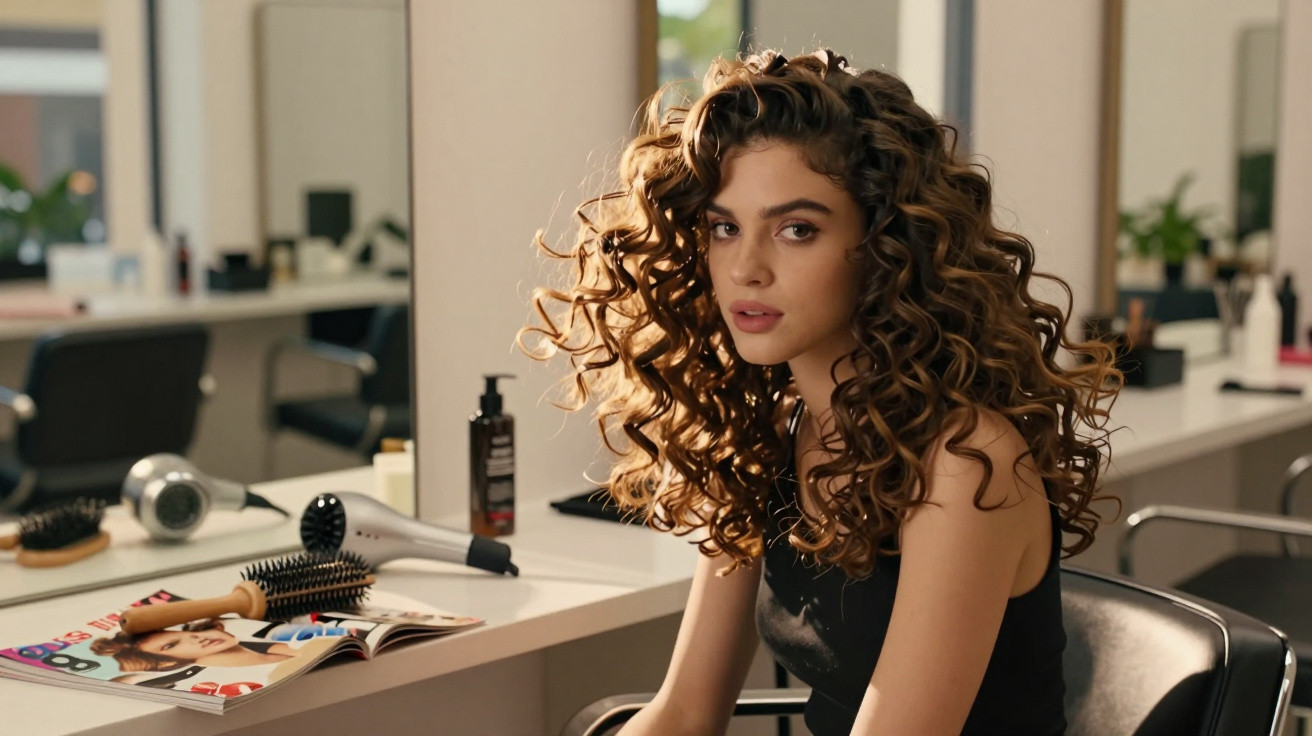
While some people are opting for shorter, crisper shapes, others are embracing layers wholeheartedly. The “airy shag” is the stylist’s second major prediction for 2026. Picture a contemporary shag, but lighter: less rock band and more “I read books on rooftops and my phone is always on silent”. The overall length remains medium to long, but layers around the crown and front allow the hair to fall in soft, curtain-like sections around the face. A fringe is optional; movement is not.
One of her regular clients, a 19-year-old art student, arrives right on cue. Her long, wavy hair looks as though it has been shaped by the wind: beautifully untidy, in the best possible sense. She says she washes it whenever she remembers and sleeps in loose plaits when she has an important day ahead. Her TikTok GRWM videos are essentially tutorials in looking effortlessly cool without seeming to try at all. It is not immaculate hair. It is lively hair. That is exactly the appeal.
The airy shag succeeds because it suits the way people genuinely live now. Hybrid work, late trains and gym bags stowed beneath desks leave little room for an hour-long blow-dry every morning. The cut distributes volume so hair does not lie flat, even when you sweep it into a clip. Carefully positioned layers reduce heaviness in thick hair, add animation to fine hair and prevent waves or curls from forming an awkward triangle. Hair moves, and this shape is made to move along with it.
The grown-out fringe: face filters in real life
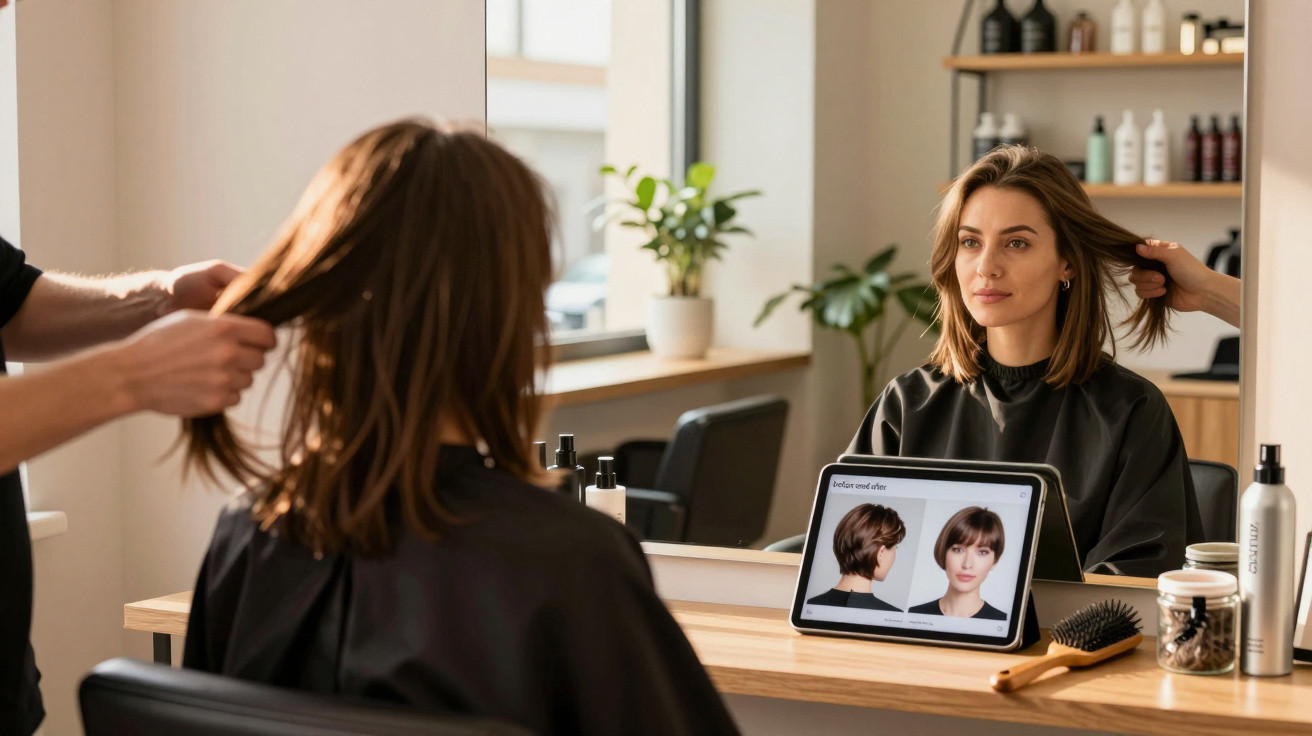
The third 2026 star is less of a complete haircut than a defining detail: the grown-out fringe. It is neither a blunt fringe nor a baby fringe. Instead, it is a soft, cheek-skimming shape that sits somewhere between a fringe and layers, parted through the middle or brushed gently to one side. Cut properly, it functions as an in-built filter, softening harsher contours and drawing attention to the eyes and cheekbones. It can look even better two months after the appointment than it did on day one.
On the salon mirror, the stylist keeps Polaroids of clients who came in “just for a fringe”. One appears ready to front an indie band; another looks as though she has finally found the missing element of her face. The stylist recalls a client who had gone through a break-up and repeatedly said her face looked “tired and flat” on Zoom. They added a long, grown-out fringe. One week later, she emailed a first-date selfie with the message: “I looked like the main character again.” A haircut can be an emotional reset button.
There is a subtle reason for this particular obsession. A grown-out fringe frames the face without demanding the commitment of a dense, heavy fringe you could regret after three weeks. It works well with ponytails, messy buns and every “I’m late but I tried” updo in between. On camera, it interrupts the expanse of a broad forehead or a strong jaw without concealing your features. This is why so many influencers are adopting these face-framing sections: they create different angles, literally, with almost no additional styling.
The long liquid layers: length that genuinely looks expensive
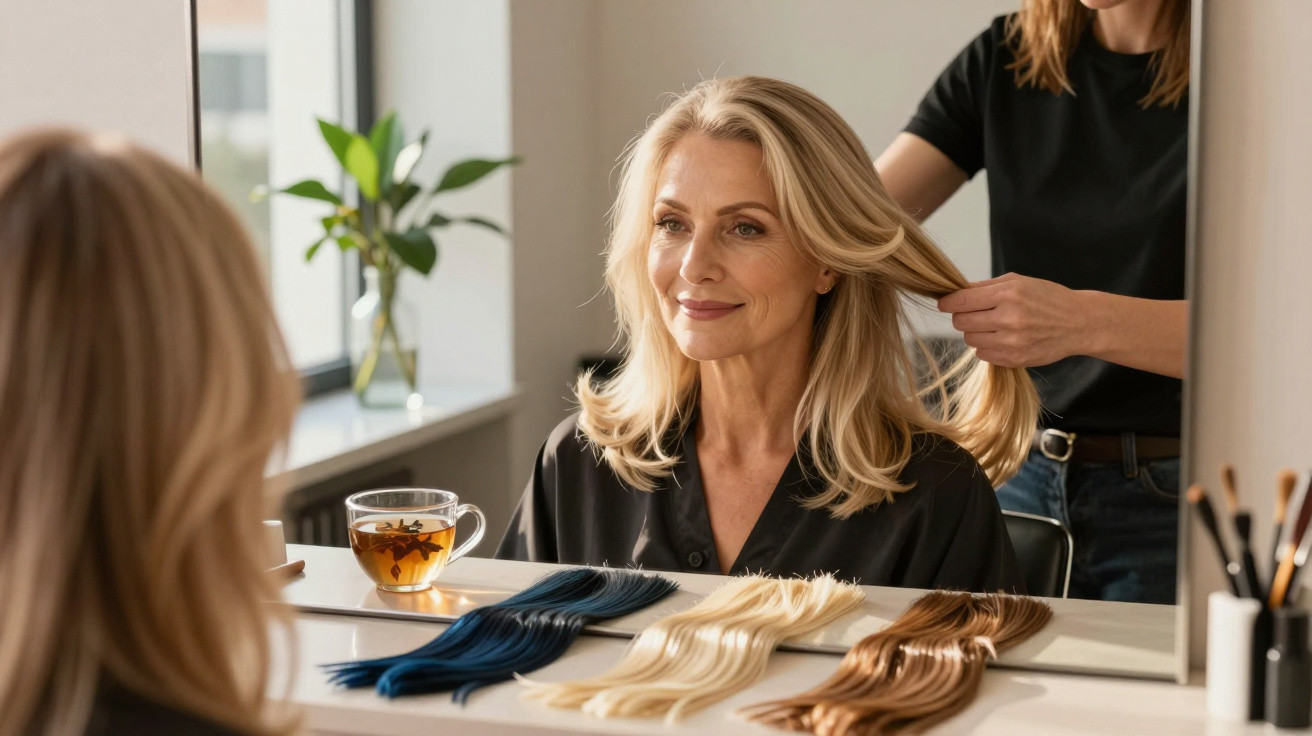
The fourth style on her 2026 list is for anyone who loves their long hair and has no wish whatsoever to cut it off. She calls it “long liquid layers”. The goal is hair that appears to pour over the shoulders: neither pin-straight nor shaped into barrel curls, but a silky, unbroken flow where the layers only become apparent when the hair moves. It is not about pursuing maximum length at any price; it is about making long hair look deliberate rather than incidental.
In the compact waiting area, a woman with hair brushing her hips flicks through a magazine. Two years ago, it might simply have registered as “long”. Today, following an hour of precise cutting, hidden weight has been removed and the ends taper in a way that feels purposeful, almost editorial. When she stands, her hair drops behind her like a cape. On social media, this is the kind of look that prompts followers to write “hair routine pls”, even when the routine consists only of heat protection and a good brush.
The reason it reads as “expensive” is partly mathematical. More weight is retained closer to the roots, bulk is gently removed through the mid-lengths, and clean, sealed-looking ends bounce back more light. That reflected light - the glass-like sheen visible when you turn your head - encourages our brains to interpret the hair as “healthy, cared-for, luxurious”. Layers also allow it to air-dry without becoming one solid mass. The result is movement without sacrificing the long, glamorous curtain effect people secretly imagine when they say, “I’m growing my hair out.”
How to wear 2026 haircuts in 2024–2025
The stylist’s key advice is almost impressively simple: bring pictures, but describe your goals using verbs rather than nouns. “I want hair that moves”, “I want to tuck it behind my ears”, “I want to be able to put it in a clip and still feel put together.” That language gives her something practical to create. From there, she adjusts each of these four hero cuts to your reality: your natural texture, the time you genuinely have each morning and the clothes you actually wear. A single soft power bob can take on five distinct personalities depending on the way it is shaped at the nape.
She is also kind about past mistakes, because everyone has at least one haircut trauma behind them. One frequent error is chasing the exact celebrity cut without considering that person’s hair density, natural wave or even neck length. Another is requesting a razor-sharp bob, then wearing it in a scrunchie 90% of the time. “Let’s be honest: nobody really does that every day,” she laughs as we discuss round brushes and flawless blow-dries. The best 2026 haircuts, she insists, can cope with your busiest days as well as your laziest ones.
At one point, she pauses with her scissors in hand and says:
“Hair is like clothing you can’t take off. It should tell the truth about who you are, not who you think you’re supposed to be.”
That is why the emotional element matters just as much as the technical one. A bob suggests a clean slate. The airy shag announces that you are finished apologising for your natural texture. A grown-out fringe lets you experiment with change without giving up your length. Liquid layers murmur luxury on an ordinary Tuesday. For those who are undecided, she offers this concise guide:
- Soft power bob if you want clarity and structure.
- Airy shag if you are after movement and creative chaos.
- Grown-out fringe if you need a low-commitment reset.
- Long liquid layers if you love your length and want it to look intentionally “extra”.
Hair as a quiet revolution on your head
Some trends feel like costumes: enjoyable for a weekend, then forgotten by Monday. These four 2026 haircuts are not like that. Rather than demanding attention, they redirect it towards your jawline, collarbones and eyes, or the way your hair falls when you tilt your head towards someone you fancy. They are less about copying a celebrity than working backwards from how you want to feel when you see yourself on a grey morning.
At a deeper level, they reflect the direction many people are taking: smaller wardrobes, better basics and fewer, more intelligent beauty routines. Your hair can support that approach or undermine it. Think of a bob that appears polished even when you are running late; a shag that gets better the messier it becomes; a fringe that saves a bad-hair ponytail; or long layers that make air-dried hair look finished without requiring much effort. That is quiet luxury without the price tag.
Most of us have had that moment when a fresh haircut changed the way we left the salon: shoulders a little farther back, phone camera suddenly more forgiving. It does not resolve anything enormous, but it can alter how you enter a room, join a call or arrive for a date. The standout haircuts of 2026 occupy exactly that territory: wearable and realistic, yet charged with the potential for a small personal revolution. The one you choose reveals something intriguing about the next chapter you are ready to tell.
| Key point | Detail | Benefit for the reader |
|---|---|---|
| Soft power bob | Jaw-length with a clean line and softened ends | Delivers instant structure with minimal styling effort |
| Airy shag | Medium-to-long length with light layers designed for movement | Brings out natural texture and works around busy schedules |
| Grown-out fringe | Cheek-skimming, face-framing sections | Creates a soft-focus effect without sacrificing length |





Comments
No comments yet. Be the first to comment!
Leave a Comment