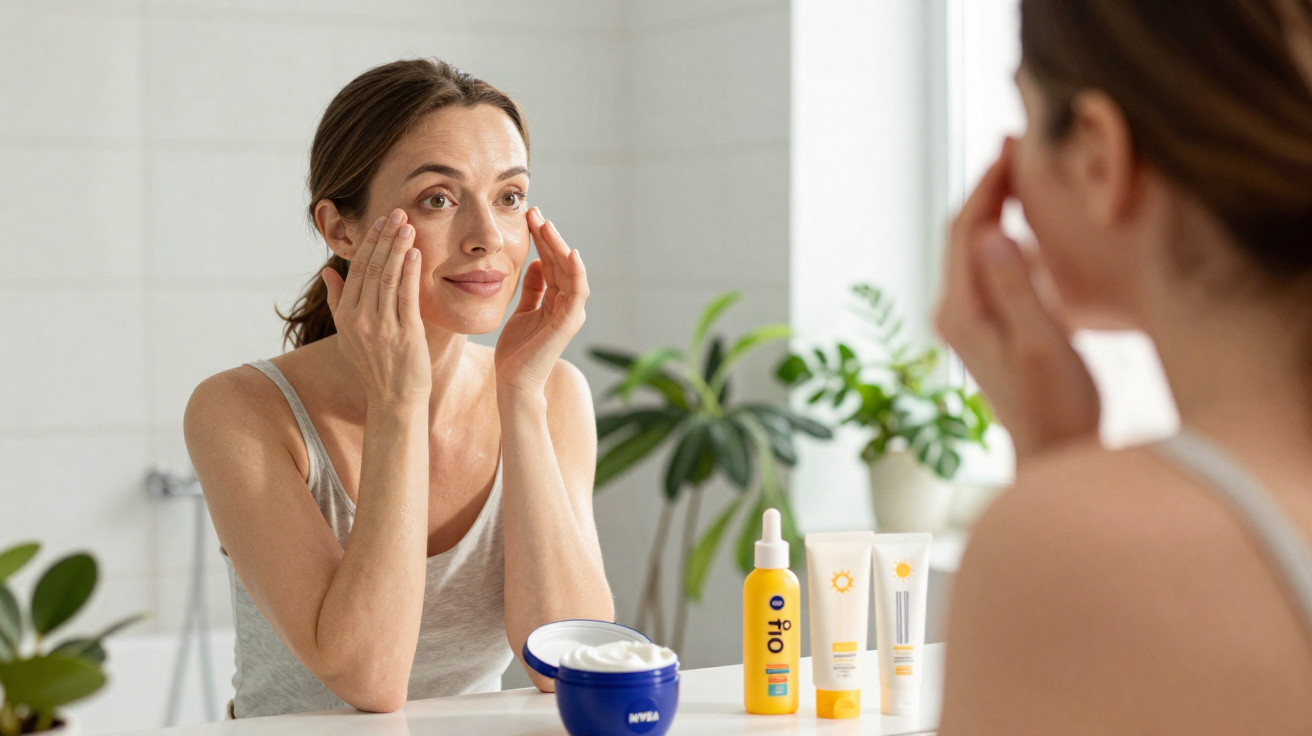
Some skin types love it, while others are wary of it. What does your face really reveal after application?
With rising prices and the promises made by premium skincare, many people are returning to Nivea cream to smooth the skin, soothe it and improve comfort. The idea sounds straightforward: moisturise to soften wrinkles. Yet the skin’s response is more nuanced. From an immediate visual result to gradual benefits and limitations worth knowing, here is what this step actually changes for your skin.
Hydration or an optical illusion?
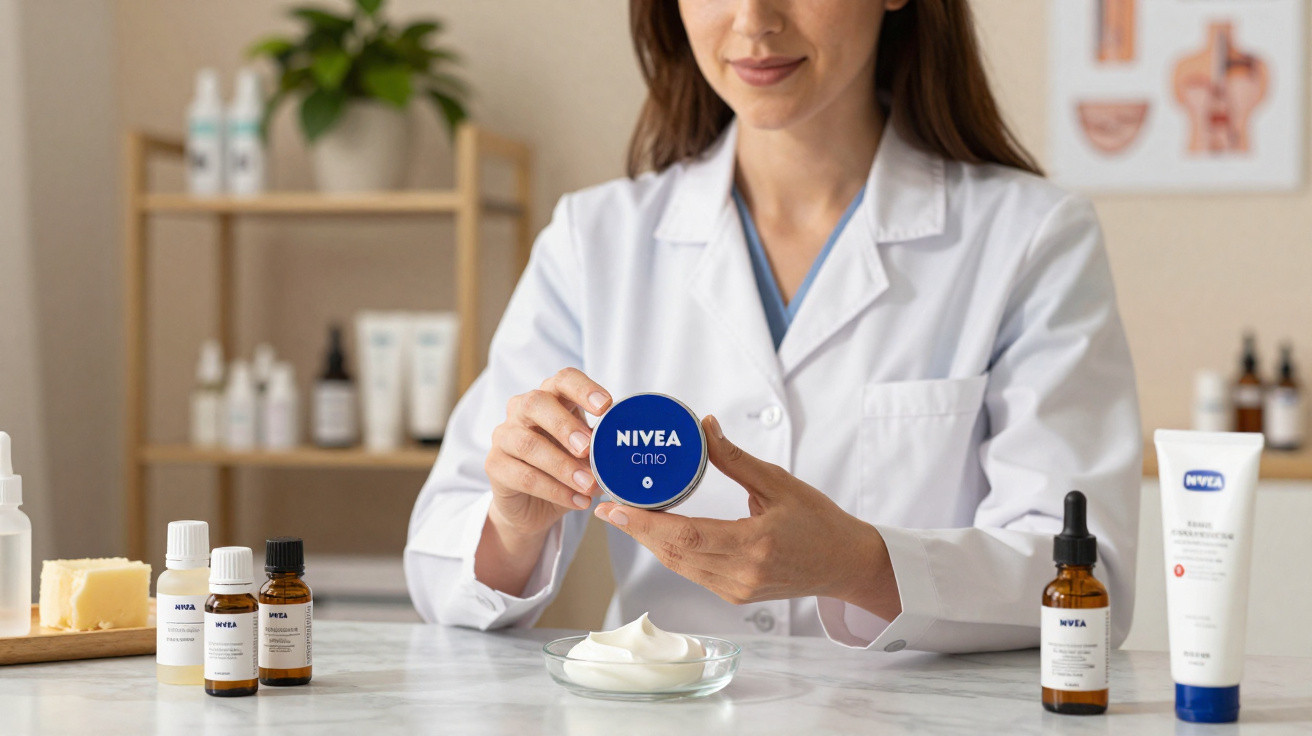
Nivea cream forms an occlusive layer that helps reduce water loss. Glycerine draws in moisture, while panthenol calms the skin and supports its protective barrier. As a result, dehydration lines appear tighter and become less noticeable.
“Nivea cream does not erase a wrinkle; it makes it less visible by boosting hydration and smoothing the surface.”
On dry skin, the result can look striking. Expression lines seem less pronounced. Its texture reflects light more evenly, giving the complexion a clearer appearance. On combination skin, the effect differs from one area to another: the cheeks feel comfortable, while the T-zone may become shiny.
What the occlusive layer does
This layer slows water evaporation and helps stabilise surface lipids. Tightness is reduced. Skincare ingredients applied beforehand remain on the surface for longer. Make-up goes on more evenly, and powders settle less noticeably into creases.
Antioxidants and Q10: what is their real role?
Nivea ranges containing coenzyme Q10 offer antioxidant support. They are designed to address oxidative stress, a factor in premature ageing. This support helps the skin cope better with everyday external stressors. To target established wrinkles, combining them with retinoids, peptides or vitamin C remains more effective.
What you will notice on your face
- After 15 minutes: skin feels more supple. Dehydration lines are softened, and the complexion looks smoother.
- After 7 days: skin texture becomes more even. Dry patches diminish, and make-up catches less in creases.
- After 4 weeks: the skin barrier becomes more stable when application is consistent. Dynamic wrinkles remain, but are less marked during the day.
- After 3 months: skin copes better with changing weather conditions. Benefits level off unless you combine the cream with targeted active ingredients.
“Consistency matters more than the thickness of the layer. A light application twice a day is enough.”
Limitations and potential pitfalls
Oily skin and blemishes
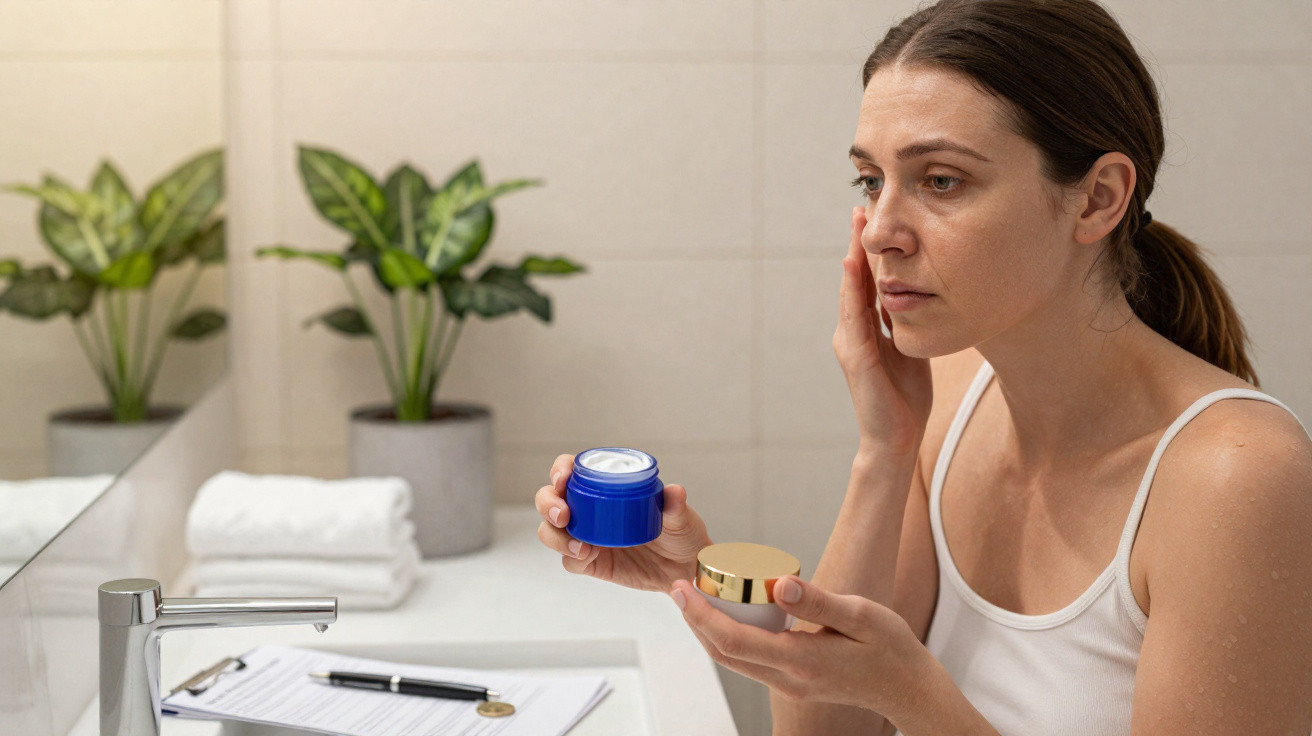
Applying too much may encourage blackheads in the T-zone. Use a pea-sized amount and focus on the cheeks. If your skin is prone to spots, opt for a lighter texture such as Nivea Soft or a gel cream. Testing it on a small area first can provide reassurance before broader use.
Fragrance and sensitive areas
Fragrance may irritate some reactive skin types. Avoid the eye area unless the formula is specifically intended for it. If redness persists, switch to a fragrance-free or minimalist range.
Sun and wrinkles: the pairing not to overlook
Without sun protection, wrinkles can quickly become more pronounced again. UV rays break down collagen and encourage dark spots. In the morning, pair the cream with an SPF 30 or 50 sunscreen. In the evening, focus on repair and nourishment.
- Common mistake: applying a thick layer to “erase” a wrinkle. The main result is simply extra shine.
- Common mistake: skipping the neck and décolletage. These areas show signs of ageing quickly.
- Common mistake: putting the cream on soaking-wet skin. Pat it dry first, otherwise the formula will slip around.
How to include Nivea cream in your routine
Morning: immediate comfort and longer-lasting make-up
- Gentle cleansing: avoid stripping foaming cleansers that can weaken the skin barrier.
- Hydrating serum (hyaluronic acid or niacinamide): a water-based base that prepares the skin.
- Nivea cream: apply a thin layer, especially over dry areas.
- SPF 30 or 50: the final step, applied generously.
Evening: repair and comfort
- Gentle cleanser or cleansing oil: avoid prolonged rubbing.
- Targeted active ingredient 2 to 4 evenings per week (retinol, peptides or AHAs, according to tolerance).
- Nivea cream: seals in the active ingredients and limits overnight dehydration.
Which version should you choose?
| Product | Skin type | Main benefit | Limitation | Best time to use |
|---|---|---|---|---|
| Classic Nivea cream (blue tin) | Normal to dry | Rich protective layer and long-lasting comfort | May cause shine or clog the T-zone | Evening, winter, dry areas |
| Nivea Soft | Combination skin, younger skin | Lightweight texture, fast absorption | Less protective in very cold weather | Morning, warm climate |
| Q10 range | Age 30 and over | Antioxidant support, firmer-feeling skin | Contains fragrance in some products | Morning under SPF |
| Hyaluron range | Dehydrated | Temporary plumping effect | Limited action on deep wrinkles | Before make-up |
“The best anti-ageing product remains daily sunscreen. Cream is a helpful ally, not the main act.”
What science says about wrinkles and hydration
Wrinkles fall into two categories: dynamic wrinkles, linked to facial expressions, and static wrinkles, which are set into the dermis. Hydration primarily works on fine surface lines. It improves the skin’s light reflectance and reduces tiny grooves. Deep wrinkles require ingredients that stimulate cell renewal and collagen. Retinoids, stabilised vitamin C and certain peptides have the strongest evidence behind them.
Nivea cream improves the conditions: a stronger barrier, less water loss and better tolerance of active ingredients. It acts as a “lid”, protecting what you apply beneath it. This synergy explains why skin can feel younger, even when the structure of wrinkles changes little in the short term.
Practical ways to go further
For dry skin with early wrinkles: apply a 5% niacinamide serum, followed by Nivea cream in the evening. Add a low-dose retinoid two evenings a week, then increase according to tolerance. For combination skin: keep Nivea cream to the cheeks and around the mouth. Choose a gel texture for the T-zone. In cold weather: use a more generous layer at night and protect the skin with SPF in the morning.
You can also try targeted “slugging”: apply a very thin layer of Nivea cream only to areas where lines appear, such as the nasolabial folds and mouth corners. This approach maintains local hydration without making the entire face greasy. Avoid it if you experience recurring spots.
Quick questions you may have
- Can you use it under foundation? Yes, in a thin layer. Wait two minutes before applying make-up.
- Do you need to massage it in for a long time? One minute of circular massage is enough to boost microcirculation.
- Is it suitable for the eye contour? Not if your eyelids react to fragrance. Choose a dedicated eye product instead.
- How much should you use? A pea-sized amount for the whole face. Add a small dollop for the neck.










Comments
No comments yet. Be the first to comment!
Leave a Comment