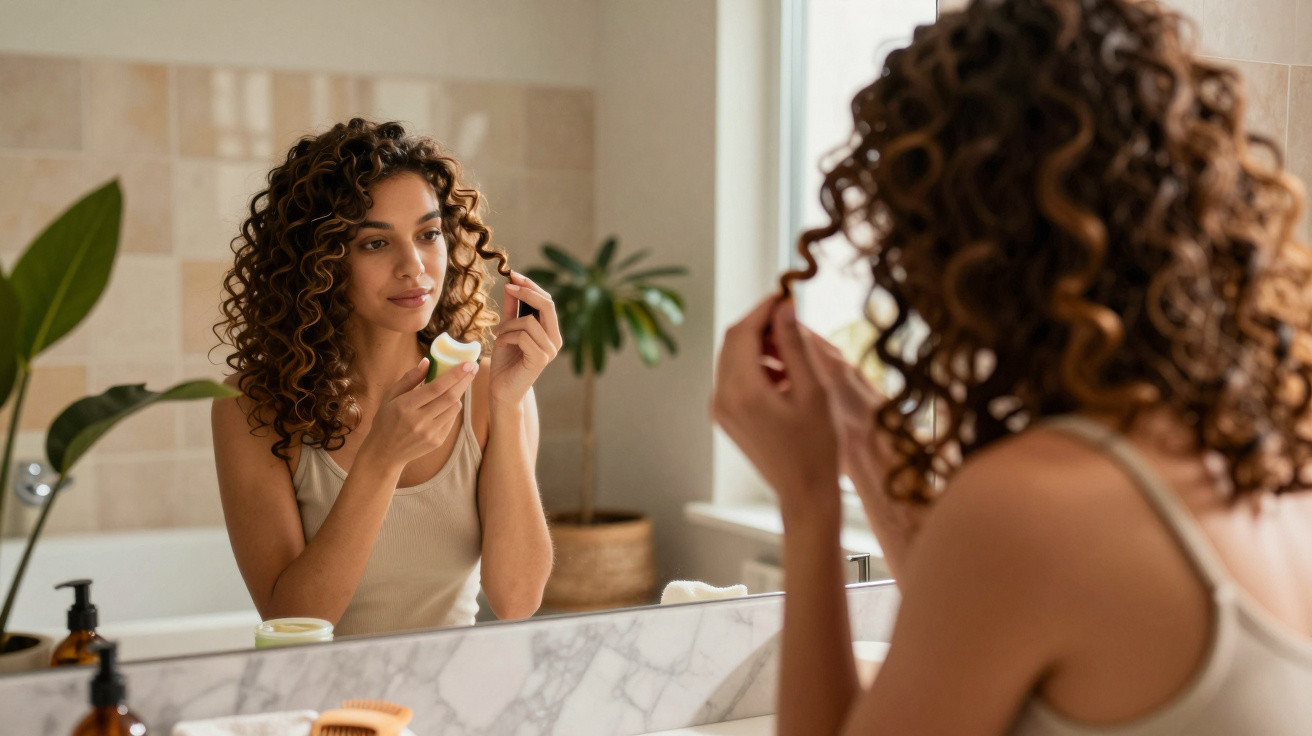
A new styling gelée is now promising to bring order to unruly hair.
Anyone blessed with naturally curly or wavy hair often faces two equally frustrating outcomes: either it looks puffed-up and dry, or the lengths end up flat and stuck to the scalp. John Frieda’s new gelée is designed to fill that gap, offering hold while conditioning and defining curls at the same time – without leaving hair with a stiff, helmet-like feel.
Why curls become frizzy so easily
Curly and strongly wavy hair is naturally drier than straight hair. Its cuticle sits less evenly, allowing moisture to escape more quickly while humidity from the surrounding air can penetrate more easily. Add summer heat, central-heating air or blow-drying at excessive temperatures, and the familiar frizz effect appears: individual hairs stand up, curl patterns lose their shape and the style looks untidy.
Many conventional styling products make this worse. They coat the hair in a film, often contain alcohol and silicones, and provide very little moisture. The result is temporary hold, followed by greater dryness and even more unmanageable lengths.
“To tame curls, you first need to give them moisture – only then does styling really make sense.”
John Frieda Frizz Ease gelée for defined, soft curls
John Frieda is launching a styling gelée within its Frizz Ease range that addresses precisely this issue: it is intended to shape curls without drying them out. Its approach is a lightweight, gel-like texture that locks moisture in rather than stripping it away.
The gelée’s key features include:
- Moisturising and shaping – it defines waves and curls while hydrating them.
- Vegan, silicone-free and alcohol-free – for anyone wishing to avoid potentially irritating or heavy ingredients.
- Lightweight, flexible curls – no hard, crunchy gel coating, just moveable strands.
Many followers of the Curly Girl Method – a care-focused routine created specifically for curly hair – choose precisely these types of products: free from traditional film-forming ingredients, rich in moisture and formulated to be as gentle as possible.
How to apply the gelée step by step
The gelée can be incorporated into any curl routine without needing professional hairdressing skills. The method has deliberately been kept straightforward.
Apply it to wet hair
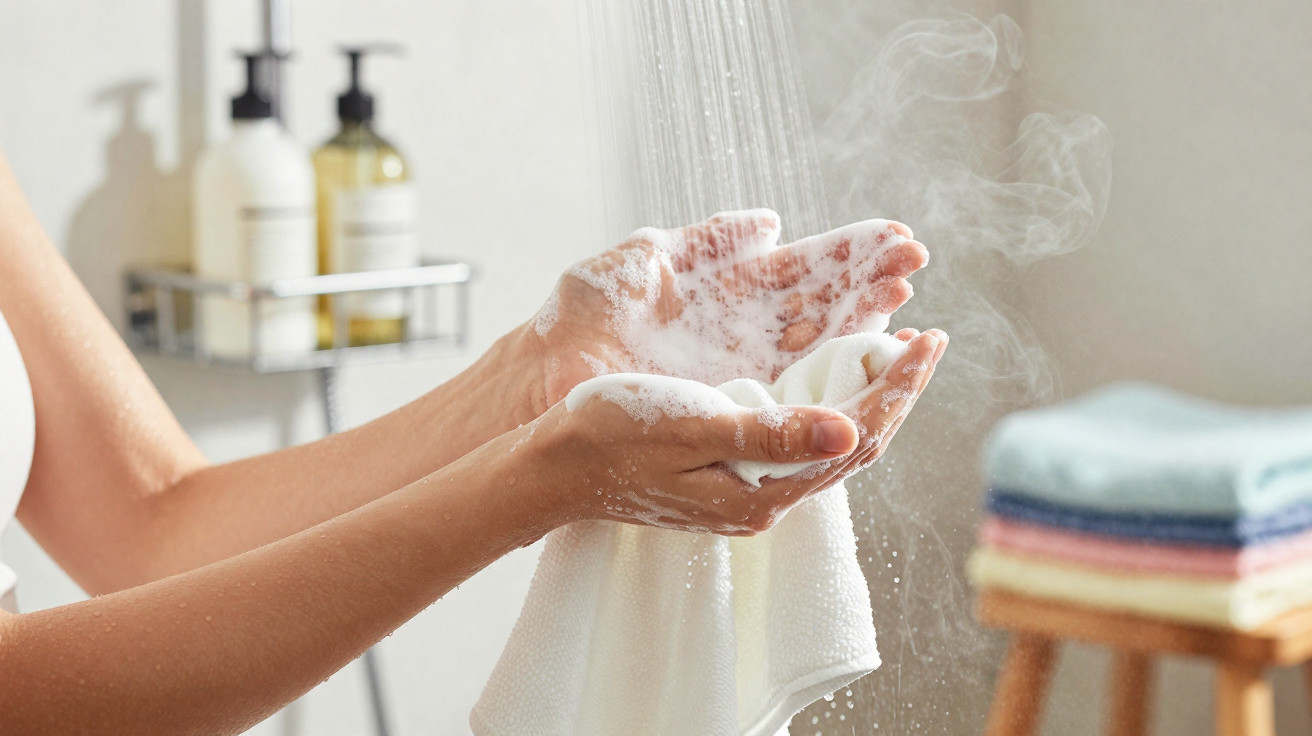
The timing immediately after washing is crucial. Hair should still be properly wet rather than merely towel-damp. This is when the gelée should be applied:
- Rinse out shampoo and conditioner, then gently squeeze excess water from the lengths.
- Rub a small amount of gelée between your palms.
- Either scrunch it into the lengths – working from the ends towards the roots – or distribute it section by section.
Those with very fine hair should begin with a small amount and add more only if needed. Thick, robust curls will generally tolerate a little more product.
Air-dry or use a diffuser – both work
Once applied, there are two options:
- Air-dry for the most natural-looking result.
- Dry with a diffuser attachment on medium heat when time is short or extra bounce is wanted.
According to the manufacturer, the style lasts for up to 24 hours, with curls remaining defined without becoming rigid. To refresh the style the following day, lightly dampen the lengths and apply a little more product.
What the gelée contains – and why it matters
More interesting than the look of the packaging is the formula inside. The gelée uses a particularly high proportion of moisturising ingredients and leaves out the usual suspects, such as drying alcohol.
More than 14 per cent of the formula consists of so-called humectants, or water-binding substances, which are intended to retain moisture in the hair. They adhere to the hair fibre, attract water and thereby help stabilise the curl pattern. At the same time, they support the hair’s hydrogen bonds, which are partly responsible for a curl holding its shape.
“More than 14 per cent moisturising ingredients in the formula: this makes the gelée work more like a treatment with a styling effect than a traditional hair gel.”
Another standout ingredient is moringa oil. This plant oil is considered rich in antioxidants and fatty acids. In hair care, it serves three purposes:
- helping to seal in moisture;
- protecting lengths and ends from drying out;
- enhancing natural shine without weighing hair down.
Who is the gelée suitable for – and who may not benefit as much?
The gelée is aimed primarily at people with textured hair: waves, corkscrew curls and tightly coiled hair. These hair types in particular often struggle with dryness and frizz, especially in summer.
| Hair type | Suitable? | Note |
|---|---|---|
| Light waves | Yes | Use less product, otherwise the waves may drop out. |
| Defined curls | Yes | A good option for clear definition and shine. |
| Very tightly coiled hair | Yes, with a leave-in underneath | Combining it with a creamy conditioning product makes sense. |
| Very fine, straight hair | Only to a limited extent | It may be too rich, so test sparingly first. |
How the gelée fits into a curl routine
Many people with curls use products in so-called layers. Moisture comes first, followed by a nourishing leave-in cream, and finally a defining product such as the gelée. This order ensures that hold is not built on dry hair.
One possible routine is:
- Cleanse with a mild shampoo or co-wash.
- Apply conditioner, gently detangle, then rinse thoroughly.
- Work a leave-in conditioner through the damp lengths.
- Scrunch in the gelée and shape waves and curls.
- Air-dry or set the style with a diffuser.
Anyone with highly porous hair can also use a few drops of oil on the ends. This helps the lengths break less easily and keeps curls more stable.
Where the risks are – and how to avoid them
Even a well-formulated styling product has its limitations. Using too much gelée can weigh down fine hair and reduce its natural movement. If your roots tend to become greasy quickly, keep the product strictly to the lengths.
People with sensitive scalps should first test a small amount on one area. Even silicone-free and alcohol-free formulas can trigger individual reactions, often because of fragrance or certain plant extracts.
Why curl care is about more than cosmetics
For many people, hair is closely tied to identity. Depending on the setting, curls can be seen as wild, playful, untamed or particularly feminine. It is all the more frustrating to feel as though you are fighting against your own natural texture. Products that shape natural waves instead of smoothing them away contribute to more than simply a flattering selfie.
Working with your hair texture rather than styling it away saves time, stress and often heat damage too. A gelée that defines, conditions and washes out again can be a small yet effective tool – particularly for anyone who has spent years blow-drying, straightening or tightly tying back their curls.
Used alongside a curl-friendly brush, a microfibre towel and heat-conscious blow-drying, the effects can be noticeable: less breakage, less frizz and more bounce. Anyone who follows this approach consistently for a few weeks will often quickly discover that “difficult hair” is simply “thirsty hair” – and that a well-designed styling gelée can make all the difference.
Comments
No comments yet. Be the first to comment!
Leave a Comment