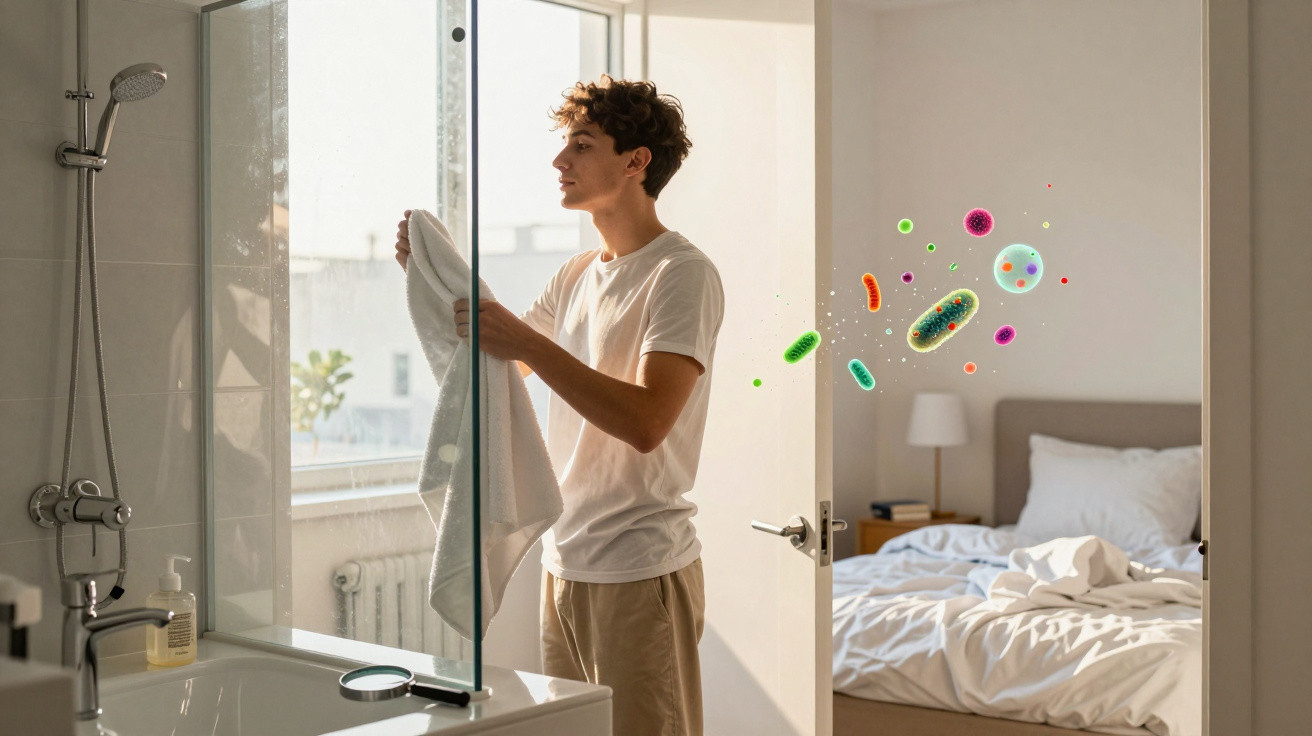
For years, one question has prompted plenty of debate: is it preferable to shower in the morning or at night?
Fans of a morning shower tend to see it as the clear choice, saying it helps them wake up and begin the day feeling fresh. Those committed to showering at night, meanwhile, maintain that it is best to "wash the day away" and unwind before going to bed.
So, what does the evidence show? From a microbiologist’s perspective, there is a definite answer.
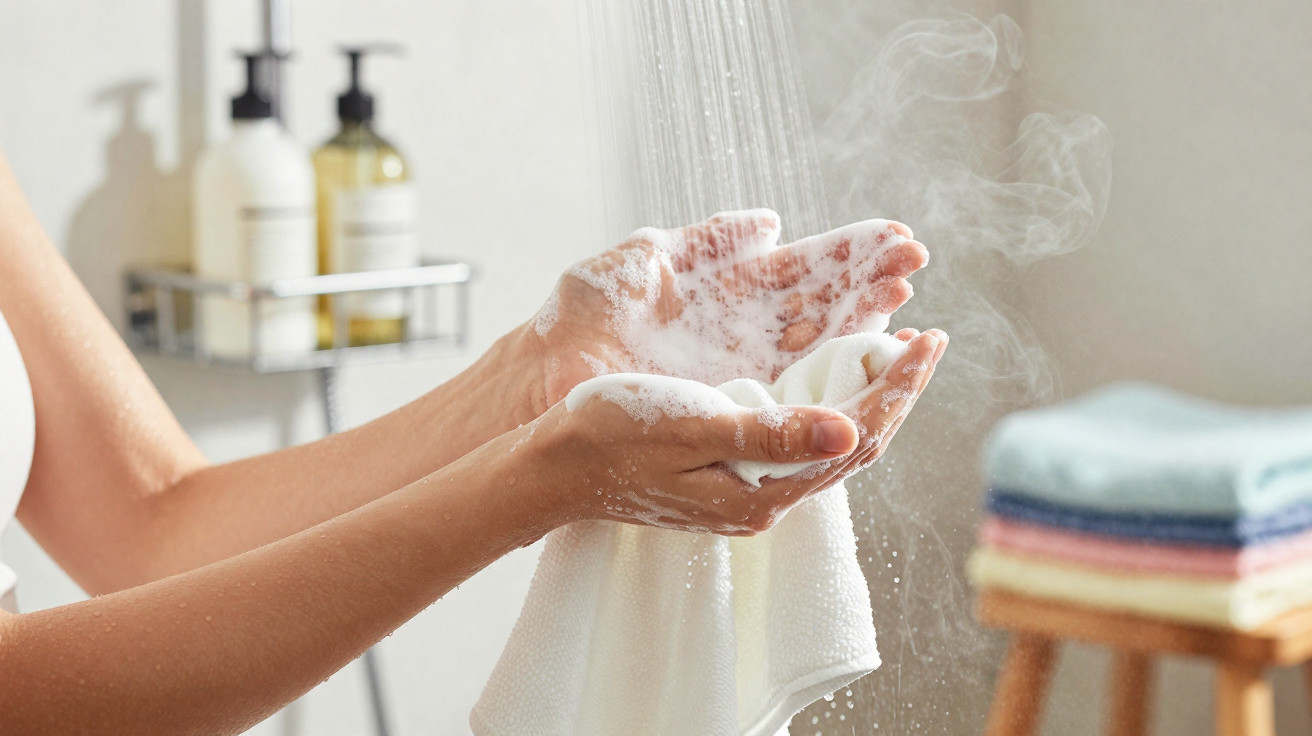
Above all, showering is an essential element of a sound hygiene routine, whenever you choose to do it. It removes dirt and oil from the skin, which may help to reduce the likelihood of rashes and infections.
A shower also washes away sweat, helping to control body odour.
Many people assume sweat itself causes body odour, but the smell is actually created by bacteria living on the skin’s surface. Newly produced sweat is odourless.
However, skin-resident bacteria - particularly staphylococci - use sweat as a readily available food source. As they break it down, they release sulphur-containing compounds known as thioalcohols, which produce the strong BO smell familiar to many of us.
Morning shower or night shower?
Over the course of a day, your body and hair naturally gather pollutants and allergens, including dust and pollen, as well as sweat and sebaceous oil. Some of these particles stay on your clothes, while others are unavoidably passed on to your sheets and pillowcases.
Sweat and oil on the skin also encourage the growth of the bacteria that make up your skin microbiome. These bacteria can likewise be transferred from your body to your bedding.
Taking a shower at night can wash off some of the allergens, sweat and oil collected during the day, meaning less of them reaches your bedsheets.
What happens to your skin overnight
Yet even after showering immediately before bed, you will still sweat overnight, regardless of the temperature. Your skin microbes will consume the nutrients in this sweat. Consequently, by morning you will have transferred microbes to your sheets and are also likely to wake up with some BO.
The cleansing advantages of a night shower are especially undermined when bedding is not washed regularly. Odour-causing microbes already in the sheets can be transferred to your freshly cleaned body as you sleep.
An evening shower also cannot prevent your skin from shedding cells. These cells may become food for house dust mites, whose waste can cause allergic reactions.
When sheets are not laundered routinely, deposits of dead skin cells can accumulate and feed increasing numbers of dust mites. Their droppings may trigger allergies and make asthma worse.
Why a morning shower has the advantage
By contrast, a morning shower can remove dead skin cells, along with sweat and bacteria acquired from your sheets during the night. This matters particularly if the bedding was not freshly washed before you went to sleep.
A morning shower means your body is likely to be cleaner of skin microbes picked up overnight when you put on clean clothes. It also leaves less sweat at the start of the day for odour-producing bacteria to feed on, which will probably help you stay fresher for longer than someone who showered at night.
As a microbiologist, I favour showering during the day.
Naturally, personal showering preferences differ. Whichever time you choose, the value of your shower depends on several parts of your wider hygiene routine, including how often you wash your bed sheets.
Therefore, whether you choose a morning or evening shower, regular cleaning of your bed linen is important. Sheets and pillowcases should be laundered at least once a week to remove the accumulated sweat, bacteria, dead skin cells and sebaceous oils.
Washing also gets rid of fungal spores that may be growing in the bed linen, as well as the nutrient sources that these odour-producing microbes need to grow.
Primrose Freestone, Senior Lecturer in Clinical Microbiology, University of Leicester
This article is republished from The Conversation under a Creative Commons licence. Read the original article.









Comments
No comments yet. Be the first to comment!
Leave a Comment