
The gym speakers are blasting 2000s pop, every treadmill is occupied, and each desk in the open-plan office holds the same fresh notebook, its first tidy page labelled: “2026 GOALS”. It is still dim outside in the morning, yet everyone is already “on it”: recording runs, sharing smoothies and discussing quarterly objectives as though the year can be conquered in its first 10 days. The air practically crackles with shared pressure, equal parts optimism and unspoken anxiety.
Amid all that commotion, the most straightforward question disappears: what if the wisest thing to do in January was not to push more, but to rest more deeply?
Why we begin the year exhausted – and act as though we are fine
January has turned into a performance. There are new planners, apps and challenges, but the same weary faces beneath the filters. December’s exhaustion gets carried straight into the new year, dressed up in glossy resolutions and renamed motivation.
Few people want to say they would rather sleep than “smash their goals”, so they drink extra coffee and open even more browser tabs. Rest begins to resemble failure, laziness or “falling behind”. This is how the year starts: with an empty tank and a foot pressed to the accelerator.
The data makes the pattern stranger still. Searches for “new year workout plan” and “productivity hacks” surge at the beginning of January, while interest in “burnout symptoms” begins to rise quietly several weeks afterwards. HR teams report increased sickness absence towards the close of the first quarter.
Within businesses, managers set demanding Q1 objectives just as people’s minds remain hazy after the holidays, social overload and interrupted sleep. We increase cognitive demands at precisely the point when the nervous system is requesting a gentler pace. The disconnect is almost absurd.
The thinking behind this collective sprint is straightforward: we assume success follows a direct line from effort to results. So we put in twice as much effort. We overlook the fact that rest is not work’s opposite; it is what enables work to happen. Without recovery, the brain’s prefrontal cortex - the area responsible for planning, focus and decision-making - starts to malfunction.
That is when you read the same email three times or stare at an empty slide for an hour. People mistake these lapses for poor discipline. What they actually lack is deep, structured rest.
Rest as a strategy, rather than a guilty pleasure
The most effective shift at the beginning of the year is remarkably simple: put rest in your diary before you schedule your goals. Open your calendar and reserve non-negotiable low-stimulus periods: screen-free evenings, one alarm-free morning each week and a weekly solo walk without podcasts.
This does not mean doing nothing. It means reducing input so that your brain can process everything it has been holding since last year. Rest becomes an intentional item in your plan, rather than whatever remains once you are too tired even to scroll.
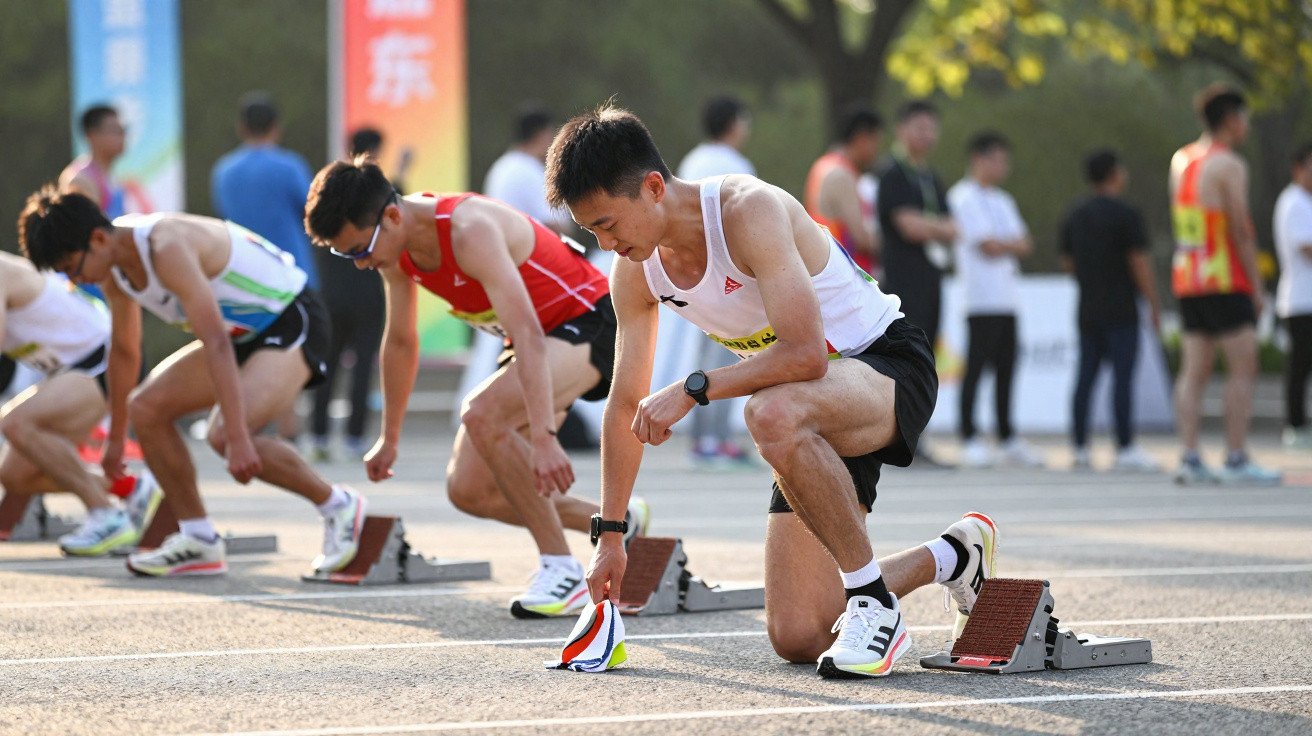
Consider an elite athlete in January. They do not run their quickest race on the year’s first training day. Instead, they alternate load and deload, intensity and recovery, following a programme built for a long season. One professional runner I interviewed had a firm rule: no demanding sessions during the first week of January, only technique work, sleep and gentle mileage.
She called it “letting the body remember why it loves to move”. This captures the purpose of rest early in the year: allowing your mind room to recall what it genuinely wants, rather than merely what appears impressive on a goals board.
Neuroscience supports this in an entirely unglamorous way. Rest alters how the brain stores information. In quiet, unfocused periods, your default mode network becomes active and starts linking ideas you did not realise were connected. This is when creative thoughts emerge, values become clearer and resolutions unsuited to your real life gradually drop away.
Without these calm intervals, you can end up pursuing borrowed goals, then asking yourself in March why you are working so hard for something that does not feel like your own. Rest is the filter that helps you sort “my path” from “social pressure”. That is a strategic decision, not empty self-care language.
How to build “smart rest” into the beginning of your year
Begin with a ruthlessly honest assessment of your energy rather than your to-do list. On a sheet of paper, create two columns: “What drains me quickly” and “What restores me quickly”. Be truthful: scrolling at midnight may seem restful, but notice how you feel the following morning.
Next, choose only one daily micro-rest ritual for January. Take ten silent minutes after lunch with your eyes away from screens. Have a 20-minute power nap at weekends. Set aside one evening a week to stop “optimising” and simply potter about at home. One modest practice you can repeat is more valuable than a flawless rest routine abandoned by day four.
Many people undermine rest by viewing it as a reward they must deserve. “I’ll rest when the inbox is clear, when the launch is finished, when the children’s timetable settles down.” That point rarely comes. Or it arrives when your body takes the decision for you, through illness or complete shutdown.
More subtly, people fill their “rest” time with activities that are covertly demanding: intense social dinners, travel or binge-watching dark dramas until 1 am. The body never receives a genuine signal of safety. At the level of the nervous system, this imitation rest keeps you alert, only in a more comfortably distracted state.
“Rest isn’t the absence of effort. It’s the presence of safety.”
To put that into practice, create a straightforward “rest menu” that you genuinely enjoy, rather than one productivity books tell you to follow:
- A five-minute breathing reset between meetings
- One “slow morning” each week without checking your phone immediately
- Gentle stretching while listening to music you loved as a teenager
- Short walks without a performance target or step count
- One hour each week when you cannot be reached, with no guilt or explanation
Letting rest reshape the rest of your year
When you rest consciously at the year’s outset, a subtle change begins. Goals that seemed enormous and urgent three weeks earlier may start to feel slightly wrong, or at least open to negotiation. Rather than pursuing a dozen major changes, you may retain two or three that still make sense once your nervous system is calmer.
This is when progress ceases to resemble self-punishment and begins to look like alignment. You are not simply attempting to do more. You are deciding what truly deserves your limited energy in 2026.
| Key point | Detail | Benefit for the reader |
|---|---|---|
| Rest changes your strategy | Recovery early in the year shows which goals are genuine and which are noise | Helps prevent the pursuit of resolutions that result in burnout |
| Small rituals beat big plans | Micro-rest moments, repeated regularly, recalibrate your nervous system | Makes rest practical rather than idealised or unrealistic |
| Rest is performance fuel | Improved sleep and downtime strengthen focus, creativity and discipline | Makes rest a competitive advantage at work and in life |
















Comments
No comments yet. Be the first to comment!
Leave a Comment