
A major long-term study now suggests that complete sun avoidance may come at a substantial cost.
A Swedish study involving almost 30,000 women has reached a conclusion that challenges many public-health campaigns. Those who consistently stay in the shade live, on average, for less time – and face a risk comparable with that of smokers. The researchers describe a striking health dilemma between fear of skin cancer and cardiovascular protection.
What the Swedish study actually found
Researchers at the Karolinska Institute followed 29,518 women aged 25 to 64 from 1990 to 2010. At the outset, participants reported how they approached sun exposure. Broadly, they fell into three groups:
- active sun avoiders
- women with moderate sun exposure
- women with frequent sun exposure
The scientists then tracked them for a full 20 years. During that period, they recorded who died, what they died from and how this related to their sun habits.
“Women who consistently avoided the sun had twice the mortality risk of women who were regularly, but moderately, exposed to sunlight.”
Particularly strikingly, non-smoking women who rigorously avoided sunlight had a life expectancy similar to smokers who were frequently exposed to the sun. Put another way, avoiding sunlight appeared to be as risky in this analysis as actively smoking.
According to the study, women with the lowest levels of sun exposure lost between around 0.6 and 2.1 years of life compared with women who were regularly exposed to sunlight.
Why sunlight appears to protect the body
Sunlight provides more than warmth and a tan. Biologically, it triggers a series of processes in the body that extend far beyond vitamin D. The researchers identify several possible mechanisms that could account for the protective effect.
Vitamin D: more than bone strength
A central factor is vitamin D, which the skin produces under UVB radiation. It acts like a hormone and affects, among other things:
- the immune system and inflammatory processes
- the strength of bones and muscles
- blood-pressure regulation and blood-vessel function
- metabolism and potentially cancer risk
Vitamin D deficiency is widespread in northern Europe. During the long, dark winter, diet and supplements are often insufficient to replace the natural stimulus provided by sunlight completely. Anyone who then deliberately avoids all sun exposure intensifies that shortfall.
Blood pressure, blood vessels and the body clock: more than a “tanning lamp”
The study points to further effects of UV radiation:
- Nitric oxide is released in the skin, which can widen blood vessels and lower blood pressure.
- Daylight helps to regulate the circadian rhythm, or body clock, which is important for sleep, metabolism and the cardiovascular system.
- Regular bright light improves mood and motivation, which may positively influence physical activity and everyday habits.
These factors interact and may explain why cardiovascular disease was so much more common among the women who avoided sunlight.
Heart attacks rather than sunburn: where the real risk lay
When the researchers examined causes of death more closely, one area stood out: the cardiovascular system. Women who consistently avoided UV light had markedly higher rates of:
- heart attacks
- strokes
- heart failure and other vascular diseases
“The additional mortality among women who avoided sunlight was primarily attributable to the heart and blood vessels – not skin cancer.”
Yes, the risk of skin cancer, including melanoma, also rose as sun exposure increased. This has been known for years. Even so, overall mortality remained lower among women with greater sun exposure. In this population, the cardiovascular protection outweighed the increase in skin-cancer cases.
The researchers note that fatal cardiovascular disease accounts for a very high proportion of deaths in Sweden, whereas melanomas occur far less often and can frequently be treated successfully when diagnosed early.
Does this also apply to Germany, Austria and Switzerland?
The study was conducted in a Nordic country with long winters and limited sunshine. That matters. In more southerly regions with higher UV levels, the balance may look different. Nevertheless, the findings offer important food for thought for German-speaking countries.
Many people in these countries also have vitamin D deficiency, particularly during winter. In addition, many jobs are office-based and leisure time is often spent indoors. Anyone who then strictly avoids all sunlight can quickly end up with a persistent lack of light exposure.
| Factor | Scandinavia | Central Europe |
|---|---|---|
| Winter sunlight | very little | low to moderate |
| Vitamin D deficiency | widespread | also common |
| Skin cancer rate | relatively low, but rising | higher, strongly dependent on behaviour |
The exact figures cannot be transferred directly. However, the underlying message remains: zero-sun strategies pose health risks.
How much sunlight is sensible – and how can it be safe?
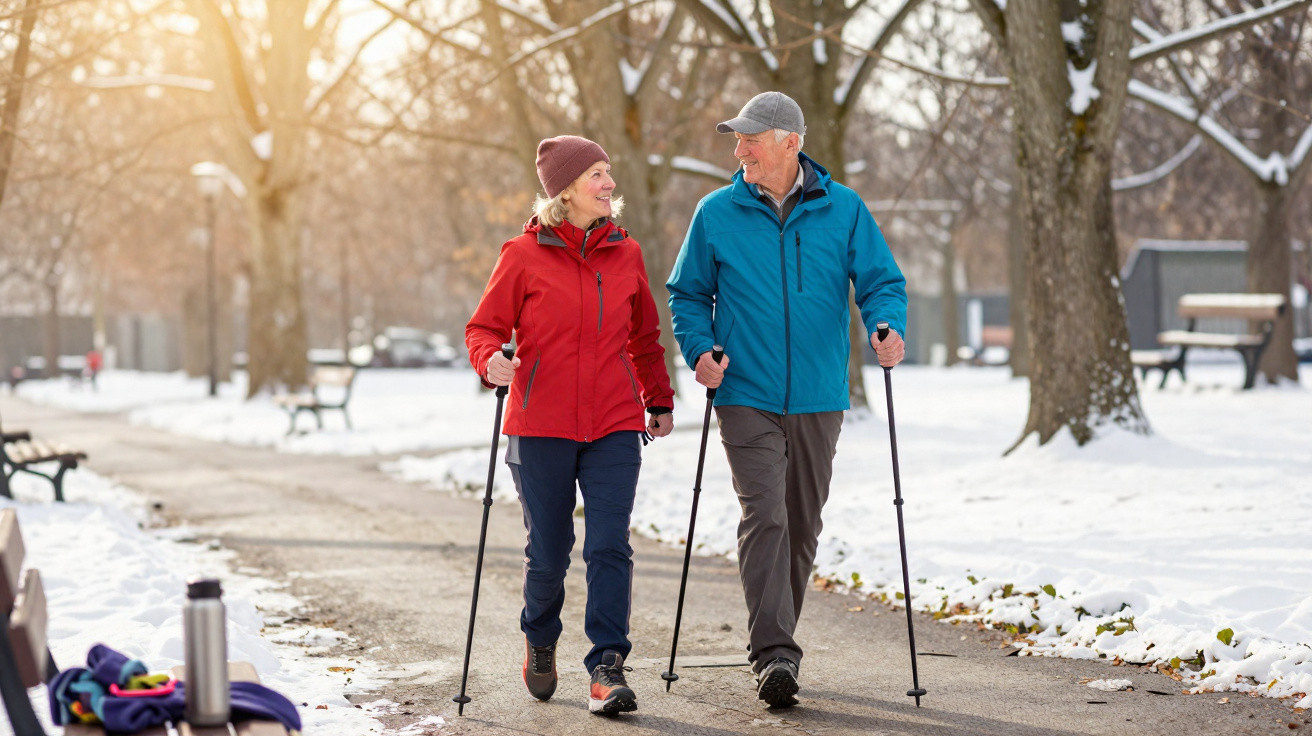
The Swedish findings are not a licence to spend hours baking in the midday heat. The researchers themselves emphasise that regular, moderate sun exposure without sunburn is what matters.
Practical rules of thumb for everyday life
- Spend short periods outdoors several times a week, with the face and forearms uncovered.
- In high summer, choose shade around midday and use morning or evening sunshine instead.
- Avoid sunburn completely – particularly for children and people with very fair skin.
- For longer periods outside, use clothing, a hat, sunglasses and suitable sunscreen.
- Have vitamin D levels checked by a doctor, especially in winter or if you are in an at-risk group.
For many people, the healthiest approach is likely to be a middle ground: no fanatical avoidance, but no excessive sunbathing either. In short, spend time in the sun sensibly.
What the study cannot establish – and what it still changes
This was an observational study. It identifies associations, but it does not prove beyond doubt that lack of sunlight was the sole cause of the higher mortality. Other factors may also be involved that cannot be fully captured statistically, such as subtle differences in lifestyle or diet.
Even so, the strength of the effect is impressive. The researchers accounted for numerous influences, including education level, body mass index, physical activity and alcohol consumption. The association remained stable.
“Anyone who permanently avoids all sunlight is very likely harming their health more than someone who spends time outdoors regularly but sensibly.”
This is precisely where the issue becomes significant for public communication. For years, many campaigns have focused mainly on the dangers of UV radiation. That risk remains real. However, a one-sided focus on skin cancer may lead people to restrict themselves too severely out of fear – with consequences for the heart, circulation and overall life expectancy.
What this could mean for your everyday life
Anyone who already spends plenty of time outdoors, gets moderate sun exposure and avoids sunburn needs to change very little. The situation is more concerning for people who:
- work almost exclusively from home or in an office,
- travel by car rather than walking or cycling,
- deliberately avoid every ray of direct sunlight because they fear skin cancer.
For these groups, small changes can make a significant difference: having a lunch break in the park rather than the canteen, taking a daily walk without a hat in the mild evening sun, or spending part of the weekend outdoors instead of only at the shopping centre.
Doctors and public-health authorities also face the task of refining their messages: sunlight should no longer be portrayed as an enemy alone, but as a potential health factor that deserves respect rather than panic.
The Swedish study sends a clear signal: a life lived entirely in the shade apparently costs years of life – on a scale otherwise more commonly associated with smoking. Anyone seeking to protect their health can no longer avoid an honest assessment of sunlight.













Comments
No comments yet. Be the first to comment!
Leave a Comment