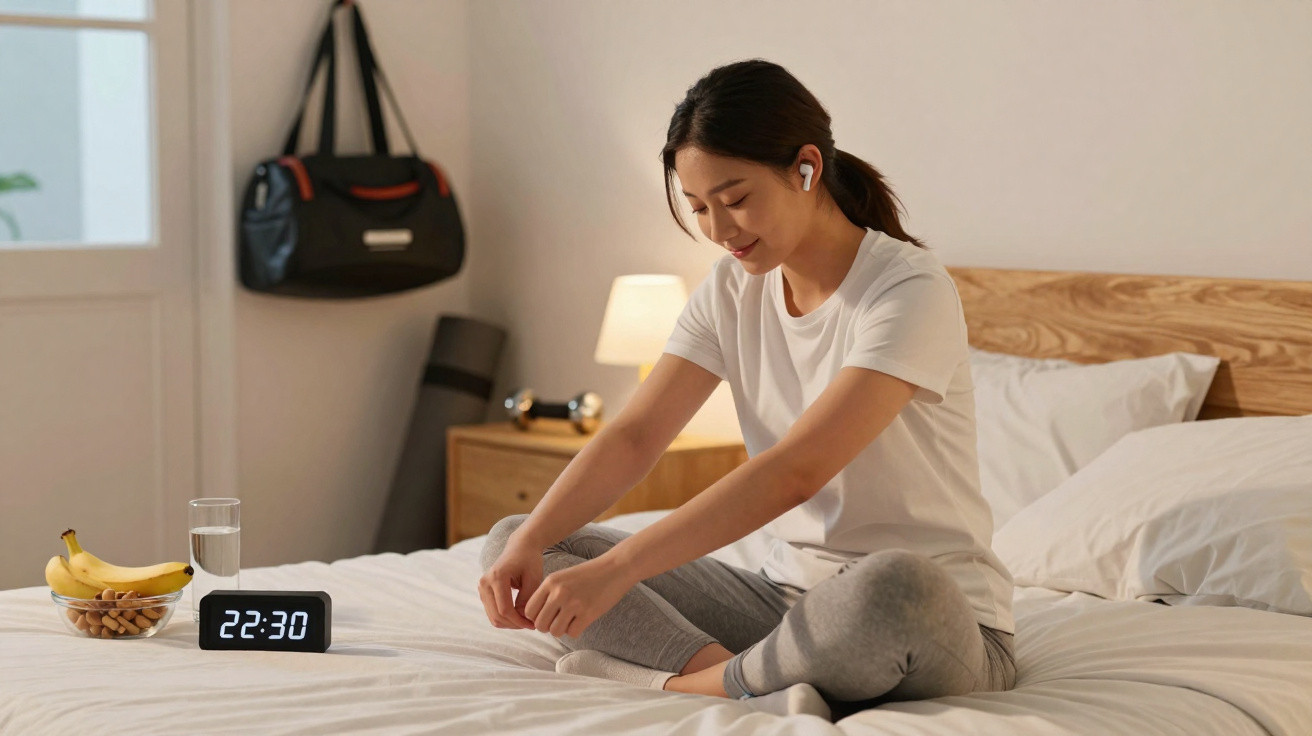
Between a good night's sleep and lying awake for hours, the difference is often small.
Many working people know the situation: the only free time for exercise is in the evening. At the same time, there is the worry of then lying awake in bed for hours. Is it still okay to go running, to the gym or to yoga in the evening – or does it ruin every night? The answer is far more nuanced than old advice suggests.
Being active in the evening does not automatically mean sleeplessness
Why the old myth is not that simple
For a long time, the rule was that anyone who exercises in the evening cannot fall asleep. This sweeping claim persists, but it barely reflects what most people actually experience. Bodies respond very differently, depending on the type of exertion, the timing and individual predisposition.
Many evenings follow a familiar pattern anyway: after dinner, people sit in front of a laptop or phone, scrolling through social media with their eyes fixed on the bright light of the screen. This very routine, combined with complete inactivity, disrupts sleep far more than a moderate workout.
“For many people, evening exercise is not the problem; it is evening lethargy on the sofa combined with constant screen-watching.”
Anyone who spends the whole day sitting in an office may be denying themselves their only opportunity for movement with a strict “no exercise after 6 pm” rule. A more useful question is this: which type of training suits the evening – and which type does not?
When exercise really disrupts sleep: too hard, too late, too much
High-intensity training slows melatonin production
The crucial issue is rarely the time alone, but the sheer intensity of the session. Late workouts with a very high heart rate, such as intensive interval training or a demanding CrossFit class, put the body into a genuine state of alarm.
The body then releases messengers such as adrenaline and cortisol. Heart rate and blood pressure rise, concentration shoots upwards and every muscle is “charged up”. At this point, the body's internal systems are working against what they are meant to do shortly afterwards: wind down and become tired.
Normally, levels of the sleep hormone melatonin rise in the evening. An extreme workout delays this process – much like a strong coffee shortly before bed. You will eventually fall asleep, but it takes longer and the night feels less restorative.
Gentle movement works like a natural sleep aid
Anyone who does not want to give up evening exercise is better off choosing moderate sessions. They activate the body without switching it into “fight mode”. Typical options include:
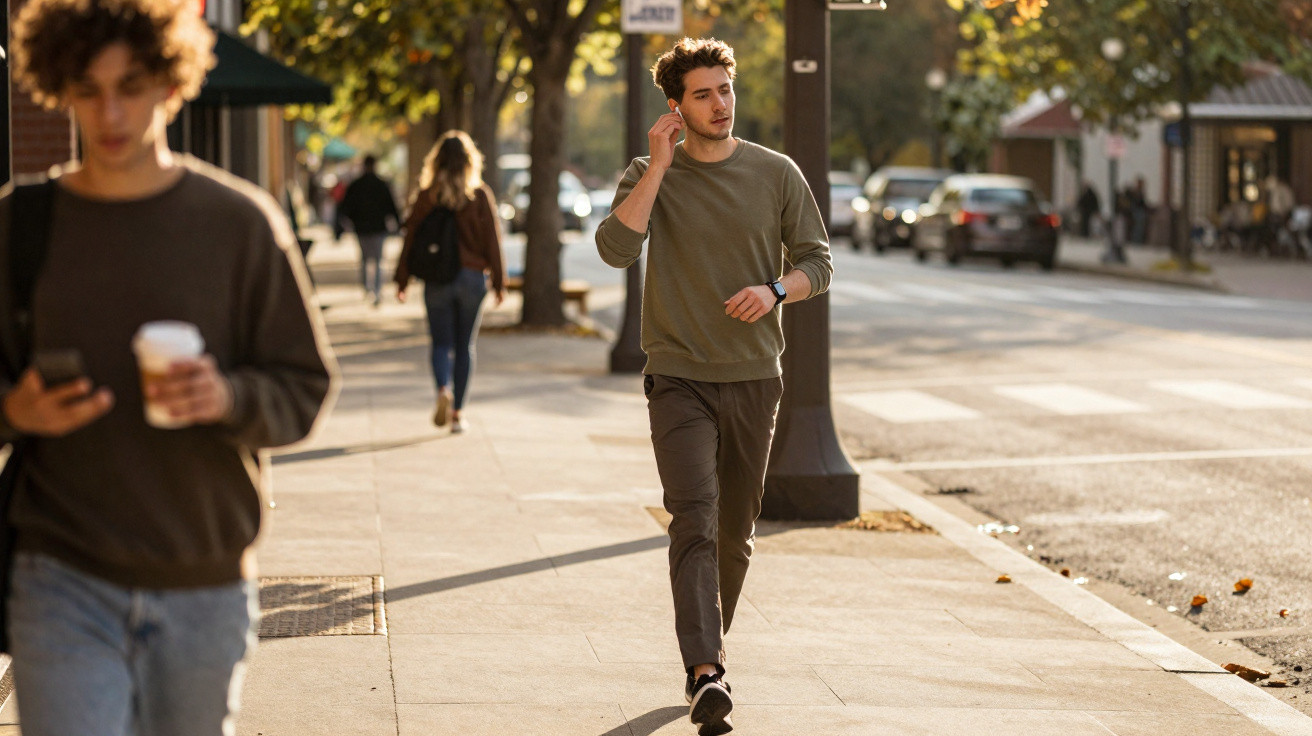
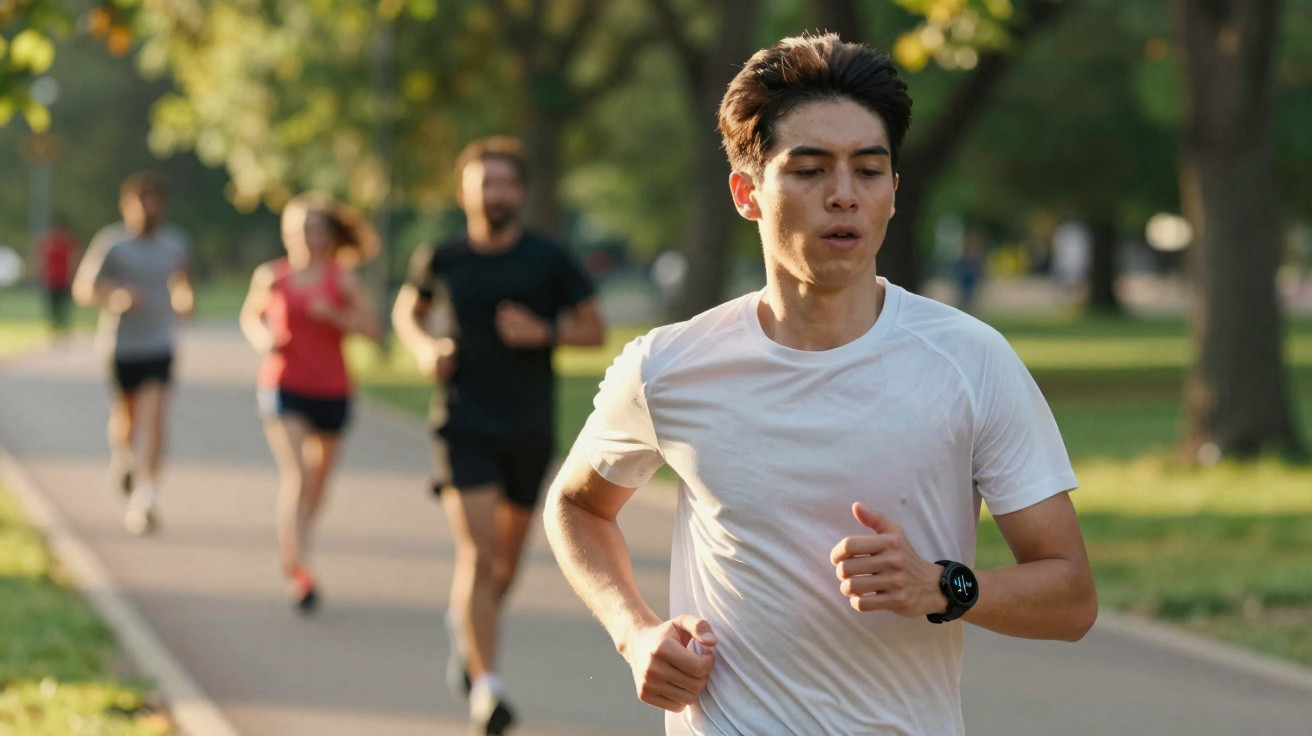
- brisk walking or easy jogging
- relaxed swimming
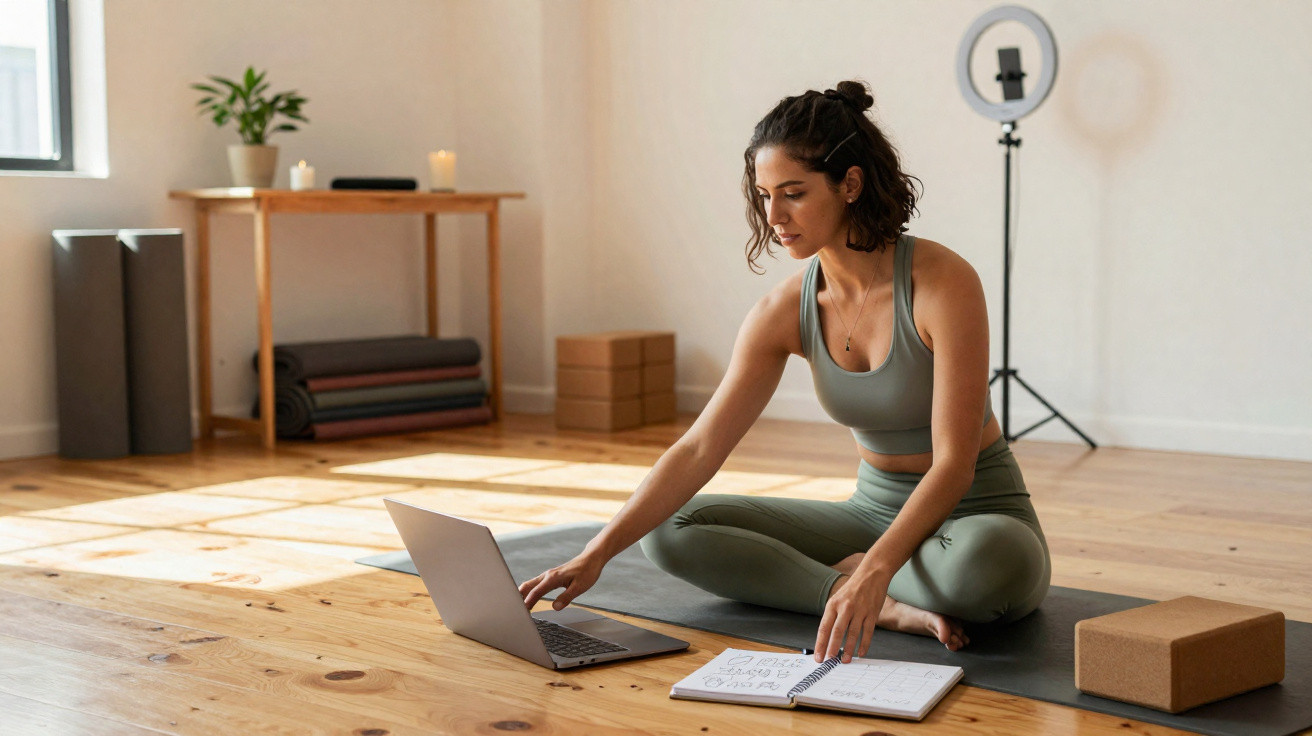
- yoga or Pilates
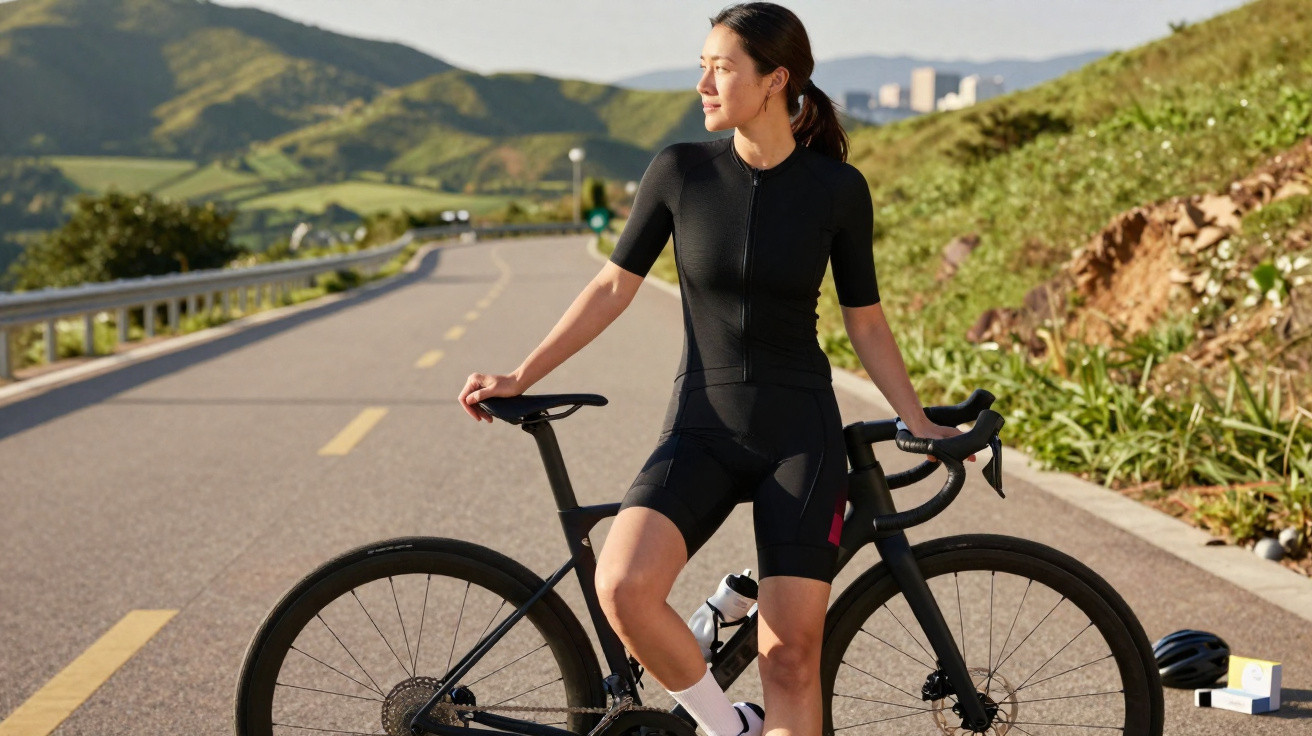
- gentle cycling without competitive ambitions
- stretching and mobility exercises
These activities reduce internal tension, improve breathing and release tight muscles. The autonomic nervous system is more likely to shift towards rest and recovery. Many people report pleasantly “tired” muscles and a clearer head after a calm evening outing – ideal conditions for restorative sleep.
“An adapted evening workout can act as a transition ritual: out of work mode and into night mode.”
Chronotype: lark, owl – and what it means for your training
Why your own rhythm matters more than blanket rules
People operate differently. Some wake naturally early and perform best in the morning, while others only truly come alive in the evening. This internal rhythm, often called a chronotype, plays a greater part in planning exercise sessions than many people realise.
Anyone who is naturally wide awake in the morning and regularly fades after 9 pm will find intense evening workouts difficult to cope with. Their system is ready for a resting phase, so training can feel as though it is “working against the body”. Late sessions may then genuinely lead more often to difficulty falling or staying asleep.
People who are more active late in the day have it easier: they already experience an energy peak in the evening, often find exercise at this time pleasantly stimulating and still fall asleep well – provided the intensity stays within reasonable limits.
Listen to your body rather than rigidly following a plan
Your individual response remains decisive. It makes sense to observe how your body reacts to evening sessions over several days or weeks. A simple note-taking system is enough:
- record the time and type of training
- assess the perceived intensity, for example on a scale of 1 to 10
- note your sleep duration and how rested you feel the following morning
If gentle sessions leave you calm, relaxed in bed and sleeping through the night, you seem to have found a suitable balance. If symptoms such as a racing heart, repetitive thoughts or inner restlessness keep occurring, the bar is probably too high – whether in pace, duration or timing.
The role of body temperature: too hot to fall asleep
Why an overheated body finds it harder to switch off
For tiredness to set in, the body lowers its internal temperature slightly in the evening. This small “cooling step” is a fixed part of the natural process of falling asleep. Exercise, however, generates heat: muscles work, circulation and metabolism run at full speed, and the body warms up.
If this warmth remains in the system for too long, the signal no longer fits the intended bedtime. You lie in bed, toss and turn, throw off the duvet, feel briefly cold, then pull it back over yourself – while the body searches for its temperature sweet spot.
“Often it is not the mind, but simply a body that is too warm, which prevents sleep.”
Why a lukewarm shower is better than an ice-cold rinse
After training, many people instinctively opt for a cold shower. It feels refreshing in the short term, but can be counterproductive. Ice-cold water constricts blood vessels, trapping more heat inside the body. The cold shock can also make you feel alert again.
A lukewarm shower is more suitable. Blood vessels widen slightly, increasing blood flow to the skin and allowing excess heat to escape more easily. As the water then evaporates from the skin, it creates an additional cooling effect. This supports the natural drop in temperature that prepares the body for sleep.
The right timing: the two-hour rule for good sleep
Why a buffer between training and bed helps
A useful guideline is to leave at least two hours, preferably a little more, between finishing exercise and going to bed. During this period, heart rate, blood pressure, breathing and hormone levels can settle back into rest mode.
If you want to sleep at 11 pm, ideally plan to finish your workout between 8 pm and 9 pm. This buffer is suitable for a shower, a light meal, brief stretches or a calming evening ritual – a book, music or conversation, rather than a bright screen.
What to put on your plate after training
Post-exercise nutrition has more influence on the night than many people assume. The body needs nutrients for recovery, but a large, fatty meal sends digestion and circulation into overdrive – exactly the opposite of what should happen shortly before sleep.
A good compromise:
- a moderate portion rather than an extra-large plate
- easy-to-digest protein sources such as yoghurt, quark, eggs or poultry
- some wholewheat pasta, rice or bread to replenish energy stores
- fruit or pulses, which provide building blocks for sleep-promoting messengers
- enough fluids, but no large quantities to drink immediately before bed
People who are sensitive should avoid very spicy food, lots of fat and late alcohol. A mild herbal tea blend can provide additional support during the transition to a calmer state.
How to find your personal evening exercise formula
The most important adjustments at a glance
| Factor | Sleep-friendly option | Potential problem |
|---|---|---|
| Intensity | moderate, steady heart rate | very hard interval or strength training |
| Time | finish 2–3 hours before bedtime | training immediately before bed |
| Type of activity | yoga, easy running, swimming, stretching | competition, intense physical comparison |
| Temperature management | lukewarm shower, a calm cool-down period | ice-cold shower, straight onto the sofa under a blanket |
| Mental state | stress relief, focus on breathing | racing thoughts, using a phone immediately after exercise |
Practical tip: test for one week, then fine-tune
Anyone wanting to know whether evening exercise suits them should plan a short trial period. For one week, include a fairly gentle session on three to four evenings, keep consistent bedtimes and document how you feel. Patterns become visible after just a few days: is falling asleep easier or harder? How alert do you feel in the morning?
Based on these observations, you can adjust the key factors: bring the time forward, slightly increase or reduce the intensity, or change the type of training. Some people quickly find that yoga at 8 pm helps them switch off wonderfully, while fast sprints at 9 pm leave them completely out of sync.
Additional insights: stress, caffeine and screen time
When daily life, rather than exercise, steals your sleep
Many people automatically blame sleepless nights on training, while overlooking other factors. Late coffee, stimulating energy drinks, constant availability and an argument shortly before bed can pull the body out of its relaxed state just as much.
Those who exercise in the evening especially benefit from making the rest of their routine as sleep-friendly as possible: gradually cut back on caffeine from the afternoon, finish emails and chats in good time, dim the screen or put it away altogether. Exercise can then serve as an outlet for releasing the day's stress, rather than becoming the scapegoat for every bad night.
With a clear focus on intensity, timing, your own rhythm and your surroundings, evening exercise can in many cases be compatible not only with good sleep, but can be used deliberately to bring body and mind into the calm they need.










Comments
No comments yet. Be the first to comment!
Leave a Comment