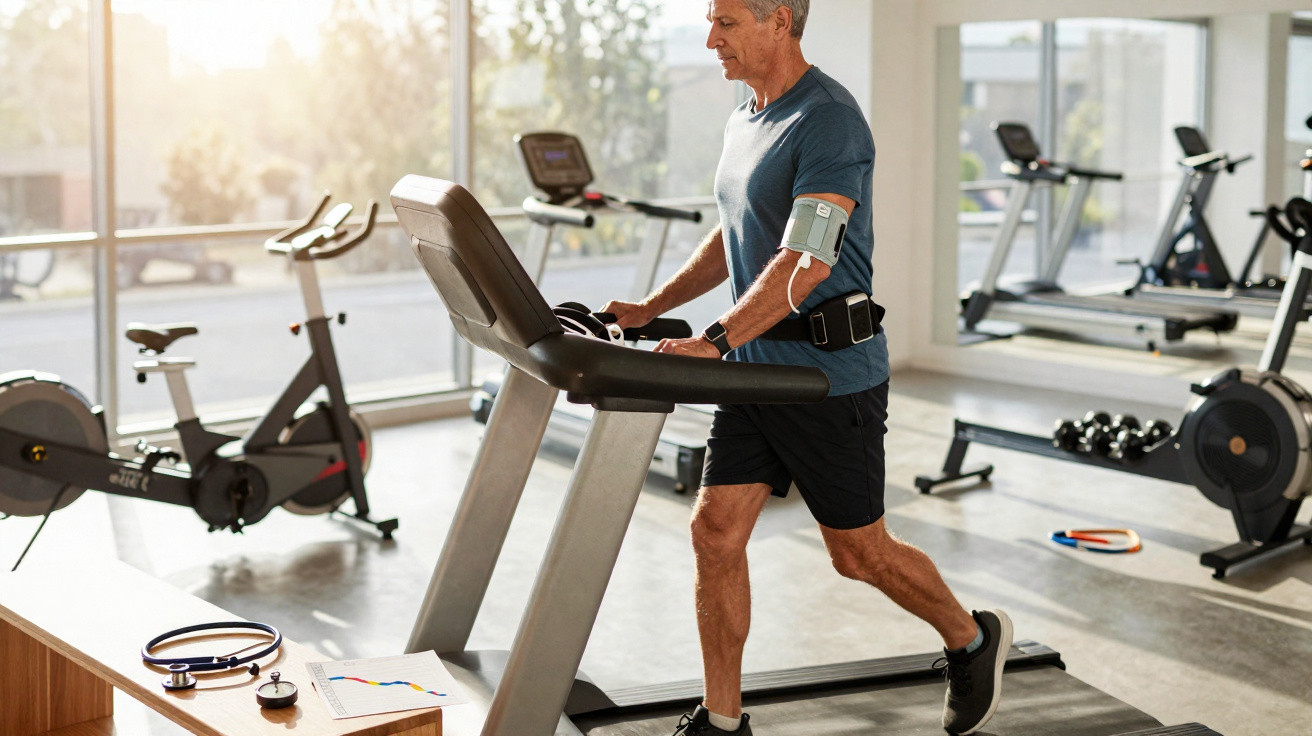
People with high blood pressure are routinely advised to be more active, with the list of options steadily expanding: walking, jogging, cycling, weight training, HIIT, yoga, Pilates and weekend football. Most doctors simply advise choosing an activity that suits your life and sticking with it.
A new Brazilian review has put that guidance to the test. It directly compared eight forms of exercise in more than 1,300 adults, measuring blood pressure over an entire 24-hour period rather than at one point in a clinic. Its rankings challenge some long-standing guideline messages.
The 24-hour difference
For decades, research into exercise and hypertension has largely depended on readings taken during brief appointments at the doctor's surgery. Blood pressure was recorded with a single cuff, at a single time, producing one measurement.
But that brief reading cannot capture the remaining 23 hours: the rise before a meeting, the fall during sleep or the gradual increase through a stressful afternoon.
A substantial body of research suggests that all-day measurements predict cardiovascular risk much more accurately than clinic snapshots. This approach is known as ambulatory blood pressure monitoring.
It uses a small wearable monitor. The cuff attaches to a belt, inflates every 15 or 30 minutes throughout a day and night, and records changes in pressure during sleep, work and everything in between.
Eight exercise types compared
Dr Rodrigo Ferrari, a cardiology researcher at the Universidade Federal do Rio Grande do Sul (UFRGS) in Porto Alegre, Brazil, led a team assessing every major exercise type that has so far been studied using 24-hour monitoring.
The researchers combined 31 randomised trials covering 67 individual exercise groups and 1,345 adults diagnosed with hypertension. Each intervention lasted for at least four weeks.
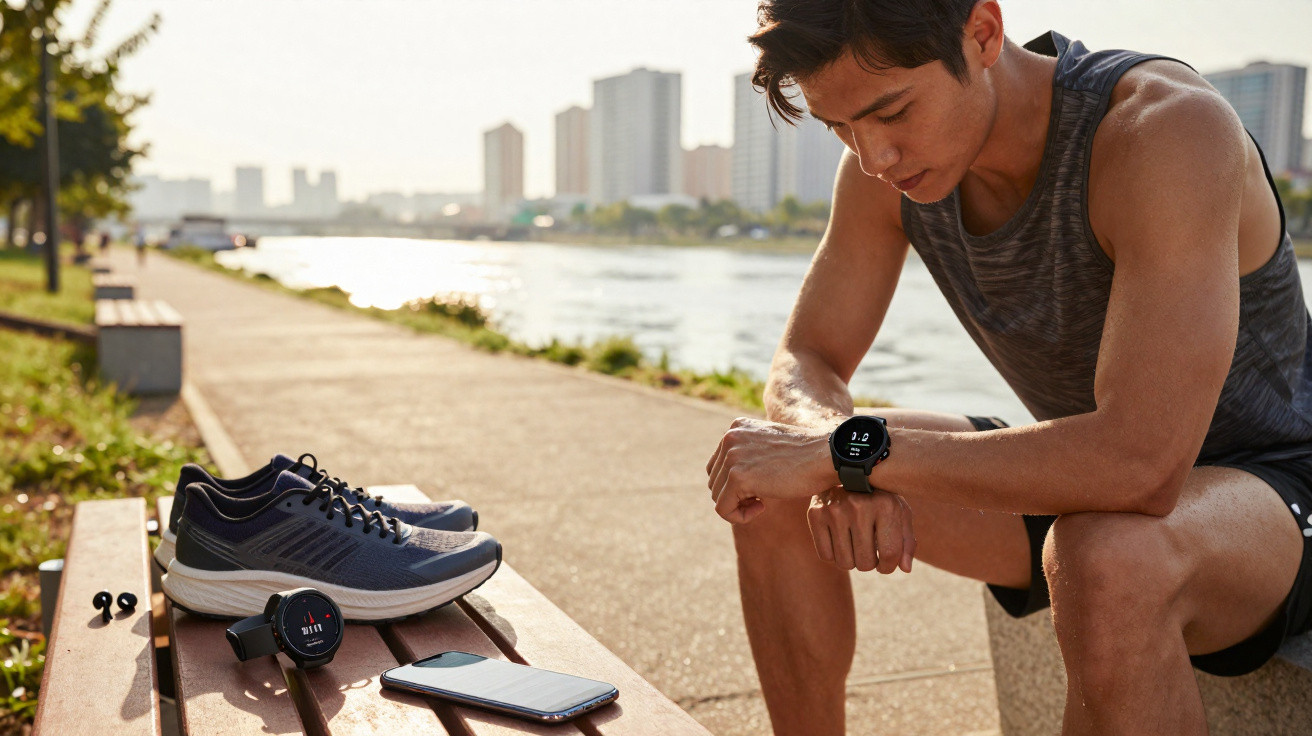
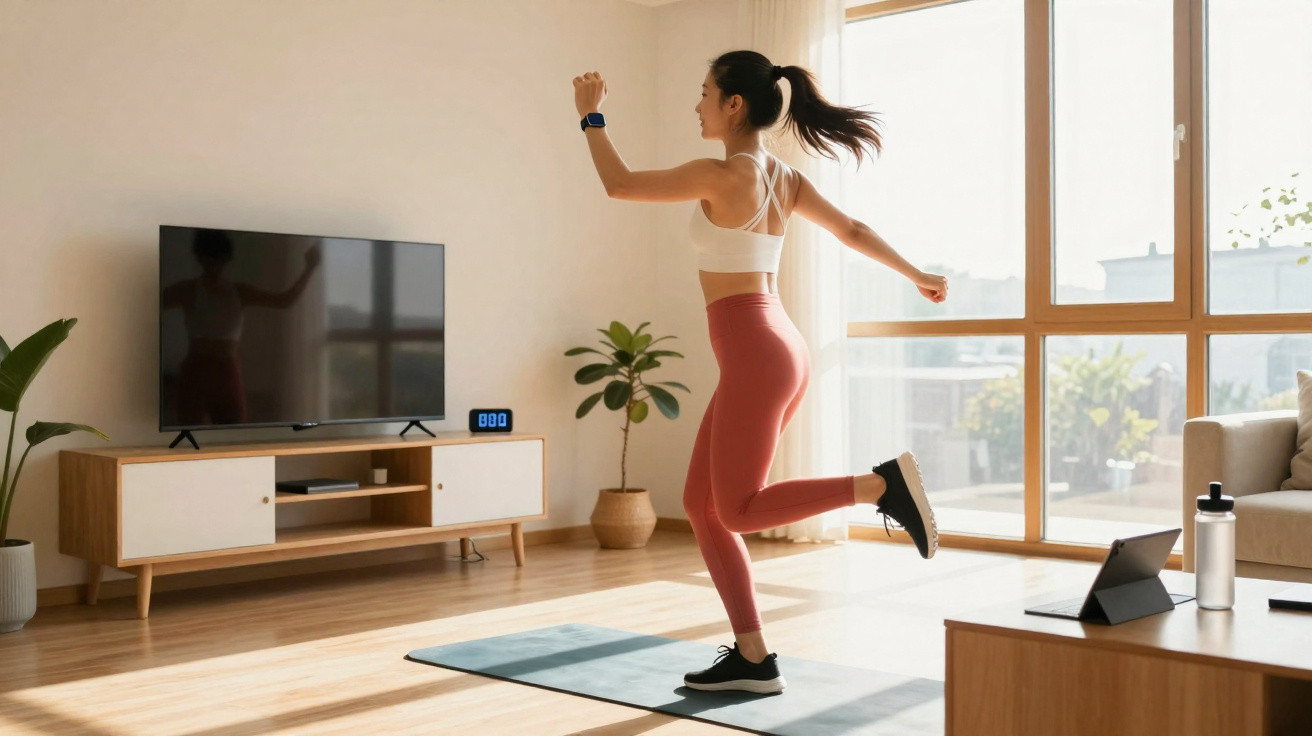
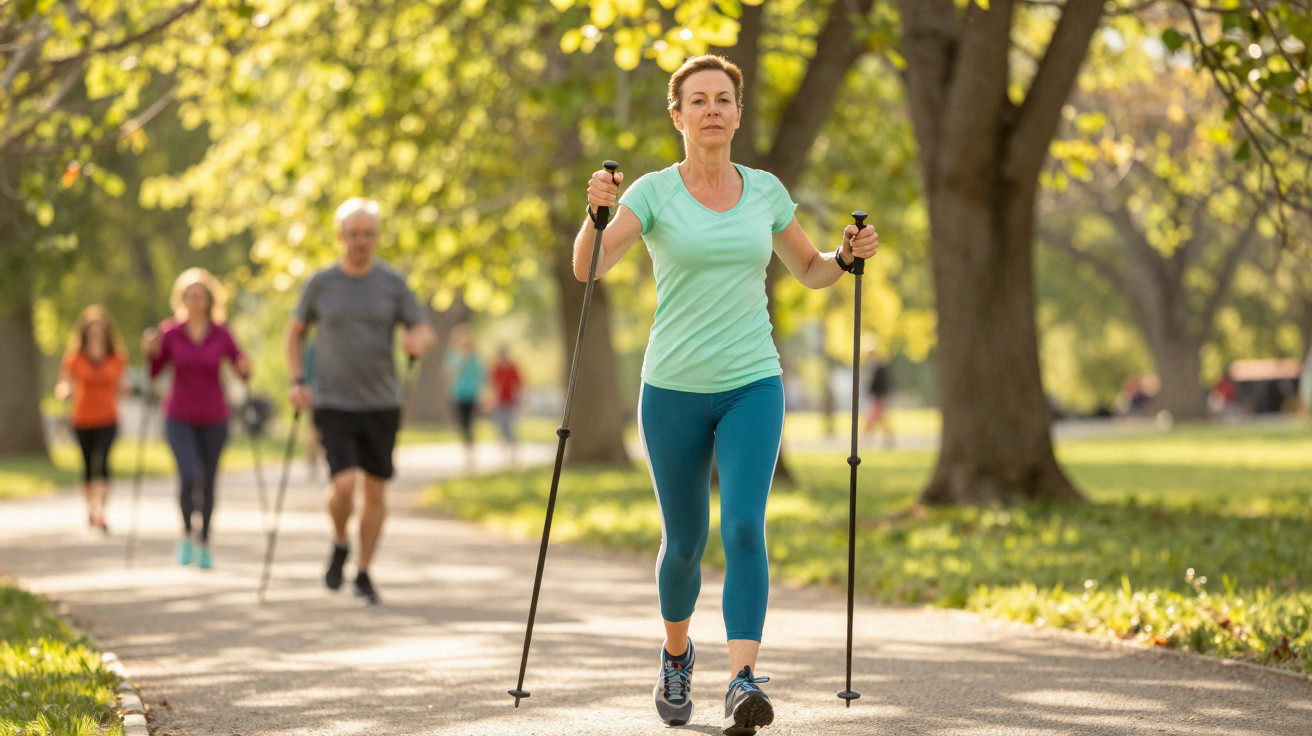
The eight exercise modalities were continuous aerobic activity such as walking or cycling, HIIT, combined aerobic and weight training, resistance training alone, isometric exercises such as wall sits, Pilates, yoga and recreational sports including football.
Systolic blood pressure ranking
For systolic pressure - the upper number, measured as the heart pumps blood out - combined training came first, reducing the daily average by 6.18 mm Hg.
HIIT was next with a reduction of 5.71 mm Hg, while aerobic exercise alone reduced it by 4.73 mm Hg. All three results fell within the range that hypertension specialists regard as clinically meaningful.
A sustained reduction of five points across a full day can move people away from borderline levels and reduce long-term stroke risk, without requiring a prescription.
A diastolic surprise
The order changed for diastolic pressure - the lower number, representing pressure while the heart relaxes. HIIT ranked first at 4.64 mm Hg, closely followed by Pilates at 4.18. Combined training reduced it by 3.94, and aerobic exercise by 2.76.
Pilates reaching the diastolic top group surprised the researchers. Previous trials had indicated a possible benefit, but no review had identified it from 24-hour data in adults with hypertension.
The team described the finding as encouraging rather than ready to shape guidelines. Pilates studies remain limited, involving small samples and differing protocols between research centres.
Where aerobic exercise wins
The unadjusted figures favoured combined training and HIIT, but aerobic exercise stood out for consistency. It was the only modality to lower blood pressure during the day, at night and across the 24-hour average, with every result clearly significant.
Aerobic training is supported by bigger and better-quality trials, and its effect appears regardless of when the cuff records a measurement - whether someone is working, asleep or standing in a shop queue.
Night-time blood pressure is closely linked to long-term cardiovascular risk, and aerobic exercise was the only modality that consistently reduced it over a complete night's sleep.
“The most effective strategy for lowering ambulatory blood pressure is to prioritize aerobic exercise as the foundation of your routine,” said Ferrari.
Weight training falls short
The sharpest reversal involved resistance training and isometric exercise. Both have been advocated for years as useful tools for blood pressure, and some earlier reviews placed isometric exercise above every other category for lowering clinic readings.
However, when the Brazilian team restricted its analysis to 24-hour ambulatory data, neither achieved statistically significant reductions.
Neither type of exercise significantly reduced systolic or diastolic pressure. Improvements seen in office measurements did not persist when blood pressure was tracked throughout the day.
The team suggested a mechanical explanation. Aerobic activity keeps blood vessel walls expanded and flexible, whereas heavy lifting can temporarily stiffen arteries while they are under strain. Clinic cuffs may record the drop after a workout without reflecting the underlying all-day pattern.
The limitations
Several constraints qualify the findings. Many trials involved small participant groups, adherence information was incomplete, side effects were not consistently reported and exercise programmes were classified differently between studies.
For most comparisons, the quality of the underlying evidence was judged low or very low using CINeMA, an international framework for assessing confidence in pooled results.
Combined training and HIIT produced strong findings, but their evidence base is less extensive than that for aerobic exercise, which has been supported by high-quality trials for decades.
What changes now
Continuous or interval aerobic exercise now has the strongest evidence for reducing 24-hour blood pressure in adults with hypertension. HIIT and combined training also stand as sound evidence-based choices.
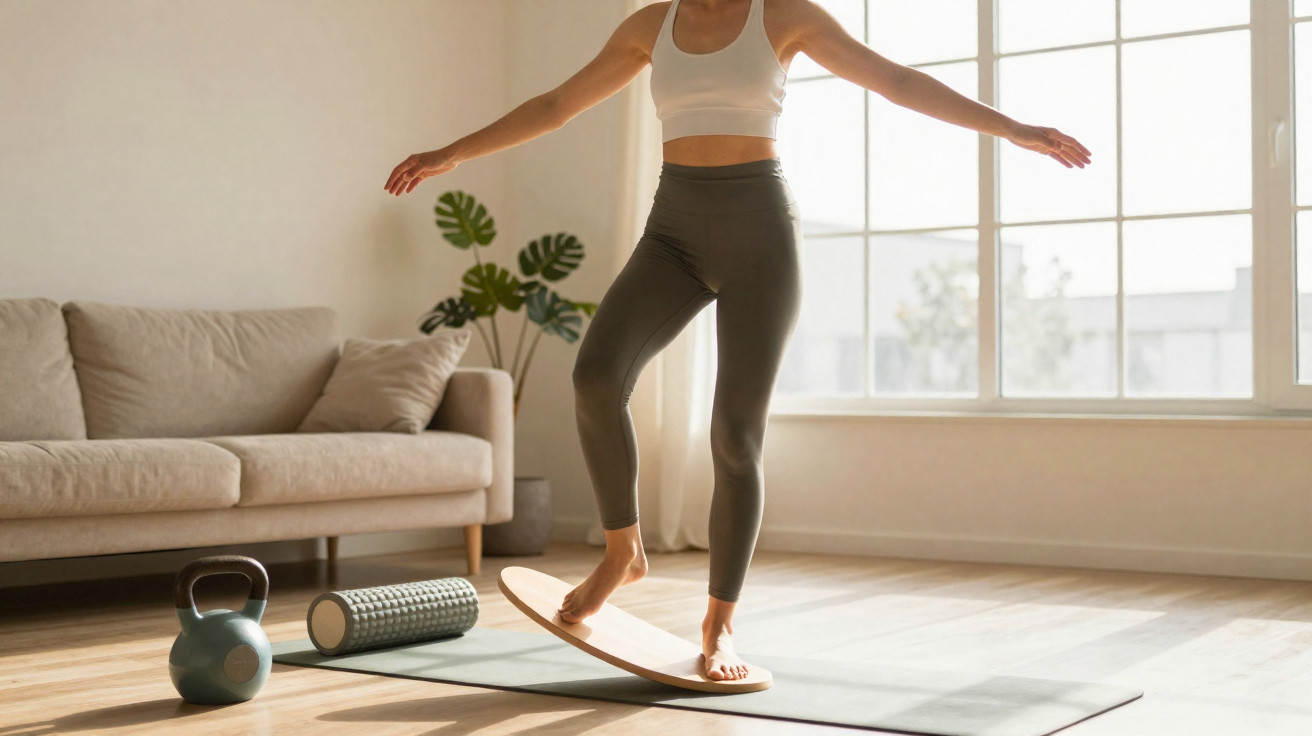
Resistance and isometric exercise have not been ruled out, but their place has become more limited. They can support treatment rather than lead it. Pilates has gained some support for diastolic pressure, although the evidence is not yet conclusive.
For doctors, there is now a different benchmark for prescribing exercise. Advice should be judged by how blood pressure behaves throughout a full day, rather than solely by a cuff reading during an office appointment.
For patients, the message is straightforward: the best workout for blood pressure is the one the heart responds to, not the one that is easiest for the clinic to measure.











Comments
No comments yet. Be the first to comment!
Leave a Comment