
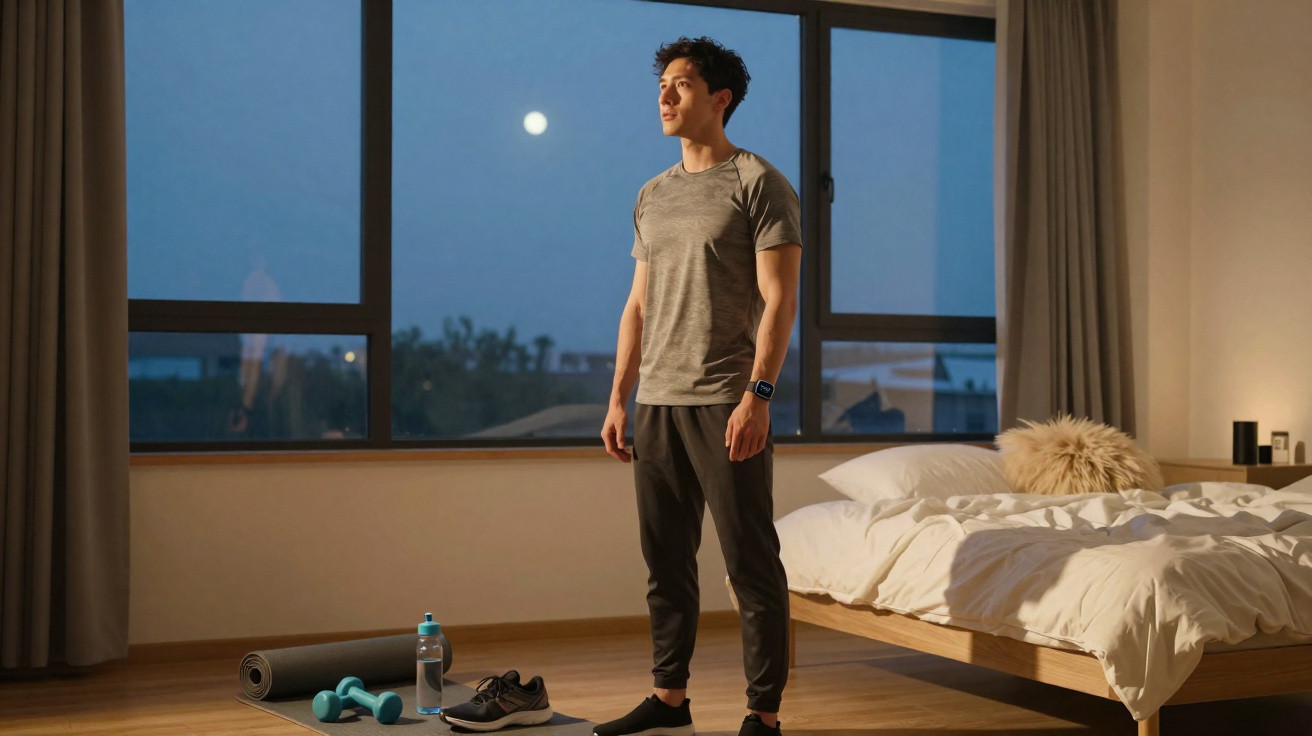
Everyone instinctively reaches for their phone, checks messages or posts a workout screenshot. Only one person pulls on a jacket, heads down the stairs and steps into the cool evening air. No more sprints, no more ambition - just a slow walk around the block as the streetlights come on. The shoulders drop, breathing settles and the view broadens. Five, perhaps ten minutes. No longer. Yet in that short window, something happens in the body - and the mind - that many people seriously underestimate.
When the workout ends, something else begins
At the gym, the end of a demanding workout can feel abrupt: music off, timer stopped, shake in hand, out the door. But the body works in waves rather than clean breaks. Your heart is still pounding, your muscles are full of lactate and neural pathways are still firing. It is precisely in this suspended moment between full throttle and everyday life that your recovery is decided. A brief cool-down walk creates a gentle transition. It is no longer exercise, but it is not the sofa yet either. Simply walk, breathe and arrive.
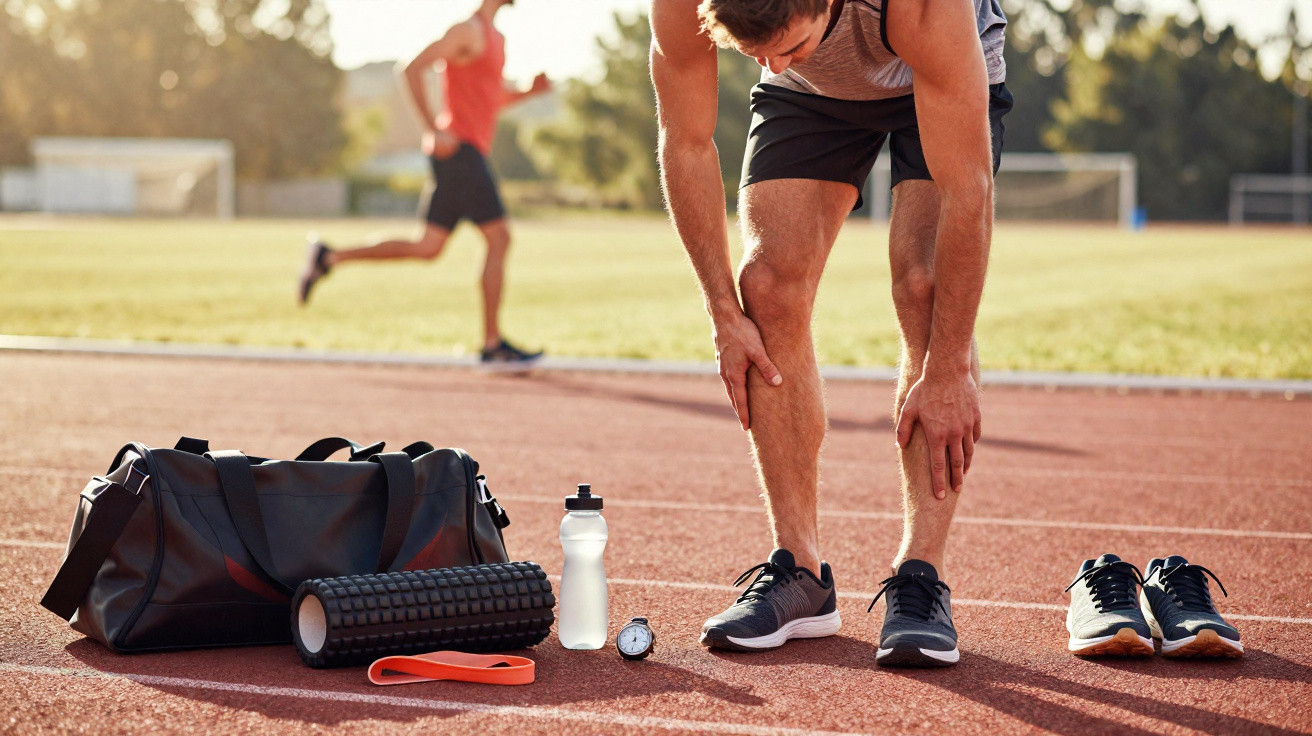
We all know the feeling: after hard interval training or a leg day, the first step on the stairs home feels like a small assault on the body. Rather than collapsing into the car after your final set of squats, give your system a runway with five to ten minutes of walking. Your heart rate comes down one step at a time, while your mind gradually shifts from “fight mode” to “okay, I’m still alive”. Suddenly, your hands feel warmer and your vision clearer. The painful pump turns into the calmer sense of “good work done”.
Put plainly, your cardiovascular system benefits from transitions. During a cool-down walk, the muscles stay gently active, veins work more effectively and blood and metabolic by-products are less likely to pool in the working muscles. This can reduce the likelihood of dizziness, head pressure or that odd racing-heart sensation in the car or on the sofa. At the same time, your nervous system gets a chance to breathe because it recognises that the threat - the hard workout - has passed. In this exact switching phase, a surprising, almost quiet effect develops that you often only notice later in the day.
How to make a cool-down walk genuinely worthwhile
A useful cool-down walk is not a second workout. It is more like a short walk after an intense conversation: slower, more deliberate and without a target time. Begin immediately after your final set or last sprint; do not wait 20 minutes. Walk for 5–10 minutes at an easy pace where you could chat without effort. Breathe in through your nose and breathe out through your mouth slightly more slowly. Imagine that each exhale is sending away the last of the tension. If you walk outside, your surroundings do much of the work for you: sounds, air and light all help pull your mind away from training mode.
Let’s be honest: hardly anyone does this every day. We rush out of the gym because appointments are waiting, children need collecting or hunger is setting in. This is exactly where the usual mistakes happen. Many people stop moving from 100 to zero, then wonder why they have a headache, leaden legs or sleepless nights after evening workouts. Others walk their cool-down too quickly, treating it like “mandatory cardio”, and lose the relaxing benefit. Try to see it as a ritual rather than a task. A short lap around the block or one circuit of the gym is enough. Even if it is only three minutes, anything is better than immediately getting into the driver’s seat.
A seasoned coach once told me after a HIIT class:
“The workout does not end with the final beep of the clock; it ends when your nervous system realises that you are safe again.”
That captures it perfectly. On a cool-down walk, your heart rate does not simply fall; your internal state changes. Stress hormones such as adrenaline and noradrenaline gradually ease off, while your parasympathetic nervous system - the part responsible for rest and digestion - regains more control. Many people say that, after these few minutes, they feel more organised mentally as well as physically. Thoughts become clearer and the internal noise quietens. This is not an esoteric effect, but biology you can access with very little effort.
- Less of a muscle-soreness feeling: Gentle movement keeps blood flow elevated, allowing metabolic by-products to be cleared more evenly.
- A steadier circulation: The shift from high exertion to rest is smoother, reducing dizziness and after-effects.
- Better sleep: Particularly after evening workouts, the body moves more quickly from an alarm state into recovery.
Why this brief cool-down walk says more about you than your bench PR
At its core, the cool-down walk is a small test of character. Not of whether you are disciplined enough to do even more, but of whether you are willing to give yourself this calm, unremarkable transition. Those who focus only on performance, numbers and “no pain, no gain” often leave out the quieter moments. Yet that is where sustainability lies. In everyday life, with work, family, stress and too little sleep, the real game changer is not the perfect training programme, but the total of small routines that help your system wind down. A short walk after your workout sends a clear message: I am not just a machine; I am human.
Over time, you may notice that this post-workout walk spills into other areas of life. After a stressful meeting, you might suddenly take two minutes to walk to the printer instead of rushing straight into the next call. Or you may take a quick lap around the house after an argument before replying. The principle is always the same: no harsh stop from 180 to zero. Instead, use a small ramp that brings you back to normal pace. Then, when you are sitting on the sofa in the evening, you feel less wrung out and more pleasantly tired. The difference is subtle - and that is often exactly what makes it so powerful.
Perhaps try it after your next workout, without a detailed plan or any tracking. Once you have finished your final set, sling your bag over your shoulder and do not go straight to the car; walk around the block first. Notice how your body responds, how your breathing changes and which thoughts arise. Give yourself this moment before stepping back into the outside world. After a few days, you may realise that the surprising effect of this short cool-down walk is not only physical. It is a quiet reminder that real strength lies not only in the sprint, but in how we find our way back out of it.
| Key point | Detail | Benefit for the reader |
|---|---|---|
| Gentle post-workout transition | 5–10 minutes of easy walking immediately after intense sessions | Steadier circulation, less dizziness and a more comfortable wind-down |
| Physiological effect | Improved blood flow, a gradual drop in heart rate and a nervous system shift from alarm to calm | Less of a muscle-soreness feeling, better recovery and more restorative sleep |
| Mental effect | A brief opportunity to organise thoughts and emotions after high-intensity periods | Greater inner calm, less lingering stress and a stronger routine for long-term fitness |
FAQ:
Question 1: How long should a cool-down walk after an intense workout last?
Between 5 and 10 minutes is usually enough. It is better to keep it short and do it consistently than to plan 20 minutes in theory and never do it.Question 2: Does the cool-down have to take place outdoors?
No. Walking through the stairwell, doing a lap of the sports hall or walking slowly on a treadmill also works. Fresh air simply often enhances the relaxing effect.Question 3: Does a cool-down walk count as additional cardio?
Not in the traditional sense. The intensity is so low that it serves recovery more than calorie expenditure - and that is exactly the point.Question 4: Is a cool-down walk also useful after moderate training?
Yes, although the difference is less dramatic. Even after moderate sessions, the transition helps guide the nervous system gently from activity into rest.Question 5: What if I genuinely have no time at all?
Then take 2–3 minutes. Walk slowly from the gym entrance to the car, breathe deliberately and keep your phone in your pocket. Even this mini version is better than stopping immediately.












Comments
No comments yet. Be the first to comment!
Leave a Comment