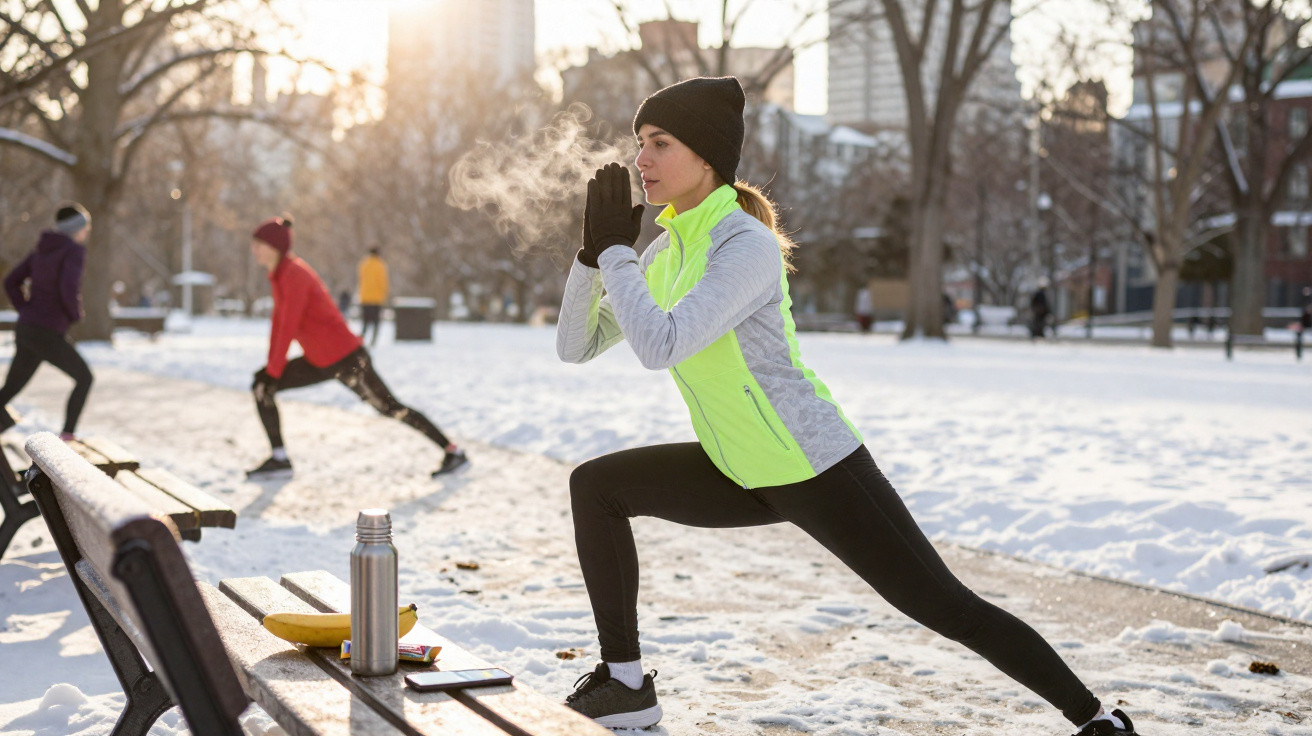
Exercising in cold weather can feel refreshing and energising, yet it also brings particular hazards, including slips, falls and injuries. For that reason, it is especially important to take care of your body both before and after an outdoor winter workout.
There are several reasons why cold conditions raise the likelihood of an exercise-related injury.
Firstly, low temperatures can have a marked impact on how muscles work. When muscle temperature drops below the body’s core temperature of 37°C, muscle tissue becomes tighter, less flexible and more prone to damage.
For each 1°C fall in muscle temperature, our capacity to generate force and power decreases by 4–6%. This matters especially during dynamic activities, such as running, which depend on explosive power and quick movements.
Secondly, cold weather narrows the blood vessels in the arms, legs, hands and feet, a process known as vasoconstriction. As a result, less oxygen-rich blood reaches the muscles being used.
Lower blood flow can hinder performance and slow metabolic processes, meaning recovery after exercise may take longer. In very cold conditions, coordination can decline and the extremities may become numb, which further increases the chance of slipping, misstepping and becoming injured.
The risk of injury remains even when temperatures are comfortably above freezing. Extended exposure to cold and wet conditions may cause microvascular damage - injury to the body’s smallest blood vessels - because blood flow remains reduced for a sustained period. This can impair tissue and nerve function, affecting coordination and reaction time while further raising injury risk.
Although exercising in the cold has its risks, there are many measures to take before and after a workout that can reduce the chance of injury.
1. Warm up properly
As cold muscles are tighter and more susceptible to strain, a thorough warm-up is vital.
Before exercising, try to warm up for 20 minutes. Begin with brisk walking, jogging, gentle cycling or another activity that gradually lifts your heart rate without becoming so demanding that you can no longer hold a conversation.
Include dynamic exercises, such as leg swings, walking lunges and arm circles, to increase both core and muscle temperature.
Leave static stretches until later in the session, when the tissues are warmer and more supple.
2. Layer up for cold-weather exercise
What you wear has an important role in maintaining body temperature and shielding you from cold-related stress. However, avoid clothes that are bulky or restrictive, as they can lead to overheating, interfere with natural movement and increase the risk of injury.
Instead, layer your clothing appropriately. Begin with a moisture-wicking base layer of natural fibres, such as wool, which can limit heat loss even when clothing becomes damp. Add an insulating middle layer, such as a lightweight fleece, followed by a breathable, wind-resistant outer layer.
Pay particular attention to the extremities, which are most at risk of losing heat. Gloves, hats and thermal socks can help retain warmth.
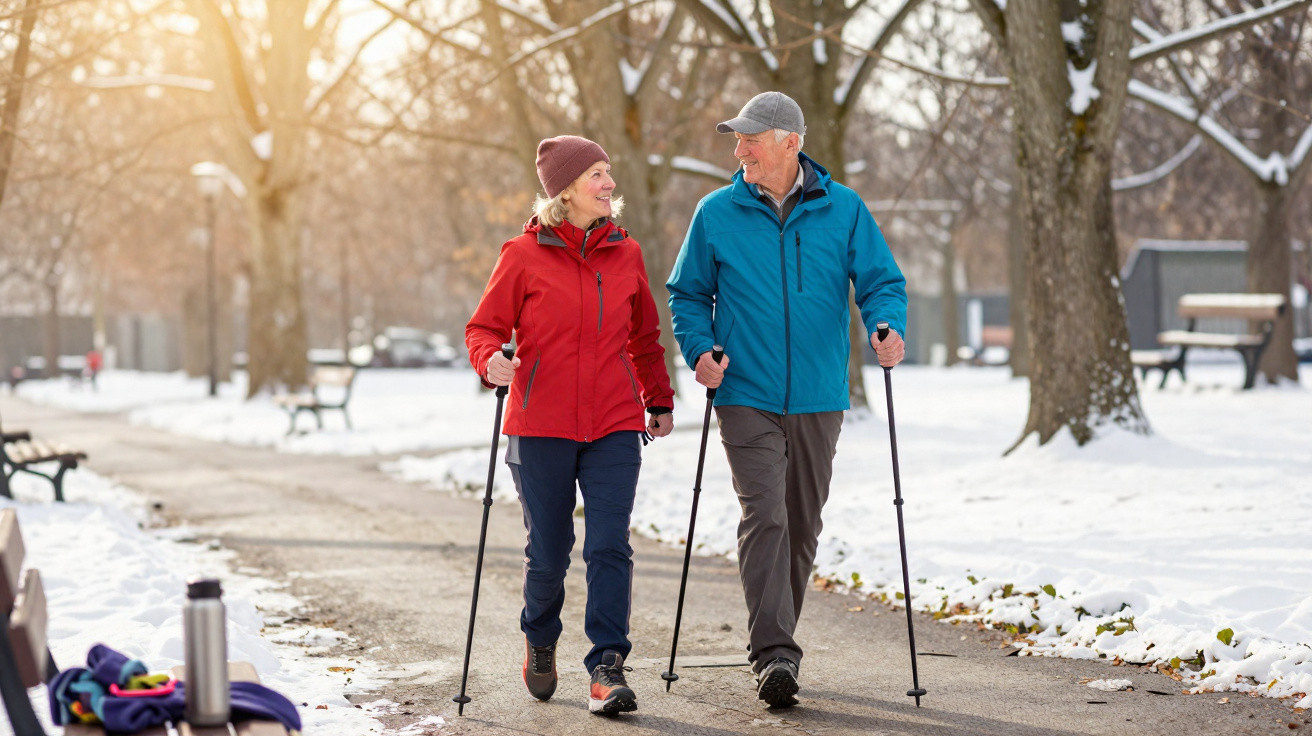
Wear footwear with effective grip, or consider using walking poles, to lower the risk of slipping on wet or icy ground. When exercising in low-light conditions, use a reflective outer layer to remain visible.
3. Fuel your workout
Drinking sufficient water matters just as much in cold conditions as it does in hot weather. Yet people may drink less when it is cold. Cold weather can also make it seem as though we are sweating less, masking dehydration and making proper hydration even more important.
Energy needs may increase in colder weather too. Shivering, heavier clothing and the extra effort required to exercise on snow or ice can all increase calorie burn. Ensure you eat enough to sustain energy levels, maintain performance and help the body manage cold temperatures.
Eat carbohydrate-rich foods before exercise, then consume protein and carbohydrates within 30 minutes to 2 hours of finishing a workout.
4. Check the weather
Before beginning any cold-weather exercise session, check the temperature, wind chill, moisture levels and ground conditions.
When conditions are especially harsh - for example, very strong winds, severe cold, ice or heavy rain - it is best to adjust the session or exercise indoors to reduce the risk of injury.
5. Cool down slowly
Aim to cool down gradually after exercising. Keep circulation moving and avoid a sudden reduction in blood flow to the extremities by doing light aerobic exercise, such as brisk walking. This helps ensure blood continues to circulate properly back towards the heart.
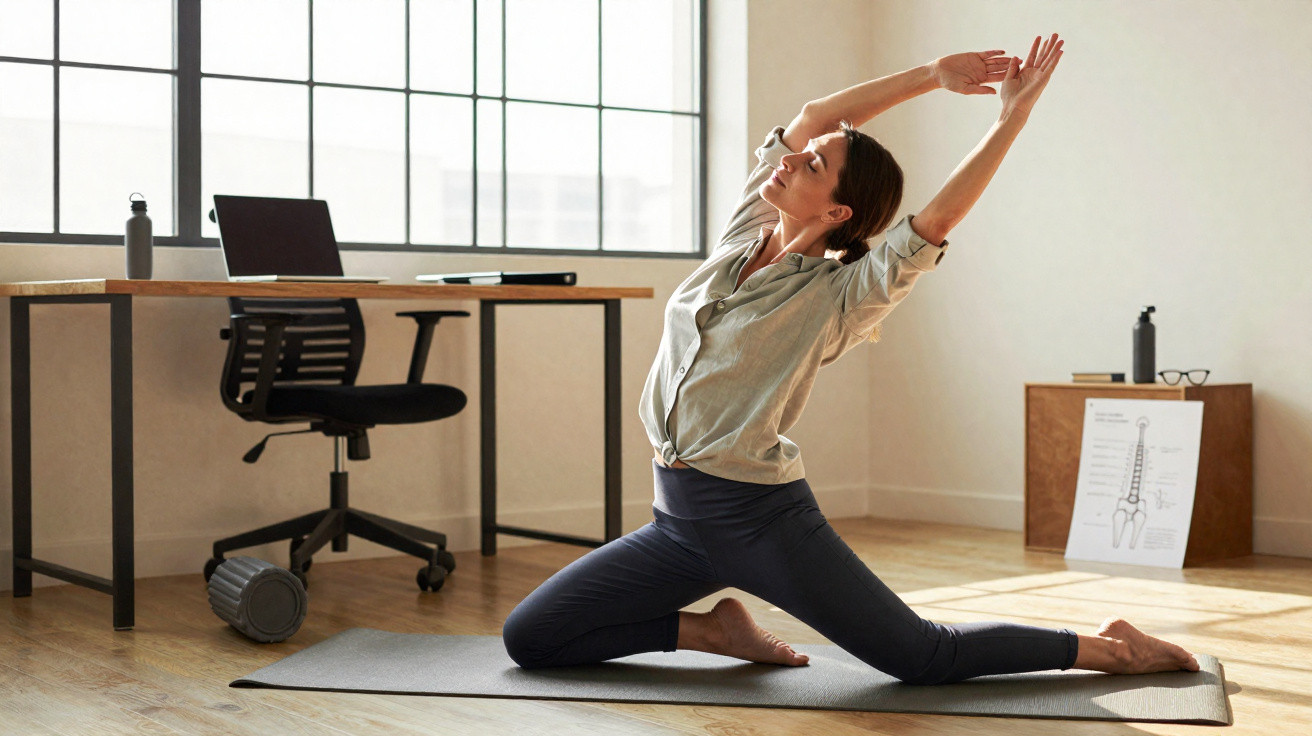
After your heart rate has fallen, do some static stretching, such as holding a hamstring stretch, to reduce muscle tightness and support recovery. It may also help you feel less stiff after exercise.
6. Change wet clothes straight away
Wet clothes greatly accelerate heat loss. Damp skin also cools far more quickly than dry skin, increasing vulnerability to hypothermia and other cold-related injuries, including frostbite.
Change into dry, warm layers as soon as possible after your workout to avoid injury and rewarm effectively.
7. Watch for signs of injury
Ongoing shivering, confusion and lethargy may indicate hypothermia. Numbness, or skin that is pale and waxy, can be signs of frostbite. If you experience any of these symptoms after exercising, it is important to address them promptly or seek medical advice.
Cold-weather exercise can be invigorating as well as beneficial. Taking suitable steps to reduce risks and prevent injury can keep outdoor training during the colder months safe, effective and enjoyable.
Jen Wilson, Senior Exercise and Health Practitioner, Nottingham Trent University and Athalie Redwood-Brown, Senior Lecturer in Performance Analysis of Sport, Nottingham Trent University
This article is republished from The Conversation under a Creative Commons licence. Read the original article.














Comments
No comments yet. Be the first to comment!
Leave a Comment