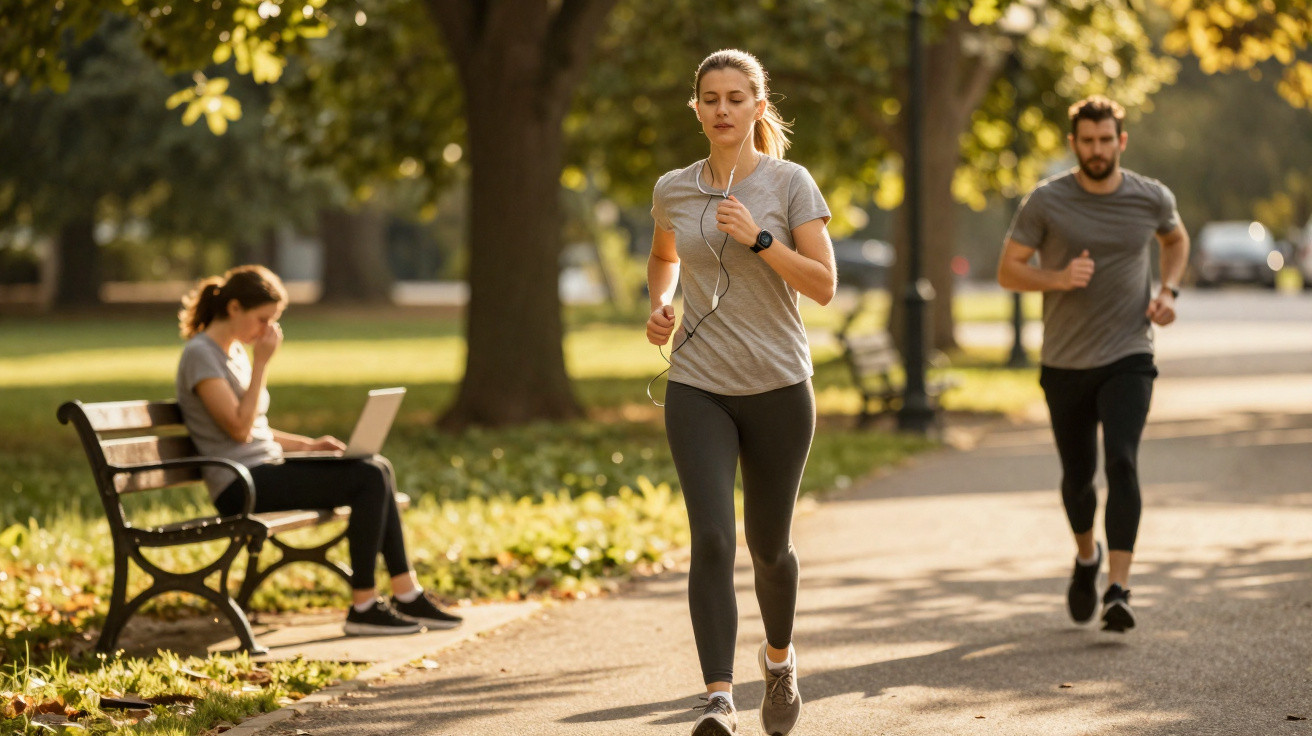
As waiting rooms fill with people living with anxiety, researchers are looking for ways to ease psychological distress without immediately turning to medication. A major Swedish long-term study now suggests that physical activity can substantially reduce anxiety - but the effect depends heavily on exercise intensity and a person’s mindset while training.
Why anxiety persists even when nothing objectively “bad” is happening
Anxiety disorders often emerge early in life, sometimes during adolescence. They can develop gradually, become habitual and affect not only mood but the body as well. People with chronic anxiety face a greater risk of depression, cardiovascular disease and a shorter life expectancy.
Many treatments have only limited success. Although medication and conventional psychotherapy help many people, a considerable proportion of patients relapse or experience only partial improvement. One reason is the close relationship between physical and mental health.
A racing heart, trembling hands and shallow breathing are not merely accompanying symptoms. They can further fuel anxiety. When people experience their body as unpredictable, they are more likely to develop the belief: “I can’t cope with this.” That very belief can then prevent the routines that could help, including becoming more physically active.
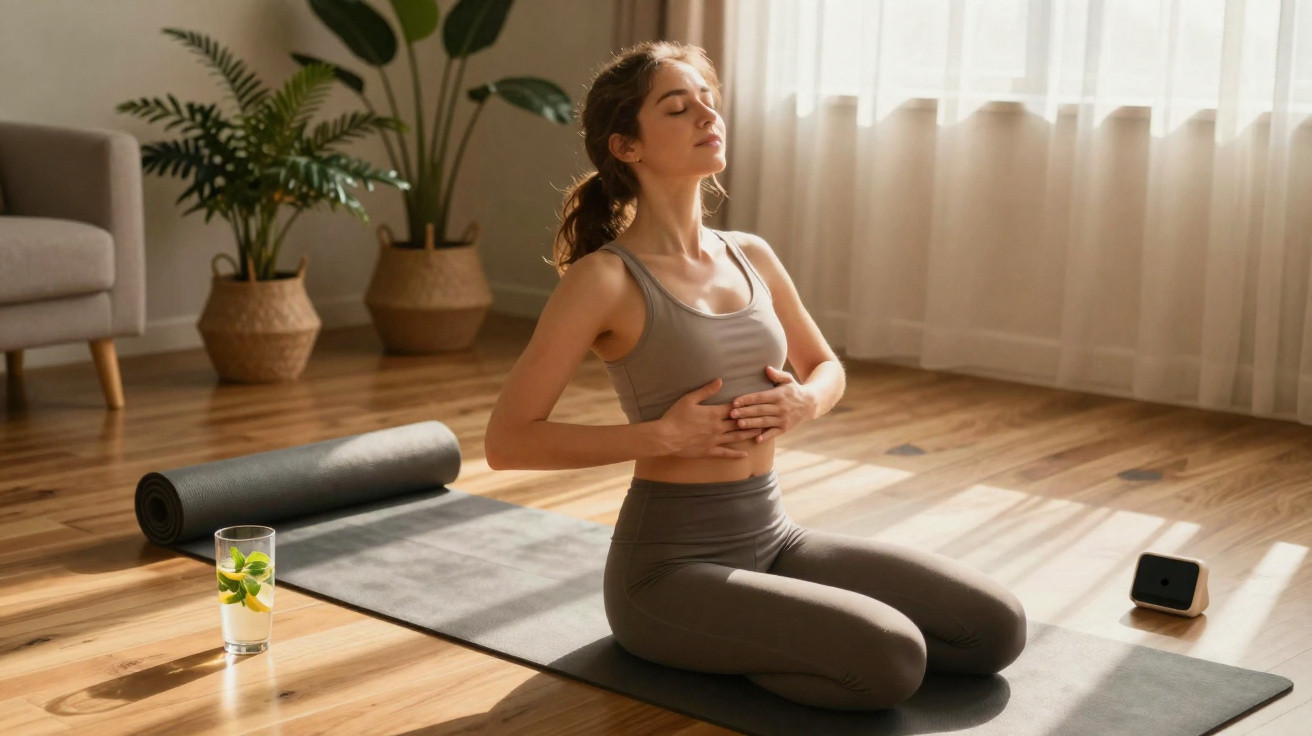
Mind-body approaches aim to interrupt this cycle. Breathing techniques, mindful awareness of the body and brief, practical exercises can help the nervous system regain a sense of direction. Many people, for instance, use “Box Breathing” - inhaling for four seconds, holding for four, exhaling for four, then holding for four - to gradually turn down their internal alarm system.
What the Swedish long-term study actually found
The idea that exercise can steady mental health is not new. However, the latest evidence from Sweden gives it considerable weight. Researchers followed almost 400,000 people over 21 years. Around half had taken part in the Vasaloppet, a renowned 90-kilometre cross-country ski marathon.
The findings were clear: over the following decades, people who completed this race were around 60 per cent less likely to develop clinically relevant anxiety disorders than those who had never entered.
“Being physically active over the long term - even at a demanding level - was associated with a substantially lower risk of anxiety disorders.”
The researchers adjusted the data for early diagnoses and other mental health conditions. The protective effect remained evident in both men and women. A meta-analysis of 14 prospective studies also supports this link: people who exercise regularly develop anxiety disorders less often.
What happens in the body when exercise reduces anxiety
Exercise affects biology on several levels. Key effects include:
- improved regulation of the stress hormone cortisol
- reduced chronic inflammatory processes in the body
- altered connections between nerve cells in the brain
One important component is BDNF (Brain-Derived Neurotrophic Factor). This signalling substance supports the growth and adaptability of nerve cells. BDNF levels are often lower in people exposed to high levels of stress. Regular physical activity raises this level, making the brain more resilient when faced with strain.
The psychological effect runs alongside it. People who train regularly come to see their body as more dependable. After several weeks, a rapid pulse while jogging no longer feels like a threat, but rather a familiar and controllable signal. This changed interpretation can also help during genuine moments of anxiety.
“Those who learn to interpret physical arousal as ‘exertion’ rather than ‘danger’ take away a large part of anxiety’s power.”
When excessive ambition increases anxiety - especially in women
The Swedish study contains a surprising detail that is particularly relevant to women. While every group of participating cross-country skiers had a lower risk of anxiety disorders, risk varied among women according to performance.
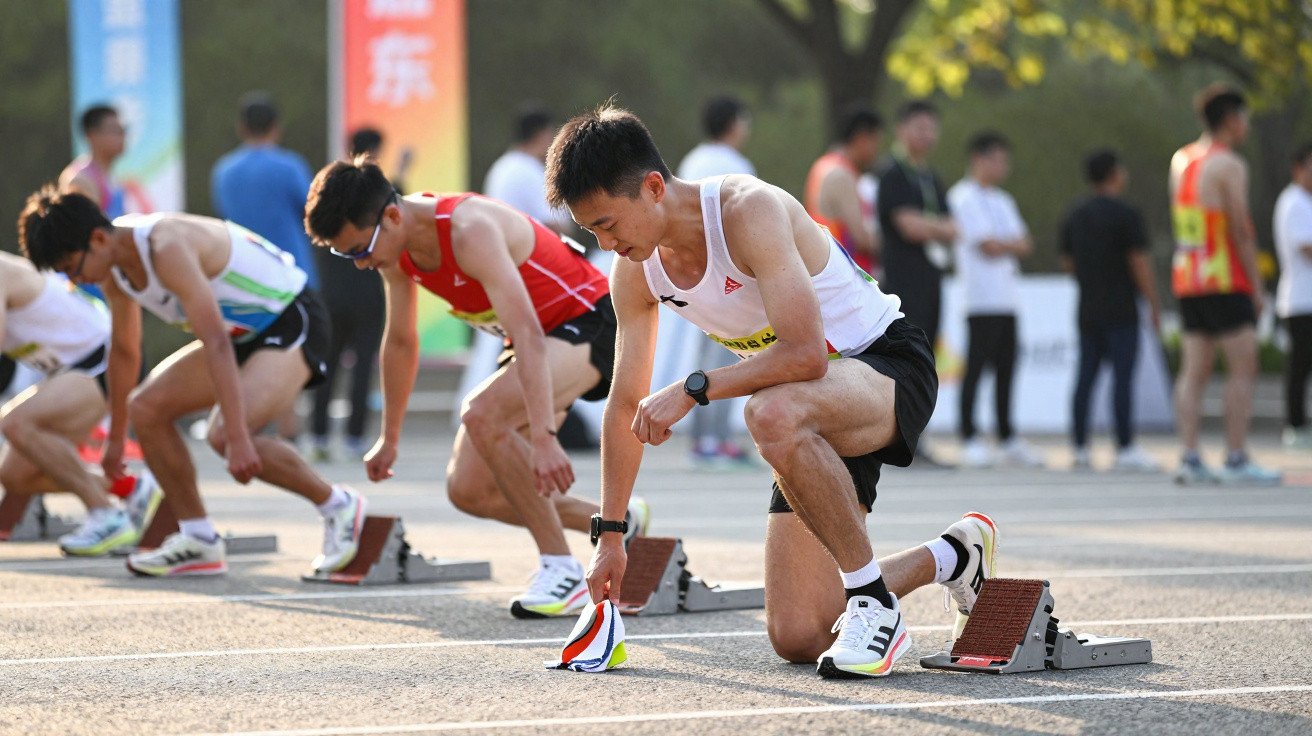
The fastest female skiers - those with the best times over the 90 kilometres - had a higher risk of anxiety than women who skied more slowly. This pattern did not appear among men.
Several possible explanations have been suggested:
- intense performance pressure and perfectionist standards
- greater sensitivity around body image and weight
- an increased risk of a form of exercise addiction, in which physical activity becomes compulsive
In such circumstances, the purpose of training shifts. Instead of serving as an outlet for stress, exercise becomes a stage for self-optimisation. Missing a session feels like failure, while a minor injury feels catastrophic. This internal tendency to dramatise can aggravate anxiety problems rather than relieve them.
“Exercise calms the mind only when it is not driven by internal compulsion and perfectionist self-criticism.”
How much physical activity helps with anxiety - and what form it should take
The study of cross-country skiers may sound spectacular, but it does not mean everyone now needs to complete 90-kilometre races. The decisive factors are consistency and a moderate level of exertion that is well tolerated.
The following broad guidelines, which recur in many studies, offer useful orientation:
| Type of activity | Frequency | Possible effect on anxiety |
|---|---|---|
| Brisk walking | 5 times per week, 30 minutes each time | mild to moderate anxiety symptoms often noticeably decrease |
| Jogging, cycling, swimming (moderate) | 3–4 times per week, 20–40 minutes | mood becomes more stable and stress responses are eased |
| Interval training or intense workouts | 2–3 times per week, short sessions | can have a powerful effect, but may initially feel overwhelming for people with severe anxiety |
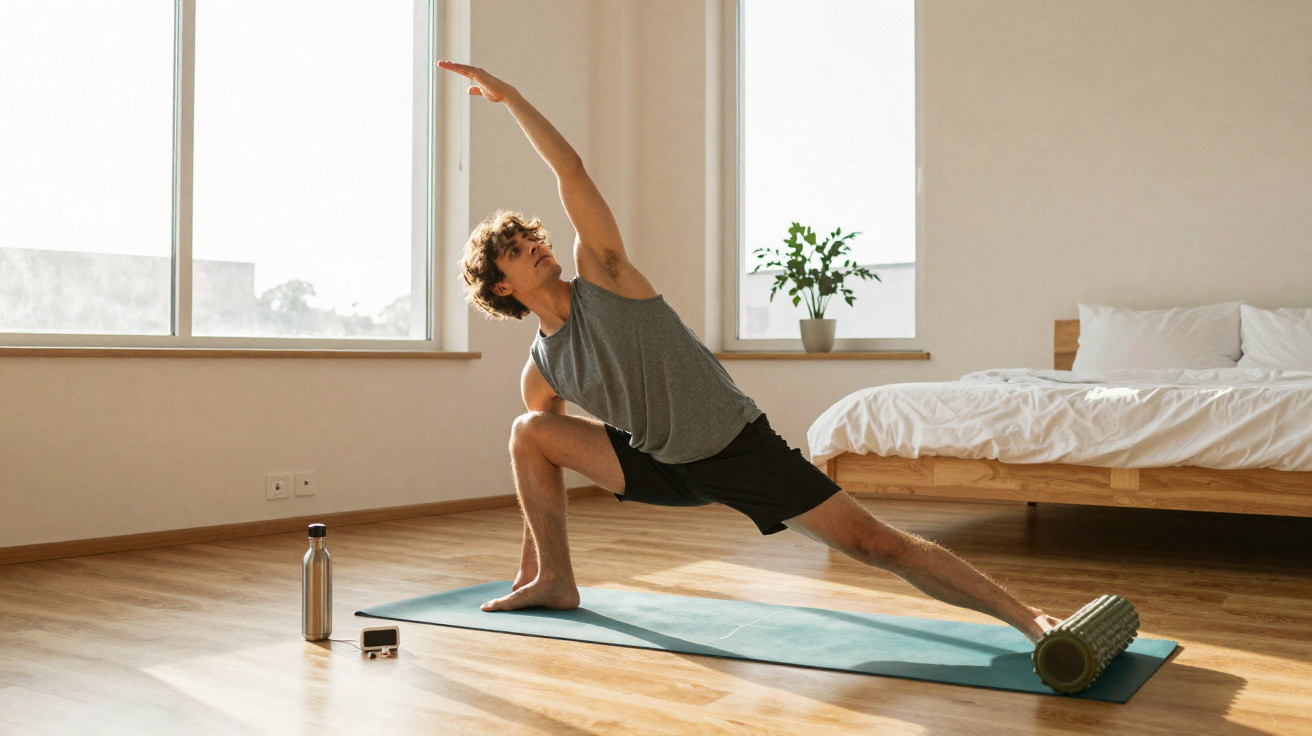
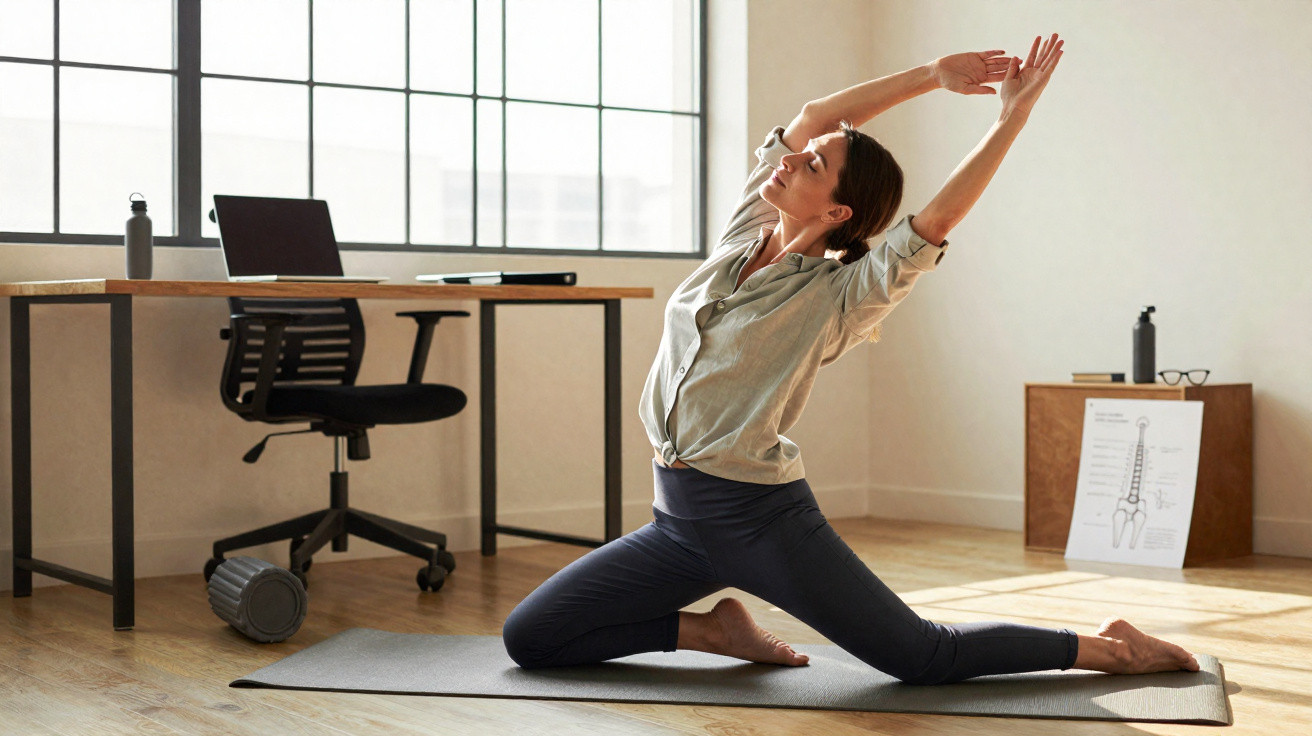
| Yoga, Pilates, Qigong | 2–4 times per week | supports body awareness, breathing and inner calm |
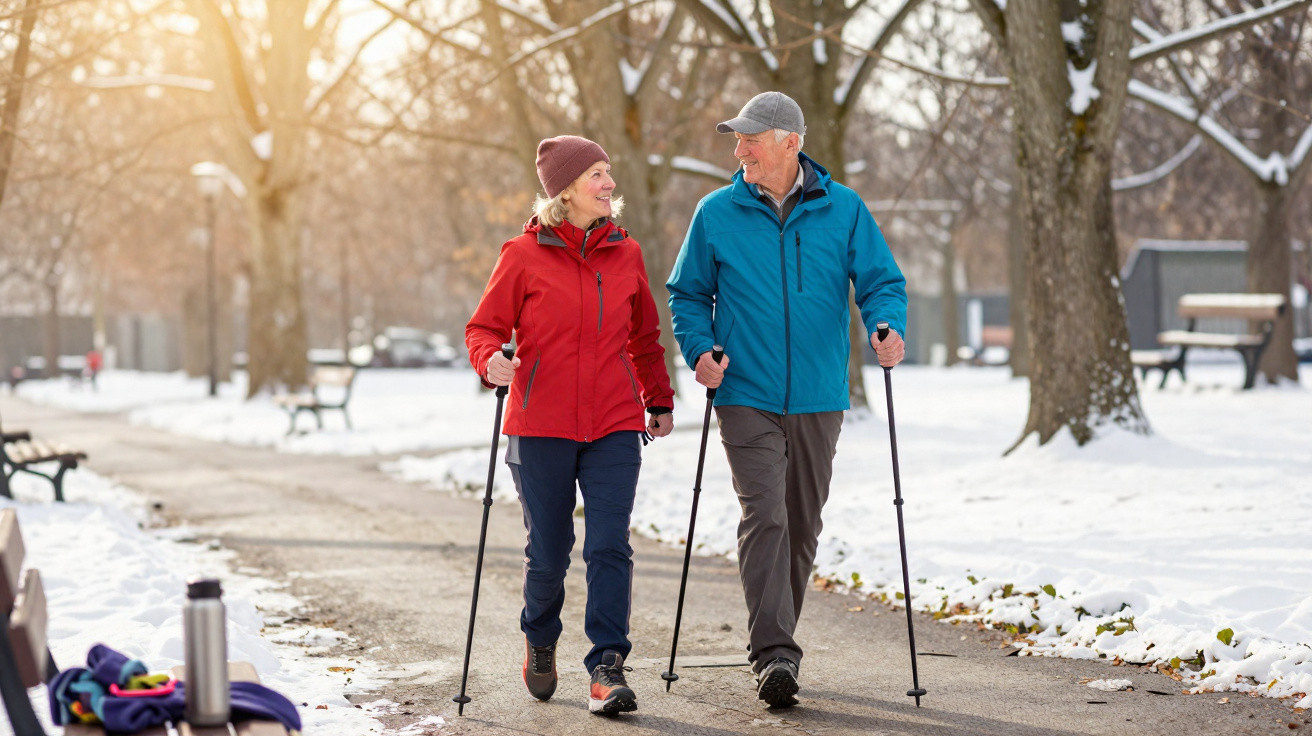
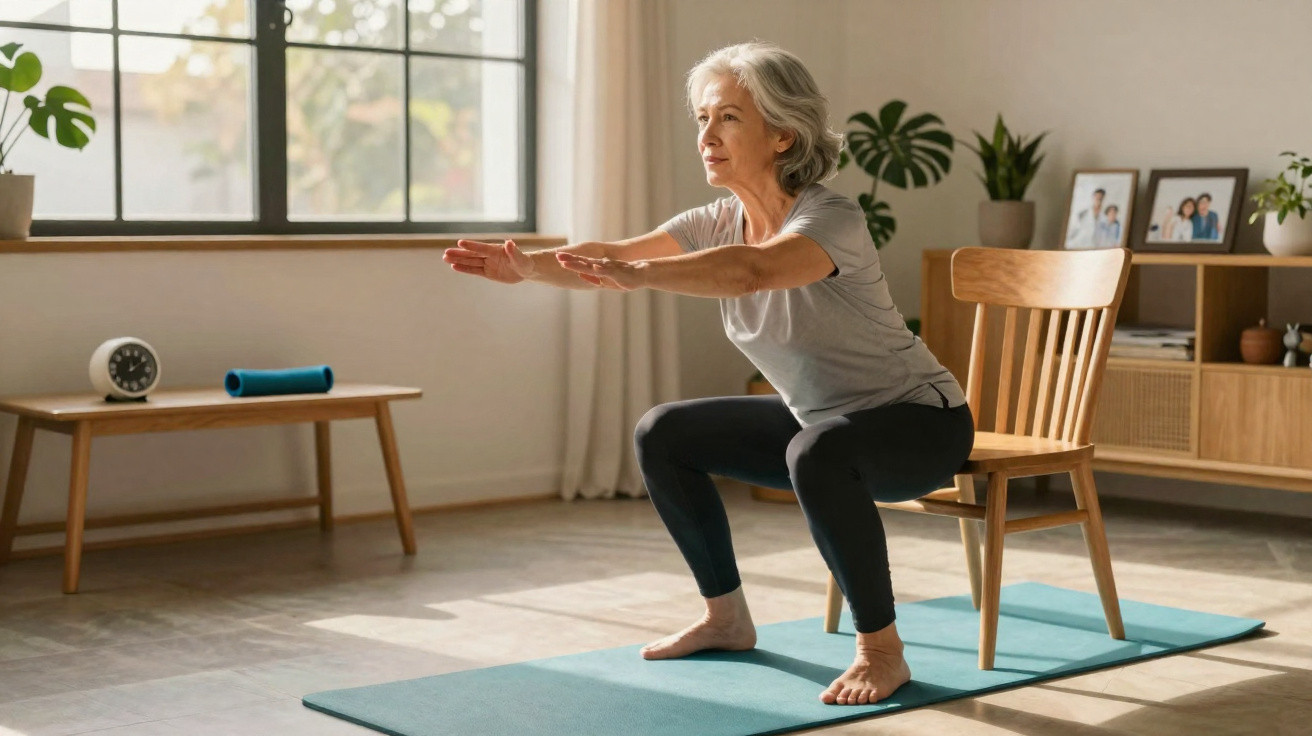
Many specialists advise starting with moderate activities, particularly for people familiar with panic attacks and a racing heart. Anyone who feels overwhelmed simply by the thought of a gym can begin with everyday changes: get off one stop earlier, take the stairs instead of the lift, or spend 15 minutes walking in the evening without a phone.
Mindset matters more than calorie burn
A person’s attitude often matters more than the number of calories burned. Three guiding questions can help put this into perspective:
- Am I training to feel better, or to punish my body?
- Can my training be flexible, or do I “have to” perform rigidly?
- Can I accept rest days, or do they trigger feelings of guilt?
Answering these questions honestly quickly reveals whether exercise is currently a resource or a source of stress. Therapists are increasingly using such reflections when recommending sport to their patients.
Practical everyday scenarios for living with anxiety
What might this look like in practice? Consider a 32-year-old woman dealing with work-related stress and night-time rumination. She starts taking a brisk 25-minute walk after work three times per week. She focuses on just two things: her breathing rhythm and her surroundings. After two weeks, she finds evenings easier; after four weeks, she falls asleep more quickly.
In another scenario, a 45-year-old man with panic attacks sets himself the goal of going jogging. Within a few minutes, the pronounced pounding of his heart triggers old anxiety patterns. Rather than giving up, he switches to interval walking: two minutes at a brisk pace, followed by one minute slowly, combined with conscious breathing exercises. In this way, his nervous system can gradually learn to tolerate arousal without sounding the alarm.
Risks, limits and combining exercise with other approaches
Physical activity is not a replacement for professional treatment in severe anxiety disorders. Intense avoidance, pronounced panic attacks and self-medication with alcohol or medicines all require specialist support. With therapeutic supervision, however, physical activity can become a central part of treatment.
Anyone who is already highly perfectionistic or prone to eating disorders should monitor the amount of exercise carefully. A typical warning sign is when training becomes more important than social contact, recovery or eating. At that point, a helpful resource has turned into a risk.
It can be effectively combined with:
- cognitive behavioural therapy, for dealing with rumination and catastrophic thinking
- breathing and mindfulness exercises, for example before or after exercise
- structured sleep routines, so the body can make use of its recovery phases
For example, taking five minutes for deliberate, slow breathing after every run connects the physiological arousal of training with a sense of control and calm. The nervous system can then learn more clearly to distinguish between “I am making an effort” and “I am in danger”.
In the long term, the answer is not one perfect sport that protects against anxiety, but a developed and kind relationship with one’s own body. Being able to move rather than feeling compelled to move creates one of the most stable buffers against persistent psychological tension - in line with the Swedish data, but above all in everyday life as it is personally experienced.










Comments
No comments yet. Be the first to comment!
Leave a Comment