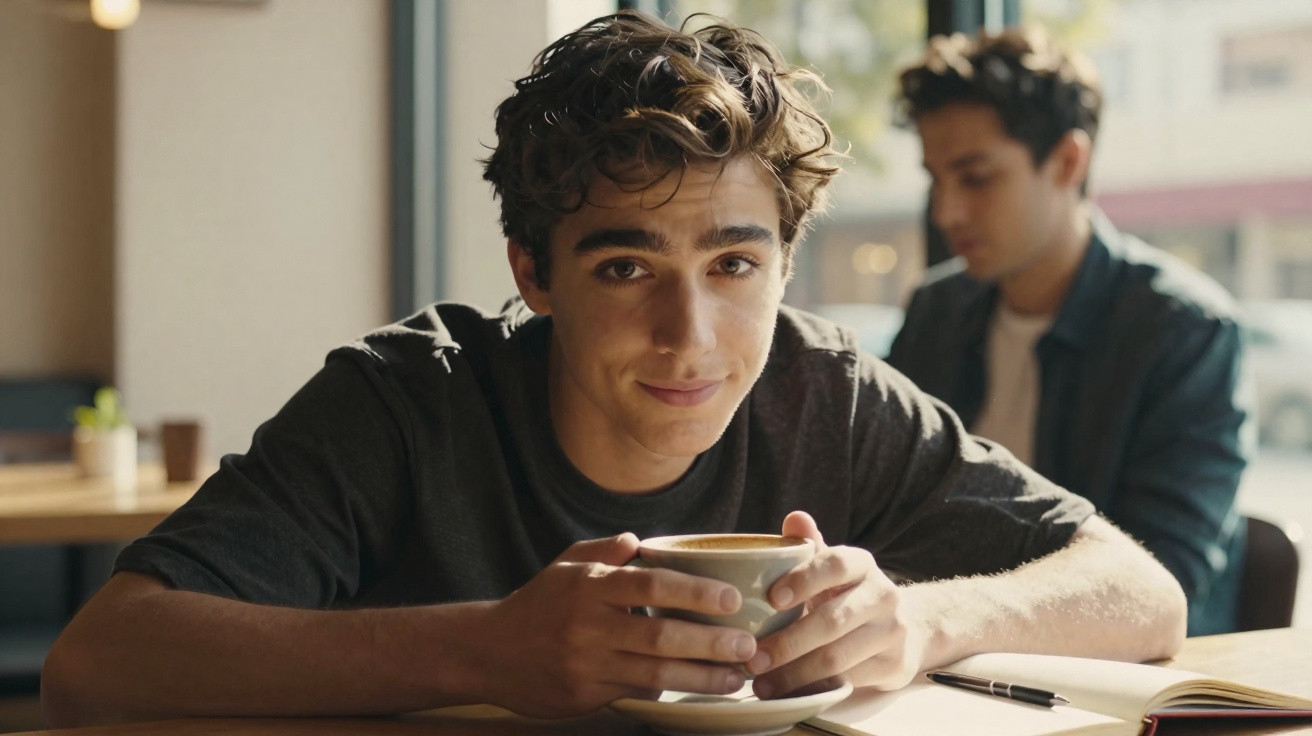
Many people know the expression “doe eyes” chiefly as a compliment paid to women. Increasingly, however, it is also used in reference to men. What lies behind this supposedly delicate gaze, why is it so appealing, and where is the line between it and a performed version of masculinity built around a hunter image and threatening gestures?
What “doe eyes” really means
In English, the term “doe eyes” refers to a gentle, large and often slightly glistening gaze. Visually, the eyes resemble those of a deer: round, alert and soft, frequently with subtly lowered eyelids.
A “doe-like gaze” represents softness, vulnerability and emotion – and it is precisely this combination that makes it so powerful in love.
Traditionally, the phrase is mainly heard as a compliment for women – somewhat romantic and a little old-fashioned. It generally suggests:
- a soft, kind facial expression
- eyes that appear large rather than narrow
- a gaze that conveys closeness instead of distance
- a warmth that comes across without words
For centuries, literature has associated this look with gentleness and grace. In love stories and older poems, the “woman with a doe-like gaze” is usually cast as the sensitive, affectionate figure – sometimes idealised, sometimes rather stereotypically.
How doe eyes are created visually
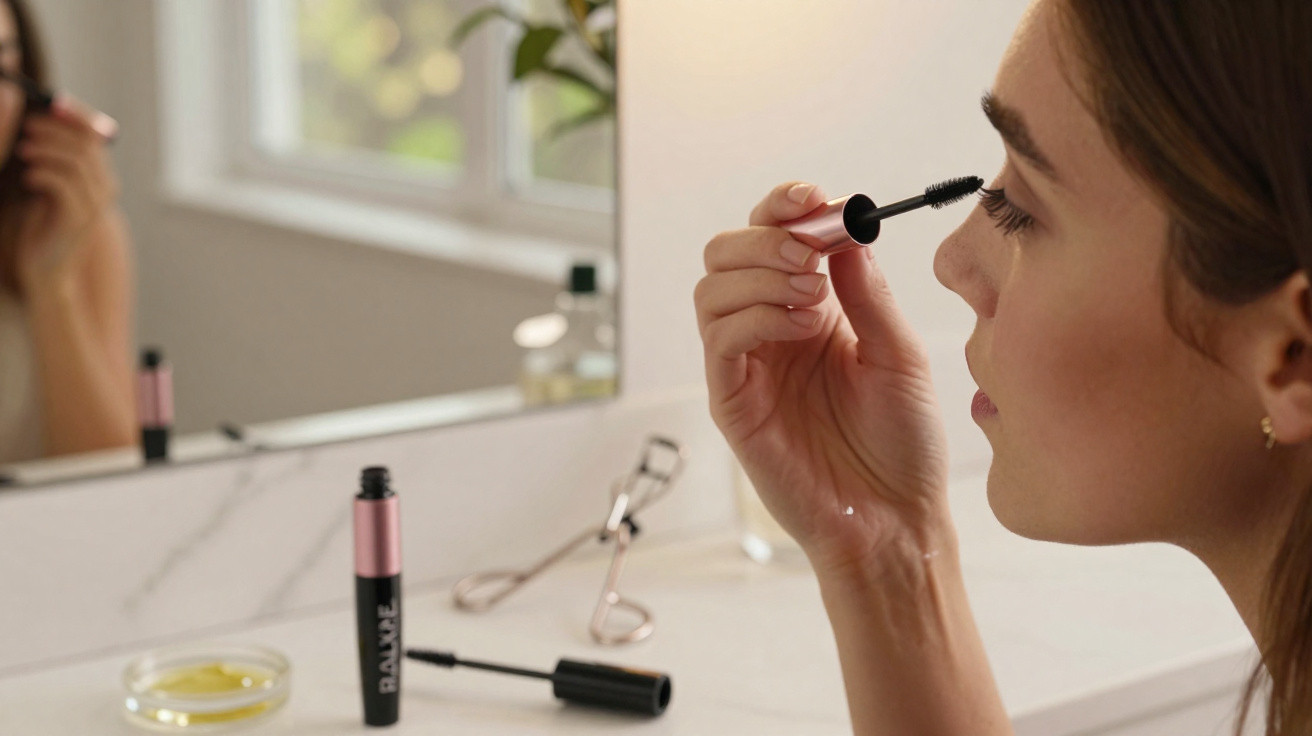
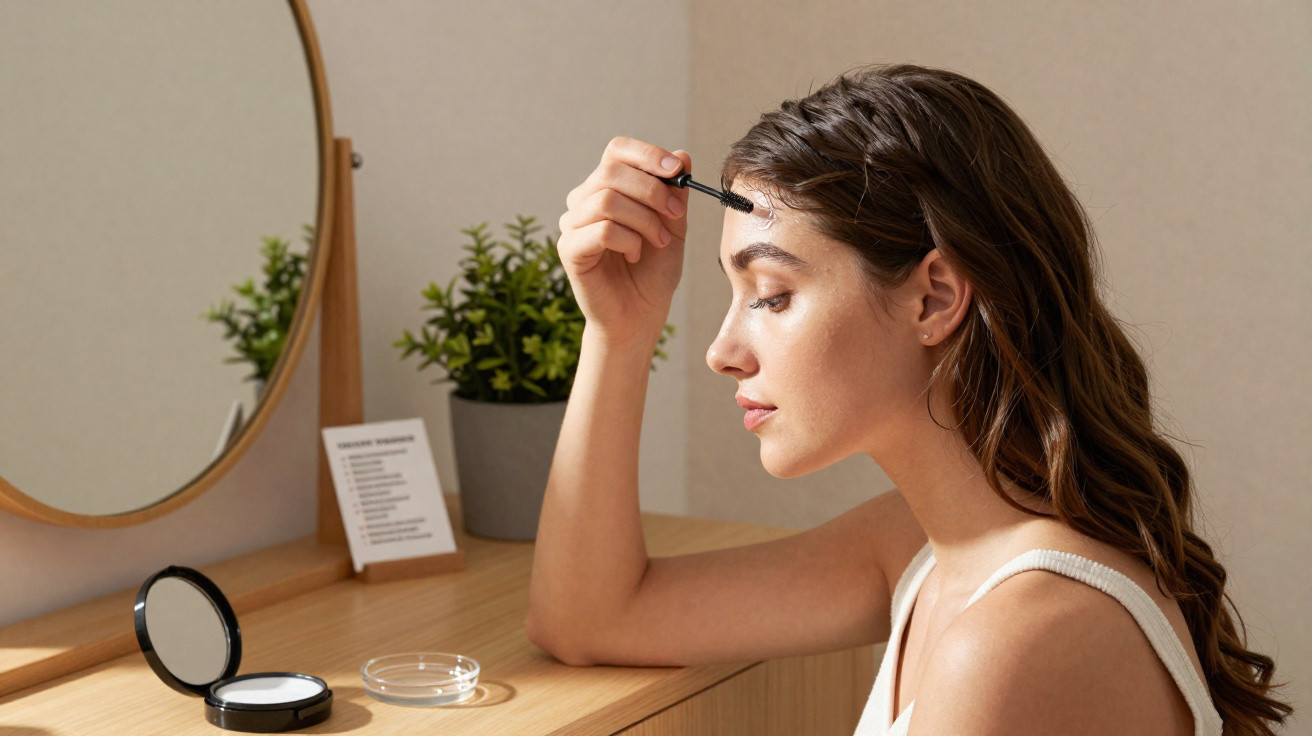
A “doe-like gaze” can occur naturally through the shape of the eyes, the position of the eyelids and the eyelashes. In the beauty world, make-up is also important for enhancing the effect.
Common techniques familiar from many tutorials include:
- Eyeliner: A fine line drawn along the lash line and extended slightly outwards to make the eye appear longer.
- Kajal or kohl: Applied subtly along the lower lash line to frame the gaze without making it look harsh.
- Mascara: Concentrated more heavily in the centre and outer edge so the lashes fan out and the eye appears larger.
- Eyeshadow: Light shades in the inner corner and somewhat darker tones on the outside combine softness with depth.
The result is that the eyes look bigger, more open and more expressive. For women, this look clearly serves as a beauty ideal; for men, the effect tends to appear more natural, without visible make-up.
What does a “doe-like gaze” mean in a man?
When someone describes a man as having “doe eyes”, they almost always mean more than the shape of his eyes alone. The description encompasses an entire combination of presence, facial expression and inner attitude.
A soft gaze as an alternative to the hard masculine ideal
Many ideals of masculinity on social media revolve around dominance: a hard expression, a rigid jawline and an unyielding stare. Against this backdrop, a man with a soft, open gaze can seem almost rebellious – even though he is simply looking normally.
Such a look often conveys:
- Empathy: He notices the person in front of him and shows genuine reactions.
- Vulnerability: He does not completely conceal uncertainty behind a mask.
- Trustworthiness: He seems less like someone who wants to play games.
- Calm: Rather than staring aggressively, his gaze remains relaxed and friendly.
This can be enormously attractive when looking for a partner. Many people say that a soft gaze makes them feel understood more quickly than a perfectly trained body does.
Why this gaze feels seductive
A tender gaze can often open doors without saying a word. It invites closeness and lowers internal defences. This is especially effective in moments when someone wants to feel seen, such as during serious conversations, confessions or quiet time spent together.
A doe-like gaze in a man works not because it appears strong, but because it allows closeness.
This very blend of gentleness and underlying attraction makes the doe-like gaze a powerful feature of non-verbal communication. Someone who looks this way is signalling: “I am listening; I am not making myself seem bigger than I am.”
The opposite model: the hype around the “hunter gaze”
At the same time, an opposing online trend has become established: a hard, piercing look that can seem almost threatening. It is often promoted through advice on how men can look “more dominant”.
Typical features of this “hunter gaze” include:
- furrowed eyebrows
- narrowed eyes, looking slightly upwards from below
- tense facial muscles and an emphasised jawline
- little smiling and as little expression as possible
Some supporters of this trend even turn to cosmetic surgery to alter their eye shape permanently and look permanently “dangerous”. It fits a view of women in which the man is the hunter and the woman is the prey.
This is where the issue becomes problematic: when masculinity is presented primarily as a threat, it often affects encounters and relationships, extending to boundary violations and behaviour that reduces women to objects.
Why soft gazes are more attractive in the long term
Studies on attractiveness repeatedly indicate that people value partners who show empathy and emotional intelligence over the long term. A gaze that communicates trust scores far more highly in everyday life than a masculine poker face.
In relationships, a gentle gaze can help reduce tension. Looking openly into another person’s eyes without fixing them with a stare creates space for honest conversations. In this sense, doe eyes stand not only for romance but also for an ability to communicate.
Gentle eyes signal: “I am approachable.” Hard eyes often say: “Do not come too close.”
Over time, openness is generally more attractive than maintaining a pose. At a time when many people have had enough of toxic role models, a soft gaze in a man takes on an almost political dimension: it challenges the cliché of the distant, constantly controlled alpha type.
How men can use their gaze consciously
No one needs to change the shape of their eyes to become more attractive. It is far more useful to become more aware of one’s own gaze:
- Make direct but friendly eye contact more often: Do not keep looking away, but do not stare either.
- Allow facial expressions: Let the eyes smile too, rather than holding them in a frozen “cool” expression.
- Release tension in the face: Relax the shoulders and forehead to make the face appear softer.
- Show genuine interest: When listening, look at the other person’s face rather than at a phone.
Anyone who naturally has large, gentle-looking eyes can regard this quality as a strength rather than an “unmanly weakness”. It can open doors in many situations, both professionally and privately.
Doe eyes, role models and personal impact
It is striking how strongly we connect gazes with role models. For decades, the expectation was that men should appear strong and distant, while women should be soft and accommodating. A man with doe eyes almost automatically disrupts this old classification.
Such a gaze shows that masculinity and tenderness are not mutually exclusive. It may even suggest that someone recognises their feelings rather than suppressing them completely. For many modern relationships, that is a clear advantage.
Anyone who feels uncomfortable about their doe eyes because friends make remarks should remember that these quiet, warm signals are often what matter in romantic relationships. A hard gaze may look “stronger” in photographs – but in real life, the person who allows closeness usually comes out ahead.










Comments
No comments yet. Be the first to comment!
Leave a Comment