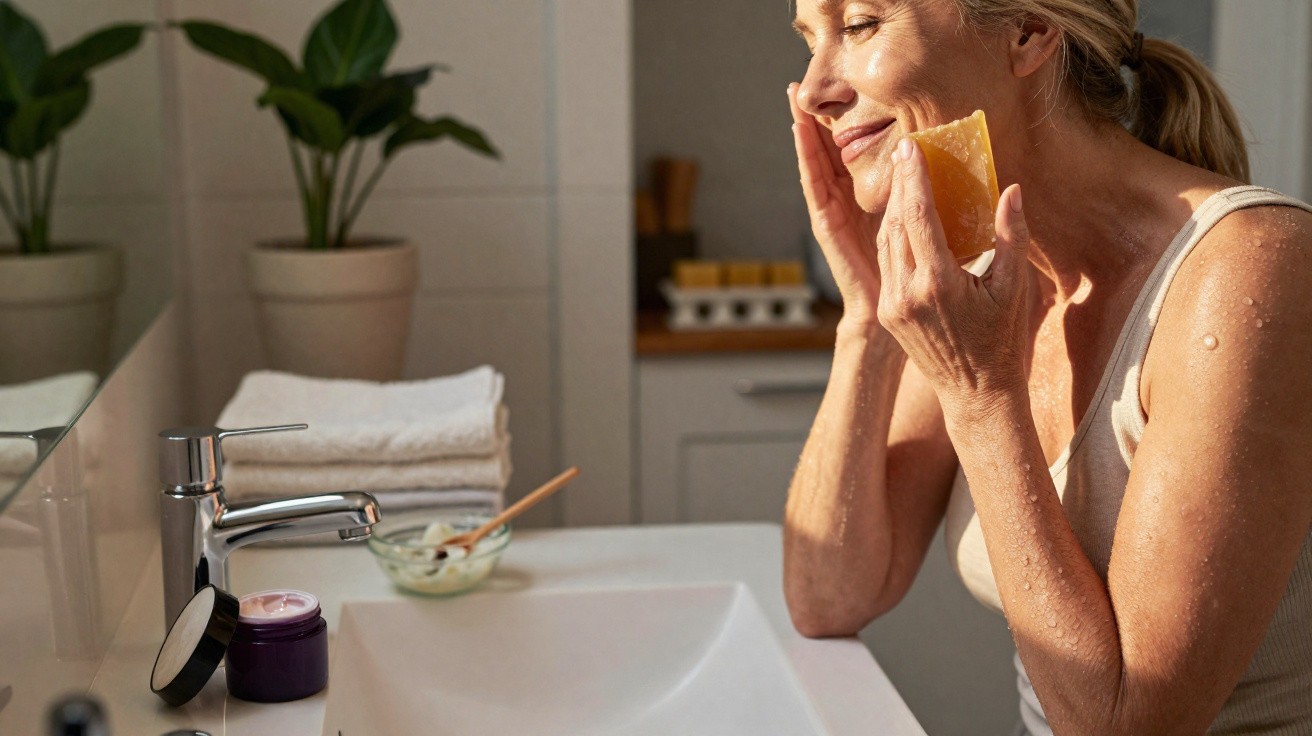
Across Europe and the United States, a small yet outspoken number of people over 60 are turning away from costly anti-ageing creams. In their place, they are making mild facial soap bars at home, saying the switch leaves their skin calmer, reduces tight, dry areas and gives them a fresher appearance by morning.
The understated move away from cream jars
For years, skincare for ageing skin has followed a predictable formula: a rich night cream, a separate eye treatment and perhaps a firming serum for the jawline. Once people pass 60, when collagen levels decline and the skin barrier becomes weaker, the marketing becomes more insistent. The prices tend to rise as well.
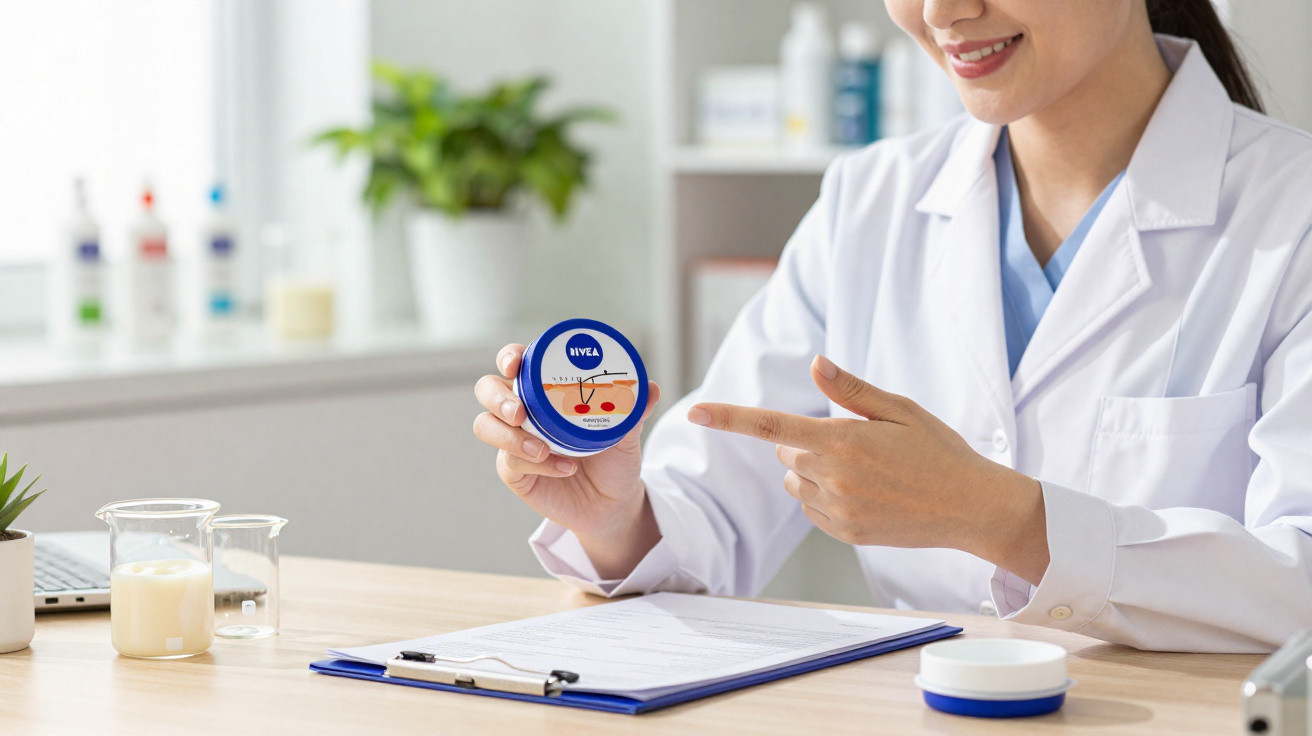
Dermatologists, however, have increasingly begun to offer a slightly different perspective. Many emphasise that skin subjected to too many products and layers may respond with redness, burning and persistent dryness, particularly later in life. By their sixties and seventies, people often have a lengthy history of sun exposure, medicines, hormonal shifts and delicate capillaries. Skin in that condition is seldom suited to a ten-step regime.
More older adults now question whether high‑priced anti‑ageing jars truly match what their skin can tolerate day after day.
Rather than purchasing another “miracle” cream, some people are returning to a simpler approach: cleanse the face gently, retain moisture and use formulas with ingredient lists as easy to understand as a shopping list. In German-speaking countries, the current trend focuses on a glycerin-based soap bar containing plant oils and calming ingredients. The practice is now appearing in English-language forums and TikTok clips, commonly described as “soap bars for mature skin” or “solid cleansing rituals for women over 60”.
What the soap bar method involves
The idea is almost surprisingly straightforward. Instead of buying a pot of anti-wrinkle cream, users purchase a neutral glycerin soap base with little fragrance, melt it carefully and mix in a few selected ingredients before allowing it to harden again in a mould. Applied in the evening, the bar is intended to cleanse without removing too much natural oil, leave a light lipid layer and modestly limit moisture loss overnight.
Common additions are:
- Aloe vera gel: retains water in the skin’s upper layers and eases mild irritation.
- Rosehip oil: contains linoleic acid and antioxidants that help support the skin barrier.
- Vitamin E oil: helps prevent the oils from oxidising and provides additional antioxidant support at the surface.
- Hydrolysed collagen powder: behaves more as a film-forming ingredient than one that plumps deeply, producing a softer sensation after washing.
- Lavender essential oil: included in very small amounts for fragrance and a feeling of ritual.
The effect does not come from one “hero” molecule, but from kinder cleansing and less water loss from the skin overnight.
Dermatologists consulted by European consumer publications point out that collagen in a rinse-off product cannot restore deeper tissue. Its molecules largely remain on the skin’s surface. What may change is how the skin feels immediately after cleansing: there may be less tightness, fewer flaky areas and fine lines can look a little fuller simply because the outer layer holds more moisture.
Making a glycerin soap bar step by step
From the kitchen counter to the bathroom shelf
Although individual recipes differ, one frequently shared version relies on standard kitchen tools and does not require complex temperature control or specialist moulds. The following is a combination of methods currently shared in German and British beauty communities:
| Step | What to do |
|---|---|
| 1 | Gently melt one cup of neutral glycerin soap base in a bain-marie; keep it warm rather than boiling. |
| 2 | Using a wooden spoon, mix in two tablespoons of fresh aloe vera gel. |
| 3 | Add one tablespoon of rosehip oil along with the contents of two vitamin E capsules. |
| 4 | Add one tablespoon of finely ground hydrolysed collagen, stirring carefully. |
| 5 | Add roughly five drops of lavender essential oil, and no more. |
| 6 | Transfer the mixture to silicone moulds and leave the bars to set at room temperature. |
The key is not so much creativity as moderation. Letting the base boil can make it less clear and more drying to the skin. Whisking too energetically introduces air, potentially creating holes and an uneven bar. Excess essential oil raises the chance of irritation, especially on the thinner skin of the cheeks and neck.
Safety is important, too. Skin professionals regularly advise carrying out a patch test on the inner arm, particularly for anyone with a past fragrance allergy or eczema. Redness or stinging within 24 hours should be regarded as a warning.
How people over 60 use the soap
Most users do not use the bar as an everyday cleanser. They generally choose it on two or three evenings each week, when they have not worn heavy make-up. A typical routine is as follows:
- Dampen the face with lukewarm water.
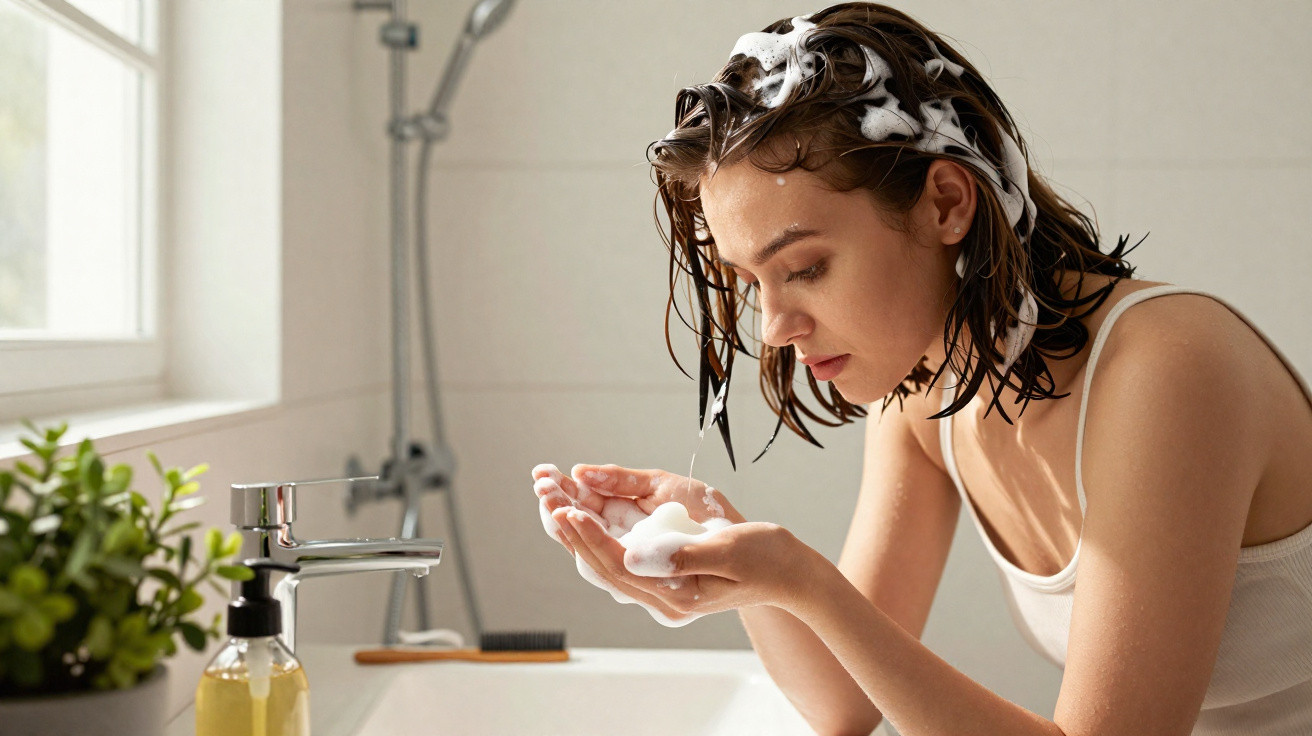
- Lather the bar between the hands, then massage the creamy layer over the face for 20–30 seconds.
- Rinse with lukewarm water, avoiding extremes of hot or cold.
- Gently pat the skin dry with a soft towel instead of rubbing it vigorously.
- Use a basic, lightweight moisturiser or facial oil if the skin still feels dry.
Many women in their sixties report that their skin looks less “crumpled” on waking when evening cleansing feels gentle instead of harsh.
The bar does not claim to remove deep folds or reshape jawlines. Instead, users often mention a more even-looking texture and slightly brighter skin around the eyes, as though overnight creases fade more quickly. Whether this is considered a “visible” result depends greatly on expectations and lighting-and, naturally, on truthful before-and-after photographs.
The point where science and ritual meet
Technically, this soap-bar approach chiefly serves two purposes: it helps prevent excessive dryness while cleansing and supports the surface barrier with light oils. Glycerin draws water into the skin’s outer layer, whereas rosehip oil supplies lipids that reduce transepidermal water loss. Aloe may calm the slight redness that many older faces develop after hot showers or exposure to central heating.
There is also a less measurable aspect behind the ingredients: a feeling of control. Rather than simply accepting the claims made by a jar, people measure, stir and pour the product themselves. They can select both the strength of the fragrance and the bar’s shape. Social media now features heart-shaped soaps, shell designs and even turtle moulds exchanged in private Facebook groups and messaging chats for women over 60.
Psychologists researching ageing and self-care observe that these small actions can be significant. A personalised routine, even a simple one, can help people see themselves as active participants in their own ageing rather than as targets for forceful marketing.
Limits, risks and its place in a skincare routine
What this soap cannot achieve
No dermatologist would argue that a home-made soap bar can replace sunscreen, prescription retinoids or medical care for long-term skin conditions. Deep wrinkles are mainly caused by cumulative collagen loss, sun exposure, smoking and gravity. A mild cleanser may improve the surface appearance, but it cannot completely reverse structural changes within the dermis.
There are risks as well. Essential oils can cause allergic reactions. Inadequate kitchen hygiene may introduce microbes if fresh aloe leaves or unclean utensils come into contact with the mixture. Anyone taking medicines that thin the skin, or living with rosacea or active eczema, should seek professional advice before making major changes to their routine.
The essentials: sunscreen and everyday habits
Every expert interviewed for articles on age-related skin in recent years returns to the same basic order of priorities. For faces over 60, the most effective protective measure remains a straightforward tube carrying a high SPF. Applied each morning, even on top of a simple moisturiser, broad-spectrum sunscreen prevents additional pigment spots and texture damage more effectively than any premium night cream.
A well‑chosen SPF, moderate sun exposure, enough sleep and a calm nervous system tend to shape older skin more than any single cosmetic trick.
Diet has a subtler part to play too. Protein consumption supports ongoing collagen production, while vitamin C aids this process and works as an antioxidant. Gentle exercise improves circulation, which may give a rosier appearance to skin that can look dull in later decades.
Why the soap bar trend is gaining attention now
The timing of the soap-bar trend reflects economics as much as beauty. As living costs increase, jars of anti-ageing cream priced at £80 can be difficult to defend, particularly for pensioners. A bag of glycerin base and several small bottles of oil, purchased once, may provide months of refills for a fraction of that expense.
There is a wider shift towards products that produce less waste as well. Solid bars reduce plastic use, are easier to transport and occupy less room in bathroom cupboards. For certain users, replacing a crowded countertop with two or three essential products creates an unexpectedly relieving feeling.
For those interested in trying the method, cosmetic chemists recommend beginning with the simplest possible option: a fragrance-free glycerin bar containing a small quantity of extra oil. If the skin tolerates this for several weeks, more imaginative versions containing aloe or collagen can be tried afterwards. A straightforward record of sensations-tightness, redness, itching and softness-may help distinguish an enjoyable ritual from the skin’s genuine response.
People who enjoy making things may find that the process becomes a regular pastime, rather like baking. Some older couples now arrange “soap afternoons” with grandchildren, making facial bars for grandparents and gentler body soaps for children in different colours and scents. This type of cross-generational activity adds another dimension: care in later life not as something secretive, but as a shared, everyday and almost comforting practice.




Comments
No comments yet. Be the first to comment!
Leave a Comment