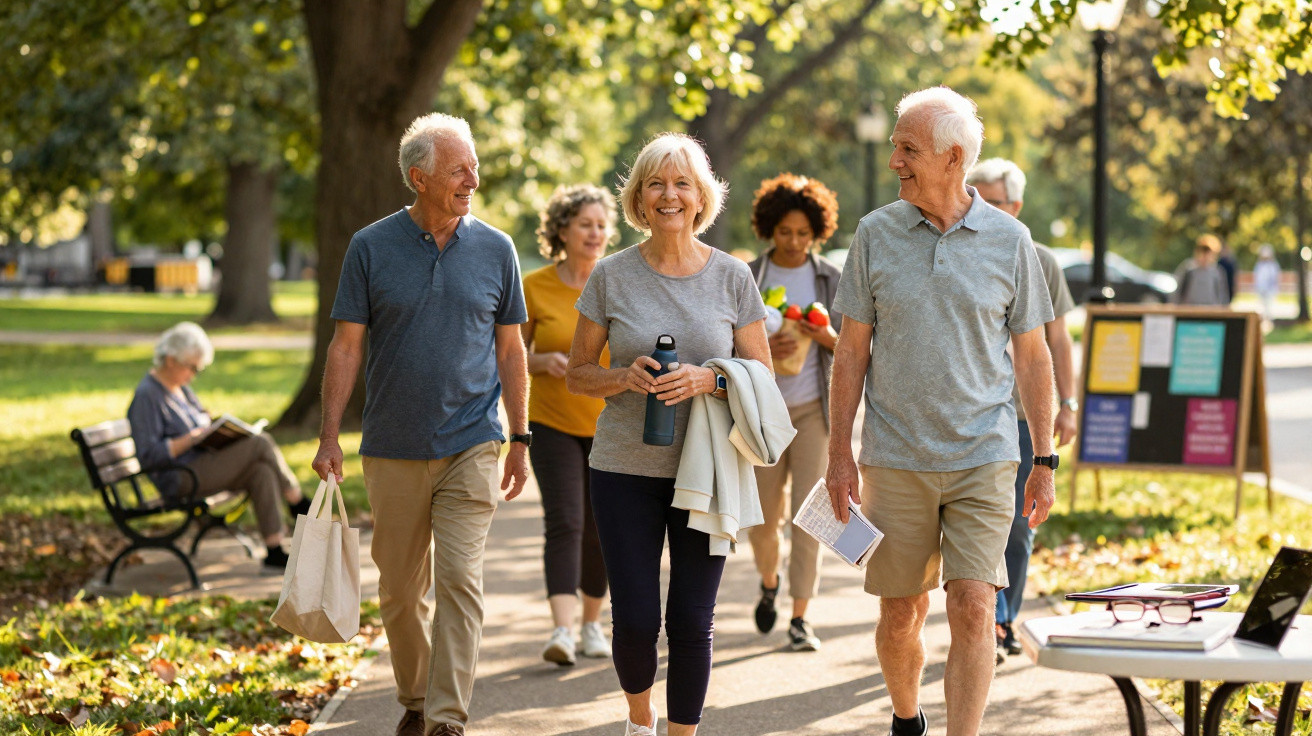
Reaching 70 often brings comments such as “Take it easy” or “Slow down”. Yet the aim is not to hold yourself back, but to adapt everyday life a little. Purposeful activity, sensible nutrition, mental exercise and a strong social circle can help you maintain impressive physical and mental fitness for a long time.
Everyday movement: gentle, regular and ideally daily
At 70, exercise does not have to be about performance. There is no need for marathons or extreme sports. What matters is keeping the body moving, preferably every day.
“Anyone who stays moderately active every day at 70 protects their muscles, joints – and their independence.”
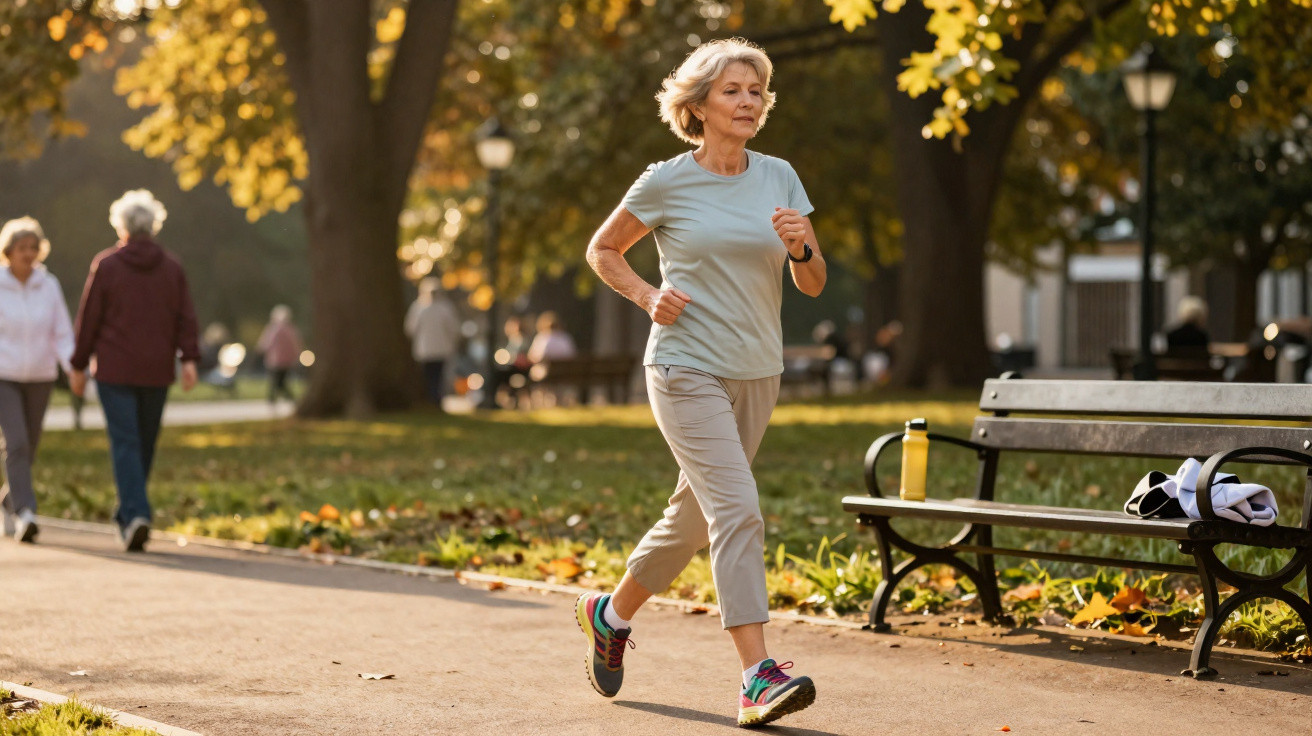
Walking as a foundation – how many steps are useful
For younger adults, 10,000 steps a day is often used as a rough guide. At 70, there is no need to reach that target. Studies indicate that around 4,500 daily steps are generally enough to support circulation, muscles and balance effectively.
- If you are currently not very active, begin with short walks around the block.
- Build up gradually, for example by adding five minutes each week.
- Take the stairs instead of the lift and do small errands on foot.
Consistency matters more than an exact step count. A moderate walk every day is more beneficial than one long, exhausting outing each month.
Water-based exercise to protect the joints
Many older people experience painful knees or hips. Exercise in water can be particularly helpful here. The buoyancy reduces strain while allowing the muscles to work without putting heavy pressure on the joints.
Suitable options include:
- Aqua cycling – cycling in water, which is gentle on the joints and effective
- Gentle swimming at an unhurried pace
- Simple pool exercises, ideally as part of a group
Anyone who feels unsure should speak to their GP first, especially if they have heart problems or severe high blood pressure.
Household tasks count as exercise too
People often underestimate how much movement is involved in running a home. Gardening, vacuuming, mopping and minor repairs all get the circulation going and work the muscles.
There is a practical additional benefit: you not only stay fitter, but also retain the feeling of being useful and getting things done.
Keeping an eye on weight – neither too high nor too low
At 70, both extremes can become more common: being overweight and being underweight. Each can weaken the body and raise the risk of illness.
What BMI indicates – and where it should sit
The Body Mass Index (BMI) offers a straightforward guide. It is calculated by dividing weight by height in metres squared.
| BMI value | Meaning |
|---|---|
| below 18.5 | Underweight / possible malnutrition |
| 18.5 to 25 | Healthy range |
| 25 to 30 | Overweight |
| 30 to 40 | Obesity |
| 40 to 50 | Severe obesity |
| above 50 | Extreme obesity |
BMI is not a substitute for a medical assessment, but it can provide an initial indication of whether your current weight is appropriate for your body.
Why excess weight is especially tiring at 70
Carrying too much weight places pressure on the knees, hips and back, causes fatigue and makes every kind of movement more difficult. This can affect mood and increases the likelihood of cardiovascular disease, diabetes and other long-term conditions.
Those who are clearly above the healthy range benefit twice over from making changes: every kilogram lost reduces the workload on the heart and improves the chance of remaining independent in daily life for longer.
Underweight – the frequently overlooked issue
Conversely, loss of appetite, loneliness or illness can mean that older people eat too little. This weakens muscles, makes infections more likely and complicates recovery after operations or falls.
In either situation, the approach is the same: adjust eating habits, cook fresh meals where possible, ensure sufficient protein through foods such as yoghurt, eggs, pulses and fish, and avoid extreme diets.
Training the brain like a muscle
Being fit at 70 is not only about the heart and circulation. The brain also needs regular stimulation to keep functioning well.
“Those who remain curious and learn new things significantly slow mental decline.”
Everyday ideas for mental activity
Even small habits can keep the mind active:
- Reading books, magazines or daily newspapers
- Completing crosswords, Sudoku or logic puzzles
- Watching documentaries, more challenging films or television series
- Playing board games or card games with family and friends
- Going to concerts, the theatre or talks
There are now simple learning and puzzle games on tablets designed specifically for older users. The technology itself is not what matters; regular mental challenge is.
Learning something new – a boost for cognitive ability
Activities that are genuinely unfamiliar can be particularly effective: learning a foreign language, taking up a musical instrument, joining a computer or smartphone course, attending an art class or starting a photography project.
Starting to learn Italian, Spanish or another language at 70 places intensive demands on the memory. It may feel challenging, but it works like a training programme for the brain.
Social connections as protection for emotional wellbeing
Many health problems in later life are indirectly linked to loneliness. People who withdraw tend to move less, eat less well and lose their enjoyment of life more quickly.
Friends, neighbours and clubs – arranging connection
Social closeness does not always happen by itself, but it can be actively maintained:
- Regular conversations with neighbours and brief chats in communal areas
- Joining a sports club, cultural group or seniors’ social group
- Group activities such as exercise classes, dancing, choirs or walking groups
Simply feeling that you “belong” somewhere can greatly strengthen emotional balance.
Family as an anchor
Relationships with children, grandchildren and siblings give many older people a sense of security. Shared meals, birthday celebrations and short trips create memories and counter the feeling of being left out.
Those who are mobile can take the initiative themselves: collect grandchildren from school, offer help with everyday tasks or suggest outings. This creates closeness in both directions, not as an obligation but as a lively exchange.
Seeing a doctor regularly – spotting problems early
During the seventh decade of life, health can change more rapidly. Some illnesses develop gradually and cause few noticeable symptoms for a long time.
For that reason, it is worthwhile seeing your GP at regular intervals rather than only when something is acutely painful. An annual health check that includes blood tests, blood pressure measurement and, where appropriate, an ECG can reveal risks at an early stage.
It is also important to have medicines reviewed regularly. Many people take several medications at once, which can interact with each other. A structured review by a professional helps to prevent unnecessary side effects.
Creating purpose: why volunteering keeps you young
When work suddenly ends, it is easy to feel adrift. Over time, the sense of no longer being needed can harm health.
“Meaningful tasks provide structure, recognition – and a powerful remedy for inner emptiness.”
Voluntary work offers considerable opportunities in this respect. Older people bring experience, patience and specialist knowledge that are needed in many places. Examples include:
- Tutoring or mentoring pupils and apprentices
- Helping at sports clubs or cultural groups
- Working with social organisations, clothes banks or food charities
- Reading support roles in nurseries or schools
People who volunteer meet new people, keep structure in their daily lives and recognise: I still have a great deal to offer.
Do not forget enjoyment: pleasure as a source of strength
Perhaps the most important point is that fun is still allowed – explicitly so. Life after work offers freedom that may have been missing before.
Whether it is travelling, painting, dancing, photography, music, gardening or craft projects, maintaining hobbies reduces stress, builds self-esteem and gives everyday life a positive underlying mood.
Many hobbies support several areas at once. Dancing, for instance, combines movement, music, coordination and social contact. Cooking together brings people closer and can also help them eat more healthily.
How the building blocks reinforce one another
What is striking is how strongly all these elements influence each other. More movement improves sleep and makes weight loss easier. Lower weight protects the joints, which in turn makes activity easier. Mental activity and social contact support mood; people who feel better are more likely to go out, and therefore become more active again.
So, for anyone aged 70, working on several areas at the same time usually does not require radical change. Small, achievable steps are enough to support lasting fitness – day after day.














Comments
No comments yet. Be the first to comment!
Leave a Comment