At the swimming pool, the man looked to be about 70. He had grey hair, slightly stooped shoulders and the deliberate gait of someone who considers each step carefully. He did not dive in or even push away from the wall. Instead, he eased into the water as though settling into a comfortable armchair, then began to move… and simply kept going.
Ten minutes went by, then twenty. There was no grimace, no hand clutching his lower back and no theatrical groan when he climbed out. He took his towel, smiled quietly and walked away with the buoyant stride of someone whose body had not merely endured exercise, but genuinely enjoyed it.
Seeing him, one thought arises almost automatically.
Some forms of activity stand the test of age better than others.
The kind of effort your joints secretly love after 60
Watch closely at any park or gym and the same understated pattern becomes clear. People over 60 who move easily are seldom the ones hammering the pavement or flinging heavy weights about. More often, they are gliding, pedalling, stretching or floating.
From the outside, their movements can seem almost unremarkable. There is no spectacle or drama. Yet their shoulders are held a touch higher, their footsteps are softer and their expressions lack that tense “I’ll pay for this tomorrow” look.
Every twinge and crack is your joints trying to tell you something. After 60, they usually favour one broad category of activity over all others.
Marianne, 67, once ran three times each week. She adored the routine: tying her laces, looking at the weather and sensing the city gradually come to life. Then, one morning, her right knee refused to cooperate. There was swelling, pain and several weeks of limping. The term on the MRI was unforgiving: cartilage wear.
Her doctor did not tell her to “stop moving”. He simply rewrote the rules. “Same heart, less impact,” he told her, recommending swimming, cycling and water aerobics. After three months, Marianne no longer runs, but her smartwatch shows that she now spends more minutes moving each week than she did previously.
The change is that her joints no longer object after every session. They are… cooperating.
The reasoning is almost tediously straightforward. Joints dislike repeated impacts. They can handle load, and they even benefit from movement. What they find difficult is the mix of force + speed + a hard surface involved in jumping and running on concrete.
Low-impact activities distribute effort rather than battering the body. Water supports part of your body weight, while a bicycle saddle shares the load with your hips. Smooth, controlled movement through a safe range of motion supplies joints with fresh synovial fluid, much like oil in an ageing engine.
After 60, then, the real question is not “Can I still move?” but “What type of movement does my body agree with?”
From theory to routine: building a joint-friendly life
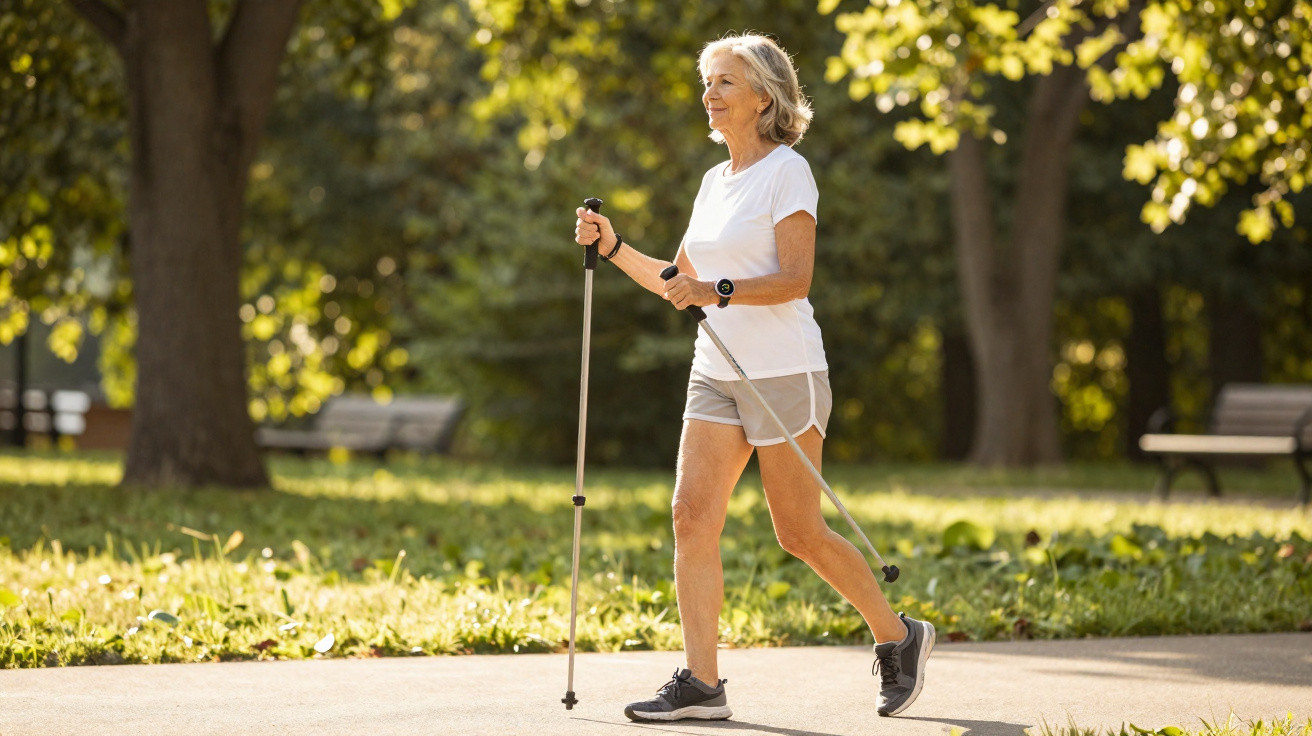
The ideal approach for ageing joints appears remarkably gentle: low-impact, rhythmic and regular activity. Consider walking on soft ground, cycling, swimming, an elliptical trainer, dancing, tai chi and slow strength training using light to moderate loads.
The principle is straightforward. Swap vertical impact for sliding, gliding, pushing and pulling. Exchange sudden bursts for steady movement that can be repeated. It may look almost too simple on paper, yet this is how knees, hips and ankles remain useful for longer than your date of birth might imply.
Your joints don’t need heroics; they need consistency they can quietly survive.
Most of us know the moment: getting up after a long film and hearing your knees crackle like a bowl of breakfast cereal. Jean, 62, experienced it on an aeroplane. After an overnight flight, he stood up, felt his knee give way and grabbed the seat in front of him. “That’s it,” he thought, “I’m old.”
Once home, his physiotherapist did not prohibit exertion; she prescribed it. She started him with ten minutes on a stationary bike every day, initially without resistance. He also did gentle ankle and hip range-of-motion exercises, plus two weekly sessions of basic strength work: standing up from a chair, wall press-ups and heel raises at the kitchen counter.
Realistically, no one follows this perfectly every day. Jean missed sessions and then began again, as people do. Three months later, he walked four kilometres with his grandson without the familiar apprehension before facing stairs.
A highly practical science sits behind these modest routines. Muscles act as shock absorbers for the joints. The stronger the muscles surrounding your knees and hips, the fewer direct blows your cartilage absorbs with every step. Strength training slowly, twice weekly, is not about appearing younger. It is about spreading out the forces involved in everyday life.
Movement also delivers blood flow and nutrients to areas with limited blood supply, including some parts of cartilage. This is where low-impact cardio matters: 20–30 minutes of continuous, comfortable activity three to five times weekly can often alter how your joints feel when you first get out of bed.
The question therefore changes from “What’s the best sport?” to “What mix of small habits does my body actually recover from well?”
The art of moving without punishing your joints
For many people over 60, one useful method is the “20–20–10” approach, performed three times each week. Do twenty minutes of low-impact cardio, twenty minutes of gentle strengthening and ten minutes of mobility work and stretching. It takes roughly an hour, including the time spent hesitating over your shoes.
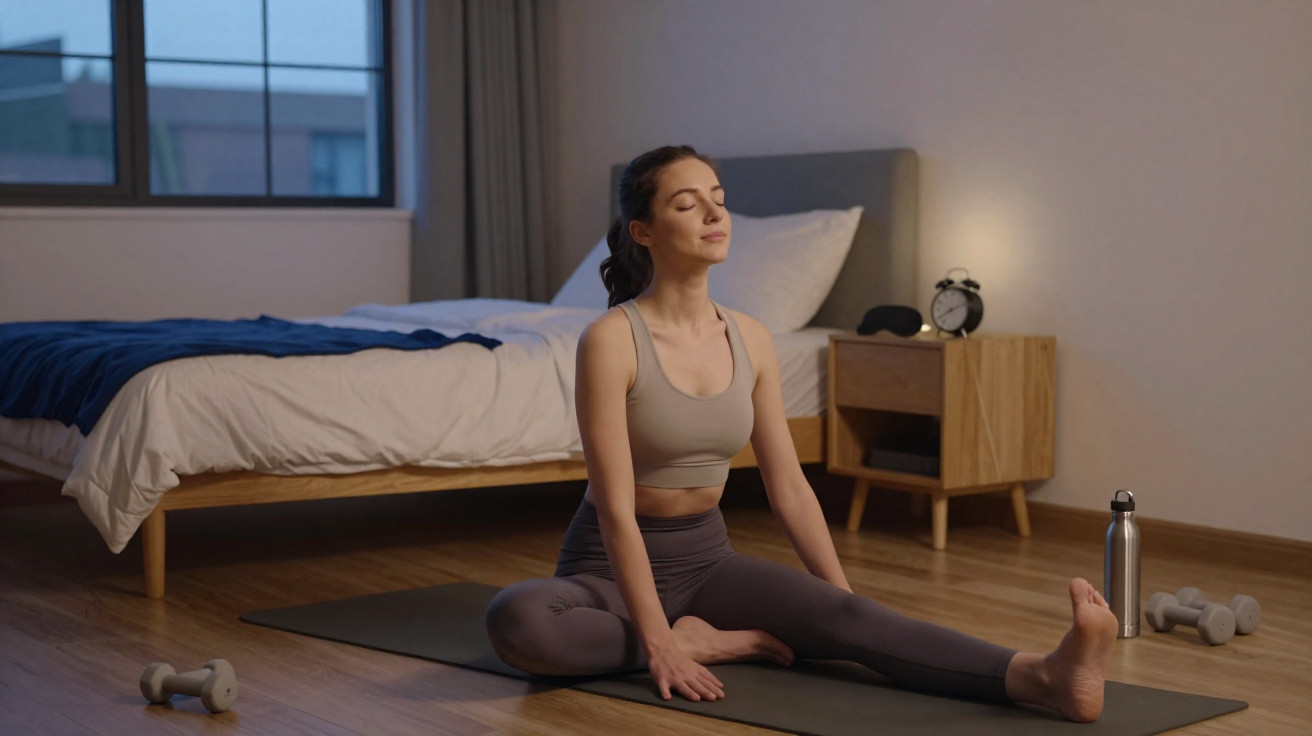
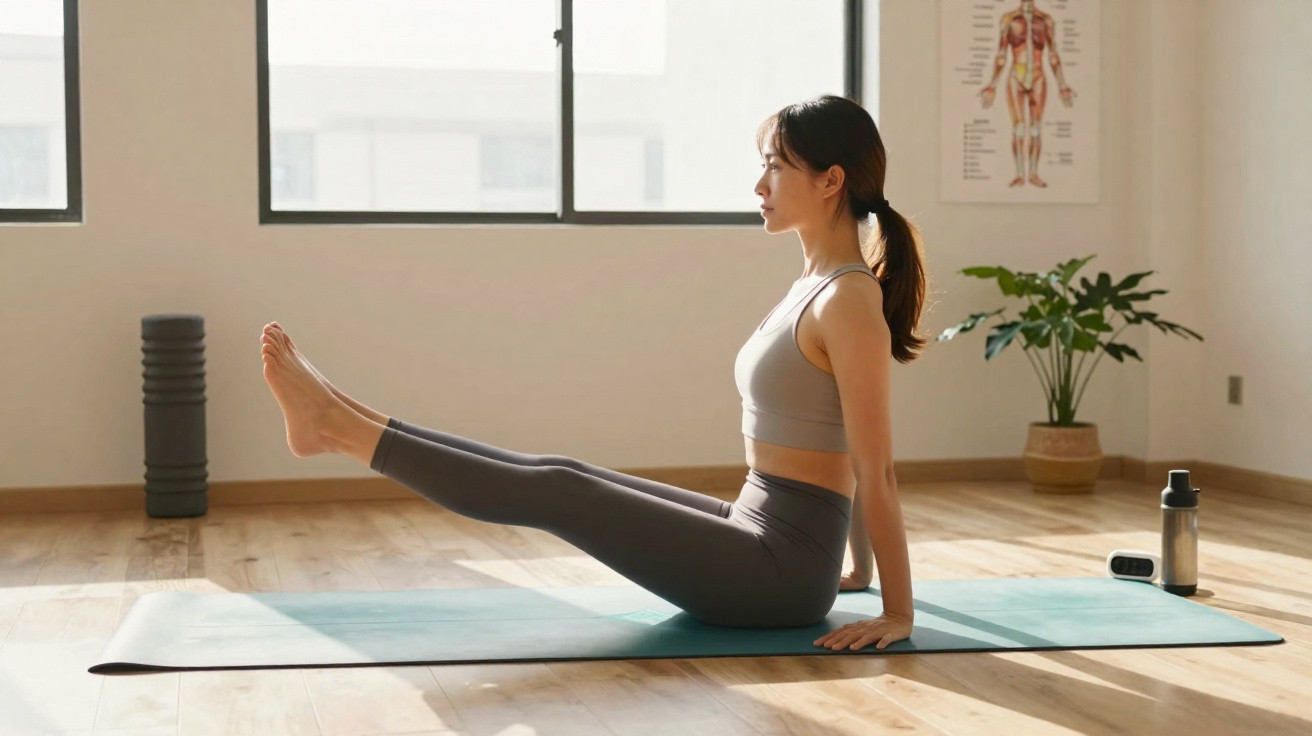
Your cardio could be brisk walking, indoor cycling or relaxed lengths in a pool. Strength work may involve simple exercises such as sitting down and standing up from a chair, hip bridges on a mat, or using light dumbbells or water bottles for the arms. Mobility means exactly that: slow shoulder circles, ankle rotations, gentle neck turns and easy calf stretches against a wall.
The aim is not to finish exhausted. It is to leave thinking, “I could have done a little more.”
Several pitfalls catch nearly everyone. Doing too much too soon after doing nothing. Following a 30-year-old’s YouTube gym routine. Mistaking pain for progress. Or the classic mistake: moving only once something already hurts.
Your joints respond most favourably to kindness combined with persistence. If your knees are still complaining more than 48 hours after trying a new activity, that is not “weakness leaving the body”; it is your body saying, “Dial it down a notch.” Reducing the level is not failure; it is a strategy. Choose grass rather than asphalt, lower the bicycle seat slightly so your knee does not lock out, or make sessions shorter and complete them more frequently.
The routines that last are those you can forgive yourself for falling out of… before quietly returning to them, without any drama.
“After 60, I stopped asking my body to be 30 again,” says Alain, 71, who now swims three times a week and does light strength work at home. “Once I treated my joints like partners instead of enemies, they stopped shouting at me all the time.”
- Low-impact cardio: walk on soft ground, cycle, swim, use an elliptical trainer or dance at a pace at which you can still talk.
- Joint-friendly strength: use slow, controlled movements with light weights or your body weight, completing two or three sets of 8–12 reps twice weekly.
- Mobility and balance: try tai chi, yoga adapted for older people, standing on one leg near a wall and gentle stretches once the body is warm.
- Rest and rotation: vary activity types so that the same joints do not take the same strain every day.
- Listening, then adjusting: mild discomfort that fades is normal; sharp, sudden or persistent pain signals that something needs to change.
Letting your age be an ally, not a sentence
There is a quiet strength in recognising that your joints have limits while continuing to move. Not despite those limits, but alongside them. Once you stop comparing your current body with the one you had at 30, your possibilities widen: perhaps you no longer run marathons, but you can dance for longer at weddings, walk city streets on holiday, carry your own suitcase, sit on the floor to play with a child and get back up again.
Low-impact activities are often viewed as a downgrade. They are not. They are the agreement you make with time so you can continue living fully in your own body. The swimming pool, bicycle and quiet repeated movements at home in the living room are not consolation prizes. They are the tools that keep your world open.
Ask yourself honestly: what type of movement can you imagine doing next week, next month and next year? The answer reveals more about your joints’ future than any birthday ever could.
| Key point | Detail | Value for the reader |
|---|---|---|
| Prioritise low impact | Activities such as walking on soft ground, cycling and swimming lessen shock on the knees and hips | Less pain during and after exercise, with a greater likelihood of remaining active long term |
| Combine cardio + strength | Short, regular sessions combining cardiovascular work, muscle work and gentle mobility | Improved joint support, balance and energy for daily life |
| Adjust instead of quitting | Adapt duration, intensity and surfaces according to your body’s feedback | Helps prevent flare-ups and keeps movement sustainable past 60 |











Comments
No comments yet. Be the first to comment!
Leave a Comment