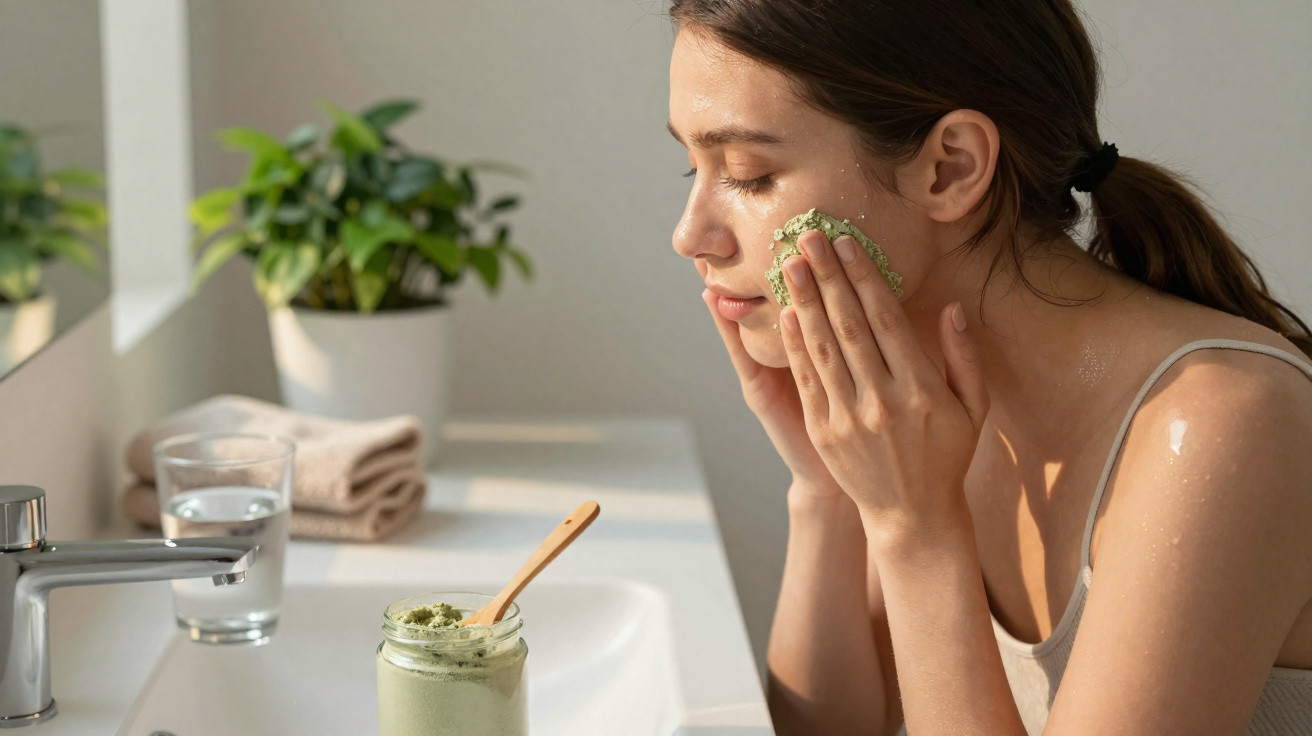
A seemingly unremarkable plant powder is currently attracting attention in the DIY community. Using just one ingredient, users are mixing a scrub which they say refines the appearance of pores, brightens the complexion and leaves skin looking noticeably smoother. All without fragrance, microplastics or complicated chemistry.
Why a good exfoliant does more than simply scrub
Dull, tired or uneven-looking skin can have many causes: stress, dry centrally heated air, screen use and a diet high in sugar. They have one thing in common: the skin’s natural renewal cycle slows down, dead cells remain on the surface for longer and pores can look clogged.
This is exactly where an exfoliant helps: it removes old cells, reveals fresher skin underneath and allows light to reflect more evenly again.
However, many conventional scrubs from the chemist contain plastic particles, harsh surfactants or strong fragrances. These ingredients may quickly irritate sensitive skin. People prone to redness, tightness or blemishes are therefore increasingly looking for a minimalist, natural option.
Musk rose seed powder: a DIY plant exfoliant
The key ingredient is a particular exfoliating material: a fine powder made from the seeds of the rose hip from a specific wild rose. Aroma-Zone sells this powder as a pure, organic raw material, free from fillers and fragrance. Users can blend their own exfoliant with it, tailored to their skin’s current condition each time.
The clever part is that the granules provide the mechanical exfoliation, while the base product – whether oil, gel, cream or cleanser – determines how gentle or intensive the result will be. This creates a flexible skincare component that can be adapted as needed, rather than a ready-made product designed to work “for everyone”.
Community response: “My complexion looks clearer straight away”
On review platforms, the powder scores around 4 out of 5 stars from nearly one hundred reviews. Effects mentioned particularly often include:
- noticeably softer skin immediately after rinsing
- pores that appear finer and less visible
- a complexion that looks more even and refreshed
- blackheads that are easier to dislodge
Many users say that adding only a small pinch to their facial cleanser once or twice a week is enough to make the skin texture feel noticeably smoother. Most people need no more than that, as the powder goes a long way.
One recurring comment is: “Just a knife-tip amount in my usual cleansing gel – and my skin feels polished, without any tightness.”
How to mix your own exfoliant step by step
The plant powder comes pure, in a pouch or jar. It only becomes a finished exfoliant when mixed in your hand or in a small bowl. For facial use, the blend should always remain gentle.
Gentle facial exfoliant for normal to dry skin
- 1 teaspoon of a mild cleansing oil or gentle cleansing milk
- a knife-tip amount to a maximum of ¼ teaspoon of plant powder
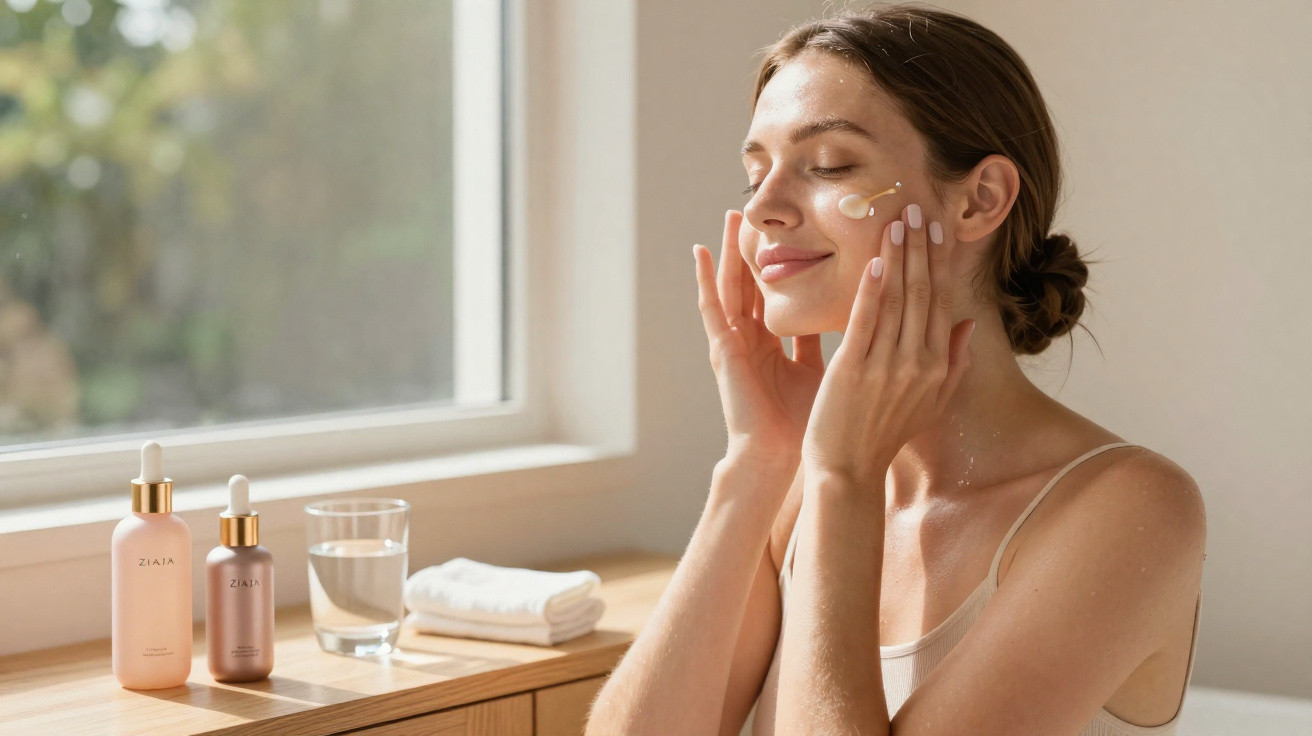
Combine both ingredients in the palm of your hand, apply to damp skin and massage in using very light circular movements. Avoid areas with visible broken capillaries or active inflammation. Then rinse thoroughly with lukewarm water and apply soothing skincare.
A more intensive body exfoliant for the shower
- 1–2 tablespoons of a neutral shower gel or a rich body oil, such as coconut or almond oil
- ½ to 1 teaspoon of powder, depending on the desired intensity
Mix in a small bowl or directly in your hand, then apply to wet skin. Legs, arms and the back can usually tolerate more friction than the face. After showering, gently pat the skin dry rather than rubbing it.
An important rule of thumb: start with a small amount of powder, then increase it gradually. The exfoliant should massage the skin, not “sand it down”.
Creative uses for DIY enthusiasts
Anyone who enjoys making their own products can easily incorporate the powder into a complete skincare routine. Common ideas from the community include:
- adding it to a homemade exfoliating soap bar
- mixing it with bath salts and a few drops of essential oil for a foot or full-body bath exfoliant
- combining it with clay and hydrolat for a 2-in-1 mask with an exfoliating effect
- blending it with aloe vera gel for a cooling summer exfoliant
The major benefit of this raw-material approach is that, once you have found a combination that suits your skin, you can recreate it time and again without having to guess the formulation of a ready-made product.
Its limits – and who should take care
Versatile as the powder may be, it is still a mechanical exfoliant. Too much friction can worsen redness, particularly on very sensitive, thin or rosacea-prone skin. Some users with delicate skin report that they can only tolerate the powder in the smallest quantities.
Anyone who notices pronounced redness, heat or burning after exfoliating has usually overdone it – either through the amount used or the pressure applied while massaging.
For these skin types, an enzymatic or chemical exfoliant, for example one containing mild fruit acids, may be more suitable after consulting a professional. Children’s skin and inflammatory acne should generally not be treated with coarse exfoliants.
Price, shelf life and small everyday drawbacks
Many reviews praise the value for money. Since only a tiny quantity is needed for each application, one pouch or jar can last for months, and sometimes years. Users compare the effect with far more expensive luxury exfoliants, while paying only a fraction of the price.
One aspect bothers some people: handling the loose powder. Depending on the packaging, you will need:
- a small spatula or spoon to remove the powder cleanly
- a dry storage place to prevent moisture getting in
- a little time to prepare a fresh blend before every use
Anyone accustomed to simply pressing a dispenser on a ready-made scrub may see this as an additional step. Others find that this is precisely the appeal: they control every ingredient and every quantity themselves.
Why the complexion becomes dull – and what you can do about it
| Factor | Effect on the skin | Countermeasure |
|---|---|---|
| Stress | Slower cell turnover, tired-looking complexion | Relaxation, sleep, gentle skincare, regular exfoliation |
| Dehydration | Rough surface, lacklustre appearance | Drink enough fluids, use hydrating skincare |
| Unfavourable diet | Inflammation, blemishes | More fruit, vegetables and omega-3 fatty acids |
| Screen light | Oxidative stress, premature ageing | Antioxidants in skincare and diet, breaks from screens |
| Dry centrally heated air | Tight, flaky skin | Humidifier, rich creams, gentle exfoliation |
If you would like to expand your routine, you can combine the plant exfoliant with beneficial active ingredients. For example, niacinamide can be used for enlarged pores, hyaluronic acid for extra hydration, or squalane to relieve feelings of tightness. The important thing is not to overload the skin with too many active ingredients at once.
For many people, a good starting point is a gently mixed powder exfoliant for the face once a week, and use on the body two to three times a week. If the skin tolerates it well and shows no signs of irritation, the frequency can be adjusted cautiously. Over time, this creates an individual routine that does not come straight from a jar, but is gradually tailored to your own skin.












Comments
No comments yet. Be the first to comment!
Leave a Comment