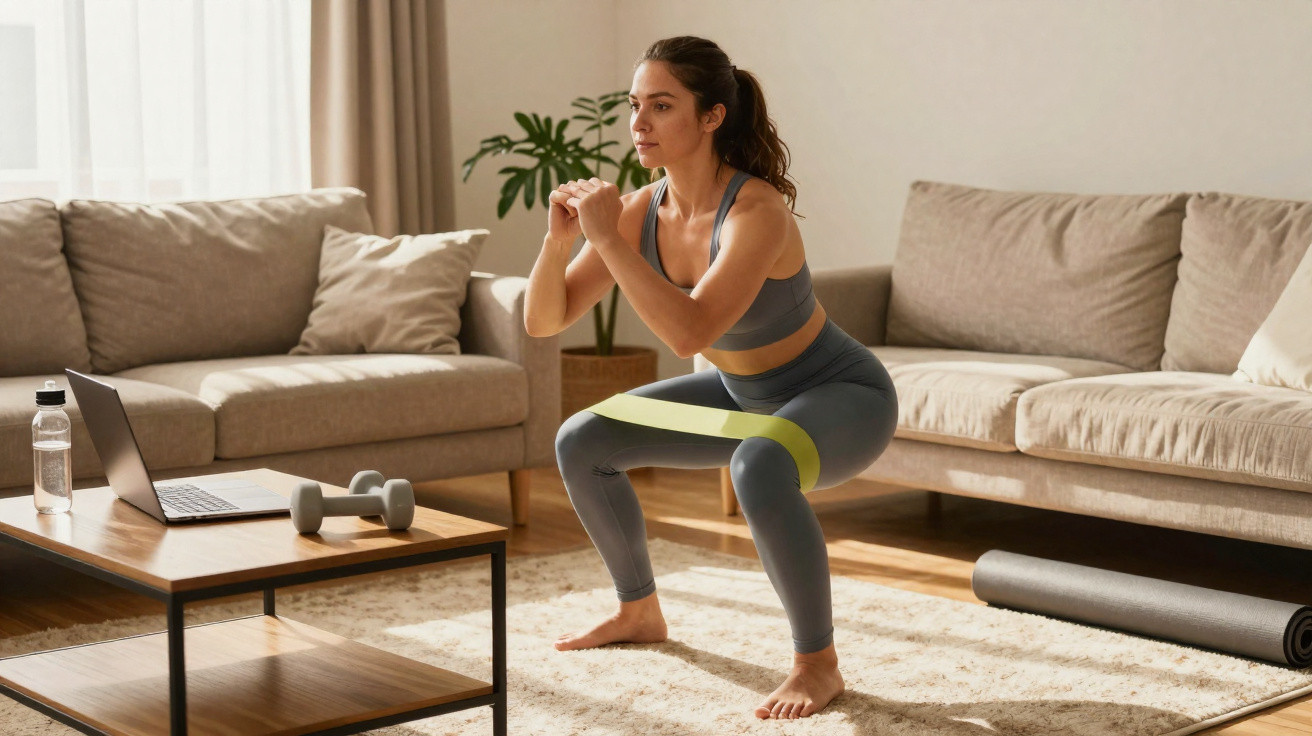
Anyone searching online for the “perfect” training plan quickly ends up in a jungle of splits, repetition counts and specialist exercises. A large team of scientists has now assessed hundreds of studies, with one clear message: what matters is not the perfect plan, but that you train at all and stick with it.
Why simple strength exercises are so effective
The latest guidance is based on an extensive review of 137 systematic studies involving more than 30,000 participants. Researchers examined how different types of strength training affect muscle mass, strength and long-term health.
Even a few straightforward sessions each week can noticeably improve strength, everyday capability and health – without a fitness-centre marathon.
Perhaps the most important finding is this: the “best” training programme is not the most technically sophisticated one, but the one you can genuinely maintain for months and years. Whether you use dumbbells, resistance bands or only your body weight matters far less than has often been claimed.
The studies show that challenging all major muscle groups at least twice a week provides the foundation for greater strength and better physical function. Highly complicated split routines, unusual exercises or schedules timed down to the minute are simply unnecessary for most people.
Small steps, major results
The review makes one often underestimated effect particularly clear: the biggest gains come from moving from “nothing at all” to “a little”. People who were previously completely inactive can benefit from just a few short sessions.
What even a small amount of training does to the body
- muscles quickly respond by becoming stronger
- muscle size increases moderately
- everyday tasks such as carrying, lifting and climbing stairs become easier
- movements feel steadier and more controlled
This does not require extremely heavy weights or hours-long sessions. What matters is giving the muscles a stimulus that challenges them without completely exhausting you. Even training at home for 20 to 30 minutes two or three times a week can produce measurable progress.
The evidence also challenges a widespread belief: neither the precise weight nor the perfect repetition count alone determines success. It is much more important to train regularly, make your muscles work and keep going over the long term.
More than appearance: what strength training adds to everyday life
When people think of strength training, they often picture large upper arms or defined abdominal muscles. Research presents a different picture: for most people, it is about quality of life rather than looking good on the beach.
Strengthening your muscles is usually first noticed in small everyday situations: crates of drinks feel lighter, pushing a buggy becomes less demanding, and gardening is less tiring. Even getting up from a low armchair can feel safer.
There are also benefits that are not immediately visible but have a major effect in the background:
- a lower risk of cardiovascular disease
- a positive effect on blood sugar and the risk of diabetes
- better bone density and a reduced risk of falls in later life
- often improved sleep quality and more energy during the day
These benefits do not appear overnight; they build gradually. Those who maintain simple routines over months and years accumulate quiet health gains that can make an enormous difference later in life – including to how long they remain independent.
No fitness centre? No problem
Another central point of the new guidance is that training in a fitness centre is just one option among many. It is not essential.
The evidence shows that very simple equipment is enough to become stronger:
- resistance bands for pulling movements and leg exercises
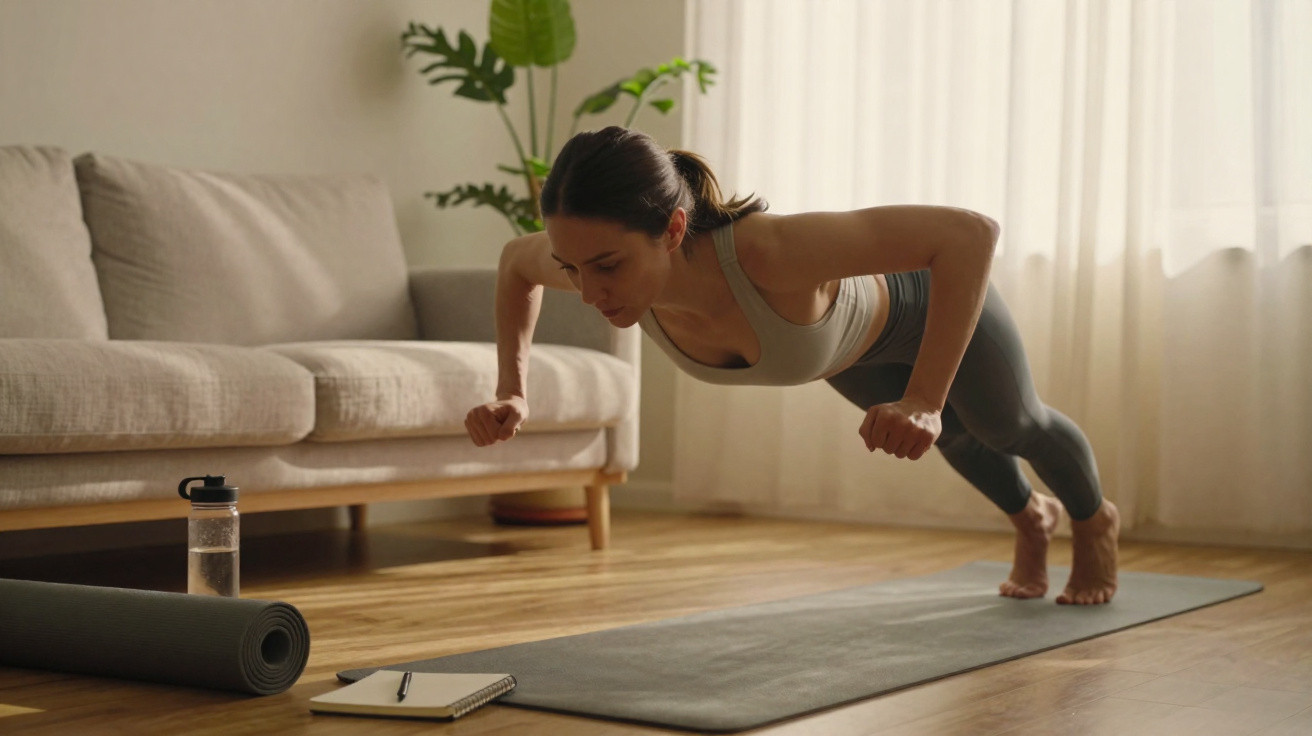
- traditional bodyweight exercises such as squats, press-ups and lunges
- rowing movements using filled water bottles or a rucksack
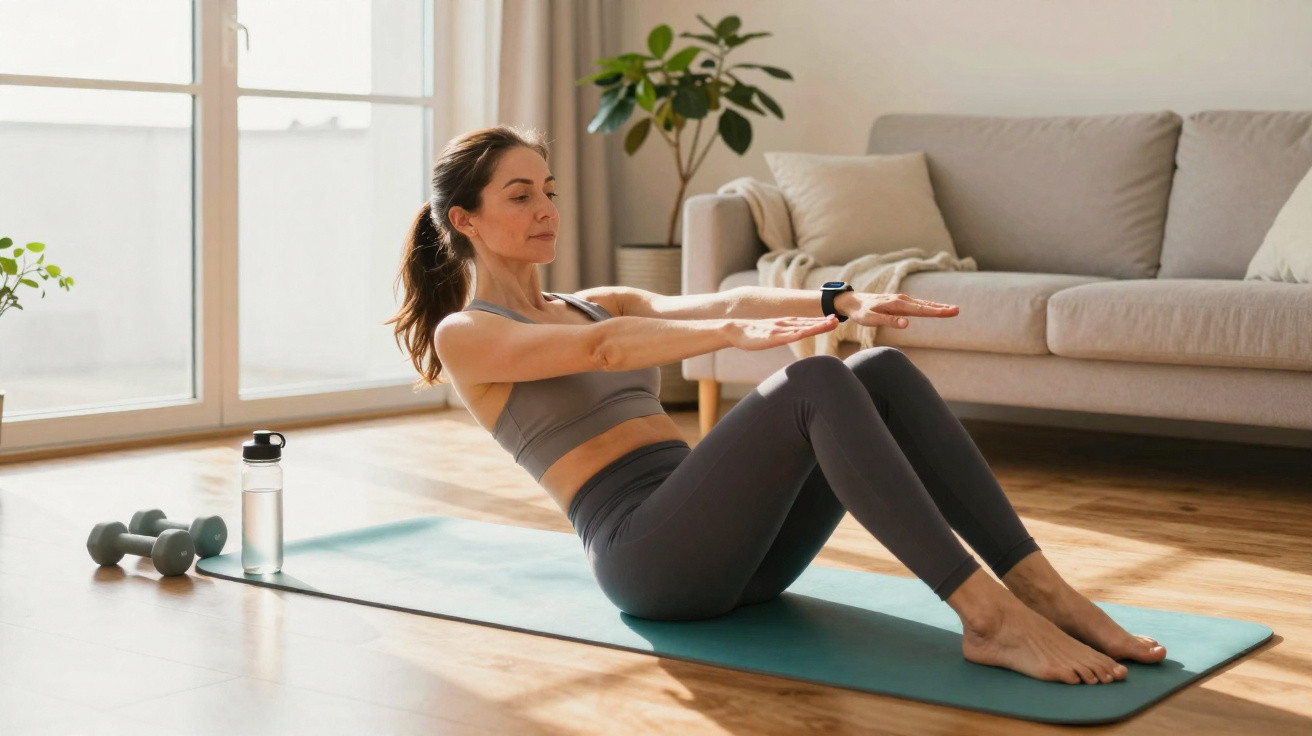
- hip raises, planks and variations for the core and glutes
This also removes a psychological barrier. Not everyone feels comfortable in a fitness centre; some feel embarrassed, while others are put off by membership costs or the distance. The researchers’ message is that none of this needs to prevent anyone from doing strength training.
Consistency beats perfection
Many people fail before they have properly started because they get lost in the details: How many sets? Which exercise is “optimal”? What weight is “ideal”?
The key question is less “What is the perfect programme?” and more: “What can I realistically manage every week – even during stressful periods?”
The updated guidance therefore takes greater account of ordinary people’s real lives. Shift work, childcare and commuting all limit time and energy. A plan involving two short sessions each week, carried out consistently, delivers more than a high-end programme that fizzles out after three weeks.
What a realistic minimum strength training plan can look like
Here is an example of a simple starting point, with no fitness centre required:
- Day 1 (20–30 minutes): squats, press-ups (or wall press-ups), rowing movements with a rucksack, hip raises on the floor
- Day 2 (20–30 minutes): lunges, overhead presses with water bottles, core exercises such as planks and side planks
Perform 2–3 sets of each exercise, doing as many repetitions as become challenging while your technique remains sound. Anyone who follows this programme twice a week is already fully within the scope of the new guidance.
How to fit strength training into everyday life
Strength training does not have to be a separate “event” involving a long journey and changing clothes. Many people do better when they build the activity into their daily routine.
- do five to ten minutes of simple exercises in the morning after brushing your teeth
- when working from home, stand up briefly every hour and do 10 squats
- use the stairs consistently, adding an extra trip if needed
- block out two fixed “muscle appointments” each week in your diary – just like a meeting
Treating training as an appointment with yourself increases the likelihood of maintaining it in the long run. It can also help to begin with a very low threshold: “Today I will do just one exercise.” Often, that one exercise turns into a short session after all.
What terms such as “resistance training” actually mean
The term “resistance training” appears frequently in the studies. It refers to any form of training in which muscles work against resistance – regardless of whether that resistance comes from metal, rubber or your own body.
This includes:
- traditional dumbbell training
- machines in the fitness centre
- training with bands
- bodyweight exercises such as press-ups, pull-ups, dips and squats
The crucial point is that the movement involves several large muscle groups and makes the body work noticeably. If, after one set, you feel you could still do countless repetitions, you can moderately increase the resistance – or make the exercise harder, for example by moving more slowly or working one leg at a time.
Who benefits most from simple strength training
The updated guidance is not aimed solely at sporty people. It focuses particularly on groups that have previously done little training or do not feel confident using machines and dumbbells.
Those who can benefit especially include:
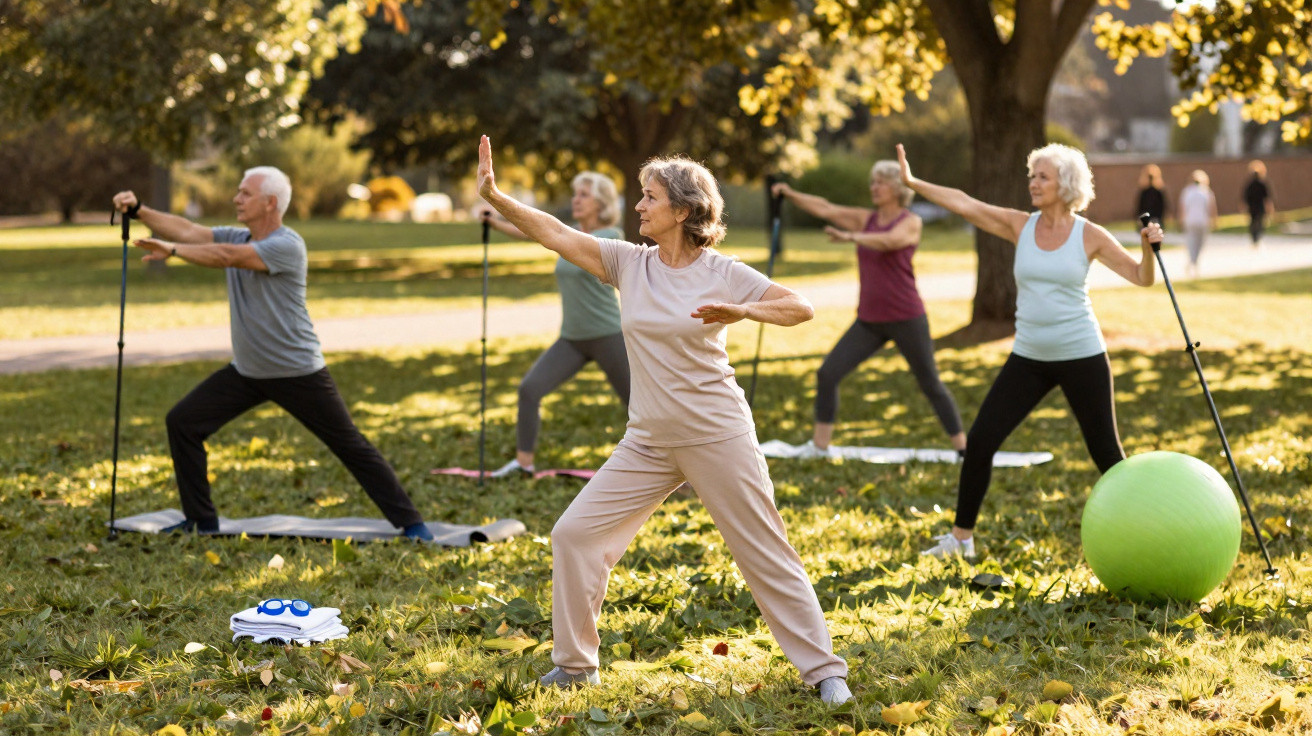
- older people who want to prevent falls and remain independent
- office workers who spend many hours sitting and have back pain
- parents with limited time who need short sessions at home
- people with overweight who feel uncomfortable in a fitness centre
Specialist training naturally remains useful for competitive athletes. However, the data analysis makes clear that a remarkably down-to-earth approach is sufficient for most of the population.
Greater benefits from smart combinations
The findings become especially interesting when strength training is combined with other forms of movement. Studies suggest that combining endurance activity – such as walking, easy jogging or cycling – with simple resistance training delivers the greatest health benefits.
For example, anyone who takes three brisk walks a week and also schedules two short strength sessions already covers a large part of the recommendations for physical activity. Muscles become stronger, the cardiovascular system becomes more resilient, and metabolism becomes more robust.
This brings a goal that many people want within reach: being able to do more in everyday life without having to push through hours of high-intensity programmes. That is precisely where the new evidence offers a clear and pleasantly unspectacular message: start simply, keep it simple – and over time, the body will take care of the rest.














Comments
No comments yet. Be the first to comment!
Leave a Comment