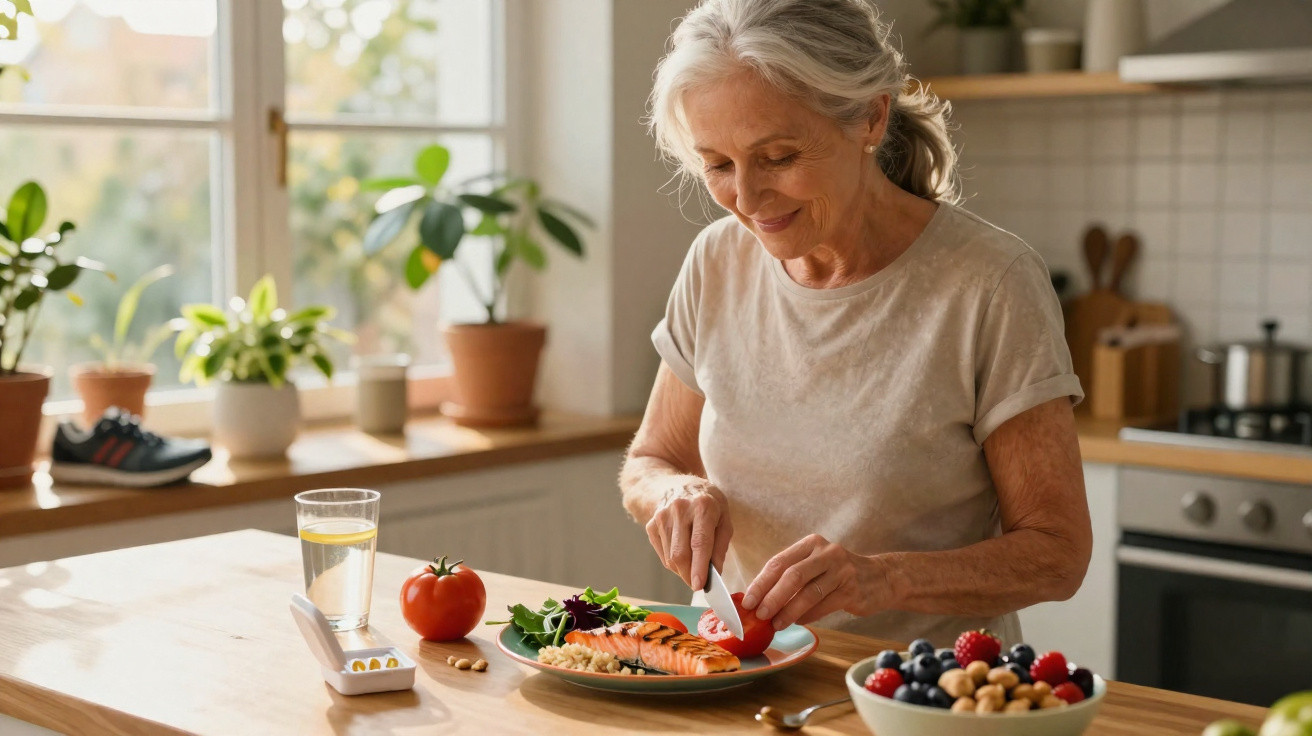
When health is discussed, terms such as longevity and healthy ageing are becoming increasingly familiar. According to Sandra Camacho, doctor and president of the Portuguese Society of Longevity and Anti-Ageing Medicine, “The concept of healthy ageing has changed considerably – it is no longer viewed simply as ‘not having diseases’, but as something far broader and more dynamic.” She advocates an approach in which these issues are addressed from an early stage. “Ageing begins long before old age, and lifelong habits involving diet or physical exercise have a strong influence on the final outcome. It is not something that starts at the age of 65; it is built from youth.”
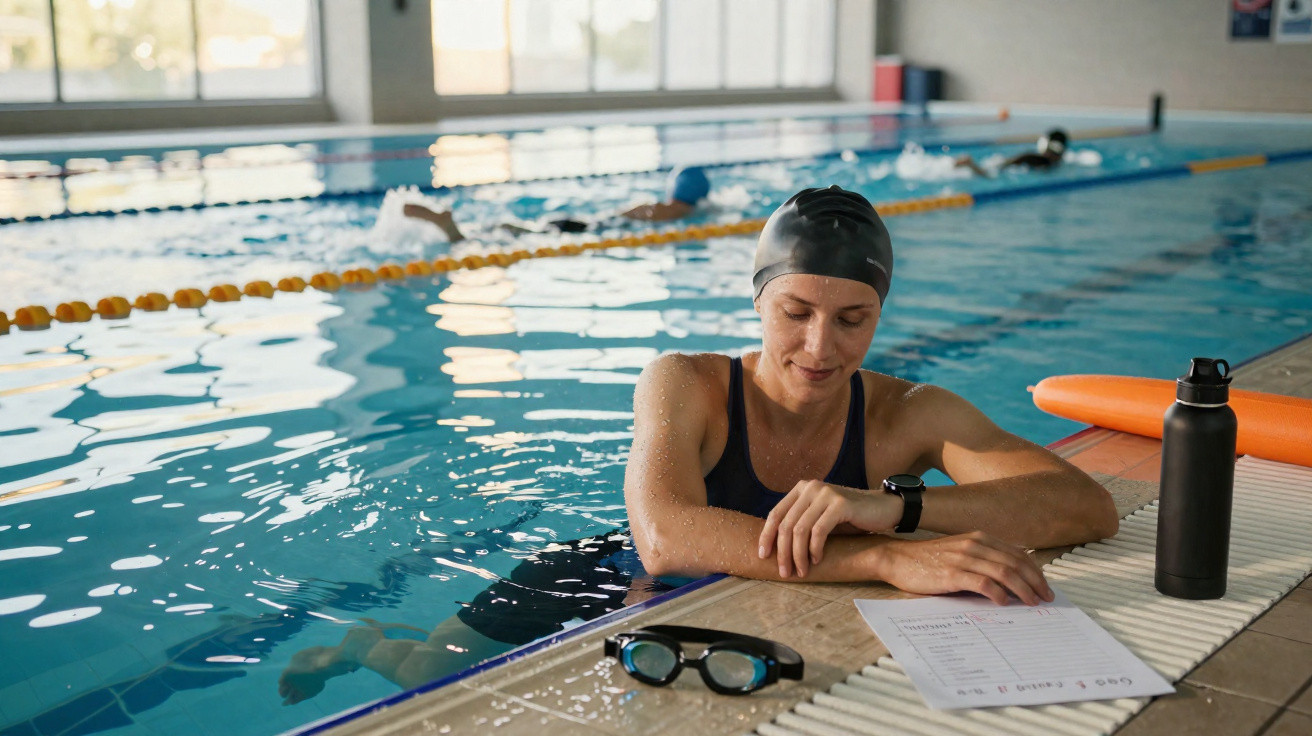
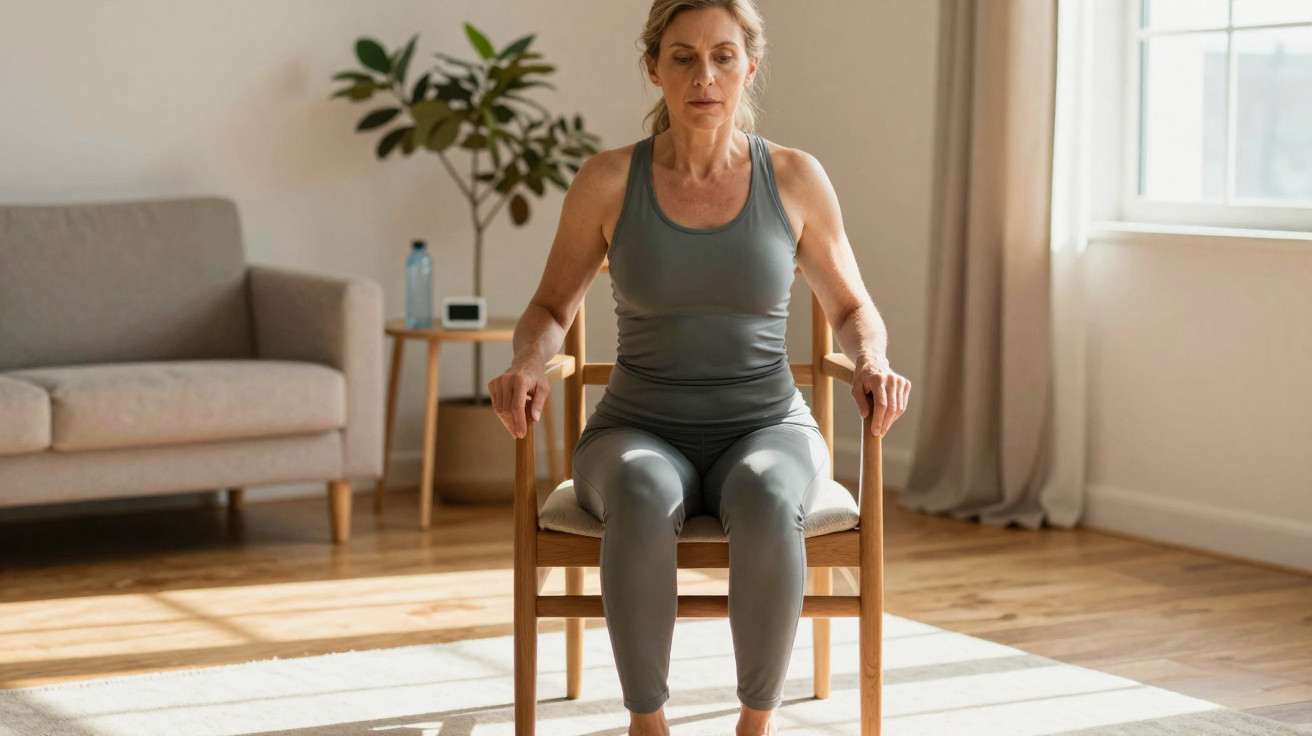
A range of interconnected factors affects longevity. Most are linked to lifestyle, while genetics accounts for 20% to 30%. Nutritionist Ana Sofia Matos explains: “Regular physical activity is among the most decisive factors, directly affecting the maintenance of muscle mass, functional capacity, cardiovascular health and cognitive function. Good-quality sleep plays an essential role in physical and mental recovery, hormonal regulation and metabolic health.” She adds: “Stress management, mental health and the quality of social relationships are equally decisive, being strongly associated with greater longevity and a lower incidence of disease. It is also important to avoid tobacco and moderate alcohol consumption.”
The importance of eating well
For the nutritionist, a healthy diet is central to the way people age and to their quality of life. It can help prevent chronic illnesses and slow biological processes linked to ageing, including hormonal imbalance, chronic inflammation, oxidative stress and changes in cellular energy production. However, data published by Statistics Portugal (INE) in the Portuguese Food Balance 2020–2024 indicates that Portuguese dietary patterns are “unbalanced”, as well as “excessive and inappropriate”.
There is “excessive consumption of meat, fish and eggs and insufficient intake of vegetables and fruit”, while “average energy availability remains high, at around 4000 kcal per person/day”, says Ana Sofia Matos. She notes that there is no “perfect and universal diet”. Even so, the Mediterranean dietary pattern “is one of the most robust examples in scientific evidence” associated with healthy ageing.
Other relevant dietary considerations, the nutritionist says, include favouring meals with a lower glycaemic load; avoiding eating very late to help regulate the insulin response; choosing a varied diet with a balanced inclusion of every food group; and consuming an adequate amount of protein.
The role of vitamins and minerals in longevity
Enzyme cofactors can also support better longevity. António Hipólito de Aguiar, a GP and longevity medicine doctor, explains: “Vitamins and minerals work as enzyme cofactors. They are enzymes, reaction accelerators – in other words, substances that enable our metabolism, our bodily functioning, to work faster, allowing the body to operate more efficiently.” He observes that more people are now aware of healthy ageing and seek clinics specialising in this area of medicine.
According to the doctor, the most relevant vitamins in this respect are B and D. The minerals are potassium, magnesium, zinc and selenium, which are among those most commonly supplemented, alongside coenzyme Q10. This compound supports cellular energy production and acts as an antioxidant in the body, but is used up more than usual because of people’s lifestyles.
Ana Sofia Matos adds: “Although it is naturally produced by the body, coenzyme Q10 levels tend to decrease with age, with a more marked decline from the age of 40, which may contribute to less efficient energy production and greater oxidative stress.” She also highlights the role of nutrients such as fibre, omega-3 fatty acids, natural antioxidants and good-quality proteins.
“The role of compounds related to NAD+ (nicotinamide adenine dinucleotide) has also been studied. This molecule is essential for cellular energy production and for regulating ageing-related processes, such as DNA repair and mitochondrial function. As with Q10, NAD+ levels tend to fall with age, which has generated interest in nutritional strategies that may support its maintenance,” she says.
For Sandra Camacho, “it is important to distinguish between what is well proven and what is still being studied”. She stresses that the benefits of coenzyme Q10 are more widely recognised, including for cardiovascular health, whereas the effects of NAD+ on ageing “have not yet been solidly proven”. In every case, they work best as a “complement”, rather than replacing healthy eating, good sleep hygiene and physical exercise.
Living better depends on many factors
“At certain times, there is an expected excess of supplementation: people think supplements solve everything, but they do not. We still need a balanced diet and all the other forms of care. Naturally, when we see that someone has particular deficiencies – this is assessed during a consultation – supplementation is provided. I do not prescribe supplements if the person does not need them,” says António Hipólito de Aguiar.
Ana Sofia Matos maintains that “healthy ageing is the result of a set of behaviours throughout life, not one isolated factor”. “Getting older is a positive sign, but the way we age depends, to a large extent, on the decisions we make over time,” she concludes.
This project is supported by sponsors, with all content created, edited and produced by Expresso (see the Code of Conduct), without external interference.













Comments
No comments yet. Be the first to comment!
Leave a Comment