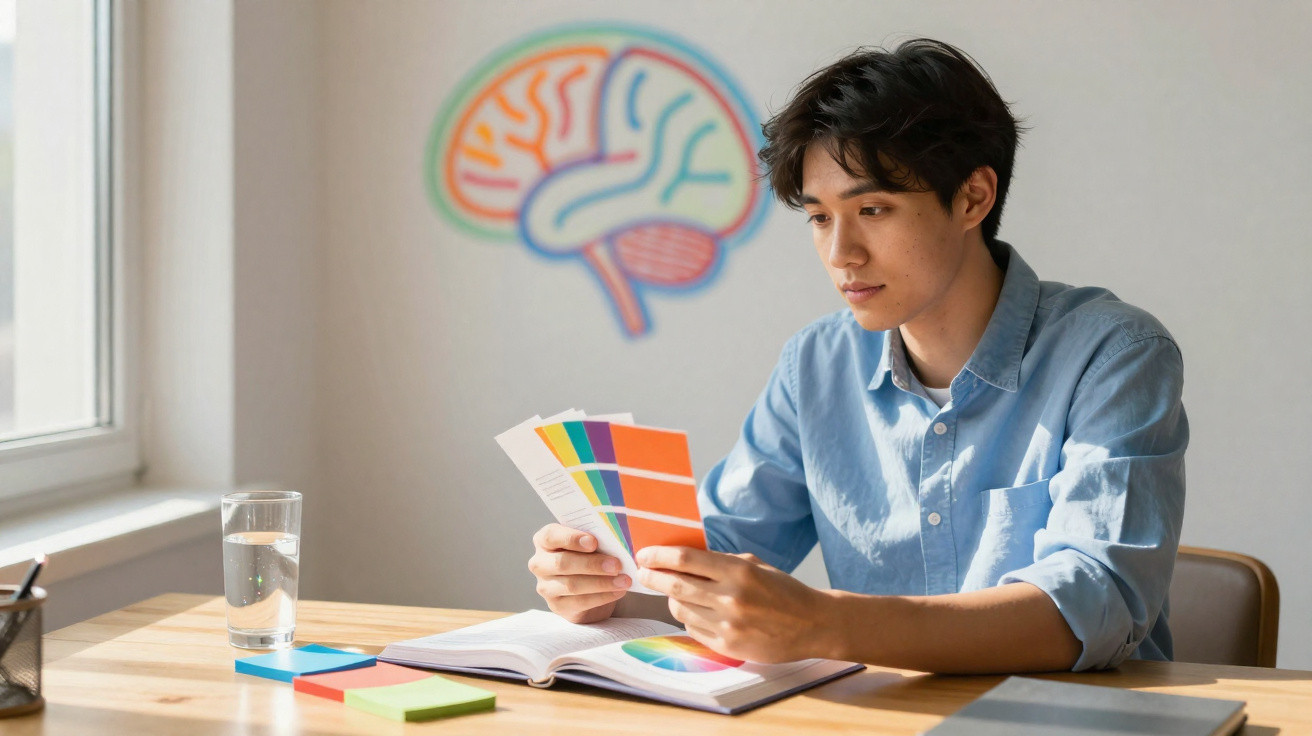
Colours are part of everyday life: in clothing, living rooms, smartphone wallpapers and cars. Most of the time, we instinctively choose what appeals to us. Studies now suggest that these spontaneous choices may reveal something about personality and intelligence - with one particular colour appearing repeatedly.
How colours may be linked to intelligence
The underlying idea sounds almost too straightforward: people with certain personality traits are more likely to be drawn to particular colours. If education, thinking style and personality are connected, colour preferences could also indicate intellectual inclinations. This is the focus of several studies cited in the original report.
A research team whose findings were published on the ScienceDirect platform examined whether a person's course of study or career path affects colour preferences. People who think, organise, plan or create differently may also choose different colours - and this may say something about the type of person they are.
Colour choice may seem trivial at first, but it can serve as a small reflection of our personality and cognitive preferences.
The study in question surveyed 80 students from two very different fields: graphic design and computer science. They were asked which colours they preferred for clothing and interior design. The researchers then compared the characteristics commonly associated with those colours.
What research says colours reveal about personality
The studies on which the article is based draw on familiar associations from colour psychology. Certain examples recur repeatedly:
- Red: often associated with impulsiveness, willingness to take risks and intense emotion
- White: more closely linked with order, professionalism and clarity
- Blue: regarded as calm, trustworthy and analytical
- Orange: connected with success, abundance and enjoyment of life
- Green: evokes nature, growth, stability and security
Media coverage of the studies argues that people who primarily choose strong, aggressive red are, according to some analyses, more inclined towards impulsive behaviour. This is sometimes linked to less considered decision-making. White, by contrast, is often associated with a preference for order and structured thinking.
These associations are not precise measurements, but tendencies. Nevertheless, psychologists use them to identify patterns: how someone responds to stimuli, whether they tend to seek calm or constantly need excitement and thrills. This is where the key question arises: which colour appears especially often among people perceived as calm, focused and intellectually capable?
Blue: the favourite colour most strongly associated with “intelligence”
One colour stood out in the study described: blue. Around 15 per cent of respondents named blue as their preferred colour for clothing. Researchers linked blue more closely with introverted, controlled and dependable personalities - people who enjoy calm, can concentrate for long periods and are more likely to think before acting.
Blue favourite items are considered in many studies to signal calm and dependability - and are therefore readily associated with strong intellectual performance.
Blue also repeatedly appears in other surveys as a “thinker’s colour”. It is associated with:
- clear communication,
- objective analysis,
- planning ability, and
- emotional stability.
People who display these qualities more often perform well in IQ tests or in higher education. This leads many to describe blue as “the favourite colour of intelligent people”.
Importantly, the studies do not prove that blue automatically makes its fans more intelligent. Rather, they indicate that people who see themselves as level-headed, organised and logical thinkers are often attracted to blue - and this group achieves better educational outcomes on average.
Why blue is viewed so positively
Blue has a particularly positive image in everyday life. Many people associate it with the sky, the sea, openness, coolness and distance from stress. Businesses often use shades of blue in offices to convey seriousness and trust, for example in banks and major technology firms.
Typical associations with blue include:
- calm rather than overstimulation - ideal for sustained thought
- structure and clarity - suited to analytical work
- detachment - responding less instinctively and more rationally
This combination is often perceived by others as “intelligent”. Someone who is rarely loud, appears dependable and argues objectively is quickly labelled “clever”. It is therefore unsurprising that surveys and interpretations have created a small cult around blue favourite colours.
Red, orange and green: what other colours may signal
Red: energy at a cost
People who favour almost exclusively red can appear passionate, courageous and sometimes aggressive to many observers. Studies connect red with strong emotion and spontaneity. This does not have to be a disadvantage, but it can mean decisions are weighed up less carefully - and this is where some authors draw a link to lower “cognitive control”.
Orange and green: success, abundance and nature
Orange is frequently associated with success, optimism and material abundance. In some analyses, people who love orange are seen as extroverted and motivated by visible recognition. Green traditionally represents growth, health and closeness to nature, while also suggesting security and stability.
People who use a great deal of green in their home more often describe themselves in surveys as balanced and down-to-earth. These traits can certainly support intellectual performance, but public perception less often labels them as “especially intelligent” than the cool, objective character of blue.
How reliable are claims about colour and intelligence?
For all their appeal, the available studies rely on small groups and numerous assumptions. Eighty participants from two disciplines - graphic design and computer science - are not enough to establish universally valid rules about intelligence and colour. Cultural influences must also be considered: in some countries, white seems celebratory, while elsewhere it feels more clinical and cold.
Colour psychology provides interesting clues, but not an IQ test in your wardrobe.
The interpretation itself also remains subjective. Someone who likes blue may consider themselves especially reflective and choose the colour for exactly that reason - a classic feedback effect. In their publications, the researchers themselves call for much larger studies to test whether stable connections exist.
Using colour psychology effectively in everyday life
Despite all these limitations, the findings can still offer practical value. Colours influence mood, concentration and how others perceive us. Anyone who designs their surroundings consciously can benefit from this - whether it is directly reflected in IQ is of secondary importance.
Some practical examples include:
- Working from home: Blue or green accents in a workspace may have a calming effect and support concentration.
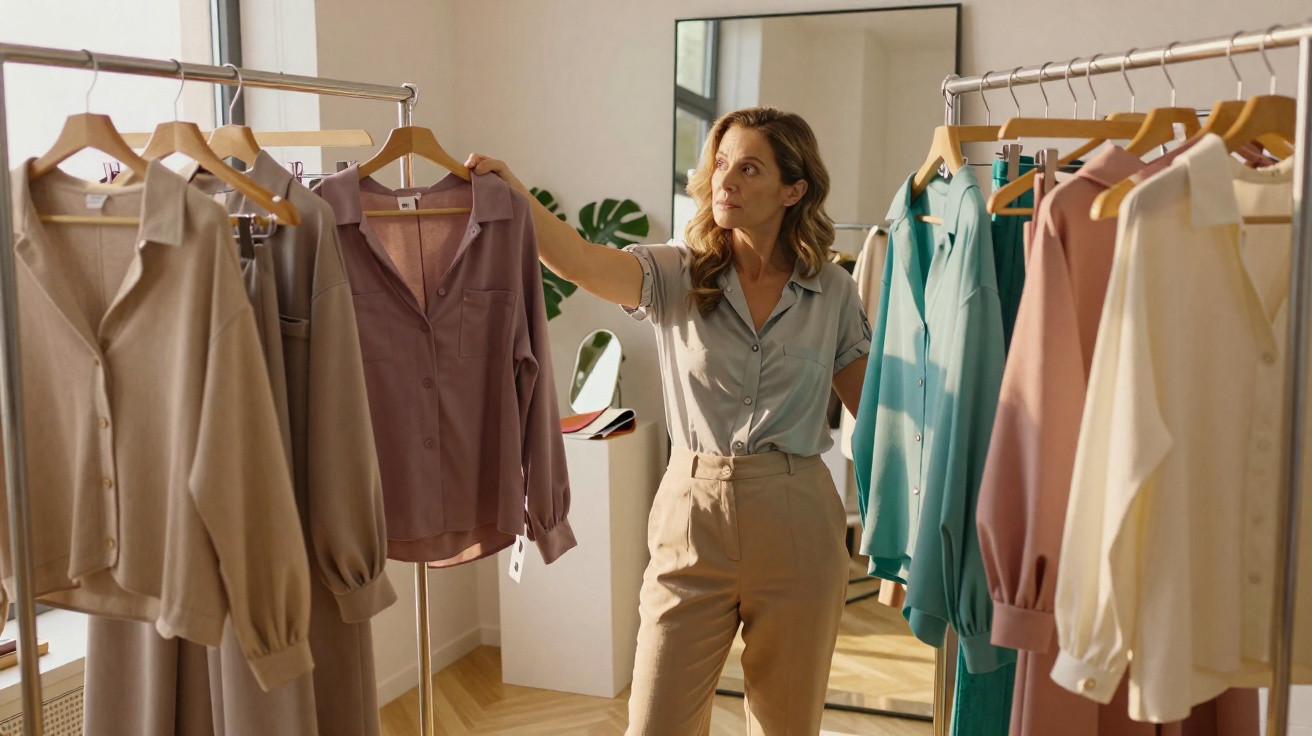
- Job interview: Clothing in muted blue or grey shades appears professional and competent to many recruiters.
- Children’s study room: Too much vivid red can be overstimulating, while muted shades support longer periods of focus.
- Bedroom: Soft blue or green supports periods of rest far better than extremely bright colours.
Anyone who notices that they feel restless or tired in particular rooms can try changing the colour accents. A different curtain, rug or new wall art can be enough to alter the feel of a space.
Why we are interested in “intelligent colours”
The strong response to studies of this kind also has a social dimension. Many people want to appear more intelligent, organised and professional to others. When one colour - blue in this case - is presented as a visual signal of intelligence, many instinctively choose it. The fashion and interior design industries often react very quickly to such trends.
At the same time, there is a psychological desire behind this interest: we look for simple clues to help us assess other people more easily. A favourite colour lends itself to this because it is visible and easy to ask about. However, anyone familiar with these signals should not treat them as a final judgement. A red jacket says nothing about how well someone can programme, argue or solve problems.
One point remains interesting nonetheless: among a wide range of shades, blue appears strikingly often in studies, offices and wardrobes belonging to people who describe themselves as analytical, calm and performance-oriented. Whether this indicates intelligence or merely a particular self-image is something research will need to clarify in the coming years.
















Comments
No comments yet. Be the first to comment!
Leave a Comment