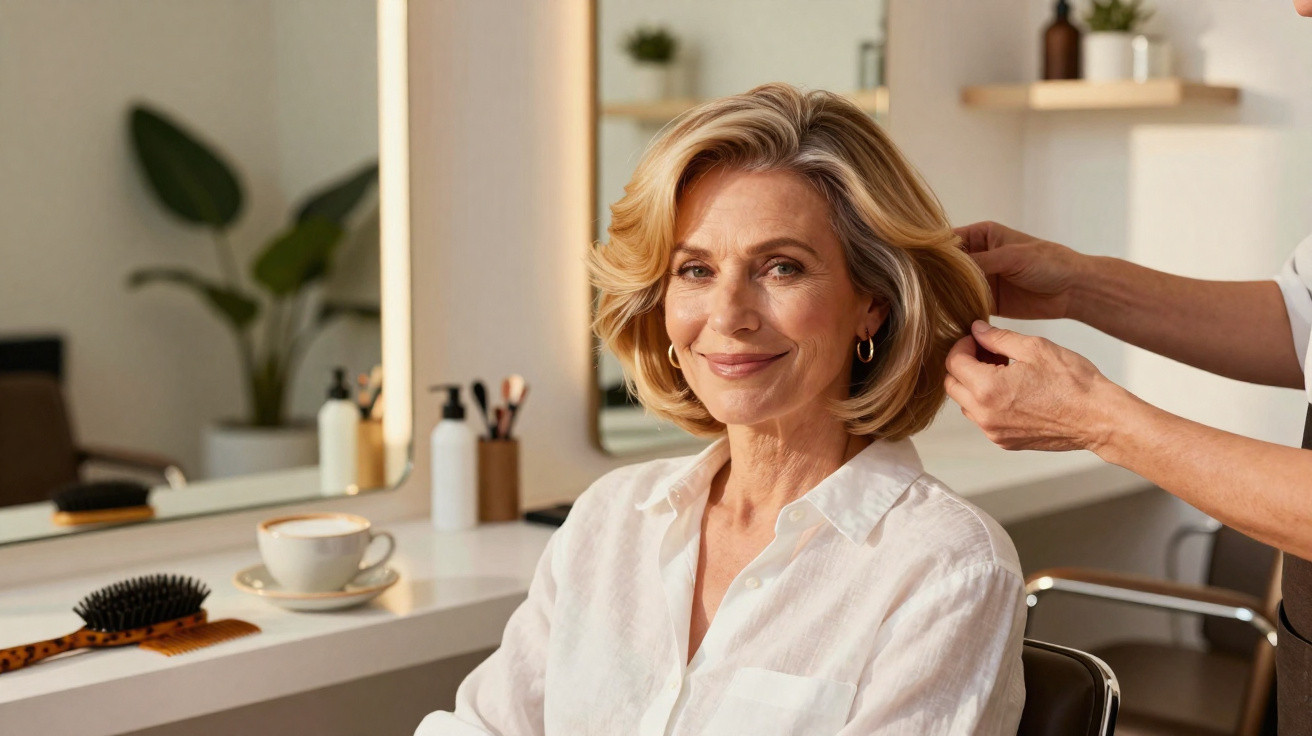
Her stylist raised a photograph on her phone. It was neither a Kardashian nor a TikTok star, but a grainy black-and-white image dating from 1966: flicked-out ends, a soft crown and a fringe with a touch of rebelliousness.
The atmosphere in the room changed slightly. Two other women looked up from their magazines. One murmured, “Oh my god, the flip is back?” The stylist laughed. “Not just back. 2026 is going to be its year.”
As the scissors began their work, the woman in the mirror straightened her posture. Her jawline seemed instantly more defined, and her eyes more luminous. This was more than simply a haircut. It felt like travelling through time, only with better products and more knowing eyes.
She walked out wearing a modern 1960s flip, with a stride that seemed to say: I remember who I am.
That is where the real story begins.
The 1960s flip: why this “old” cut feels fresh after 50
Step into any fashion-forward salon at the moment and it is there on the inspiration boards: the refreshed 1960s flip. It features soft, shoulder-skimming layers, outward-turned ends and a fringe that can be swept aside or parted. Rather than the rigid helmet shape seen in old television programmes, it is a softer, lighter interpretation.
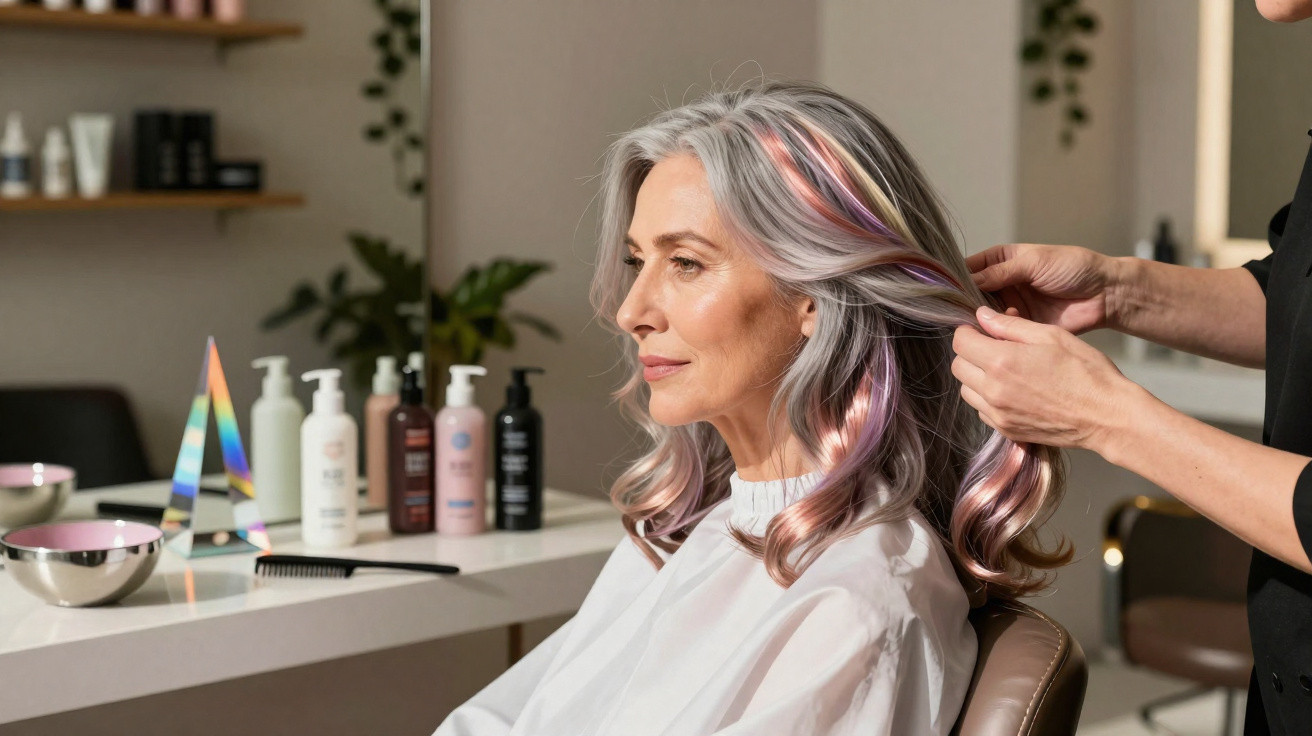
For women over 50, it delivers something quietly radical. It reveals the face rather than concealing it. It frames laughter lines instead of acting as though they do not exist. It also restores that subtle swing when you turn your head, as if your hair has found its voice again.
Hairdressers discuss it with a sense of relief. At last, there is a style that does not attempt to make a 55-year-old resemble a 25-year-old. Instead, it makes her look like the most polished, striking version of the age she truly is. That is the direction the trend is taking in 2026.
At a London salon last autumn, stylist Jess had three appointments in one week with women over 60 requesting “something like Jane Fonda in the 60s, but not costume-y.” They did not know it was called a “flip”. What they recognised was the feeling they wanted: lightness, lift and a whisper of rebellion without any need to shout.
Jess began sharing before-and-after pictures on Instagram: shoulder-length hair, gentle volume at the crown, a side-swept fringe, and ends that grazed the collarbone before flicking outwards. Her followers in their twenties saved the images. Those in their fifties forwarded them to their hairdressers, adding “THIS, please” in capital letters.
By early 2025, surveys conducted by major salon chains in the US and UK revealed a rise in requests from women aged 48–65 for “mid-length layered cuts with outward flip”. Nobody was describing it as a comeback yet. They were simply sensing something that felt both familiar and unexpectedly contemporary. It was rather like finding an old favourite song and hearing it remastered in HD.
Part of the 1960s flip’s appeal after 50 is psychological. It draws on a decade associated with transformation and self-assertion. For many women, the 1960s were when they watched their older sisters or mothers experiment with shorter hemlines and more daring hair. That recollection remains in the collective consciousness, even if you never wore a mini skirt yourself.
There is also a straightforward visual technique involved. Flicked ends lead the eye outwards and upwards rather than down the neck. That small outward curve elevates the entire facial silhouette. Beauty marketers promise the same result through elaborate “contouring” and costly skincare; a well-executed flip achieves it with a round brush and thoughtfully placed layers.
As 2026 draws nearer, trend forecasters are unequivocal: hair is moving away from dense, flat blocks of length. The modern flip is defined by airiness, movement and edges that declare: I’ve lived, and I’m still in motion.
How to wear the 2026 flip after 50 without looking “stuck in the past”
The contemporary flip depends technically on its length and layers. Go too short and it risks becoming strictly retro. Make it too long and the ends lose their bounce, beginning to hang instead. For most women over 50, the ideal length falls between the nape of the neck and the tops of the shoulders.
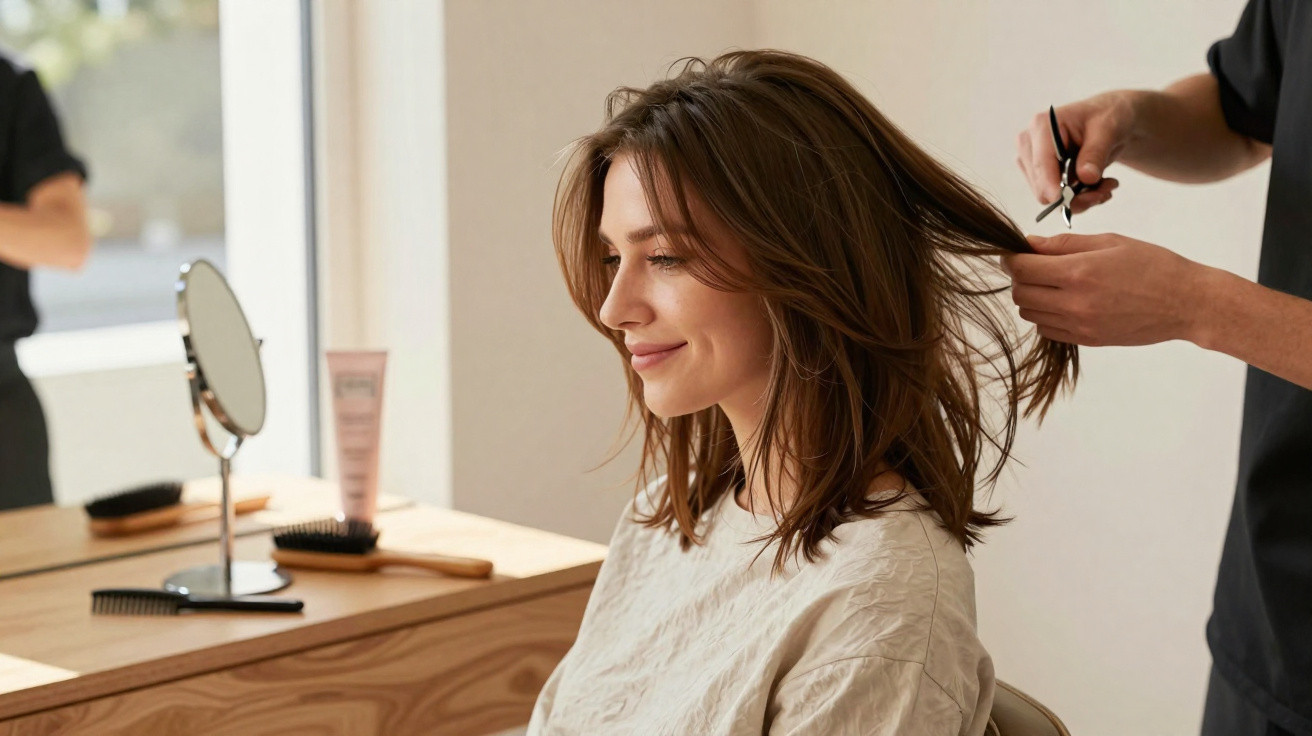
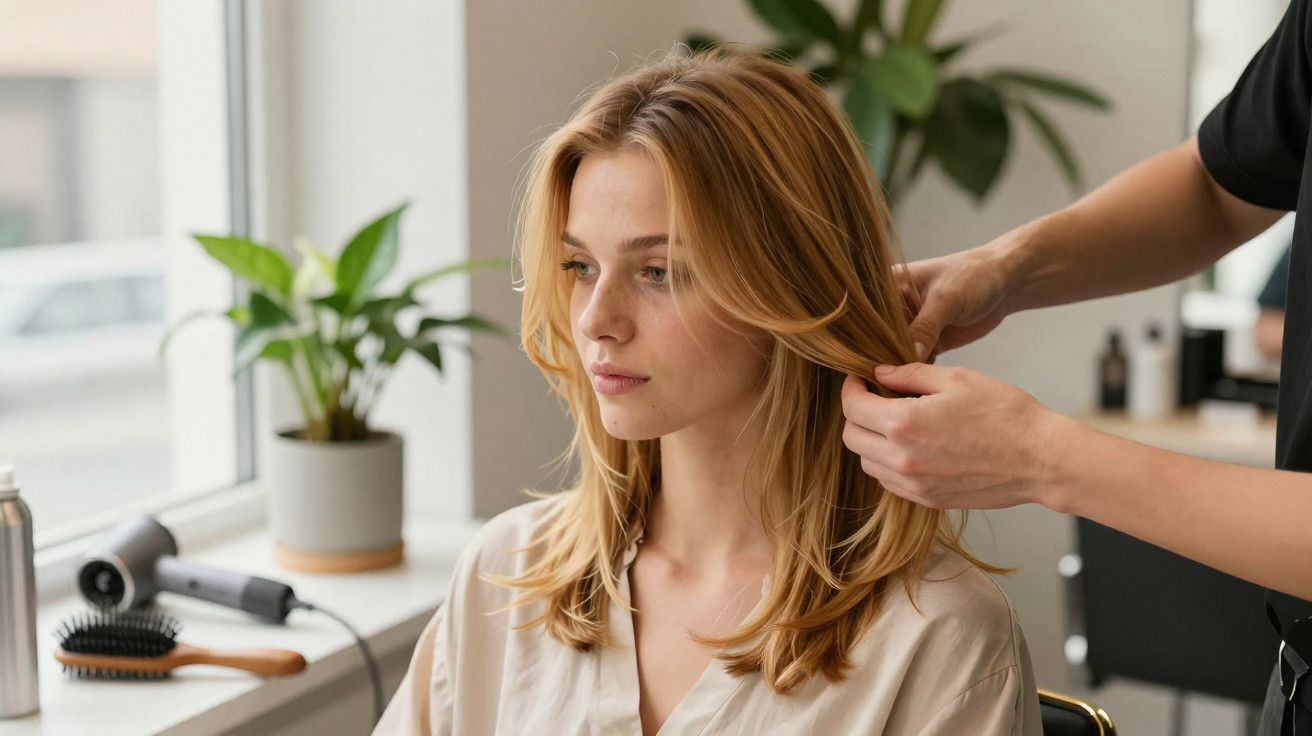
Ask your hairdresser for soft, graduated layers that become lighter towards the ends, rather than severe chopping. The hair should naturally want to turn out when it meets your shoulders or collar. A long, lightly textured fringe that can be parted or brushed to one side keeps the look current and works easily with glasses.
When styling, leave the firm 1960s rollers behind. A medium round brush, lightweight volumising spray at the roots and smoothing cream through the ends will do the job. Blow-dry the lengths largely straight, then turn only the final 2–3 centimetres slightly outwards. Use two passes, not ten. Your hair should still move when you shake your head.
After 50, it can be tempting to believe that a “safe” haircut is one requiring no attention at all. Yet hair left entirely unattended usually makes you look older. The modern flip needs a small daily action rather than a regimented routine: a quick burst of the dryer at the crown for lift, then a gentle re-bend of the ends if they have flattened overnight.
Hairdressers notice the same theme repeatedly. Women come in saying, “I want low-maintenance.” Often, what they mean is, “I don’t want to need too much from myself.” Between life, work and caring responsibilities, they are tired. When cut intelligently, the flip can be low-effort, while still conveying: I give myself five minutes in the morning. That matters.
Let’s be honest: nobody really does that every day. There will be pinned-back days, messy-bun days and hat days, and that is fine. The cut is forgiving. Even when the flip has eased into a soft wave, the layered structure keeps the outline lively on less energetic days. Movement is more interesting than perfection.
“Women after 50 don’t want ‘anti-ageing hair’,” says colorist and stylist Maya R. “They want hair that agrees with them. The flip works because it’s nostalgic without freezing you in a time capsule. It says: yes, I remember the 60s… and I’ve moved on.”
To make the flip properly your own, focus on small personal signatures instead of replicating a celebrity image.
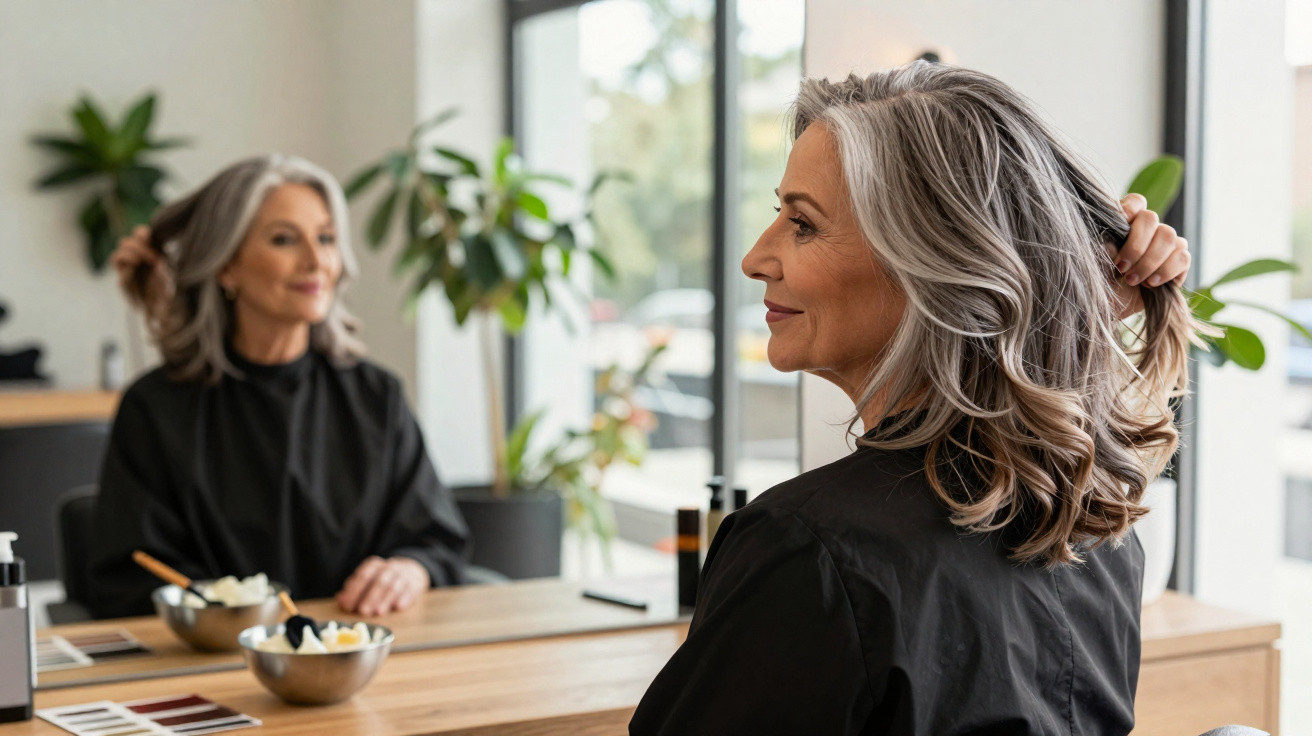
- Soft, warm highlights around the face if your skin tone needs brightening.
- A slightly choppier fringe if your look is more artistic or rock-inspired.
- A sleeker, near one-length flip if your wardrobe is minimalist.
- Extra lift at the crown if you are after that discreet “mini facelift” effect.
The only genuine error is taking it too far into rigidity: immovable ends, lacquered volume or colour so flat that it resembles a wig. Hair after 50 responds well to softness, subtle tonal variation and some movement. The 2026 version of the 1960s flip is less about copying a decade than discreetly rewriting it on your own head.
More than a haircut: what the flip says about ageing in 2026
Look at the expression of a woman over 50 when she sees her new flip in the mirror and something subtle becomes apparent. Rather than gasping, “I look younger!”, she is more likely to say, “I look like me again.” It is a different feeling: less fantasy, more reconnection.
At a deeper level, this style has emerged at a particular time. Generations raised with firm ideas of what “respectable” hair should be after 50 are now challenging that narrative. Shoulder-length ends with a little rebellion, a fringe that falls towards the eyes: this is not the hair of someone quietly leaving the stage. It belongs to someone beginning a new chapter, not shutting the book.
There is an unspoken emotional setting to this. On a hectic Tuesday, amid emails, medical appointments and family messages, making a hair appointment can feel almost excessively self-centred. We have all had that moment of catching our reflection in a shop window and wondering: when did I begin to disappear a little? A flip does not repair a life. It simply makes the person living it more visible to herself.
Stylists have reported an interesting change: when women request the flip, the conversation in the chair shifts. They no longer speak only about greys and thinning hair. They discuss launching businesses in their fifties, dating again and learning to say no. Hair becomes shorthand for this internal renegotiation.
A cut from the 1960s returning in 2026 is more than a fashion cycle. It is a quiet declaration that not everything from the past belongs in the loft. Some ideas improve with age: freedom, playfulness and the right to occupy a little space in a room, fringed, flicked and fully present.
So, if that photograph from 1966 keeps appearing in your feed and pulling at you, do not write it off as a frivolous trend. It may be your future self tapping you on the shoulder.
| Key point | Detail | Why it matters to the reader |
|---|---|---|
| Ideal length | Between the nape of the neck and the shoulders, with soft layers | Helps you picture a cut suited to a face after 50 |
| Modern “flip” style | Ends turned slightly outwards, soft movement, not stiff | Avoids a costume-like retro effect and keeps the look current for 2026 |
| Realistic upkeep | A few minutes with a round brush and lightweight product | Makes it possible to adopt a manageable routine without feeling overwhelmed |









Comments
No comments yet. Be the first to comment!
Leave a Comment