Salon bookings, root cover-ups, filters: plenty of people battle each fresh silver strand, whereas others are quietly seeking kinder alternatives.
Caught between harsh colourants and the growing popularity of “quiet” beauty routines, an at-home approach is attracting attention: applying cold directly to the scalp in the hope of supporting pigment and making grey hair less noticeable. It may sound almost implausibly straightforward, but it reflects the increasing demand for affordable, low-chemical options capable of producing a visible difference.
Why hair actually turns grey
Grey hair does not develop instantly, although it can seem as though it has. Within every hair follicle, specialist cells known as melanocytes create melanin, the pigment responsible for hair colour. As time passes, these cells become less active before eventually stopping altogether. With less pigment present, hair reflects more light, producing the familiar silver and, later, white appearance.
Genetics are responsible for most of this process. While some people begin greying in their twenties, others may see hardly a white hair by the age of 60. Smoking, oxidative stress, lifestyle factors and certain deficiencies may accelerate the change, but they are seldom the sole cause. So-called anti-grey “miracles” frequently overlook this fundamental biology.
Conventional hair colour conceals the change straight away. However, repeated colouring may weaken the hair fibre, dry the scalp and demand ongoing upkeep that many find draining, both mentally and financially. The search for gentler, more adaptable approaches has therefore become stronger than ever.
Grey hair is largely genetic and harmless, but the way it changes how we see ourselves can feel very real - especially when it arrives early.
The scalp-cooling trend aiming to slow greying
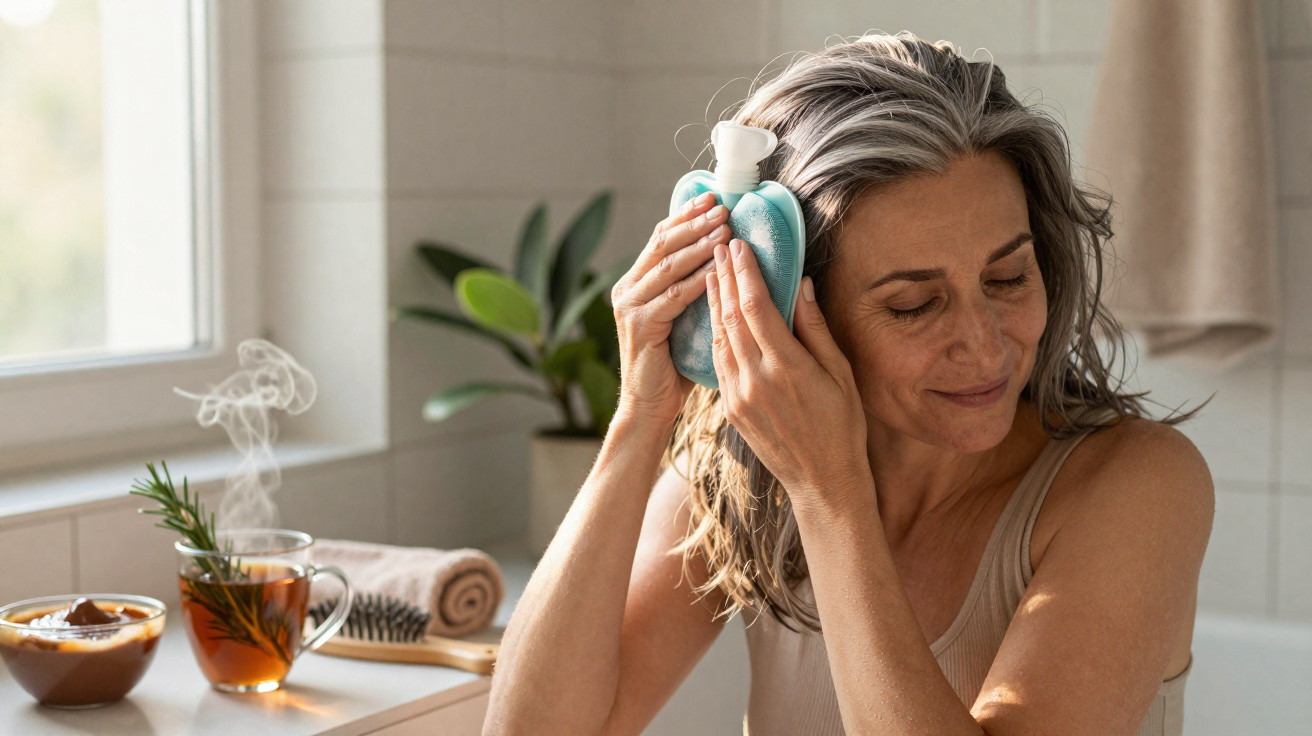
A DIY practice is gaining ground across social media and beauty forums: cooling the scalp, sometimes referred to as “cold therapy” or informal scalp cryotherapy. Its basic idea is simple: cool the scalp briefly, causing blood vessels to constrict, then allow them to open again as the skin returns to its normal temperature.
This pattern - vasoconstriction followed by vasodilation - is believed to encourage microcirculation. In theory, improved blood flow may help oxygen and nutrients reach the hair follicles more effectively. Advocates say this additional support could enable melanocytes to remain active for longer or work marginally better.
At present, robust clinical research into cold therapy and hair pigment is virtually absent. Available claims rely on informed assumptions about the effects of cold on circulation and inflammation, alongside anecdotal accounts from people who feel their hair appears “deeper” or “more alive” after a few weeks.
Cold therapy for grey hair sits in a grey zone: scientifically uncertain, but low-cost and relatively low risk when used with common sense.
How to use cold on the scalp safely at home
Dermatologists generally advise against extremes, including intense heat, harsh exfoliation and applying bare ice directly to skin. A gentler routine instead combines mild products with carefully controlled cold.
- Cool your care products, rather than freezing them. Put a gentle, alcohol-free hair mask in the fridge for roughly 30 minutes before applying it.
- Do not put ice straight onto the skin. When using ice, wrap a cube in a thin cotton cloth or clean flannel to avoid cold burns.
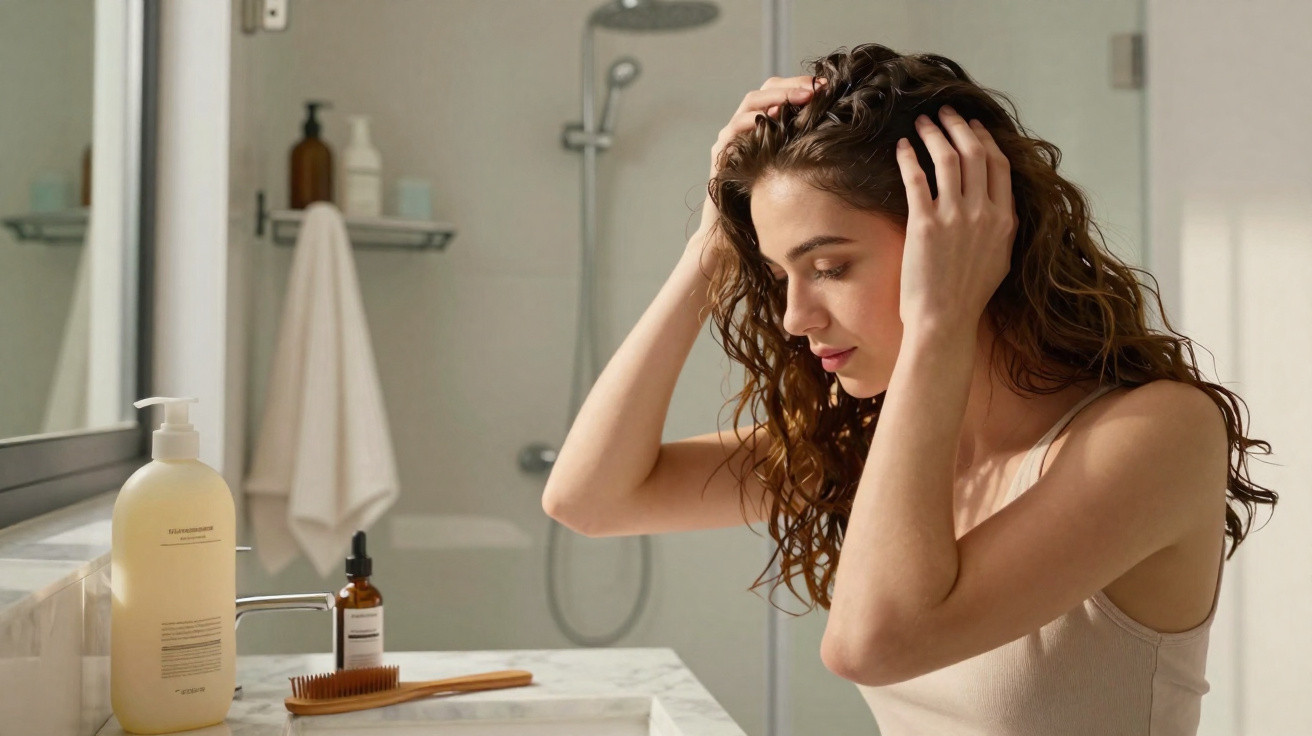
- Keep the massage short. Massage the scalp in circular movements for only two to three minutes, working section by section. Brief, frequent sessions are preferable to long, forceful ones.
- Use it two to three times weekly. Regularity is more important than intensity.
- Avoid use on an irritated scalp. Do not use cold on skin that is damaged or inflamed, and get medical advice if you have circulation issues or significant sensitivity to cold.
The sensible objective is limited: a more refreshed scalp, marginally improved microcirculation and possibly less contrast between coloured and white hairs over time, particularly at the earliest stages of greying.
Natural boosts that can darken hair… a little
Cold will not restore colour to hair on its own. Many people pair scalp-cooling practices with botanical rinses and masks designed to add a light wash of colour and shine. Rather than acting as traditional dyes, these work more like gentle filters that soften the pronounced “salt and pepper” look.
Herbal infusions that give depth and shine
Some plants contain tannins and antioxidants that can leave behind a very slight tint while potentially promoting scalp comfort. With repeated application, they may alter the way grey hair reflects light.
| Plant | Main benefit | Best suited for |
|---|---|---|
| Black tea | Gives a gentle brownish veil through its tannins | Light brown to medium brown hair |
| Rosemary | Refreshes the scalp and enhances shine | Dull or lacklustre hair with scattered greys |
| Sage | Provides a subtle darkening effect and antioxidant action | Early greying and stressed scalps |
| Nettle | A traditional tonic for the look of the hair | Fine hair that appears tired or fragile |
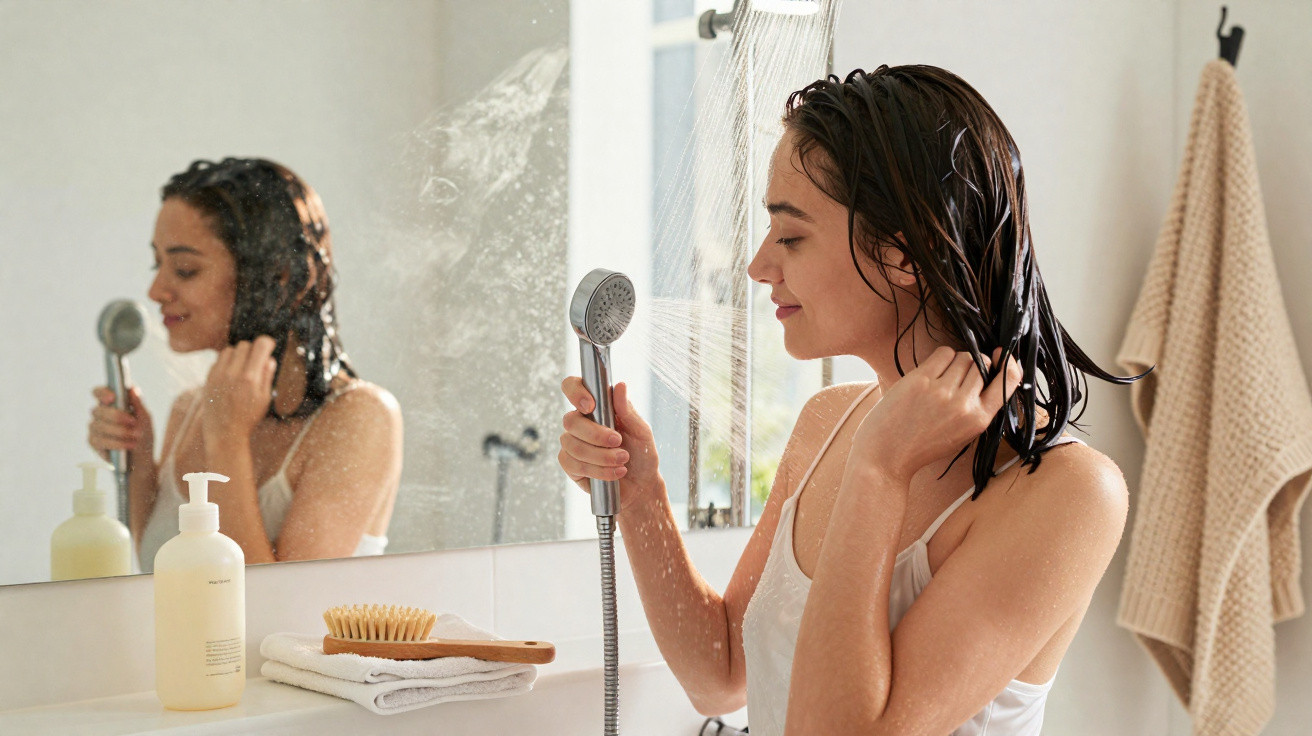
For a rinse, infuse your chosen plant in hot water for 10 to 15 minutes to create a strong brew. Allow it to cool fully to room temperature. As a final rinse after washing, pour it slowly through freshly cleansed hair and squeeze away excess water with your hands rather than rubbing it dry with a towel.
Some devotees take the method further by freezing these infusions in ice-cube trays. They use the wrapped cubes for a cold scalp massage in the same way as plain ice. Although the mix of low temperature and plant compounds is unlikely to reverse grey hair, it may lend the hair more character and lessen the “flat white” effect that many dislike.
The cocoa and honey mask gaining fans online
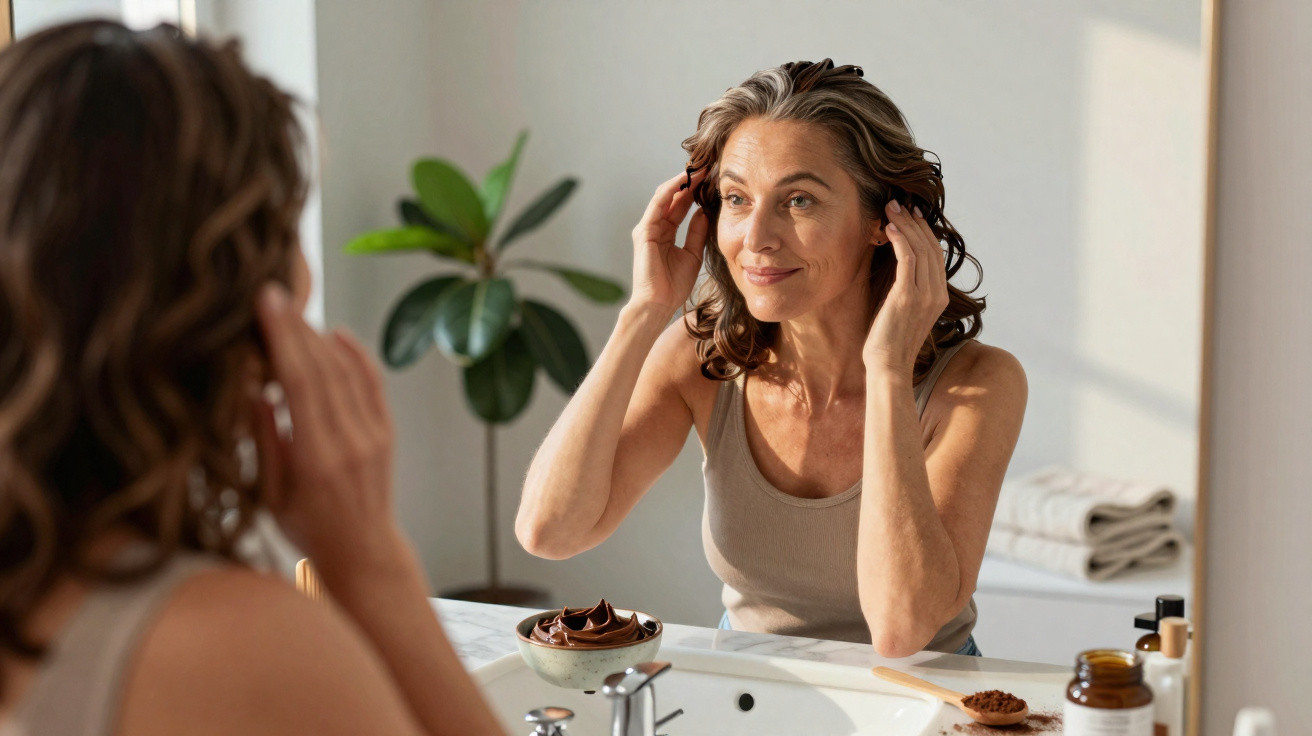
Another popular homemade treatment uses kitchen-cupboard staples: unsweetened cocoa powder and honey. Cocoa supplies natural pigments and polyphenols, while honey helps the mixture adhere to the hair and stops the paste drying too fast.
Those who apply it regularly report richer, warmer shades on brown hair and grey streaks that look slightly less defined, particularly around the temples.
- Combine three tablespoons of unsweetened cocoa with three tablespoons of honey to form a smooth paste.
- Spread it over dry hair from roots to ends, concentrating on the areas where grey hairs are most visible.
- Leave it in for around one hour, preferably beneath a shower cap to retain warmth and moisture.
- Rinse well, then use a gentle shampoo if necessary.
This mask does not work like a professional salon colour treatment. Its result is subtle and short-lived, more like a tinted gloss than a permanent colour. Testing it first on a small section of hair and a little skin behind the ear is still advisable, especially if your scalp is sensitive.
Managing expectations: what cold therapy can and cannot do
Specialists stress one point above all: no home routine can guarantee a complete return to your original colour. Genetics and age-related follicle changes create a one-way process. Even so, there is room for subtle changes in hair appearance.
A scalp-conscious regimen that includes consistent massage, antioxidant-rich treatments, plant rinses and restrained use of heated styling tools often improves shine and overall texture. When hair reflects light more evenly, grey strands can blend more naturally with surrounding hairs, even where the pigment within the fibre has not altered greatly.
The realistic goal is not to erase grey hair, but to shift how visible it looks: softer contrasts, more glow, and a style that feels intentional rather than resigned.
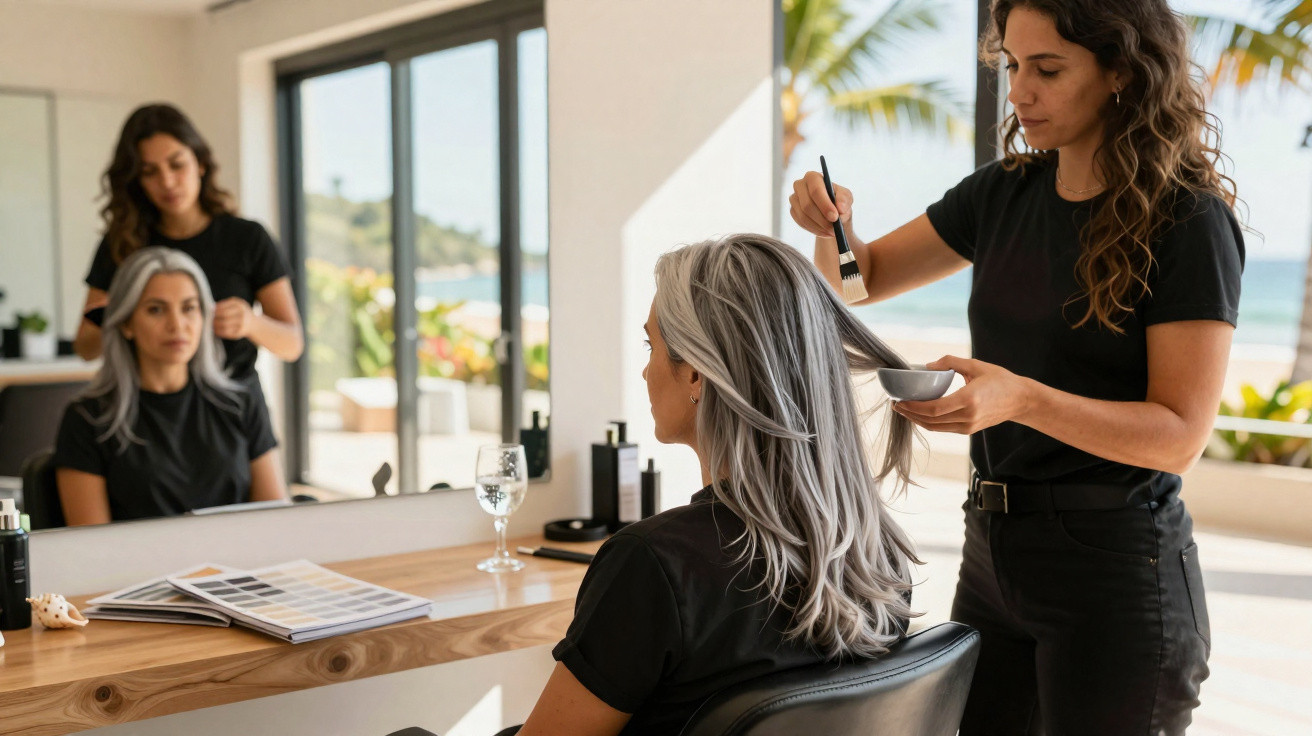
For people seeking more substantial coverage, professional colouring remains effective when approached sparingly. Colourists now increasingly provide options that work with greys rather than against them, including glosses that soften stark white tones, low-commitment glazes and carefully placed highlights that recreate sun-kissed strands and break up obvious “grow-out” lines.
Safety questions people should ask before trying
Every at-home trend, including a relatively gentle one, requires basic care. Bare ice can cause irritation or even minor cold burns, particularly around the thin skin at the temples. Highly concentrated herbal infusions may trigger allergic reactions in those sensitive to plants. Honey is usually well tolerated, but it can feel overly heavy on exceptionally fine or oily hair.
These straightforward guidelines can help minimise the risk:
- Limit cold exposure and never hold unwrapped ice against one area.
- Try new herbal rinses and masks on a small patch 24 hours before applying them fully.
- Stop all experiments if the scalp burns, flakes excessively or develops red areas.
- Seek medical advice if grey hair appears abruptly alongside rapid shedding or bald patches, as this could point to an underlying condition.
Why this low-tech approach resonates right now
The return of interest in these uncomplicated methods reveals much about modern beauty concerns. People want to appear youthful and well rested, while remaining cautious about harsh chemicals, frequent bleaching and the expectation that every sign of ageing should be concealed. Grey hair stands precisely at that intersection: highly visible and emotionally loaded, yet medically harmless.
Cold therapy, herbal rinses and edible masks align with a wider move towards “soft intervention” routines. Instead of requiring substantial spending, they call for time and consistency. They can also offer a sense of agency: a sink-side or shower ritual that creates a small pause in the day and discreetly supports self-image.
For anyone thinking of trying these approaches, curiosity paired with detachment is likely to be the most helpful attitude. Care for the scalp as skin that merits attention, regard grey hairs as part of your own story, and treat any added colour depth as a bonus rather than a guarantee. Over time, this outlook may alter not just the appearance of your hair, but also your feelings about each new silver strand.








Comments
No comments yet. Be the first to comment!
Leave a Comment