Shine first, fuss last.
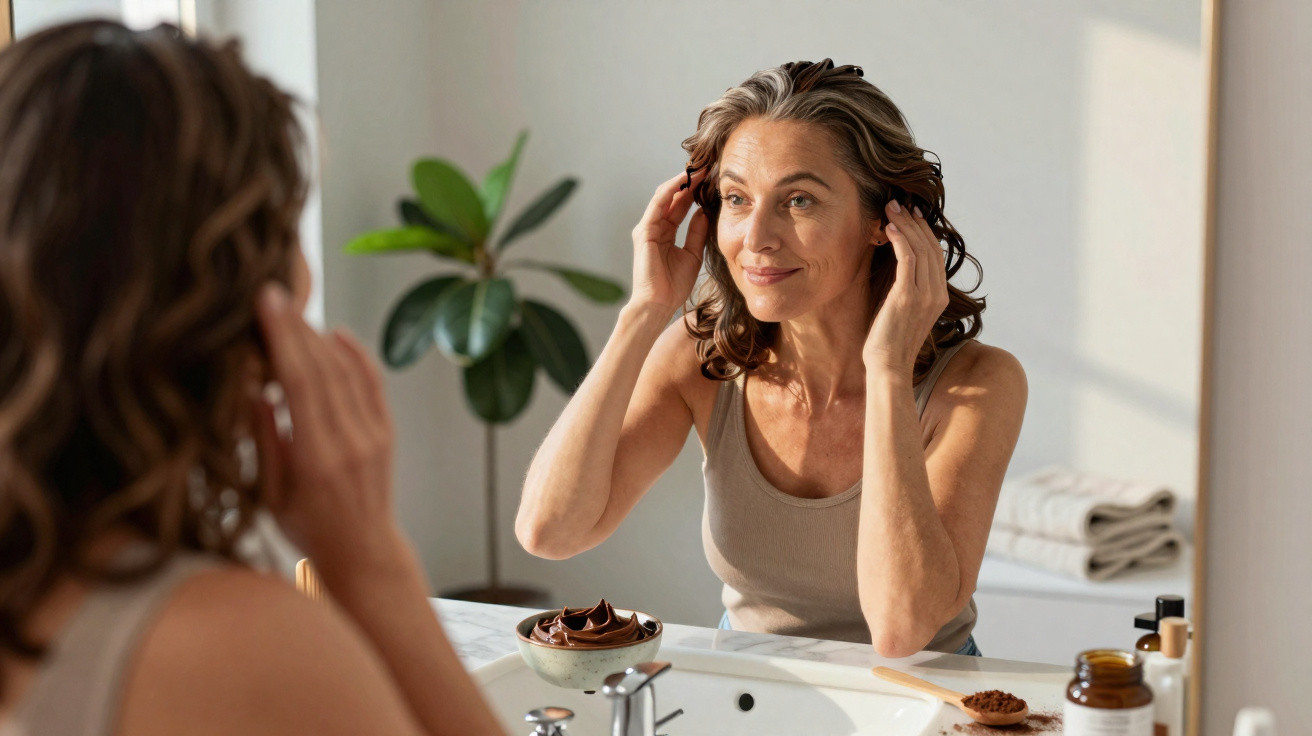
A growing move towards low-tox routines, tighter budgets and DIY beauty care has brought an old cupboard staple into the haircare limelight. The talking point is a cacao-based mask that softens the appearance of grey at the temples while lending the face a warmer, glossier look.
Why grey coverage is changing
Conventional dyes cause reactions for many people, particularly products containing PPD or high levels of ammonia. An itchy scalp, dryness and colour that fades after a fortnight are hardly appealing. Factor in increasing salon top-up costs and the discarded single-use gloves and tubes, and at-home options begin to make sense.
This newer approach combines tinting with care. Rather than driving colour deep into each strand, it creates a surface veil to reduce the starkness of silver hairs while nourishing the scalp.
Cacao offers a soft-focus tint and a nutrition boost in one bowl: antioxidants for the scalp, minerals for strength, and a brown pigment that mutes silver without a harsh line of regrowth.
Meet cacao: the pantry shade booster
Pure cacao powder contains flavonoids, which may help protect follicles against oxidative stress. It also supplies magnesium, iron and zinc, nutrients associated with a balanced scalp and stronger hair fibres. Most importantly, its naturally brown pigment adheres to the cuticle, giving grey hair a soft wash of colour and added shine.
Use 100% cacao or cocoa without sugar, milk or added flavourings. Dutch-processed cocoa has been alkalised, potentially reducing both its nutrients and colour result. Raw or natural cacao tends to deliver the most dependable outcome.
How to make the cacao mask
Ingredients
- 3 level tbsp 100% cacao powder
- 2–3 tbsp natural yoghurt or one ripe mashed banana (for slip and light protein)
- 1 tbsp runny honey or aloe gel (for moisture and improved pigment grip)
- Optional: 1 tsp ground coffee or strong black tea for a cooler brown tone
Method
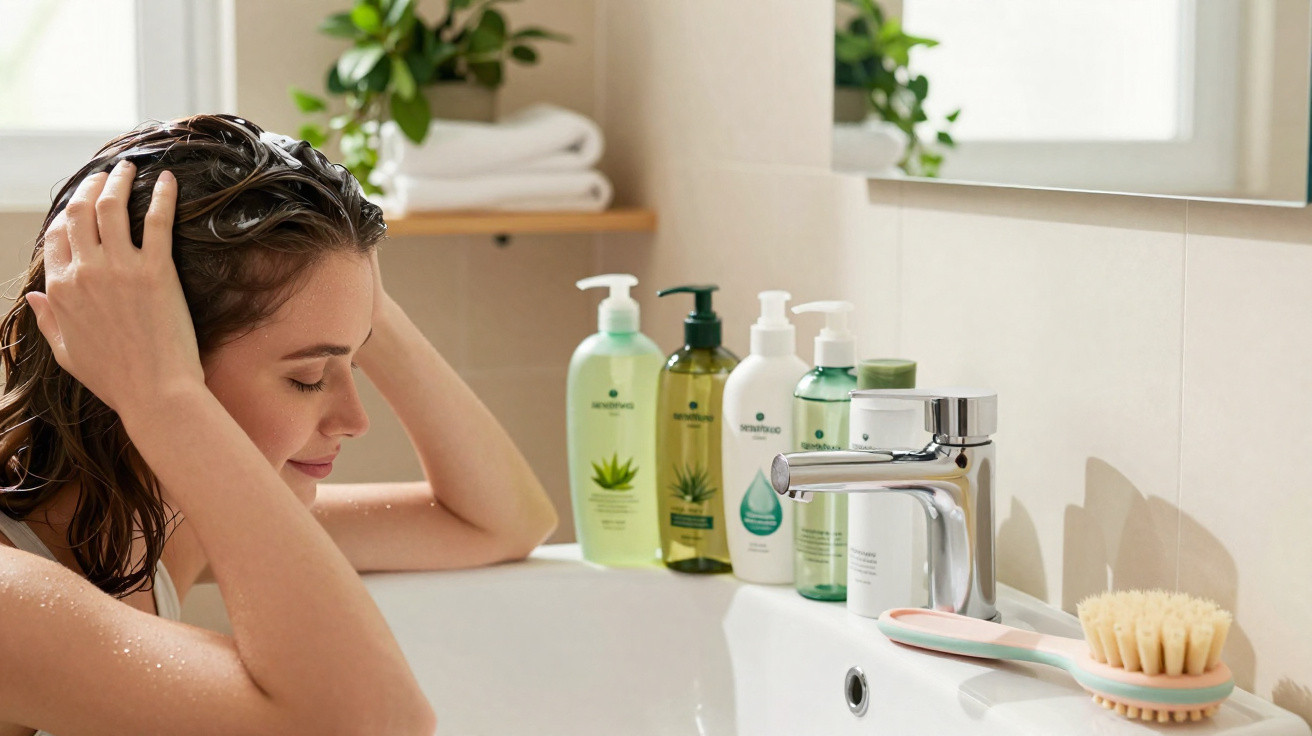
- Wash your hair with shampoo, then towel-dry it until damp rather than dripping wet.
- Whisk the ingredients into a smooth paste. If it is too thick, add a small splash of warm water.
- With a tint brush, apply the mixture from root to tip over grey hair and face-framing sections.
- Twist the hair up, put on a shower cap and wrap a warm towel over it.
- Leave the mask in place for 30–60 minutes. More time produces a deeper, warmer shade.
- Rinse thoroughly. Conditioner is optional, as many find the result soft enough already.
Warmth helps pigment sit tighter. A cap and towel create mild heat without gadgets.
Personalising shade and routine
Processing time is your principal control. Thirty minutes produces a light tint, while sixty minutes moves towards a deeper cocoa brown. The blend is mild enough to use every two weeks, or once a week for coarse or highly porous hair.
For extra radiance, mix in a teaspoon of hair oil. To achieve a cooler brown, use brewed black tea or a pinch of indigo henna alternative powder made for hair; patch test first. Use only very small quantities of cinnamon and clove, as they can cause tingling on sensitive scalps.
What to expect on different hair colours
| Starting shade | Likely result after 1–3 masks | Notes |
|---|---|---|
| Grey/white | Soft cocoa veil, less contrast at the hairline | Builds with repeats; shine is immediate |
| Blonde to light brown | Warmth with golden or subtle auburn reflects | Do a strand test to avoid too much warmth |
| Medium to dark brown | Richer depth, greys look blended not fully covered | Several sessions deepen the tone |
| Black | More sheen than visible colour shift | Coffee or tea boosters may help |
Who should take care
- Recent chemical services: Wait two to three weeks after permanent dye, bleach, a perm or keratin treatment. Leftover residues may alter the result.
- Sensitivities: Carry out a skin patch test and test a strand of hair. Do not use it if you are allergic to cacao or honey.
- Very light highlights: Cacao may warm pale sections quickly. Apply carefully and concentrate on grey regrowth.
How long it lasts
Anticipate a delicate tint that remains for three to five washes. It fades gradually without leaving a harsh band. As it conditions while tinting, it can be refreshed regularly without creating brittle ends.
This is a blend-and-soften approach, not a permanent overhaul. The aim is harmony around the face, not a single flat shade.
Cacao vs henna vs box dye
| Method | Coverage | Care impact | Commitment |
|---|---|---|---|
| Cacao mask | Soft blend of greys | Adds moisture and antioxidants | Buildable, fades with washes |
| Henna (lawsonia) | Stronger, warm copper to brown | Can fortify but may feel stiff | Long-lasting, tricky to remove |
| Permanent box dye | High, uniform coverage | Can irritate; needs regular root touch-ups | Visible regrowth line |
Why the face looks fresher
Grey regrowth is often most noticeable at the temples and hairline. The contrast between silver hairs and darker lengths can make facial features appear more sharply defined. A sheer brown veil lowers this contrast, helping skin look brighter and features seem softer. Extra shine reflects light away from fine lines and creates a healthier-looking frame for the face.
Cost, waste and small print
Three tablespoons of cacao cost pennies per application, particularly when yoghurt and honey are already in the kitchen. There is no plastic developer bottle and no overpowering smell. The rinse water may carry a light tint, so avoid using white towels for the first treatment. The mixture can mark porous bathroom grout, so clean up any splashes immediately.
Pro tips for better results
- If you use heavy styling products, clarify your hair once before the first mask. Pigment adheres more effectively to clean hair.
- Prioritise the “money pieces” around the face. A small brush provides more precise application while using less product.
- Finish with a cold rinse to help close the cuticle and retain the shine.
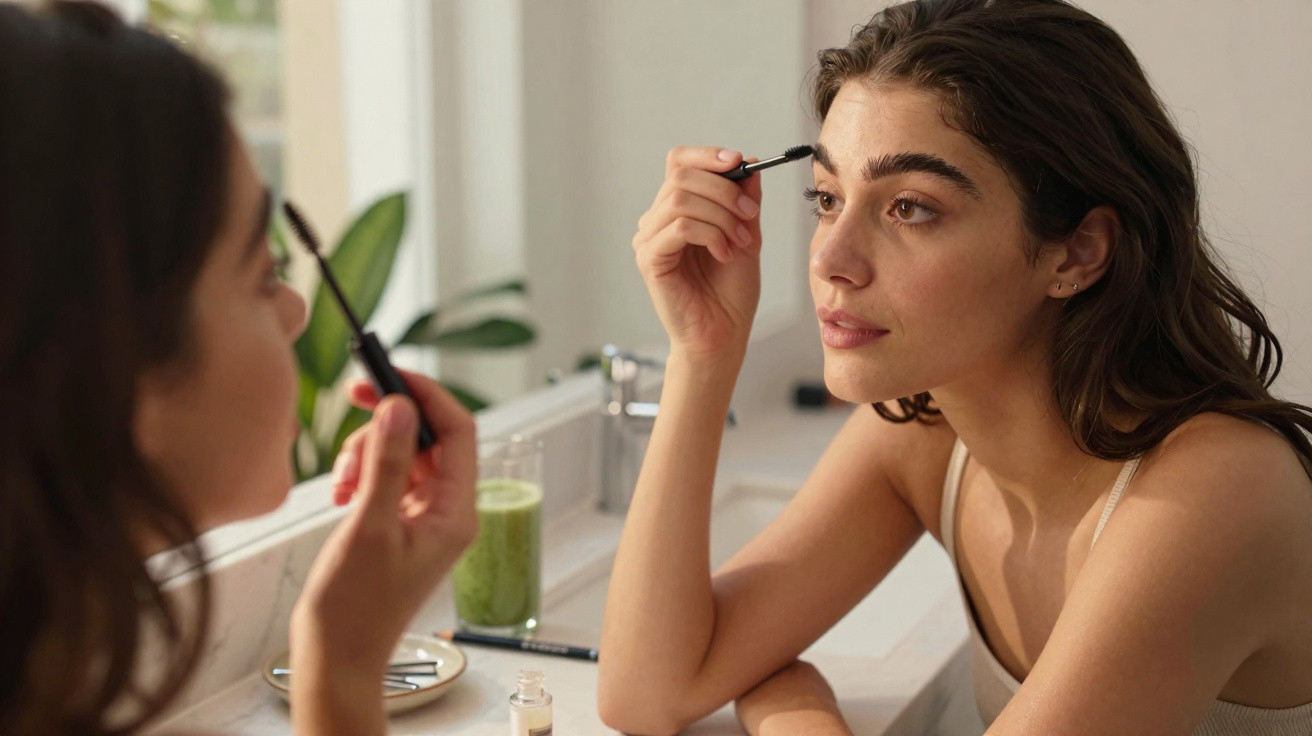
- Between masks, disguise roots by using a spoolie to apply matte brown eyeshadow to dry hair.
Related kitchen tints worth a test strand
Black tea and coffee offer a cooler brown tone and may lessen brassiness in brunette lengths. Sage and rosemary rinses gradually add depth while giving hair a fresh herbal fragrance. Walnut hull powder creates a darker brown, although it can be messy to use. Always test a concealed strand first, then assess the result in daylight.
When you still need the salon
For complete coverage and an exact shade, professional colour remains the stronger choice. A colourist can pair low-peroxide glazes with carefully placed highlights to blur regrowth for months. Even so, using a cacao routine between appointments can extend the time between visits, limit exposure to stronger chemicals and maintain glossy hair.
A kitchen mask won’t replace every dye job. It will give you control, softer edges, and a kinder routine for scalp and wallet.
If you enjoy experimenting, keep a brief record of the recipe, processing time and a daylight photo after every mask. You will quickly identify what works best for you. If your hair responds well to protein, replace the yoghurt with a small egg yolk once a month. If it needs more moisture, opt for mashed avocado and a teaspoon of olive oil. Hair is individual, and the contents of the bowl can be too.











Comments
No comments yet. Be the first to comment!
Leave a Comment