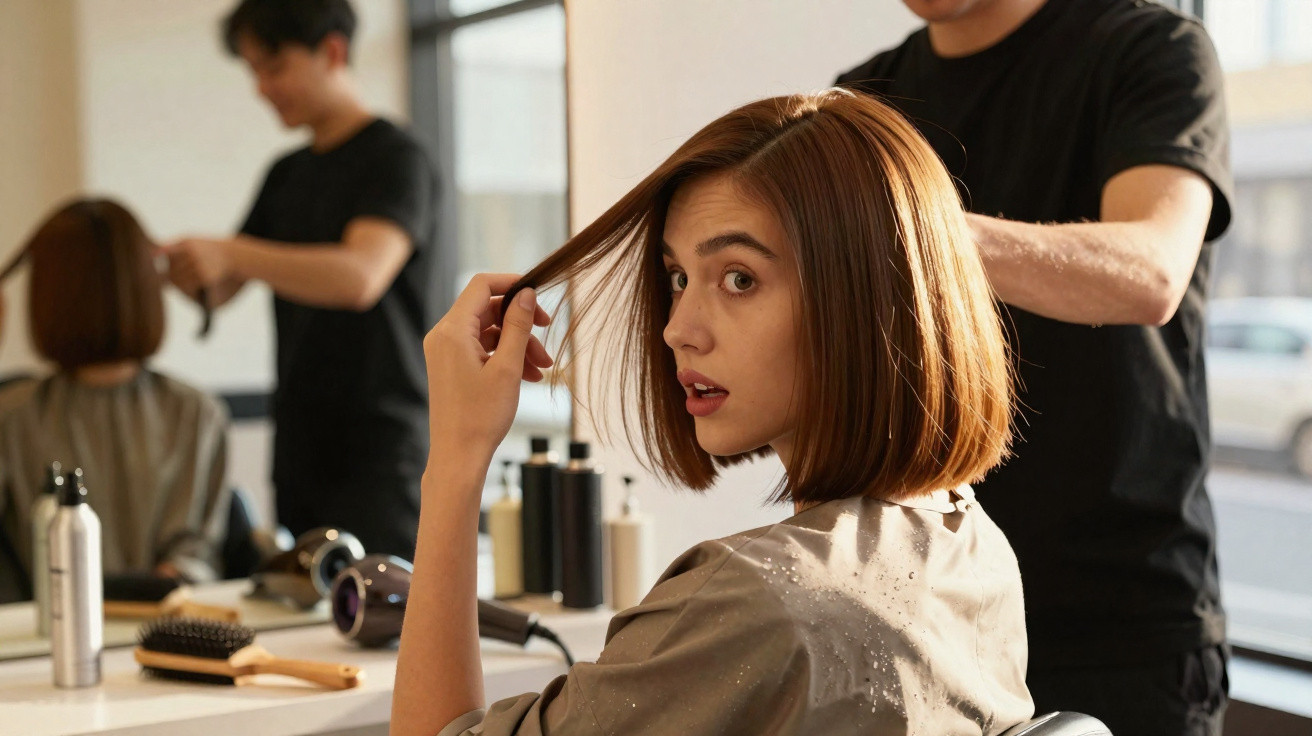
As the colder season approaches, a short haircut is discreetly overtaking the classic angled bob and becoming the centre of attention.
The familiar sharply sloping bob is no longer the sole option for creating the appearance of thicker hair. Salons are increasingly embracing a softer, newer interpretation that adds volume while retaining an elegant finish.
The rise of the A-line bob: a fresh solution for flat hair
Hair trends for autumn-winter 2025–2026 are already emerging on social media, from grown-out pixies and blunt hydro bobs to edgy “shullets”. However, the style attracting the greatest interest is the A-line bob: a contemporary version of the classic bob with naturally built-in body.
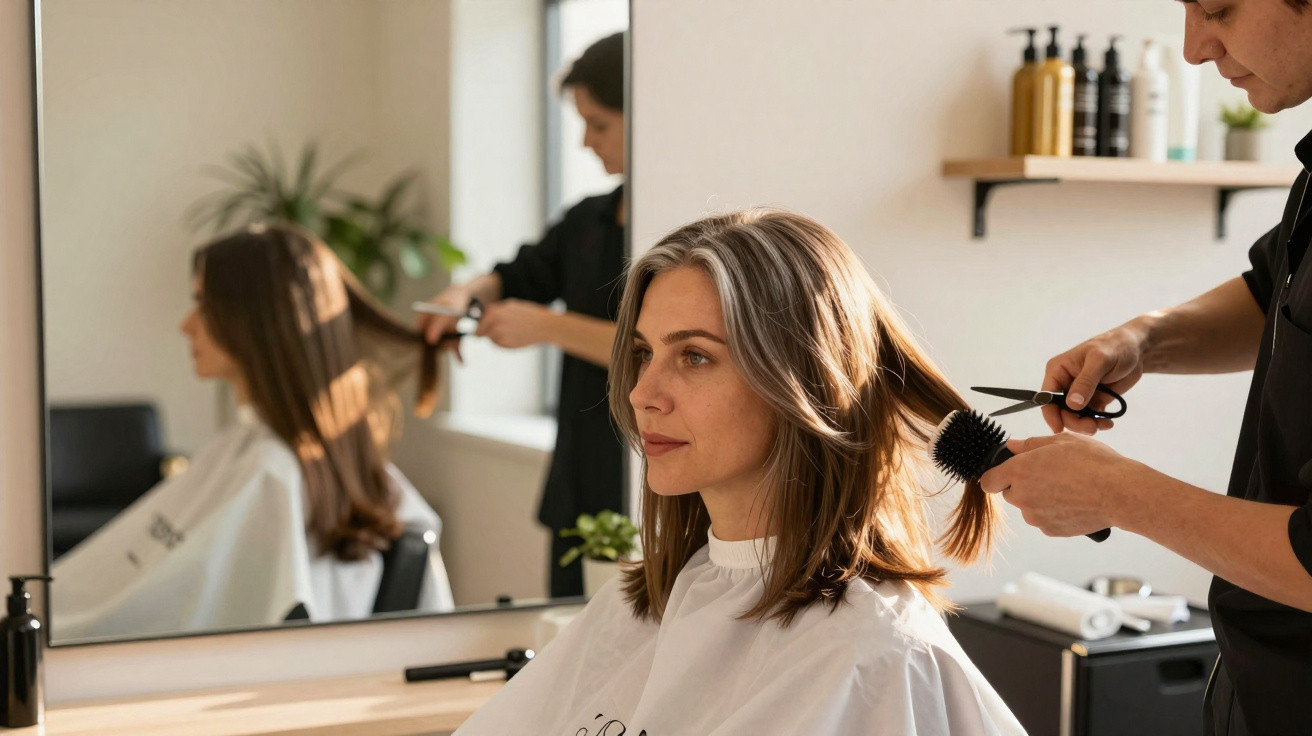
With an A-line bob, the hair is shorter at the back and lengthens progressively towards the front, creating a crisp, graphic frame around the face. This small adjustment can make a major difference to fine or limp hair, as it places weight strategically and helps raise the roots.
The A-line bob moves away from the severe, ultra-angular bob and leans into a softer, more wearable shape that still looks sharp.
Rather than using the dramatic drop associated with a traditional angled bob, the A-line style is all about proportion. The nape is cut short to expose the neck, while longer front sections reach the jawline or collarbone, depending on the chosen length.
Why hairdressers recommend the A-line bob for fine hair
For fine hair that falls flat by lunchtime, the structure of an A-line bob can provide a supporting framework. Its slightly shorter overall length removes excess weight, while the outline remains dense instead of looking wispy.
This “full line” creates the impression of greater thickness without requiring layers. It produces a shape that will not feather at the ends and that maintains its form between salon visits.
Shorter at the back, fuller through the sides and front, the A-line bob concentrates volume where fine hair usually looks the thinnest.
On straight hair, the cut’s geometry is clearly defined and immediately polished. With wavy or curly textures, it becomes a soft, fuller shape that is less immaculate but more relaxed. Keeping the back tidy is essential, so the overall silhouette does not become heavy or triangular.
Styling techniques for all-day volume
Most stylists advise styling an A-line bob smoothly to show off the cut’s line properly. This does not mean hair should be pin-straight and completely still; the intention is sleek roots combined with light, airy ends.
- Work a lightweight smoothing serum or cream through damp hair, concentrating on the mid-lengths and ends.
- Blow-dry with a round brush, curling it under only at the tips to create a gentle bend.
- Raise sections at the crown as you dry them to build root lift instead of pressing them flat.
- Complete the style with a flexible-hold finishing spray, keeping hair neat while still soft to the touch.
For those prone to frizz, a heat protectant with anti-humidity benefits can preserve the sleek, glossy result that gives this cut its expensive-looking finish.
Face shape first: is the A-line bob for you?
This new bob trend is versatile, though it is not a “one size fits all” cut. Small alterations according to face shape determine whether the style appears flattering or slightly unbalanced.
| Face shape | A-line bob adjustment |
|---|---|
| Oval | Almost every version suits this shape: chin-length or collarbone-length, with or without a fringe, and styled straight or wavy. |
| Round | Request a longer A-line sitting beneath the chin to lengthen the face visually and interrupt its roundness. |
| Square | Reduce angularity with discreet layering or soft waves, avoiding styles that are overly blunt or boxy. |
| Rectangular | Opt for a mid-length A-line with some volume at the sides; a light fringe can lessen the appearance of a high forehead. |
| Heart-shaped | Leave the front sections a little longer to build volume around the jaw and offset a broader forehead. |
| Diamond | Shorter styles with tapered pieces at the temples and jaw can emphasise cheekbones without making them appear overly prominent. |
The same cut line can look radically different from one face to another; length, parting and fringe placement make all the difference.
Fringe or no fringe?
The A-line bob works well with a range of fringe styles. A curtain fringe can soften a pronounced jawline or broad forehead, whereas a wispy side-swept fringe is particularly suitable for fine hair unable to support a thick, solid fringe.
People with cowlicks or low hairlines may find that a full fringe requires considerable upkeep with this cut. A deep side part can instead offer similar face-framing advantages without adding styling time.
What to request at the salon
Hairdressing terminology can be difficult to navigate, particularly when trends overlap. If you want this cut without leaving with the severe angled bob popular a decade ago, being precise matters.
- Take along two or three reference images showing your preferred length and finish.
- Say “shorter at the back, gradually longer towards the front, but not dramatically steep.”
- Explain whether you would like a strong, blunt line or one softened with micro-layers.
- Let your stylist know how you normally style your hair and how much time you are prepared to spend each morning.
Many stylists now begin by cutting A-line bobs slightly longer, before refining the outline once the hair is dry and sitting naturally. This helps avoid a result that appears too severe or overly bouncy when styled at home.
Maintenance, colour and lifestyle: what to expect
As the A-line bob depends on its shape, frequent trims are essential. For most people, an appointment every 6 to 8 weeks will keep the back neat and the front in proportion.
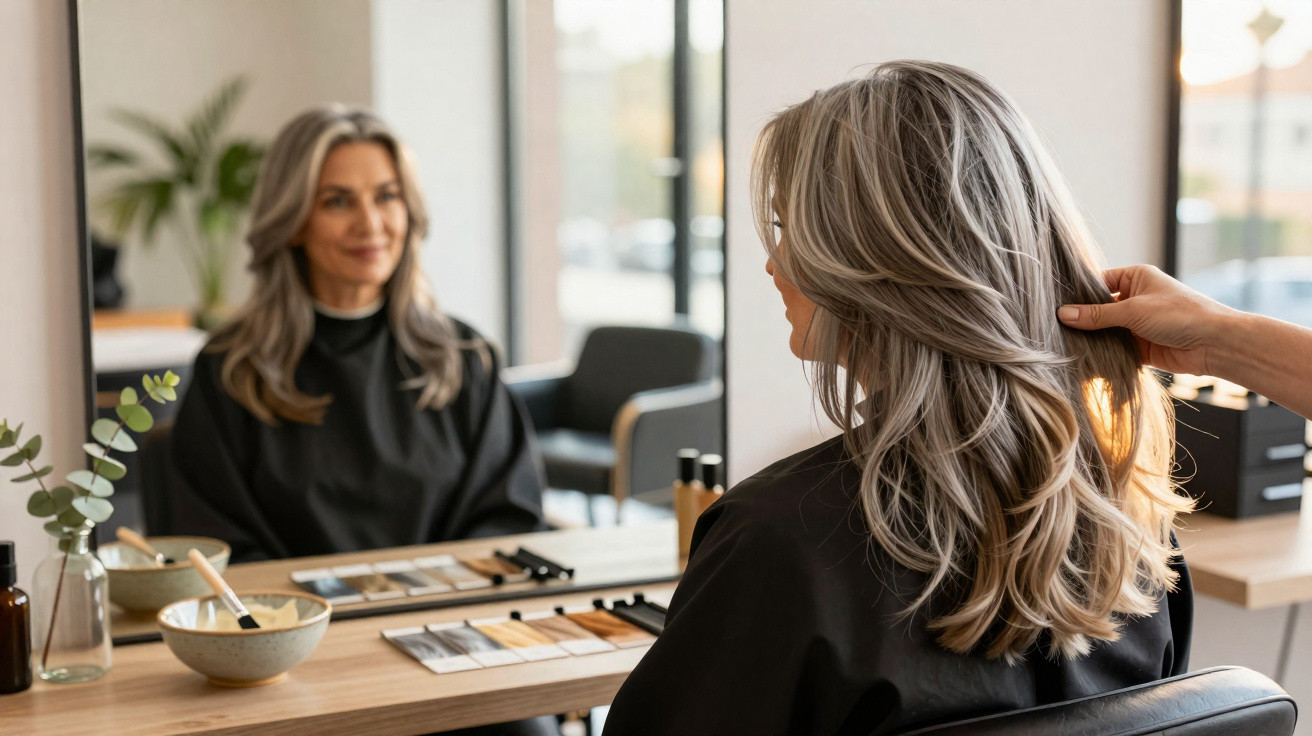
Colour can further improve the appearance of volume. Delicate highlights or lowlights around the front introduce depth, while one glossy shade appears sleek and graphic on very straight hair. Those with especially fragile, fine hair may favour gentler colouring, since excessive bleaching can leave the ends looking thin and frayed.
Volume is not just about cut; condition, colour and daily care all work together to create the impression of thicker hair.
From a lifestyle perspective, the A-line bob works for people who enjoy a “done” appearance without putting in excessive effort. It generally requires some blow-drying, though not the complete hot-tool routine that a longer layered cut may demand. Gym-goers should bear in mind that very short backs can bend or kink beneath sweatbands, so a quick restyle may be necessary after exercise.
Key terms and real-life scenarios
Two hairdressing expressions commonly linked with this trend are useful to understand. A “blunt line” describes ends cut straight across with no visible layers, giving a dense, compact effect. “Graduation” means cutting the hair shorter underneath and longer above, helping to build volume at the back of the head.
In simple terms, an A-line bob often combines a blunt front outline with subtle graduation at the back. Together, these techniques make fine hair seem fuller while preserving an elegant silhouette.
Consider two examples. A person with poker-straight, fine hair falling to the chest, who constantly ties it back because it appears thin, changes to a chin-length A-line bob. The nape is cropped, the front skims the jaw, and the hair instantly seems denser and more purposeful. Someone else with naturally soft waves and a rectangular face chooses a longer, collarbone-length A-line with a light, airy fringe. Extra volume at the sides and the shorter length make the face appear visually shorter, creating a softer profile.
These subtle changes explain why the A-line bob is replacing the old angled bob. Instead of merely being a sharp, fashionable haircut, it delivers what people genuinely want now: convincing, wearable volume with a touch of attitude.










Comments
No comments yet. Be the first to comment!
Leave a Comment