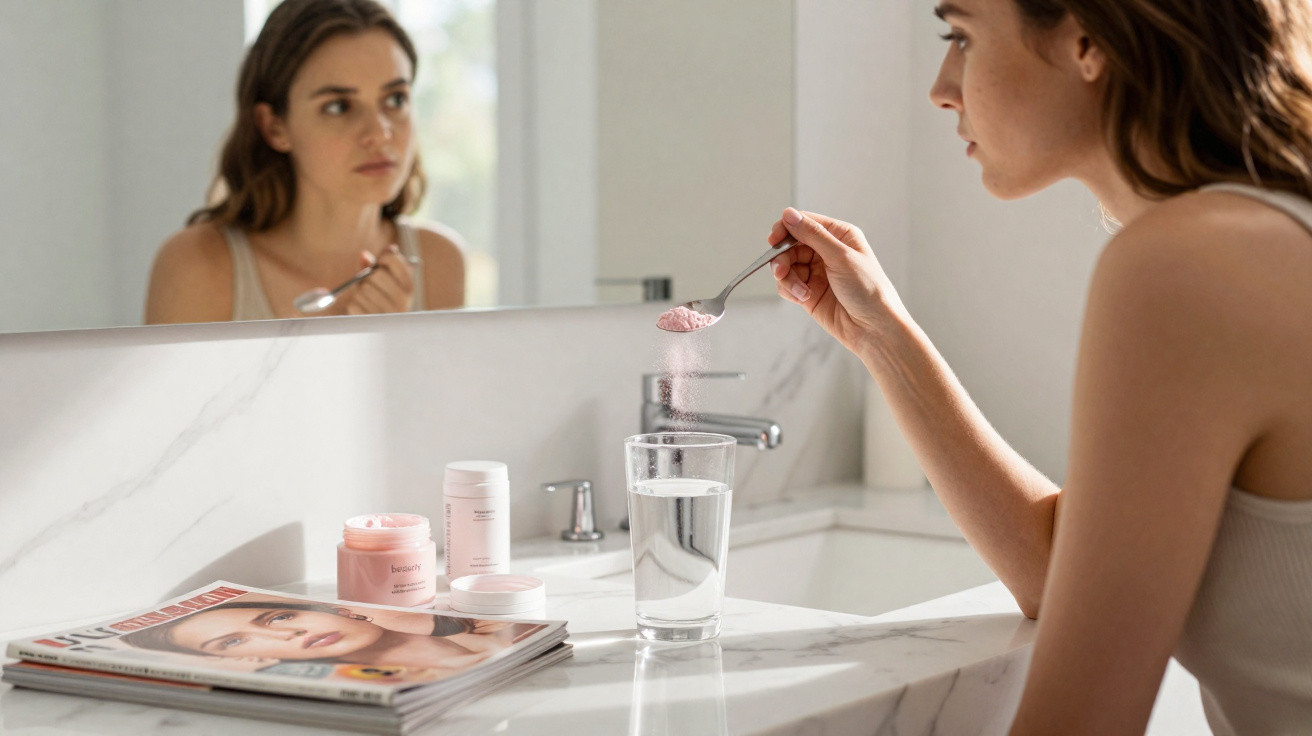
Collagen creams, powders and capsules fill shop shelves; beauty influencers endorse them, while adverts promise wrinkle-free skin in record time. Yet anyone relying solely on marketing claims may spend considerable sums on products that make little practical difference. Research suggests that the hype is far greater than the demonstrable benefit.
What collagen actually does in the body
Collagen is not a passing fashion: it is a vital structural protein. Roughly one third of all proteins in the body belong to this group. Without collagen, many essential bodily functions would simply not work.
- It keeps skin supple and resilient.
- It strengthens bones and provides their structure.
- It enables tendons and ligaments to withstand strain.
- It helps tissue repair itself, for example following injuries.
The body produces its own collagen. It breaks down dietary protein into amino acids, then uses them to create new fibres. Glycine, lysine and proline are particularly important in this process. A balanced diet will generally provide the body with everything it needs to do this.
Collagen production begins to slow from the mid-twenties
From around the age of 25, a gradual change begins: natural collagen production slowly declines. This does not happen overnight, but unfolds over years and decades. Many people recognise the consequences when they look in the mirror.
- Fine lines become more noticeable wrinkles.
- Skin loses firmness and appears less taut.
- Wounds heal more slowly than they once did.
This is precisely where beauty brands step in. Their message is appealing: if the body makes less collagen, simply replace it from the outside with a cream, drink or powder. In reality, it is more complicated.
A collagen deficiency cannot simply be corrected with a tube of cream or a scoop of powder – the body does not work like an empty tank.
Why collagen creams can barely work beneath the surface
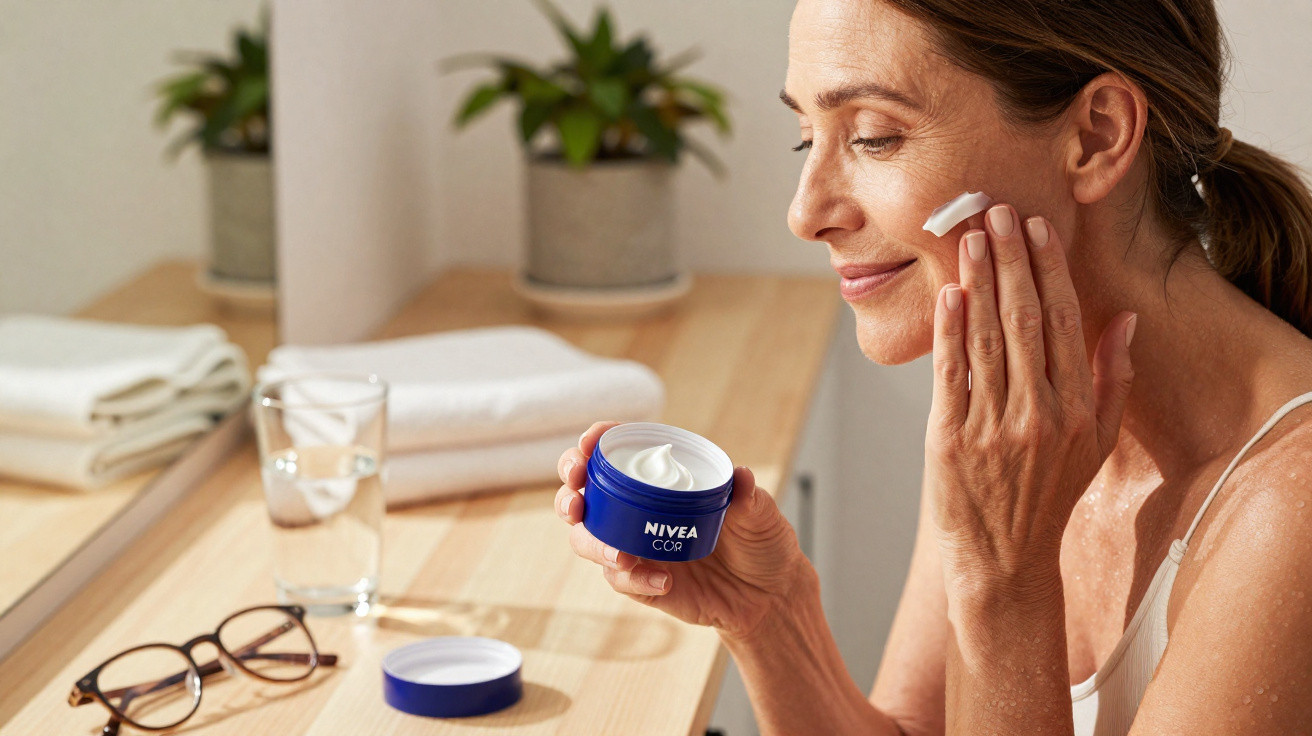
Many products claim to deliver collagen directly into the skin, plumping up wrinkles from within. The problem is that collagen molecules are large – too large to pass easily through an intact skin barrier.
In practice, this means:
- Most of the collagen remains on the skin’s surface.
- It may create a temporarily softer, smoother feel there.
- It is therefore highly unlikely to be incorporated directly into deeper layers of skin.
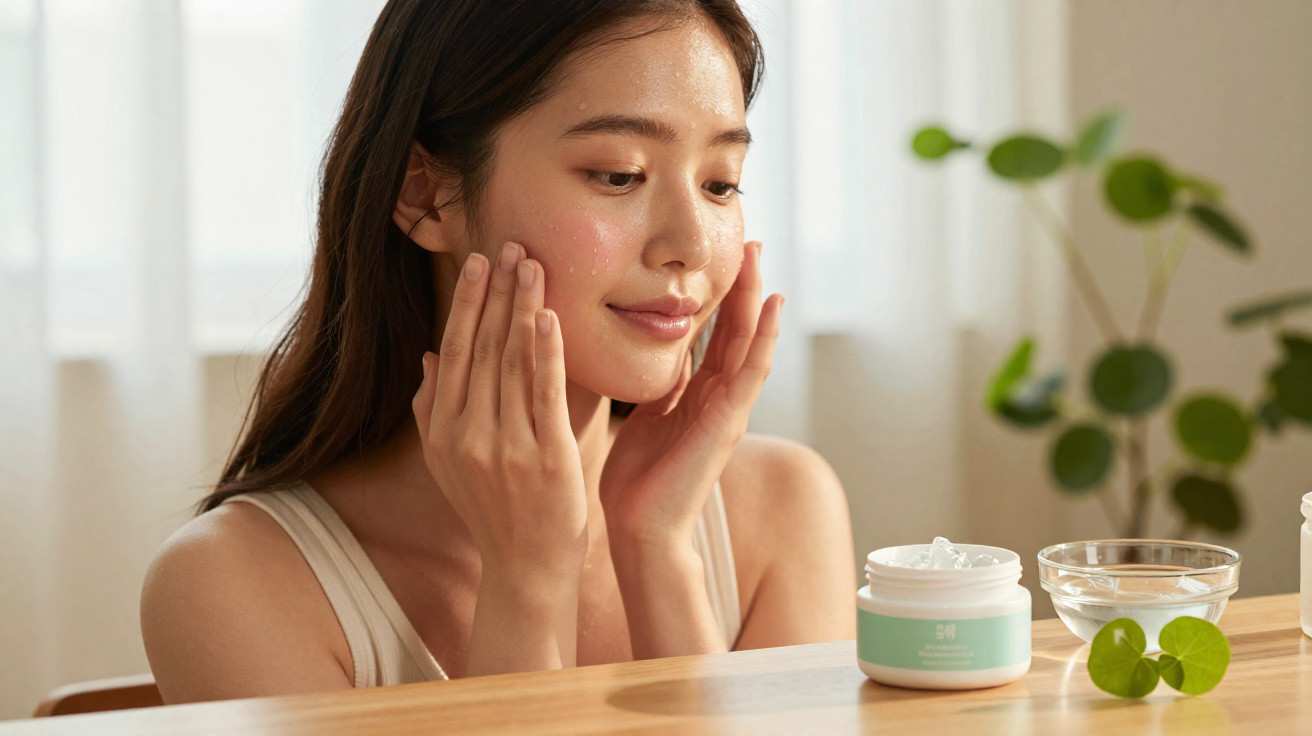
The visible result is usually limited to a slight soft-focus effect: skin looks moisturised, has a little more shine and feels smoother. However, many rich moisturisers can produce the same outcome, even without added collagen.
Drinking collagen: a trend with uncertain benefits
Collagen powders and drinks are currently enjoying an even bigger boom. They are said to work from within, firm the skin, protect joints and even improve connective tissue. The scientific evidence remains cautious.
This is what happens in the body: collagen from powder or capsules is broken down into small components in the digestive tract. These fragments then travel through the bloodstream to different parts of the body. The body itself decides where to use them – if it needs them at all.
Nobody can guarantee that collagen from a drinking glass will end up specifically in facial skin or the décolletage – the body distributes it according to its own needs.
Some studies do point to modest effects, such as slightly improved skin hydration. However, these studies are often small, partly funded by manufacturers and do not provide a clear overall picture. So far, they do not support a strong, reproducible anti-ageing effect.
Does the body need extra collagen at all?
For healthy people, there is generally no proven additional requirement for collagen. Those who consume enough protein, vitamins and minerals provide the body with all the necessary building blocks. The natural fall in collagen production is primarily an effect of ageing, rather than a conventional deficiency.
At the same time, collagen products are not entirely risk-free:
- Some preparations may trigger allergic reactions, including rashes or itching.
- Certain products contain additives such as nicotinic acid, which can cause flushing and sensations of heat.
- Contamination or an unclear source of raw materials can be an issue with poorly labelled products.
The German Federal Institute for Risk Assessment recommends a maximum intake of five grams of collagen per day. Anyone consuming substantially more enters a range for which there is little safety data.
Seven collagen powders in a practical test: major differences on the label
Despite the limited evidence, collagen powder continues to sell rapidly. A practical test examined seven popular products more closely. It considered not only flavour and solubility, but above all transparency and contents.
| Aspect | Better products | Weaker products |
|---|---|---|
| Collagen source | Animal species clearly stated, origin traceable | Vague terms, origin unclear |
| Collagen types | Type I, II or III specified | No information on types |
| Purity | Laboratory analyses or certificates provided | No indication of testing |
| Additives | Short ingredient list, few additives | Flavourings, sweeteners, colourings |
| Value for money | Realistic dosage, understandable price | High price for a small quantity |
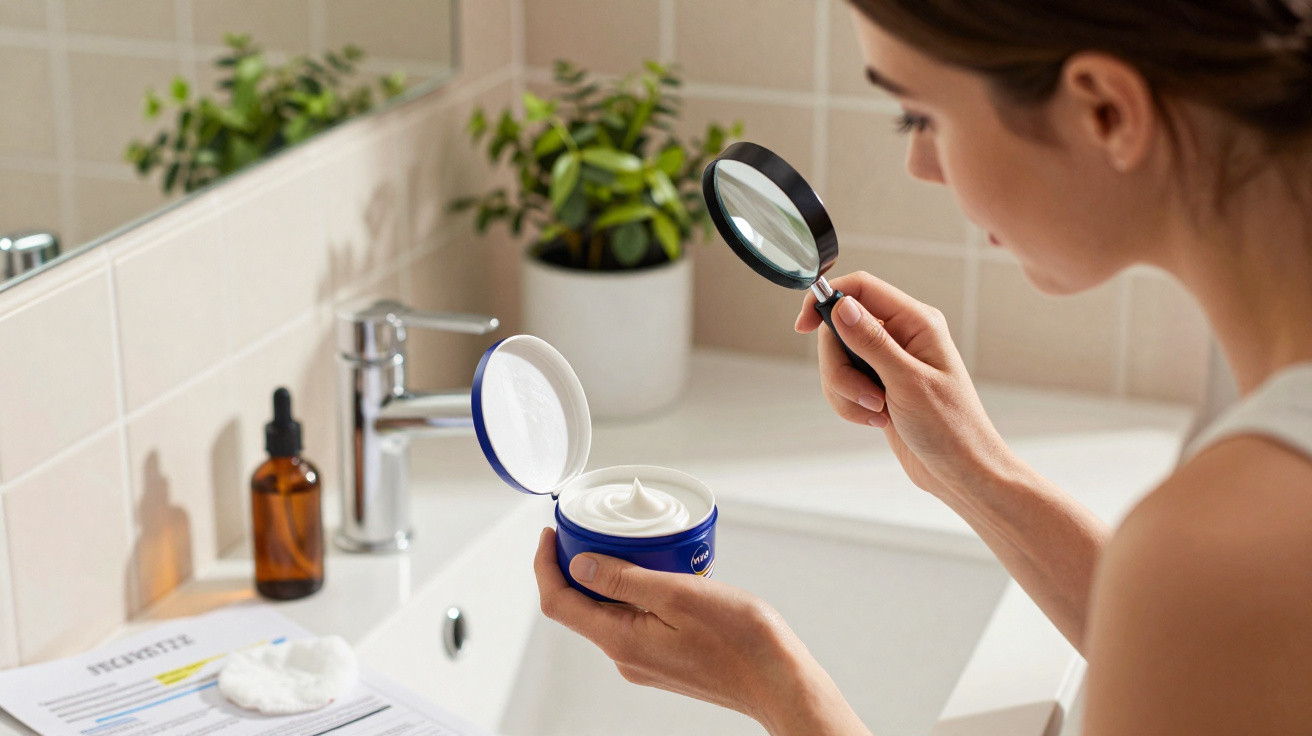
The test makes one point clear: even for those who want to use collagen powder, it is worth scrutinising the labelling and composition. Some manufacturers provide detailed information about the source and types of collagen used, while others remain surprisingly vague.
What really helps with wrinkles – and what does not
No cream or powder can turn back time. People wishing to support their skin have more effective options than the collagen aisle in the chemist.
- UV protection: Sun exposure is regarded as one of the biggest drivers of wrinkle formation. Daily protection noticeably slows collagen breakdown.
- Do not smoke: Nicotine damages blood vessels and collagen fibres; smokers’ skin ages considerably faster.
- Balanced diet: Protein, vitamin C, zinc and plant compounds support the body’s own repair processes.
- Enough sleep: Many regeneration processes operate at full speed overnight.
- Gentle skincare: Mild cleansing, moisturising care and, where appropriate, active ingredients such as retinol or niacinamide have a much stronger evidence base.
Focusing on these measures often saves considerable money on products whose benefits remain uncertain. Doctors and dermatologists have stressed for years that lifestyle factors have a far greater effect on skin ageing than individual supplements.
How to spot genuine quality differences
Despite all the scepticism, many people choose collagen products out of curiosity or hope. Anyone doing so knowingly should at least consider a few points.
- Clear labelling of the collagen source and collagen types
- Transparent details of quality marks or laboratory analyses
- No exaggerated health claims on the packaging
- Realistic dosage and understandable pricing
- No unnecessary flavourings, sugar or colourings
Speaking with a dermatologist or GP can help assess personal risks, especially for people with pre-existing conditions or a tendency towards allergies. Anyone already taking several preparations should also keep possible interactions in mind.
Why the hype persists
The idea that a powder stirred into a glass can smooth wrinkles is perfectly suited to an age that wants quick solutions. Collagen feels familiar and almost harmless, and it is easy to market. Smooth skin from a packet sells better than advice on sun protection, sufficient sleep and consistent skincare.
Knowing the scientific evidence makes it easier to choose more consciously: collagen products are more lifestyle items than medicine. They replace neither a healthy lifestyle nor evidence-based skincare treatment. In many cases, they deliver considerably less than advertising copy promises.









Comments
No comments yet. Be the first to comment!
Leave a Comment