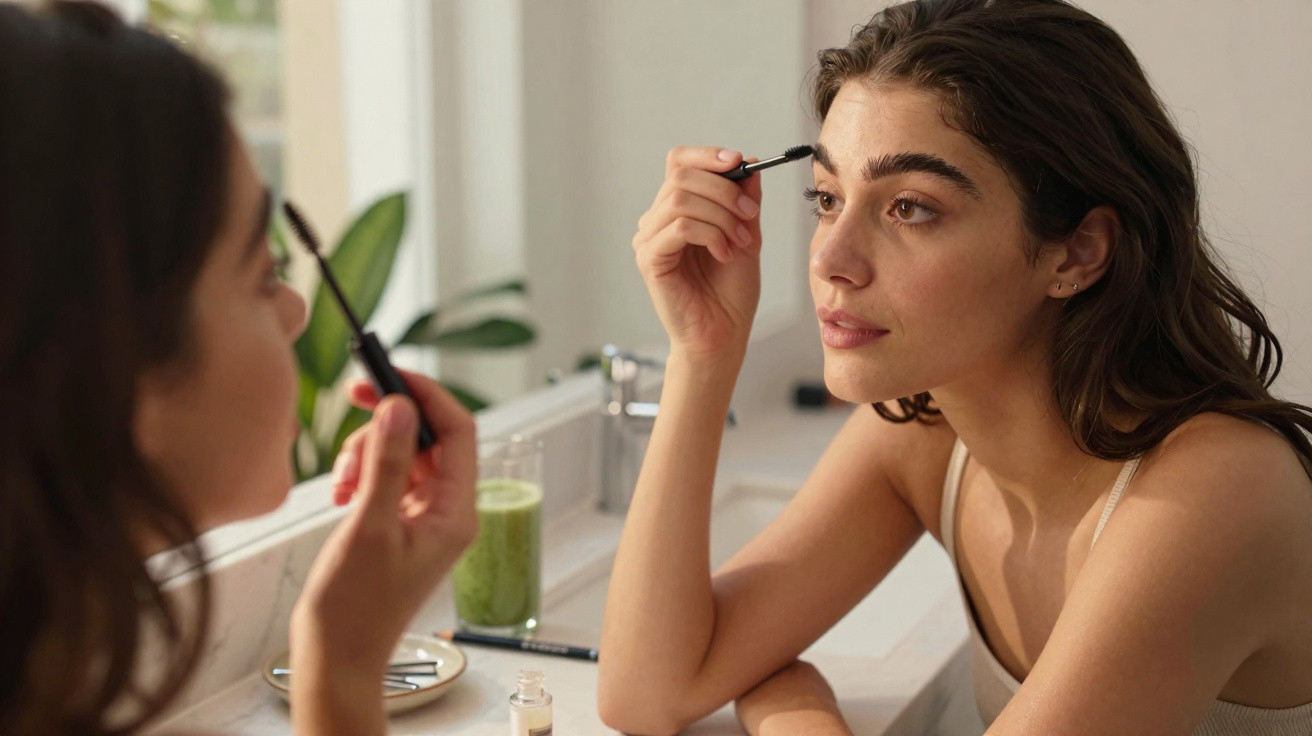
Whether you plucked them ultra-thin or bleached them until they were almost invisible, if you pushed your brows to the limit of recent trends, you may now look in the mirror and wish for a softer, naturally fuller shape again. The good news is that there is no need for a tattoo needle or costly appointments. Four straightforward steps, followed consistently, can make the eyebrow area look visibly denser – starting this evening.
Why full eyebrows are in demand again
Beauty trends tend to come full circle. After bushy “Boy Brows” styled with plenty of gel and volume, social media feeds from late 2025 increasingly featured ultra-slim arches and brows bleached until they were barely visible. TikTok and Instagram are full of clips showing celebrities and creators radically changing their eyebrows, often using bleaching cream or a razor.
What looks dramatic online is only partly practical in everyday life. After a few months, many people notice just how much an overly thin shape changes their expression: the eyes can appear harsher, the forehead larger and the whole face less balanced. Anyone who has plucked or waxed regularly for years may also find that some hairs no longer grow back at all.
Full eyebrows frame the face, create a more youthful effect and make the eyes look more awake – even without mascara or eyeshadow.
That is precisely why many people are returning to a more natural shape: not perfectly drawn on, but slightly untamed, soft and visibly textured.
Step 1: Take a break from plucking – and stick with it
The most important step, and also the hardest, is to stop constantly plucking at your brows. Every attack with tweezers removes potential new hairs before they have the chance to establish themselves properly.
How long should the break last?
If you have plucked regularly for years, patience is essential. Use these timeframes as a rough guide:
- Minimum: no plucking within the actual brow area for 4–6 weeks
- Ideal: 3 months, so you can assess the natural growth pattern more accurately
- Long term: remove only individual hairs with precision rather than clearing whole areas
During this period, the shape will often look untidy, particularly when you inspect it in daylight. Many people then automatically reach for the tweezers again – and undermine their own progress.
A practical compromise is to remove only hairs that are genuinely far from the intended brow line, such as those in the middle of the forehead or very low down on the eyelid. Leave anything growing close to the natural arch alone, no matter how “annoying” it may seem at first.
Step 2: Daily brushing creates instant fullness
Even a simple sweep with a brush can make a major difference. A clean eyebrow spoolie is all you need to make the hairs appear fuller.
How to brush your eyebrows correctly
- Leave the brows completely free of make-up.
- Brush upwards from underneath so the hairs stand up.
- Then gently comb the tips outwards to highlight the natural shape.
- Blend any stray hairs lightly into the line rather than trimming them.
Brushing gently stimulates blood circulation in the skin. This may support hair growth, particularly if you apply a conditioning product afterwards. It also makes any genuine gaps in the brow clearly visible – and these areas are often smaller than they first appeared.
Just a few brush strokes each day can make brows look fuller and encourage you to embrace your natural shape.
Step 3: Give your eyebrows a conditioning treatment every evening
If you care for the hair on your head, your brows deserve the same consideration. They also contain hair follicles that respond to nutrients and gentle care.
Suitable products
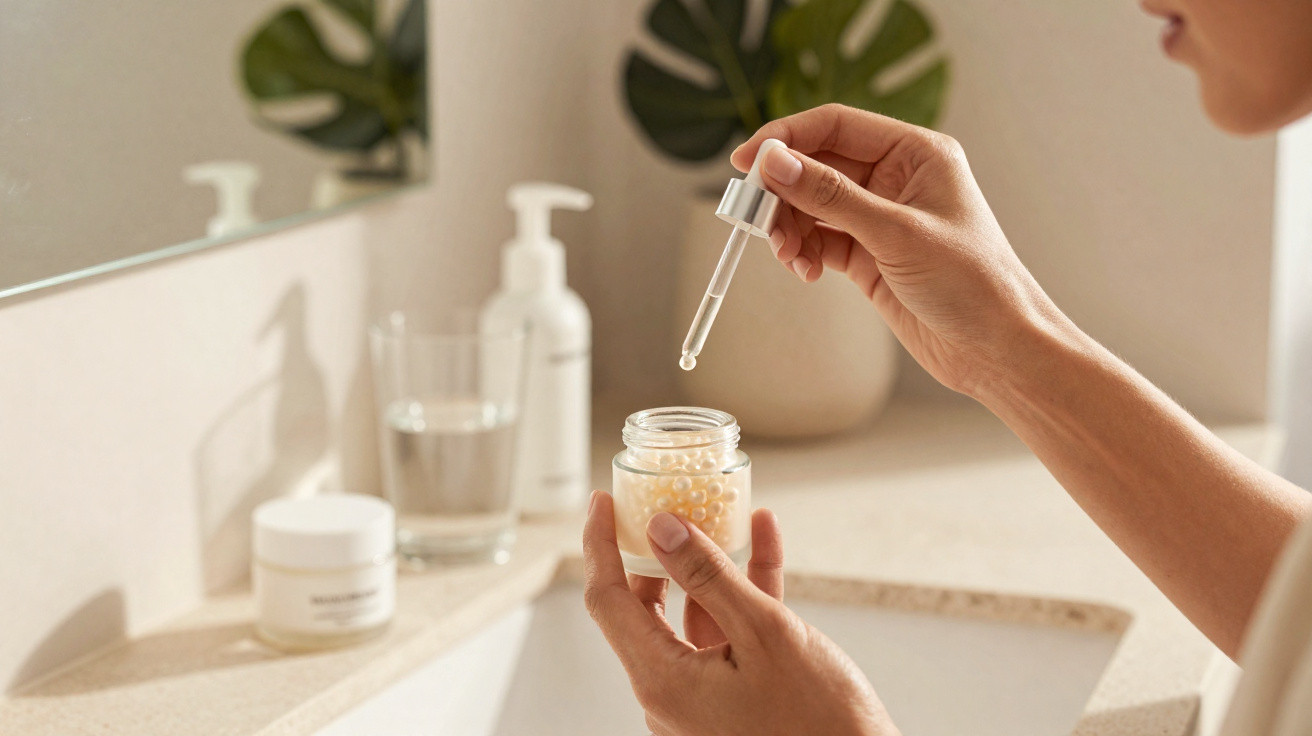
- Peptide serums: may stimulate the hair follicle and extend the growth phase.
- Strengthening formulas: often contain panthenol, biotin or caffeine to reinforce the hairs.
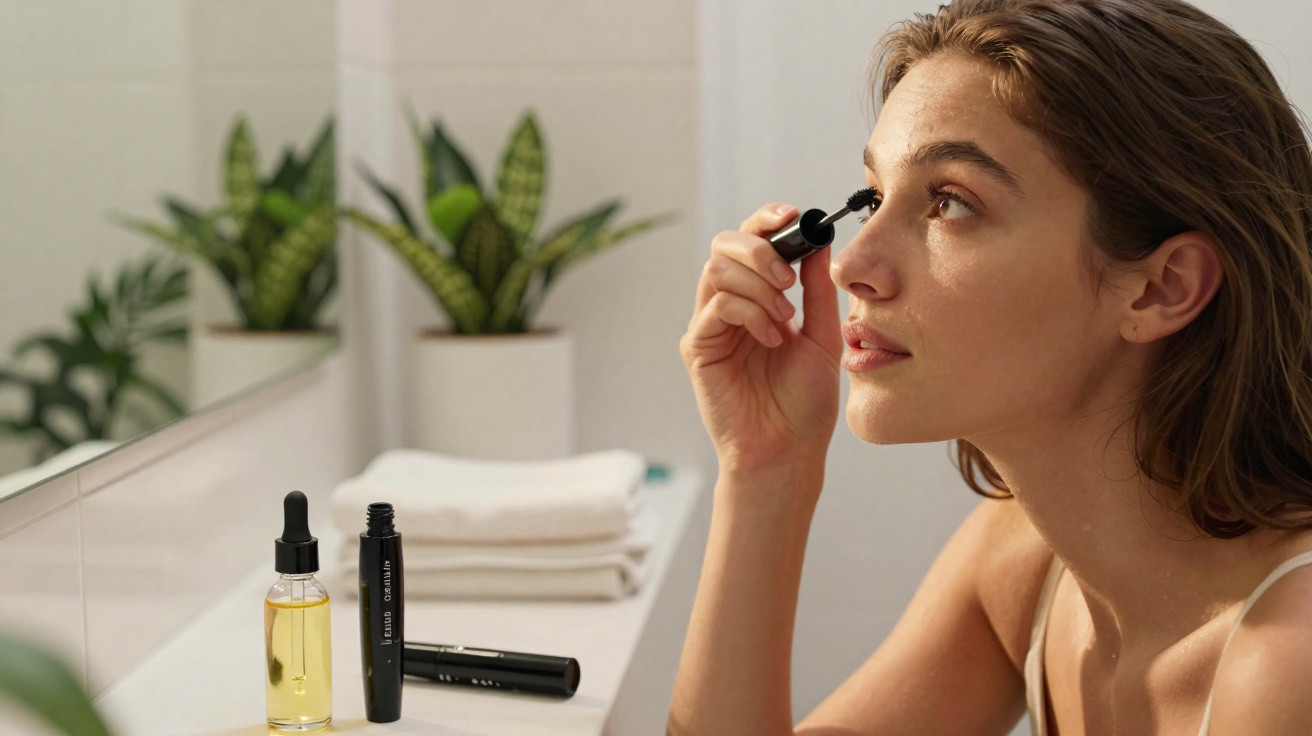
- Plant oils: such as castor, jojoba or almond oil, which help keep the hair surface supple.
Recommended evening routine:
- Cleanse your face thoroughly and remove all make-up.
- Pat your eyebrows dry gently with a towel.
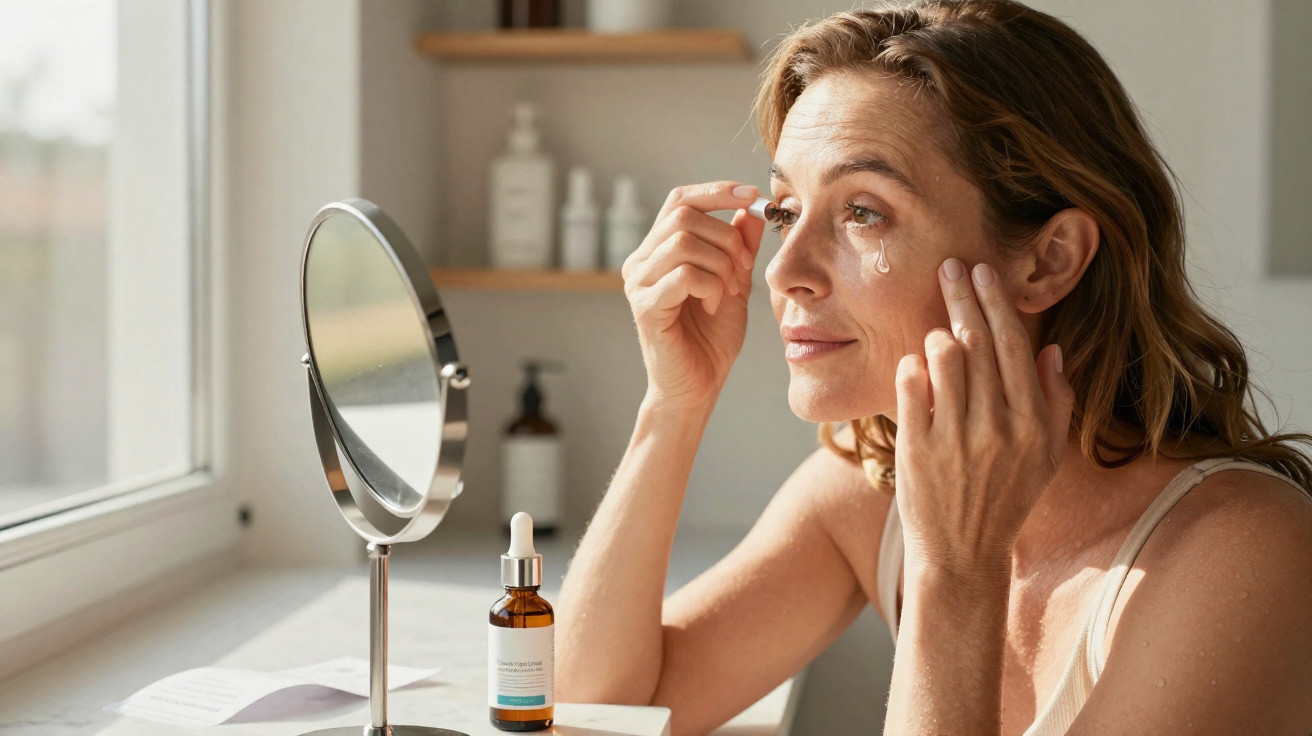
- Place one or two drops of serum or oil on your fingertip.
- Massage it along the entire brow line using small circular movements.
The first visible changes rarely appear before two to three weeks, and it more often takes six to eight weeks. If you give up on the routine after just a few days because you are fed up, you deprive yourself of the chance of a better result.
Step 4: Apply make-up “hair by hair” instead of colouring everything in
Make-up bridges the gap between your desired brows and their current state. The key is to visually add individual hairs rather than drawing a thick, block-like bar.
How to achieve a natural finish
- Choose an ultra-fine eyebrow pencil or pen in a shade that matches your hair colour.
- Draw tiny, short strokes in the direction of growth, as fine as real hairs.
- Do not fill every gap completely; instead, add selected “hairs”.
- Finish by combing through a lightly tinted gel to blend and set everything in place.
If you want the effect of an ultra-thin or bleached trend, you can recreate it with make-up alone. The advantage is that the real hairs remain untouched and can continue growing in the background.
With the “hair-by-hair” technique, you can recreate any look with make-up – from bushy and classic to almost invisible, without putting natural growth at risk.
When it is worth seeing a professional
Some brows are naturally very sparse, while others have become permanently thinner after years of over-grooming. In these cases, an appointment with a brow specialist can be worthwhile. They can measure the ideal shape and provide a plan for allowing your brows to grow, including the areas where you should keep your tweezers firmly away.
Some studios also offer treatments with specialist growth serums or keratin laminations, which give existing hairs more body. These services are not a replacement for medical treatment, but they can enhance the visual result.
Key terms explained
Eyebrow bleaching: This process uses a lightening product to colour the hairs much lighter, often almost skin-toned. The arch then appears to have “disappeared”, even though the hairs are still present.
Microblading: A form of semi-permanent pigmentation in which fine strokes are created in the skin to imitate hairs. It usually lasts one to two years, but carries risks including scarring, colour changes and allergies.
Natural methods offer greater flexibility: the shape and density can be adjusted repeatedly over time without old pigments getting in the way.
How diet and everyday life affect eyebrows
Like scalp hair, eyebrow hairs respond sensitively to your overall state of health. High stress levels, crash diets and hormonal fluctuations can alter hair growth across the body. A balanced diet containing enough protein, B vitamins, zinc and iron also supports eyebrow growth.
Harsh cleansers or highly alcohol-based toners applied directly around the eyebrows can also dry out the skin and leave the hairs looking brittle. A mild cleanser and gentle care help protect these delicate hairs from breakage.
Anyone who follows the four steps – a break from plucking, daily brushing, targeted care and natural-looking definition – consistently for several weeks can noticeably transform their brow line. The process is gradual, but often long-lasting: with each new growth cycle, more hairs return to frame the eyes again and give the face a softer contour.







Comments
No comments yet. Be the first to comment!
Leave a Comment