
Looking after skin at home after a day in the sun or air conditioning calls for considered choices. Using cosmetics containing aloe vera (babosa) offers a practical way to replenish essential moisture, leaving you looking rested and supporting a healthy skincare routine.
What are the risks of applying babosa straight from the plant?
Many people pick a leaf directly from the garden and apply it to their face in the hope of seeing immediate improvements. However, taking the plant from the ground and using its pure contents yourself can cause serious contact dermatitis, severely compromising the skin barrier.
To prevent such significant irritation, it should be used safely through tested, commercially formulated products. Selecting suitable formats, such as dedicated creams, lotions or serums, provides the appropriate active ingredients to care for sensitive skin with the backing of dermatology.
Here are some of the principal formats recommended for safe use of this active ingredient:
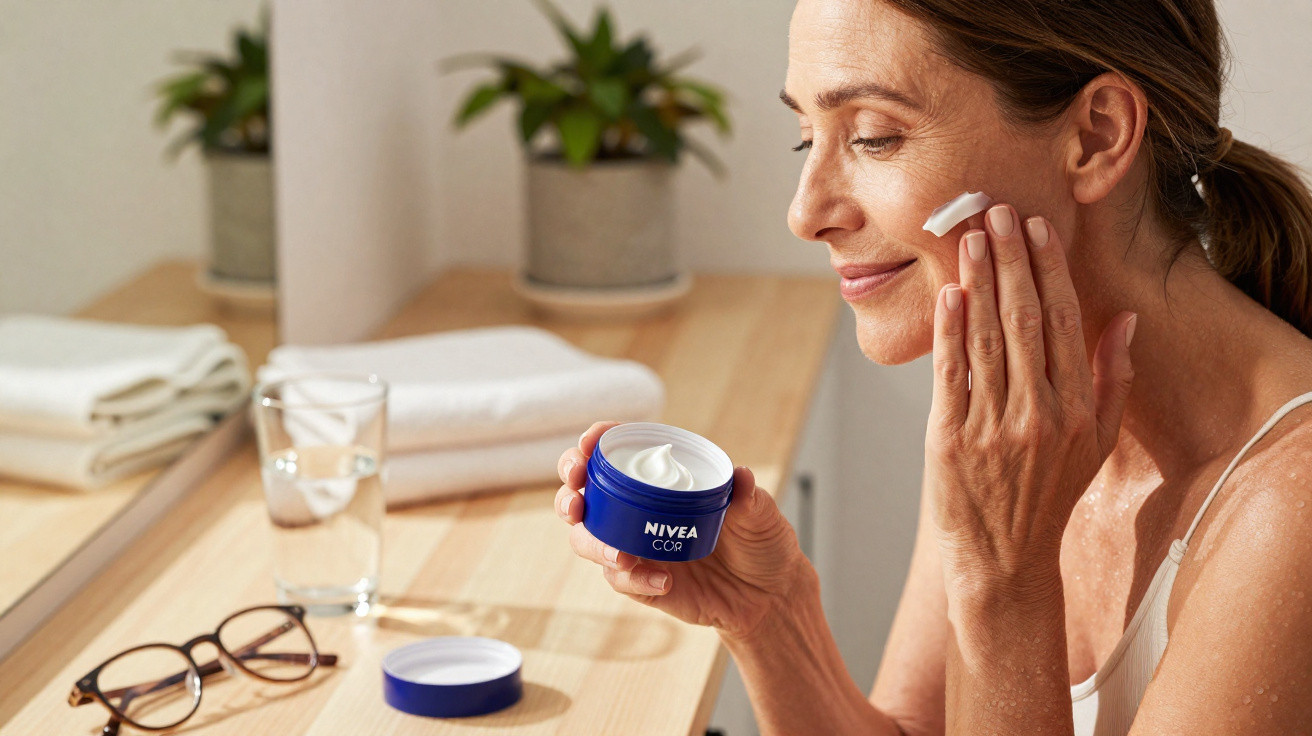
- Facial creams: Excellent for delivering deep hydration to dry skin.
- Lightweight serums: Ideal for oily skin because their components absorb quickly.
- Targeted cleansers: Help with everyday cleansing while preserving the skin’s natural balance.
- Soothing lotions: Perfect for relieving irritation soon after sun exposure.
- Protective ointments: Support localised areas requiring intensive care.
How does babosa support healing and burn treatment?
This plant is widely recognised in skincare for its remarkable healing properties. By actively assisting the biological process of collagen production, this plant-based active ingredient directly helps tissue repair happen more quickly and efficiently.
In addition, the botanical extract can be an excellent remedy for different types of burns, including thermal accidents and severe sun exposure. Its powerful anti-inflammatory effect soothes sensitised tissue, minimises sun damage and speeds up the dermis’s complete recovery.
Below is a video from the YouTube channel Dra Caroline Hespanhol – Dermatologia & Saúde, which explores the points discussed in this topic in greater depth:
Does aloe vera gel work for dark marks and melasma?
When treating dark facial marks, specialists generally regard this active ingredient’s depigmenting effect as quite weak. If you are seeking to tackle severe melasma, medical professionals will usually prescribe considerably more potent substances in a clinical setting.
Warning about marks
Mild depigmenting action
Babosa extract has lightening properties that are considered very gentle compared with other conventional acids.
For this reason, it may only be suggested for addressing white marks or subtle evening of the complexion.
Nevertheless, depending on the type of hyperpigmentation involved, this component can be a viable option for complementary daily care. It helps to gently fade particular marks, gradually restoring the natural appearance and evenness of the facial surface.
The situations below are those in which the ingredient’s lightening action is most appropriate:
- Subtle, complementary evening of facial skin tone.
- Very mild fading of small post-inflammatory marks.
- An optional initial approach to softening white marks.
What are the benefits for oily and acne-prone skin?
For those who deal with excess shine each day, the plant offers excellent regulating properties for the dermis. Its role in sebum regulation effectively controls excessive sebum production by the glands, noticeably easing the discomfort caused by facial oiliness.
As well as balancing oily secretion, the plant’s inherent properties combat harmful microorganisms that worsen inflamed lesions. Its powerful antibacterial action, combined with its soothing effect, significantly reduces skin redness, making it a strong ally against active acne.
See how these combined properties benefit acne-prone skin:
- Immediate reduction in local inflammation and discomfort.
- Effective control of the bacteria responsible for lesions.
- A reduction in the shiny appearance caused by sebum build-up.
How does babosa contribute to rejuvenation and daily hydration?
This ingredient acts as a powerful moisturiser and is widely included by the industry in cleansers, body lotions and sunscreens. This abundant supply of natural hydration supports tissue elasticity and is essential for maintaining the daily freshness of youthful skin.
Lastly, its notable antioxidant power effectively combats the free radicals responsible for premature facial ageing. The substance improves fine lines and provides mild natural exfoliation, continually encouraging cellular renewal to create a rested appearance.
Read also: Mature skin looks better when the routine starts with this basic step









Comments
No comments yet. Be the first to comment!
Leave a Comment