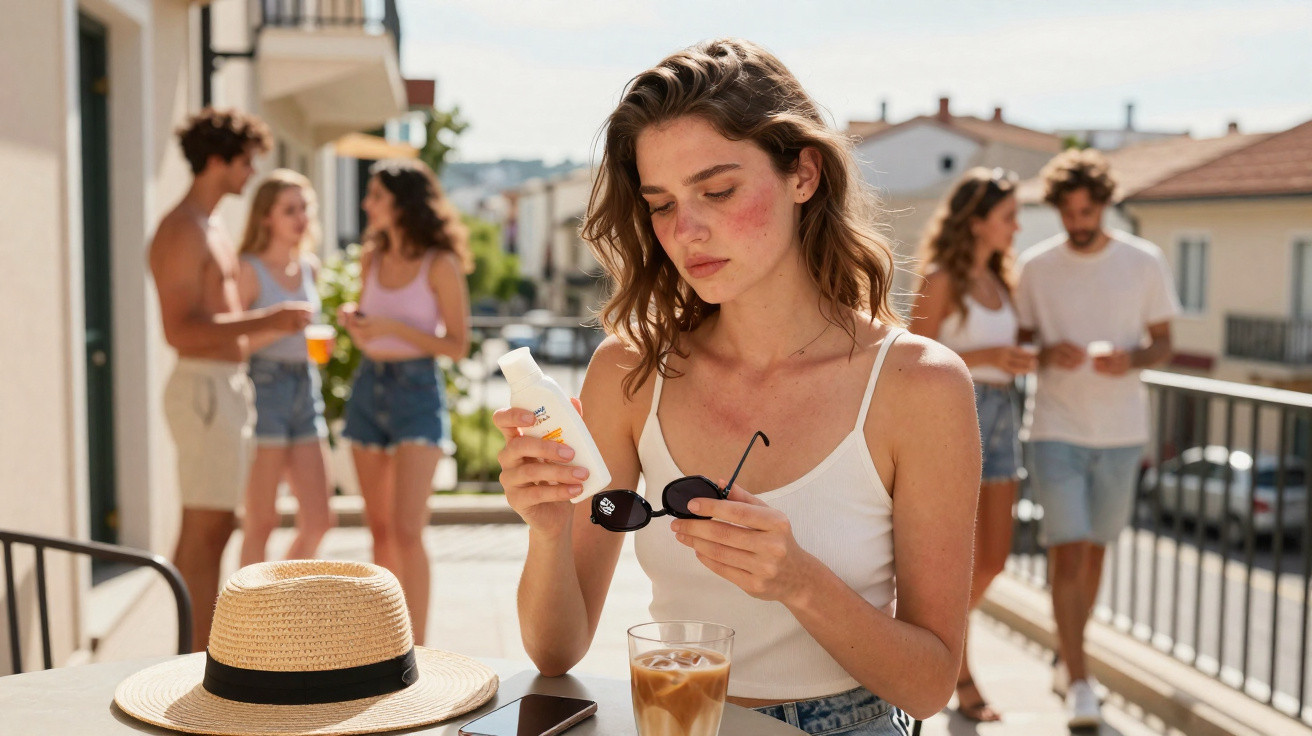
The sun is already hanging low over the rooftops in the morning, and the playground air crackles with heat. A mother carefully pulls a T-shirt over her child’s head, then generously applies sunscreen to their face, nose and ears until everything is properly covered. Beside her, a father sits on a bench with his phone in hand, sleeves rolled up and forearms already faintly pink. Squinting into the glare, he takes a sip from his water bottle and laughs: “Oh, a little colour won’t hurt.” Two hours later, his skin is glowing deep red. He merely shrugs, as though it will somehow be fine. Almost all of us know this scene, whether from holidays, the lakeside or a city park. Yet one question remains in the shade: why do so many people treat their own skin far more carelessly than their children’s?
The quiet normalisation of sunburn
It often starts because sunburn feels ordinary. Like mosquito bites in summer or wet shoes in autumn, it is seen as something that simply comes with the season. In many families, “I got a little burnt yesterday” is said almost proudly, as proof of a “proper” summer day. That casual attitude is what makes it so deceptive. Once something seems routine, it stops feeling alarming. That is precisely where the problem begins.
Festivals make this especially obvious. Throughout the afternoon, people stand in front of stages for hours, shirts tied up and shoulders exposed. Sunscreen? It is back in the tent somewhere, buried between the power bank and shower gel. By evening, the crowd heads towards the drinks stall glowing red, comparing their worst patches as if they were trophies. One friend jokingly slaps another on the burnt neck, and both laugh. The statistics are much less amusing: surveys show that many people report getting sunburnt at least once a year. We then say, “It was stupid, but worth it.” As though our skin would agree.
One reason is deeply rooted in how we think: our brains respond more strongly to immediate pain than to risks that lie further ahead. Sunburn stings, of course, but it is forgotten after two or three days. Skin cancer, by contrast, feels like something in a distant future - for “later on” or for “other people”. Let us be honest: hardly anyone carefully applies SPF 30 every morning during a grey office week before rushing for the train. Thinking “it’ll probably be fine” is more comfortable than reaching for a tube of cream. And convenience wins over common sense surprisingly often.
The psychology of bare skin
A second influence is the power of the images we carry in our minds. A tan is still regarded as a sign of holidays, leisure and attractiveness. Many of us grew up with glossy magazines, influencer reels and beach photographs that celebrate bronzed skin as the goal. Next to that, pale skin can quickly seem “ill”, “pale-faced” or invite the question, “Were you indoors all summer?” These unspoken judgements undermine how we see ourselves. Who wants to be the person standing on the beach in a T-shirt while everyone else is glowing?
As a result, we quietly talk ourselves out of taking the risks seriously. “I have a darker skin type”, “I’m only outside briefly”, “It’s cloudy anyway.” These are small phrases that serve as excuses. Yet studies show that this supposedly brief exposure is exactly what can be misleading. There is the lunch break on a park bench, an impromptu takeaway coffee on the office steps, or time spent waiting at the bus stop. It all adds up. Before long, you may have had more unfiltered sun than during an entire seaside holiday.
There is another, slightly embarrassing truth: knowledge by itself barely changes behaviour. Most people have heard that UV radiation damages skin cells, worsens wrinkles and increases the risk of cancer. But that knowledge can feel abstract, like something from a textbook. What is missing is an emotional connection. Many people only change their habits when somebody in their circle of friends receives a diagnosis. Only then does the thought move from theory into real life. Until that point, sunscreen tends to remain a summer accessory rather than a fixed part of everyday life.
What a realistic everyday sun protection routine can look like
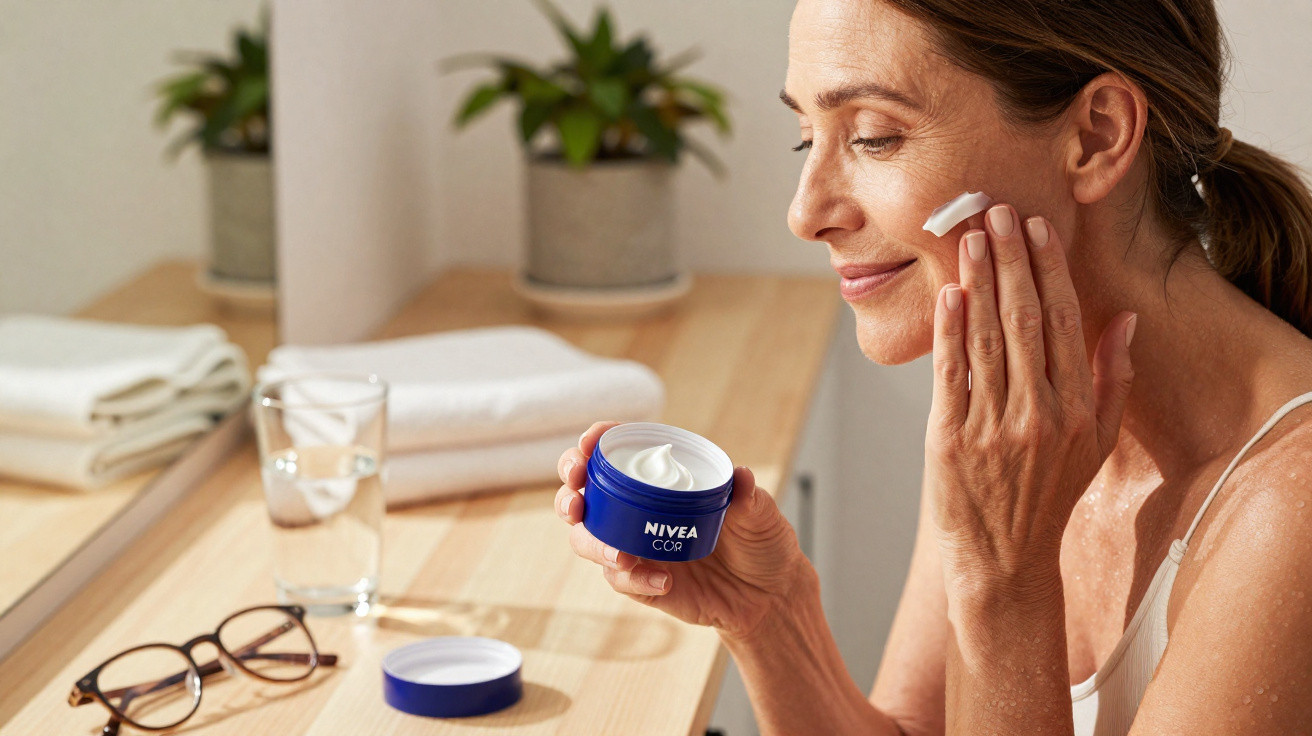
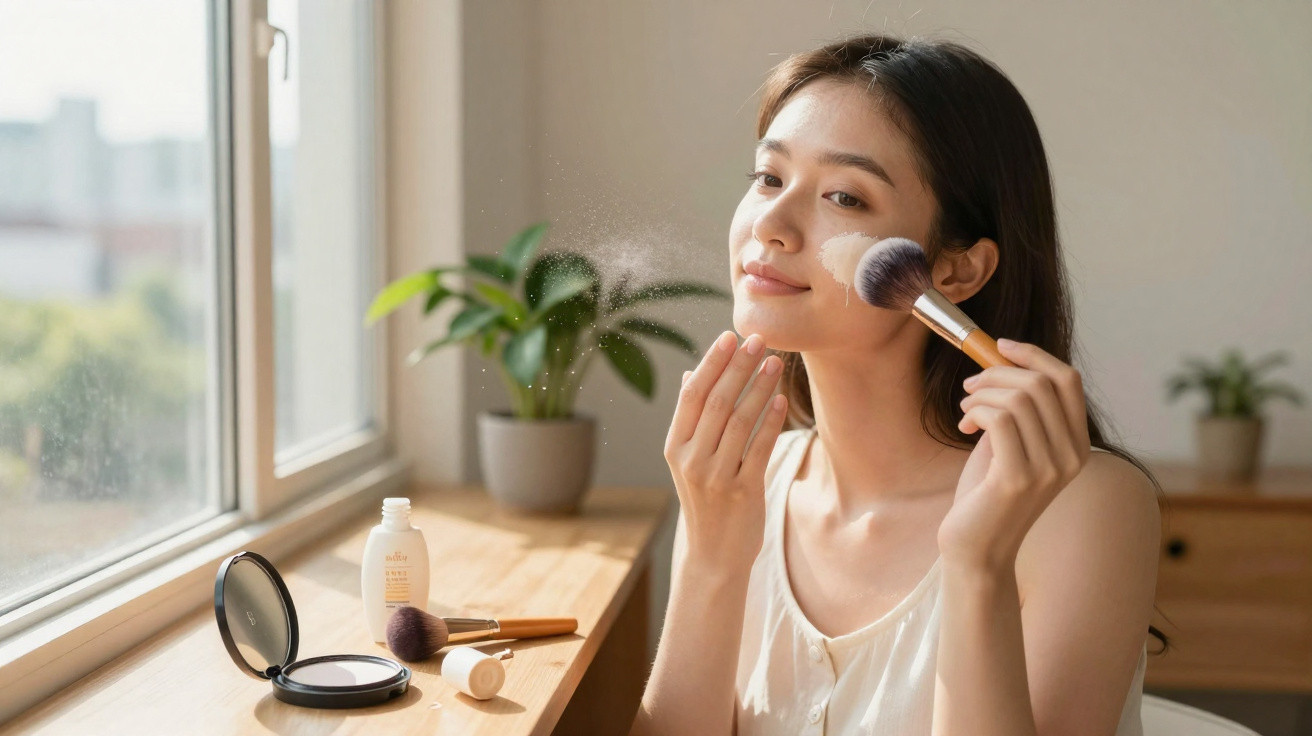
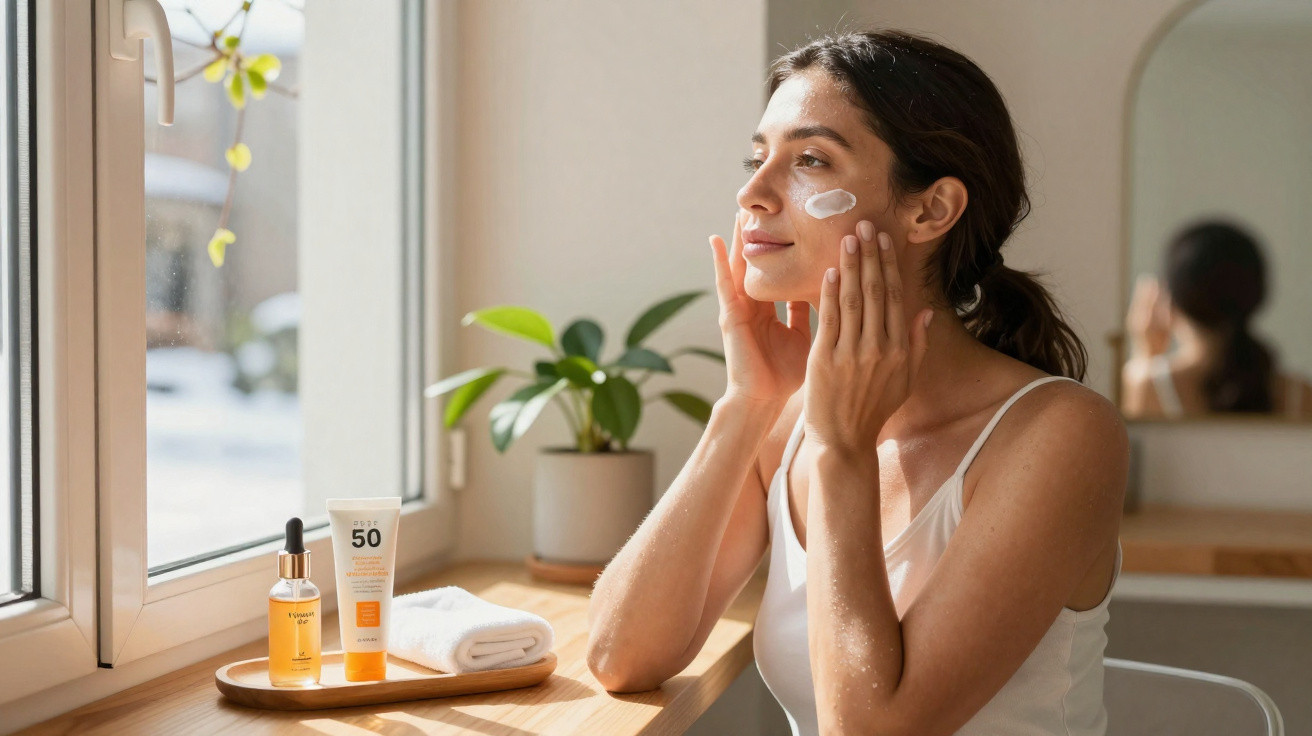
One straightforward approach begins in the bathroom each morning. Think of sunscreen not as an extra task, but as part of the daily routine, much like brushing your teeth. Use a moisturiser with SPF 30 or 50 every day, whether sunshine is forecast or not. Anyone who wears make-up can choose products with an integrated UV filter. The key is not perfection, but establishing a reliable baseline of protection. That first protective layer is already in place before you have even started thinking about the day ahead.
The next step is planning ahead. Much sun damage happens not on the beach, but during unexpected occasions: an unplanned beer garden visit, a longer walk, or an afternoon at the children’s football pitch. Keeping a small stick or travel-sized sunscreen in your bag, car or rucksack can make a real difference. It need not be a big production or a ritual. It is more like having a tissue available wherever you go. And yes, there will still be times when you forget. That is part of life. What matters is the direction you are taking, not a perfect score.
A common mistake is defining protection only through sunscreen. Lightweight linen, a loose shirt and a wide-brimmed hat already take a great deal of strain off the skin. Many people eventually realise that talking and laughing in the shade is just as enjoyable as doing so in blazing sunshine. Or even more enjoyable, because your head stays clearer. A dermatologist once put it this way:
“The best sunscreen is always the one you actually use - and the T-shirt you really put on.”
- A brief, consistent morning routine rather than complicated rituals
- Small sunscreen products in the places where you may unexpectedly end up outdoors
- Clothing and shade as relaxed default choices, not as a barrier to fun
Between carelessness and enjoyment: what we allow the sun to give us
Ultimately, it is a quiet question of balance: how much closeness to the sun benefits our wellbeing without making our skin pay the price? We long for light, warm evenings and the sense that a day spent “outside” somehow feels more real than any day in the office. At the same time, we know that every red shoulder is a small injury that means more than simply two bad nights of sleep. Our summer lives play out between these two poles.
Perhaps the aim is not to suddenly become an ultra-disciplined sun protection person. Instead, it may be about being a little more honest with ourselves. Recognising: “I forget this all the time, so I need tricks, not just good intentions.” A pump dispenser in the hallway beside the front-door keys. A hat that becomes as automatic as sunglasses. A group of friends where asking for a seat in the shade does not feel strange. Small shifts in daily life that eventually become as normal as reaching for your phone.
The sun is not becoming any less intense. Summers are tending to become brighter, hotter and harsher. Our skin does not have an update system like a smartphone; it quietly carries the total of the years with it. Perhaps that is the sobering truth: we cannot negotiate with radiation, only with our behaviour. And perhaps the way we deal with sun protection will one day tell a story about how much we wanted to stay. For more summers. For more years. For more days when we sit in the shade and simply watch others running around in the sunshine on the playground.
| Key point | Detail | Benefit for the reader |
|---|---|---|
| Normalisation of sunburn | Sunburn is viewed as “part of summer” and played down | Helps readers recognise why their own behaviour may be more relaxed than they realise |
| Psychological traps | A tan as a beauty ideal, and denial of long-term risks | Helps readers see through internal excuses and act more consciously |
| Everyday sun protection | Simple routines, products and clothing rather than perfectionism | Shows practical ways protection can work without much effort |









Comments
No comments yet. Be the first to comment!
Leave a Comment