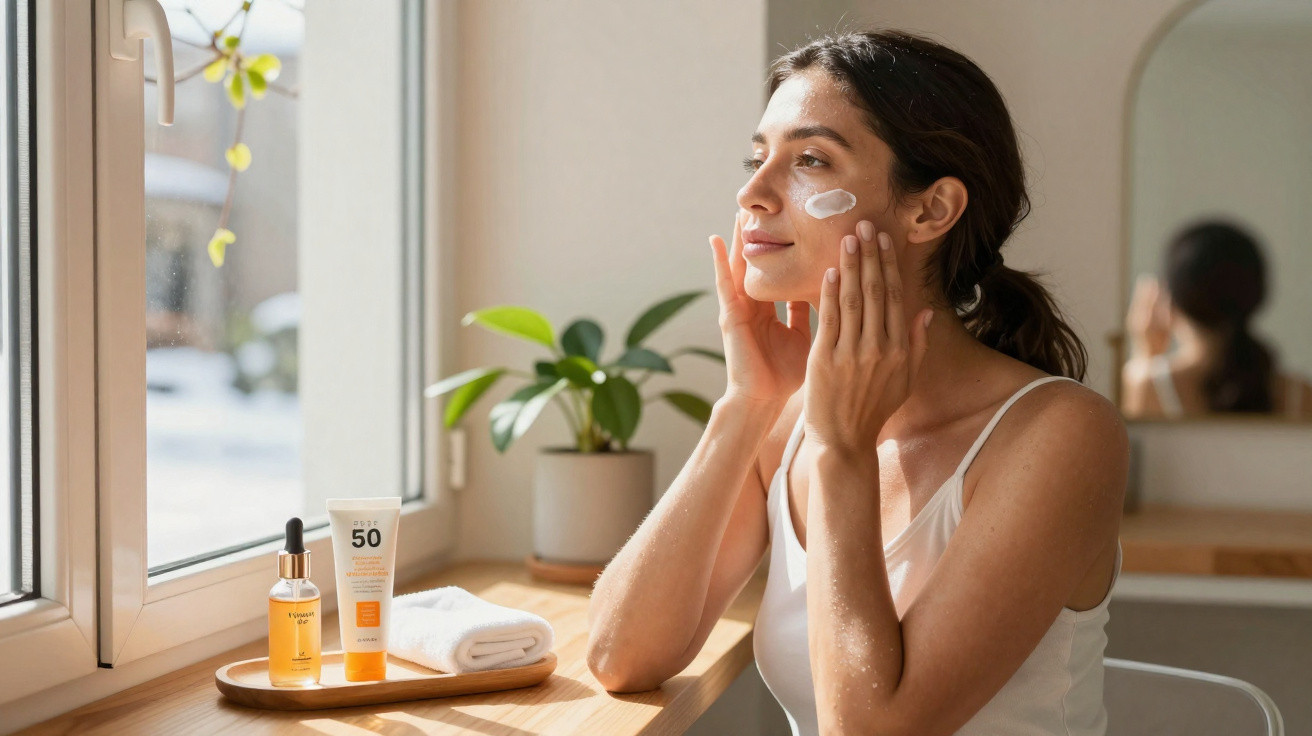
Many people first notice it in spring’s clear daylight: their complexion looks dull and tight, while fine lines appear more pronounced. A facial skincare expert explains what skin truly needs after winter - and which four steps make the difference now.
Why skin looks tired after winter
Throughout winter, skin is permanently in emergency mode. Cold and wind outdoors, combined with dry central-heating air indoors, draw out moisture and weaken its natural protective barrier. At the same time, more dead skin cells build up on the surface. As a result, skincare products penetrate less effectively, while the complexion can look grey, uneven and less supple.
“Simply smearing a rich cream over it now may conceal the problem at best - but it will not solve it.”
The good news is that a few targeted measures can make skin visibly smoother, plumper and more even over the coming weeks. The key is to combine gentle exfoliation, considered moisture management, carefully selected active ingredients and consistent UV protection.
Gentle exfoliation: a fresh start for a dull winter complexion
The first step in a spring skincare routine is to remove old cells so that fresh skin can come through. During winter, more dead flakes accumulate on the skin’s surface, reflecting light less effectively. Skin then appears lacklustre, and make-up settles more quickly.
At this stage, an expert clearly recommends mild exfoliants without harsh granules:
- Enzyme exfoliants dissolve dead skin cells with natural enzymes, often derived from fruit.
- AHA acids (alpha-hydroxy acids, such as glycolic acid and lactic acid) smooth the skin’s surface and refine its appearance.
- PHA acids (poly-hydroxy acids) are gentler still, making them well suited to sensitive or dry skin.
“Regular but careful exfoliation makes skin look more refined and restores its natural radiance.”
Getting the frequency right is important: for many skin types, one or two applications each week are sufficient. Anyone prone to sensitivity should begin with a product that is left on only briefly or formulated at a low concentration. Redness, stinging or significant flaking are warning signs - in that case, take a break for a few days.
Common exfoliation mistakes
- Using aggressive, coarse-grain exfoliants every day
- Layering several exfoliating products on top of one another
- Skipping daytime sun protection, even though skin is more sensitive after exfoliation
Avoiding these pitfalls creates the ideal base for subsequent skincare to work more effectively.
Moisture: the lifeline for dehydrated winter skin
After months of central heating, the skin’s moisture reserves are often depleted. It can feel tight, look rough and develop fine dehydration lines. A basic “greasy” cream is not enough here. Skin needs ingredients that attract water while also helping to retain it.
The following are particularly useful after winter:
- Hyaluronic acid – binds water and gives skin a visibly plumper appearance from within
- Ceramides – reinforce the skin barrier and, in effect, seal it
- Squalane – a skin-similar lipid that leaves skin supple without feeling heavy
- Beta-glucan – soothes, hydrates and supports regeneration
“As temperatures rise, the texture can become lighter - but the moisture content should remain high.”
In spring, it is worth swapping very heavy winter creams for lightweight gels, fluids or serums that are rich in humectants without leaving a greasy shine. Those with oily or combination skin often benefit from a pairing of hydrating serum and light cream rather than one thick layer of rich skincare.
What a simple spring skincare routine looks like
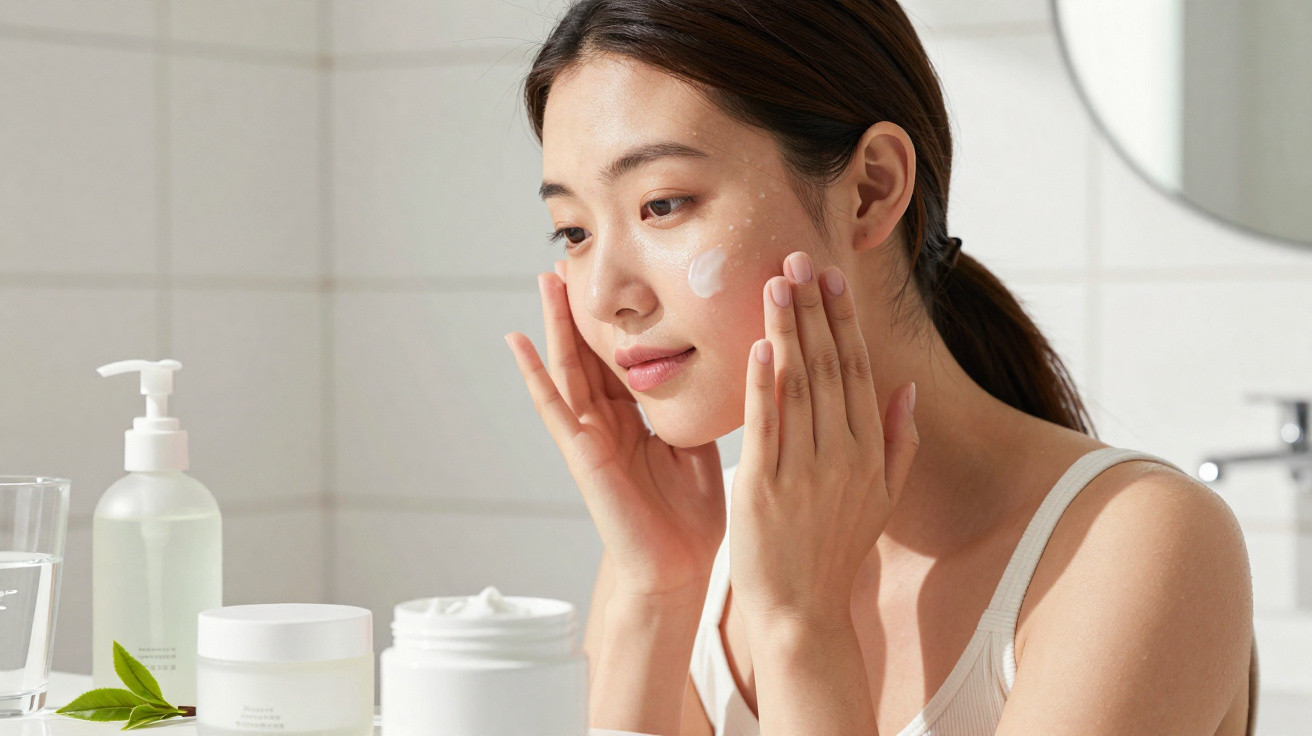
- A mild cleanser without harsh foaming agents
- Gentle exfoliation 1–2 times a week
- A hydrating serum with hyaluronic acid or similar active ingredients
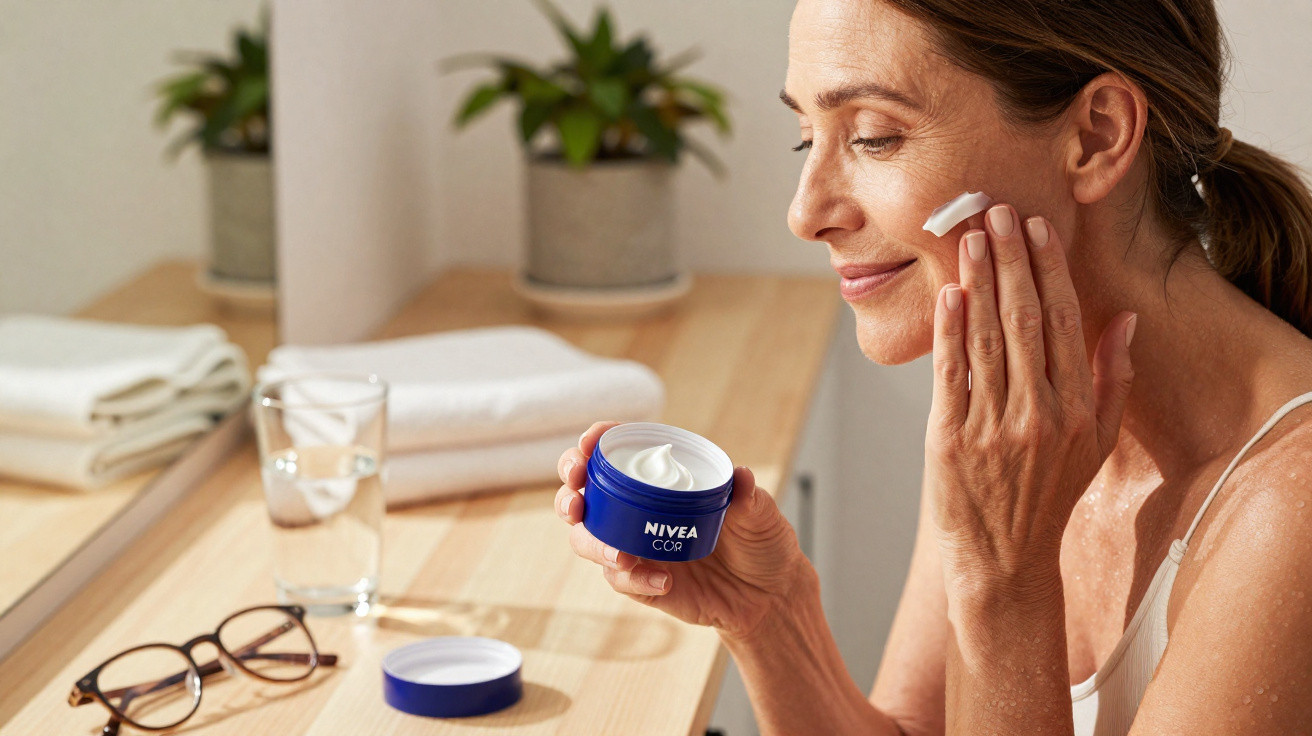
- A light cream to strengthen the skin barrier
- In the morning: daytime skincare with a high sun protection factor
Retinol and vitamin C: active ingredient power for texture and glow
Anyone wanting more than merely “reasonably well cared-for” skin may look to active ingredients in spring that improve the complexion’s texture and tone. Two names come up repeatedly: vitamin C and retinol.
Vitamin C creates a more awake-looking, more even complexion. It can help soften mild discolouration, acts as an antioxidant and often makes skin look fresher straight away. It is ideal in the morning, paired with sun protection.
Retinol, a form of vitamin A, is among the best-researched anti-ageing active ingredients available.
“Retinol speeds up cell renewal, stimulates the production of collagen and elastin, and can visibly smooth fine lines.”
With regular use, skin looks smoother, pores appear more refined, and pigmentation marks and an uneven complexion can gradually fade. This is a major benefit particularly after winter, when sun damage may become more noticeable.
How to introduce retinol safely
| Step | Recommendation |
|---|---|
| Frequency | Initially, 1–2 evenings per week |
| Application | Use only in the evening, on dry skin, then follow with soothing skincare |
| Increase | Build up slowly if skin does not feel tight or flake heavily |
| Daytime | Always use high UV protection, as skin may become more light-sensitive |
Those with sensitive skin can start with low concentrations or so-called “beginner products” and increase later. Excessive ambition achieves nothing here - irritation is more likely to set skincare progress back.
Sun protection: the most important step many underestimate
Whether using exfoliants, vitamin C or retinol, all these measures achieve little if unfiltered sunlight continues to cause damage. Spring sunshine may still seem harmless, but UV radiation is not.
“Without daily UV protection, every anti-ageing skincare routine is like a bottomless barrel: you pour plenty in at the top, and it runs straight out again at the bottom.”
Experts recommend a broad-spectrum filter of at least SPF 30 on sunny days; in intense sunshine or for sensitive skin, SPF 50 is preferable. Anyone using active ingredients such as acids or retinol should consistently opt for high-level filters.
How sun protection fits into your routine
- Apply it in the morning after serum and cream
- Use enough product - around a finger-length amount for the face
- Reapply every two hours when spending extended time outdoors
- Use it throughout spring, not only in high summer
For oily or blemish-prone skin, gel or fluid formulas that provide a matt finish and do not leave a white cast are often suitable. Dry skin benefits from nourishing textures with added barrier-strengthening ingredients.
When does it become a concern - and when is skincare no longer enough?
Mild dryness, a dull tone and a few fine lines can often be managed with good at-home skincare. However, if skin stings intensely, flakes, looks inflamed or suddenly develops many new pigmentation marks, a medical practice should be the first port of call.
A brief consultation is especially worthwhile when using retinol, acids or high-dose vitamin C, particularly if rosacea, eczema or other pre-existing conditions are already present. The wrong combination may otherwise do more harm than good.
How to combine products sensibly
Many people feel tempted to buy every trending active ingredient and try everything at once. A clear strategy is more sensible:
- Build the foundations first: cleansing, hydration and sun protection
- Introduce one active ingredient at a time
- Test each new product for several weeks before taking the next step
- Reduce the frequency or change the product if irritation occurs
This approach not only makes it easier to see what is genuinely helping. Skin also remains calmer and is less likely to react with redness or congestion beneath the surface.
Practical examples for a “post-winter reset”
Anyone who has mainly relied on rich cream so far could begin spring like this:
- Morning: gentle cleansing, vitamin C serum, light moisturiser, SPF 50 sun protection
- Evening (twice a week): cleansing, mild acid or enzyme exfoliant, soothing serum, night cream
- Evening (on 1–2 other days): cleansing, retinol product, followed by simple, non-irritating skincare
This combines smoothing, hydration, anti-ageing care and protection - without constantly overloading the skin.
Why patience is the underestimated beauty booster
Many expect a new cream or serum to deliver a miraculous transformation overnight. In reality, skin cycles take several weeks. Structural improvements from retinol or lasting hydration gains through barrier strengthening often become apparent only after four to eight weeks of consistent use.
Anyone who gives their skin this time in spring will benefit by summer at the latest: the complexion looks smoother and plumper, make-up sits better - and sometimes you finally feel truly comfortable in your own make-up-free face again.














Comments
No comments yet. Be the first to comment!
Leave a Comment