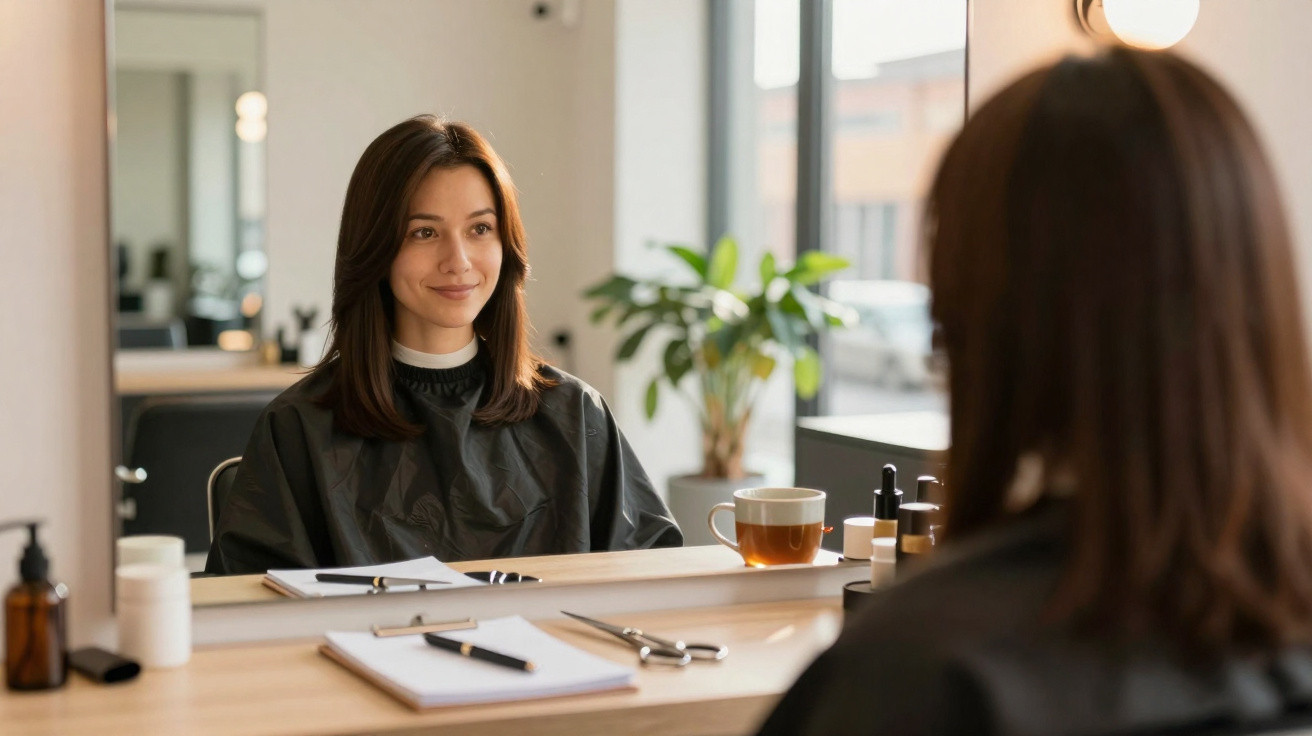
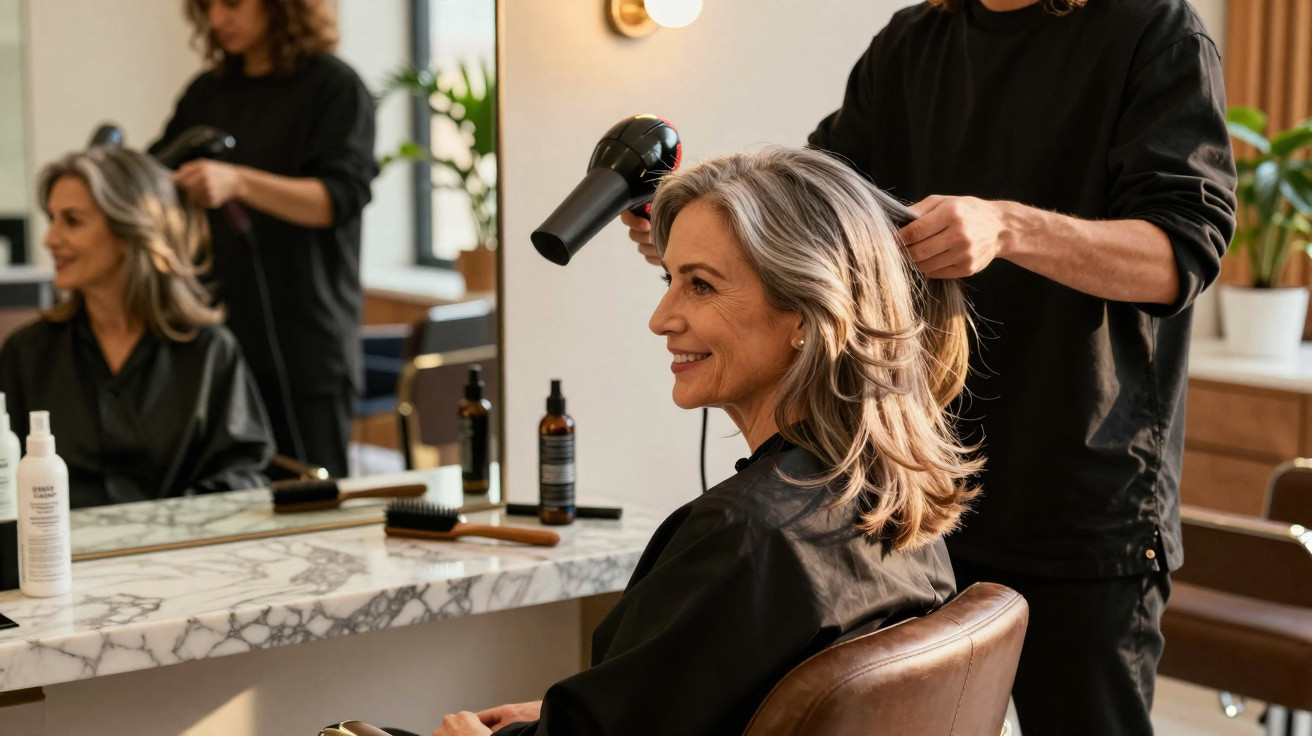
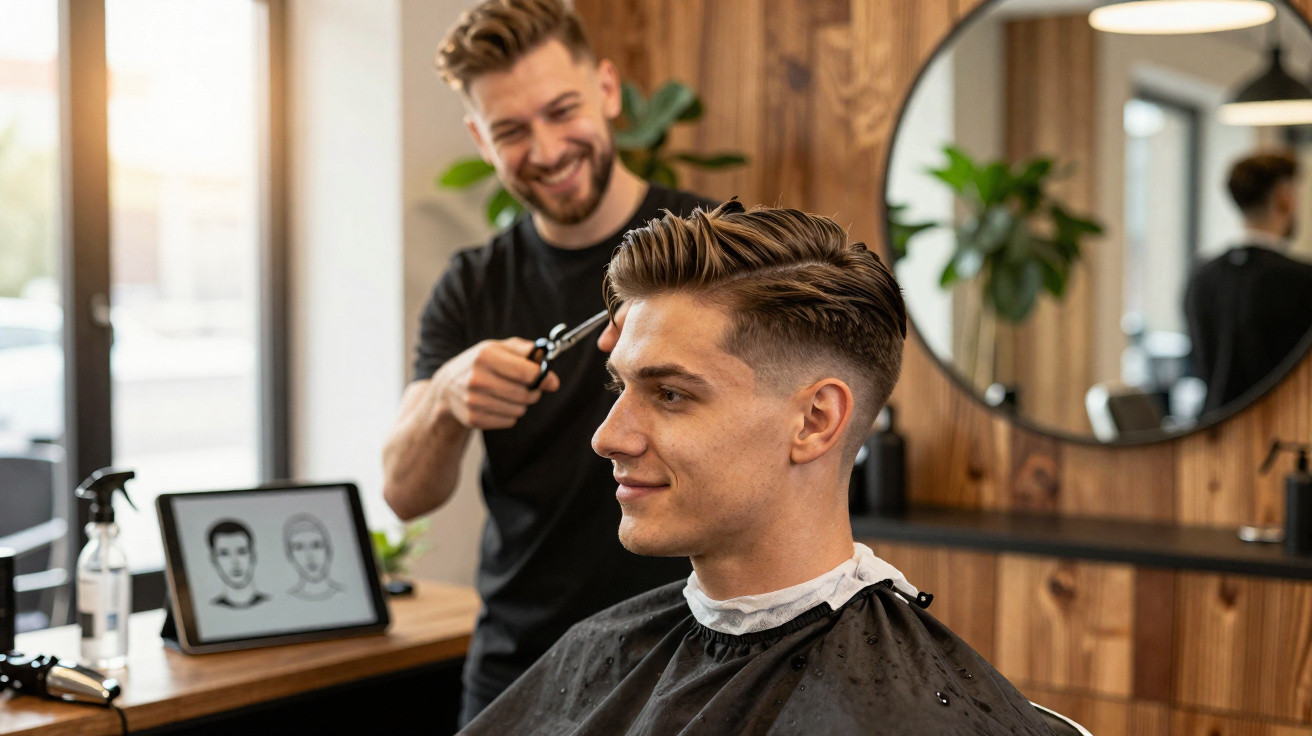
The woman in the salon chair beside me stares at herself in the mirror, bewildered. “Why does my hair never look like this at home?” she asks, half amused and half irritated. The hairdresser, in a black apron with steady hands, replies calmly: “Because you secretly torture it in the shower.” There is a brief pause, followed by the sound of water running through long hair. The air smells of shampoo, slightly chemical and slightly spa-like.
We all know that moment: you shake your head free of the towel, hoping your hair will fall as it did after the hairdresser, only to be met with frizz, dryness and limp strands.
The reality is that most “hair damage” does not happen during colouring or blow-drying. It happens in the ordinary moments of everyday life, in the shower. That is also where a simple technique begins - one that many hairdressers swear can change everything.
Why we dry out our hair in the shower without realising it
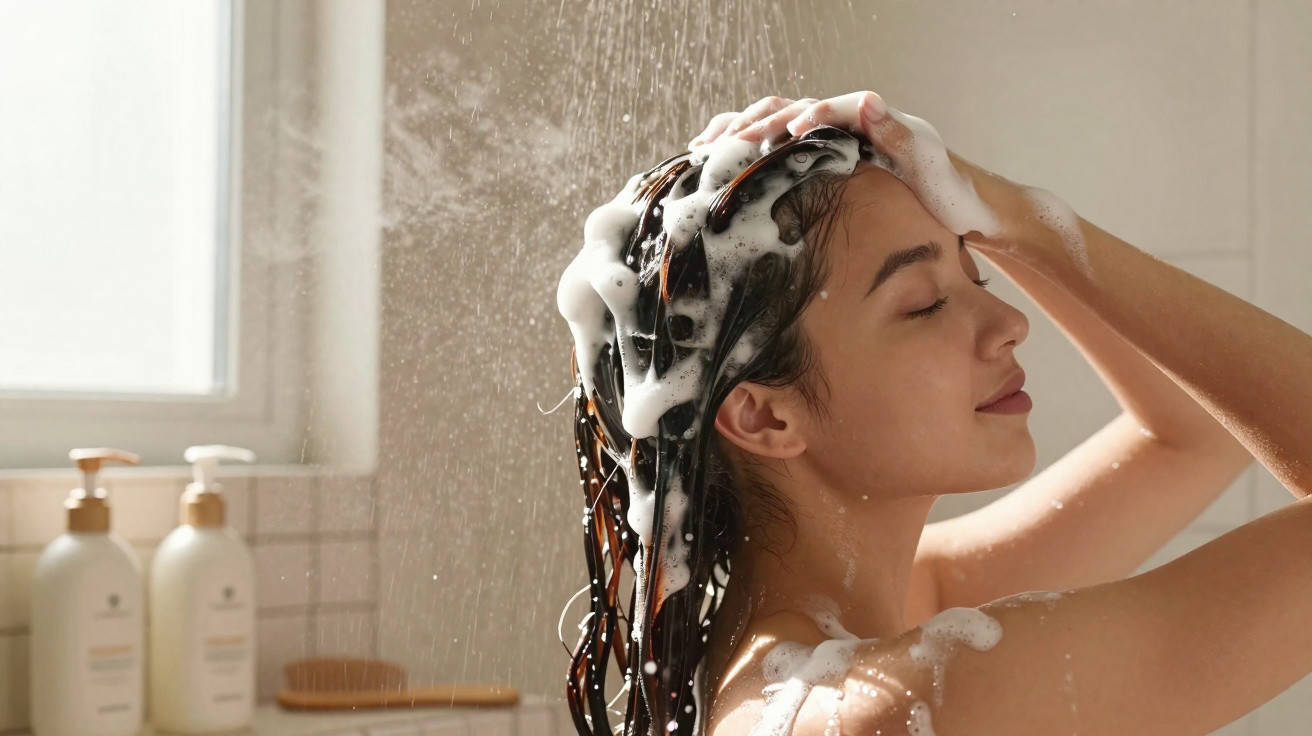
Many women wash their hair as though they are scrubbing a dirty baking tray. The water is turned up hot, shampoo is applied generously, everything is rubbed vigorously, then it is done. It may feel efficient and satisfyingly clean, but it quietly dries out the lengths.
The irony is that the scalp is often not cleaned properly at all, while the ends receive the full dose of surfactants. They sit in foam that was really intended only for the roots. This is how dryness develops without you ever thinking the words “hair damage”.
A hairdresser from Cologne says she can tell how someone showers simply by looking at their hair texture. “Too hot, too much shampoo, too much friction,” she says, holding a blonde strand that hangs dull in the light. Her client washes her hair every other day because she worries about greasy roots.
Let us be honest: nobody counts seconds in the shower or checks the water temperature with a thermometer. You arrive home stressed, tie your hair up, turn on the water and apply shampoo - the priority is speed. Yet we still wonder why our ends feel like straw even though we diligently use conditioner.
The straightforward explanation is rather unglamorous: shampoo is designed primarily for the scalp, not the lengths. Its surfactants lift away sebum, styling residue and dirt. When the foam runs down through the hair, that is usually enough to cleanse the lengths. If you shampoo the ends again directly, you wash them twice even though they are not twice as dirty.
Warm water also lifts the hair cuticle. If the hair is then rubbed hard, the opened cuticles scrape against one another like very fine sandpaper. The result is rarely immediate; it develops gradually: reduced shine, increased frizz and split ends that seem to appear “out of nowhere”.
Why hairdressers swear by a second, brief shampoo wash
For years, many salon professionals have followed a simple method: shampoo twice, but for very different lengths of time. The first wash is the cleansing stage, removing sebum, dust and styling residue. The second is brief and gentle, almost like a care ritual. It cleans the roots evenly and prepares the hair for conditioning.
Anyone who tries it consciously can notice the difference. During the second wash, the shampoo lathers more finely and creamily. The scalp does not feel “scrubbed bare”; it feels light and fresh. This is often the point at which the shine we normally associate with the salon begins to develop.
A hairstylist from Munich explains it to her clients this way: “The first wash clears up; the second puts everything in order.” She says many women are sceptical at first. “More shampoo? Won’t that dry it out?” Then she lets them run their hands through their hair after blow-drying.
The same response often follows: “My hair feels lighter, but not dry.” One client who had spent years doing one quick wash later admits that she can suddenly go an extra day before washing it again. Her scalp produces less oil because it is no longer constantly being “overwhelmed”. It is a small routine adjustment that makes a genuine difference in daily life.
From a haircare perspective, a second short shampoo wash works almost like a reset button. During the first wash, the surfactants have to work their way through oil and styling residue - they are busy “working”. On the second wash, they meet an already clean base, allowing them to cleanse more gently and evenly.
As a result, you can use shampoo more sparingly, cleanse the scalp more precisely and leave the lengths alone. Put simply: less harsh friction, more targeted cleansing. That is what ultimately creates the smoother-looking hair we recognise as “shine”.
How to change your hair-washing routine - without turning your shower into a spa programme
The technique starts before the water runs: quickly brush your hair to remove any knots. Then choose lukewarm, rather than very hot, water. Wet your hair thoroughly for longer than your instincts tell you to.
For the first wash, use a small amount of shampoo - roughly coin-sized - and distribute it only over the roots. Massage the scalp gently with your fingertips, not your nails. Leave the lengths and ends alone; they only need the foam that runs down through them. Rinse briefly. That is the first stage complete.
For the second wash, take an even smaller amount of shampoo. Apply it again only at the roots, but this time more lightly and for less time. Do not rub aggressively; think of it more as a small scalp massage. The lather will often feel denser and “finer” now. That indicates that the scalp is already relatively clean.
The important point is this: the lengths should not receive extra shampoo this time either. The foam is entirely sufficient. Rinse thoroughly - genuinely thoroughly. Then apply conditioner only to the lengths, never to the scalp. Leave it for one minute, rinse it out, then use a towel - but do not rub. Instead, gently squeeze out the water.
For many women, the difficulty is not washing itself but the small habits around it. Water that is too hot, rushed rubbing or using far too much product. Or the instinct to lather up everything again during the second wash, “so that it is worth doing”.
Most hairdressers are remarkably understanding when explaining this. They know how hectic a bathroom can be at seven in the morning. One honest line you often hear is: “Nobody does perfect haircare in real life.” Even so, two or three tiny adjustments can produce a visible shine effect without making you spend an extra half-hour in the shower.
“What makes the biggest difference? Not the most expensive shampoo, but how you use it,” says an experienced salon owner. “Two short, mindful washes beat one rushed power wash by a mile.”
- The first wash is about cleansing: loosening sebum and styling residue, especially at the roots.
- The second wash is about refinement: a short, gentle massage, less product and an even lather.
- The lengths are never scrubbed directly; they only come into contact with the foam running down.
- Lukewarm water protects the cuticle and retains more natural shine.
- Gently squeezing the hair rather than rubbing it with a towel reduces frizz before you even blow-dry it.
What shiny hair really reveals - and why the difference often starts in the shower
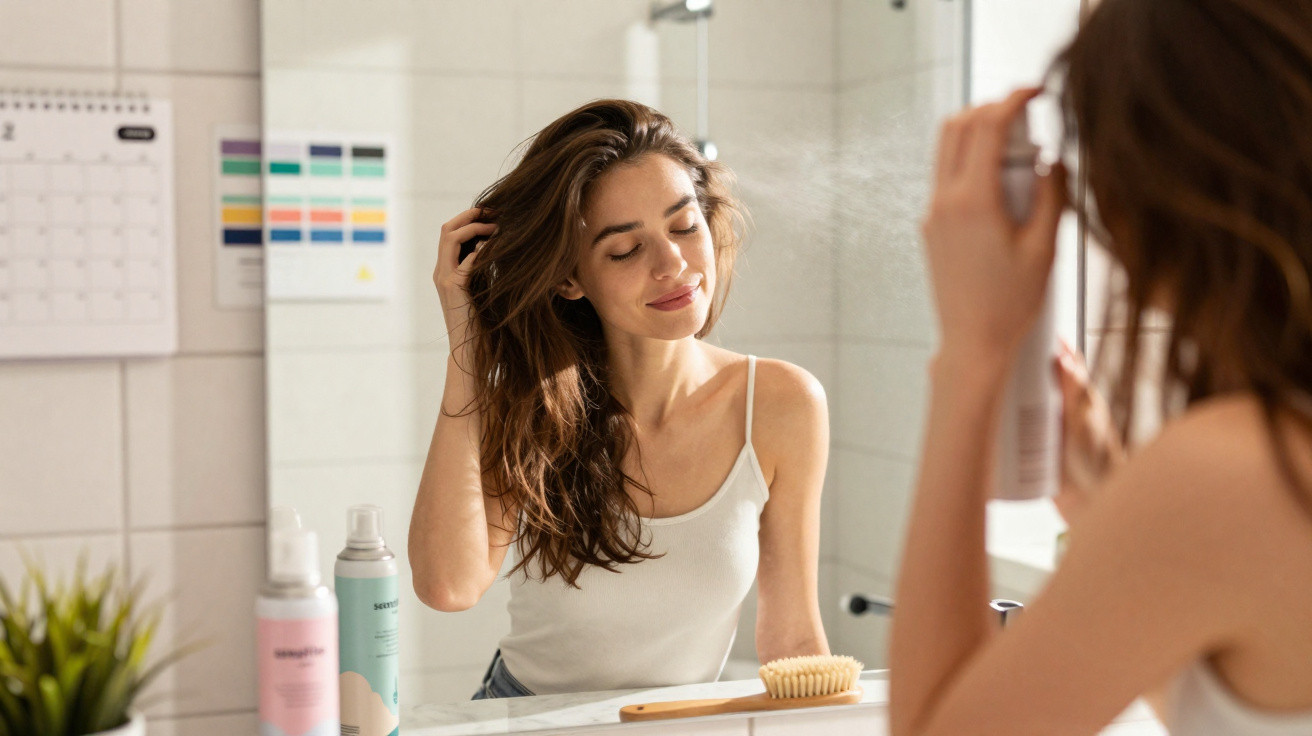
Hair shine is a quiet giveaway. It reveals how smoothly the cuticle lies and whether the structure is sleek or roughened. Many women reach for serum, oil or shine spray to disguise what went wrong during washing. You can cover up plenty, but the underlying feeling - soft, supple and not parched - begins somewhere much more ordinary: in the bathroom, with wet hair and one less unnecessary movement.
Once you stop treating your hair like the sleeve of a jumper and start treating it as a delicate fabric, something changes. Not overnight, but week by week. The ends break less, the brush glides through more easily, and the urge to hide your hair in a bun all the time starts to fade.
Perhaps at your next coffee with a friend, you will say: “I wash it twice now - but more briefly - and my hair looks as though I have bought a new shampoo.” At first, she will probably look sceptical, just like the woman beside me in the salon.
Sometimes the smallest, least spectacular routines create the kind of dramatic before-and-after effect you see in the mirror. No trend, no miracle product and no 15-step Curly Girl routine. Just slightly less heat, slightly less rubbing, a second short shampoo wash and a little more respect for what lives on your head with you every day.
| Key point | Detail | Reader benefit |
|---|---|---|
| Two different shampoo washes | The first wash cleanses; the second refines and distributes shampoo more gently | Understands how shine begins during washing rather than with styling products |
| Gentle treatment of the lengths | No direct shampooing of the ends, only contact with foam | Reduces dryness, split ends and frizz without extra haircare products |
| Temperature & technique | Lukewarm water, gentle massage and no towel rubbing | Easy everyday changes for a healthier hair structure |








Comments
No comments yet. Be the first to comment!
Leave a Comment