
Many people fail to realise just how profoundly their hairstyle shapes the impression they make on others. A minor change to your hair can be enough for colleagues, friends or strangers to see you differently overnight: as more approachable, stern, vulnerable or self-assured. This is precisely the subject explored by French psychiatrist Marine Colombel, whose ideas translate readily to everyday life in the United Kingdom.
How hair helps shape our social role
Hair functions rather like an unspoken CV. Before someone even learns your name, they instinctively register whether it looks neat or untamed, conventional or rebellious, conservative or adventurous. These judgements are formed in fractions of a second.
Colombel describes, for example, a colleague who shaved his head completely for the first time. He remained the same person professionally and in private. Yet the response around him changed noticeably: shock came first, followed by curiosity, then greater respect and, from some people, even admiration. Nothing about him had changed, but the image others held of him had altered considerably.
Hair is a visible lever through which we control how close others are allowed to get to us – and how seriously they take us.
When someone makes a dramatic change to their hairstyle, they are often quietly testing something too: “How much authenticity can I tolerate? How willing am I to show my inner self outwardly?”
Hair as a tool of conformity
As the philosopher Michel Foucault, cited here by Colombel, might put it, every haircut also means submitting to unwritten rules to some extent. It is not only the army, police forces or convent schools that prescribe particular lengths and cuts. Offices, trendy bars, parents’ evenings and job interviews all come with invisible dress codes as well.
In military barracks, the rule is imposed from above. In daily life, we adapt ourselves without receiving an official order. Many people go to the hairdresser with unspoken rules such as these in mind:
- “For the new job, I should probably avoid anything too noticeable.”
- “As a mother, I shouldn’t look too flamboyant.”
- “I see myself as more respectable with grey hair; other people probably do too.”
- “Long hair looks unprofessional, so I’ll have it cut.”
Nobody forces you to do any of this directly. Even so, the expectation remains in the background. This is exactly where Foucault’s concept applies: control shifts inwards. We carry the norm inside our own minds, cutting and colouring our hair voluntarily because we fear standing out otherwise.
Hair length as a signal to the people around you
Whether hair is short, mid-length or very long, its length conveys distinct messages, often more powerfully than clothing does.
| Hairstyle type | Possible impression on others |
|---|---|
| Very short / shaved | controlled, determined, sporty, sometimes unapproachable |
| Short, soft cut | practical, modern, structured, “grounded in life” |
| Shoulder-length, classic | conforming, respectable, “a team player”, unlikely to cause offence |
| Very long hair | freedom-loving, emotional, romantic or spiritual |
| Curls, worn naturally | lively, creative, spontaneous |
| Bright colours / extreme styles | rebellious, artistic, independent, sometimes “difficult” |
These impressions are, of course, stereotypes. Nevertheless, they have an effect: they influence how people approach you, whether they trust you with responsibility or prefer to keep their distance.
When hair carries spirituality and identity
Beyond conformity and rebellion, Colombel highlights another dimension: in many cultures, hair is invested with spiritual meaning. The historian of religion Mircea Eliade suggested that hair, like blood or nails, stores a particular life force. Cutting it, growing it or offering it up can therefore become a ritual act.
- Shaving represents purification and a fresh start in many religions.
- Growing hair symbolises protection, a vow, closeness to God or closeness to nature.
- Cutting off a magnificent head of hair often marks a rupture: mourning, punishment or liberation.
The best-known story in Western culture is perhaps that of Samson, whose superhuman strength was tied to his long hair. When Delilah cut it, he lost not only his power but also his self-image and his role as a leader.
In many myths, the loss of one’s own power begins when somebody else gains control over one’s hair.
Allowing others to decide what happens to your hair – parents, partners or employers – often means surrendering more than appearance alone. It concerns self-determination: am I allowed to look the way I feel?
When the scissors mark a fresh start
Colombel recounts that her shaved-headed colleague had hesitated for a long time. It was not vanity that held him back, but fear of how the other psychiatrists and patients would react. In the end, choosing to go bald became a declaration: my inner image matters more than the expectations in the clinic corridor.
Many people recognise similar turning points:
- After a break-up, the long hair goes – along with the old life.
- After an illness, the first regrowth of one’s own hair becomes a quiet victory.
- After burnout, a radically different cut represents the determination to set boundaries.
Decisions like these continue to have an effect. Every time you catch sight of yourself in the mirror, you reaffirm: “This is who I am now.”
What your hairstyle reveals about your inner compass
People who wear their hair strictly in line with convention often send the message: “I do not want to stand out; I function.” This can be an intentional choice, and there is nothing wrong with that. It becomes troubling only when you no longer recognise yourself in the mirror and hide behind a mask of “It is simply what one does”.
At the other extreme, highly conspicuous hairstyles can serve as armour. Someone with vividly coloured spikes or a shaved Mohican may sometimes be saying: “Keep your distance; I make the rules.” Beneath that exterior there is often insecurity, or a fear of being overlooked.
The more interesting question is not: “What do others think about my hair?” It is: “Does my hair reflect what I think about myself?”
A brief self-check may be useful:
- Do you feel authentic or disguised when you see your hairstyle in the morning?
- Did you choose it because you wanted it, or because you fear criticism?
- Does your haircut suit the life you are living now, or an earlier chapter?
- What emotion arises when you merely imagine a radical change: panic, anticipation or relief?
Psychological subtleties: control, closeness and vulnerability
Hair also touches on sensitive matters such as control and intimacy. Someone who slicks it back tightly often communicates: “I have myself under control.” Wearing it loose and slightly tousled can make a person seem more approachable, but also more vulnerable. In therapeutic settings, female psychiatrists report that some female patients pay close attention to how “put together” they appear at their first appointment.
It is also striking how closely hair is linked to shame. Hair loss can place people under immense psychological strain, because it changes not just their appearance but also their sense of personal strength and youth. Many use caps, scarves or wigs to keep that loss private. Others confront it openly and deliberately shave their heads completely: an act of reclaiming their body.
Touch is another important aspect. Very few people would allow a stranger simply to run their fingers through their hair. Touching hair is usually reserved for partners, close friends or hairdressing professionals. This too shows that hair is not merely decoration; it is a deeply personal part of identity.
How to use your next haircut more consciously
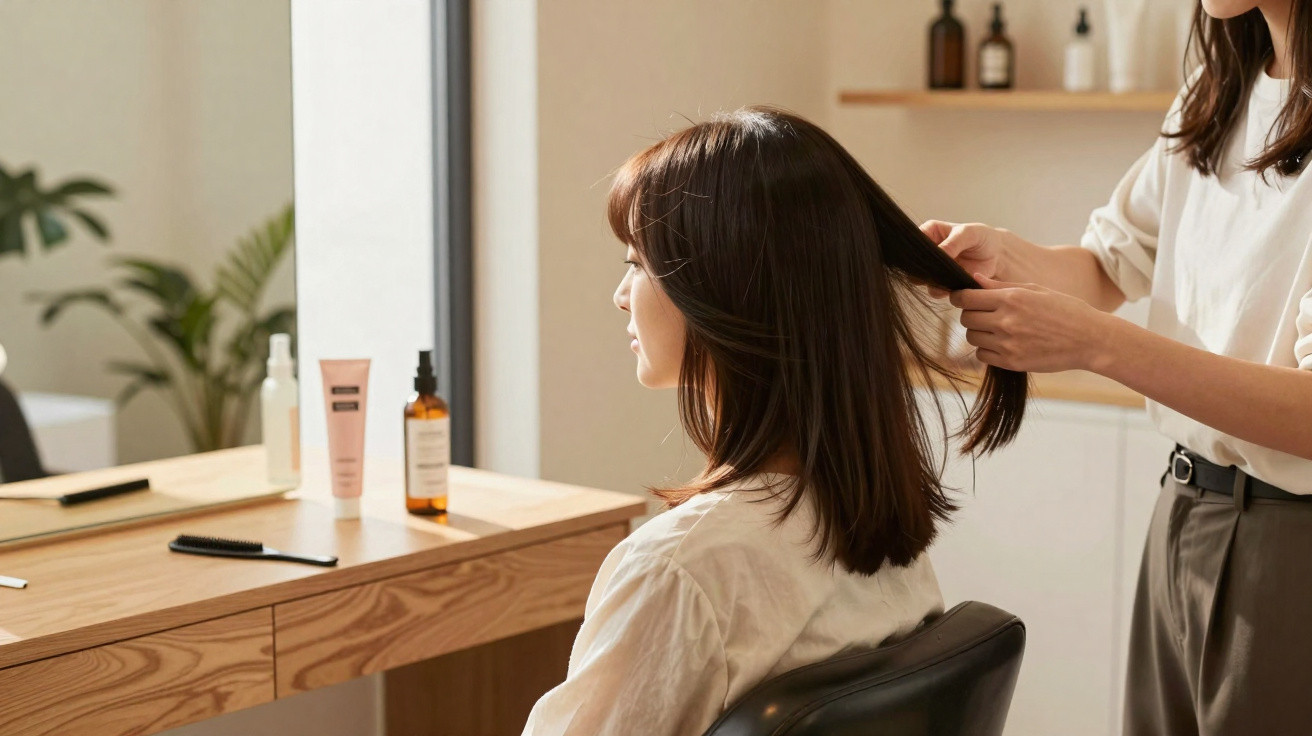
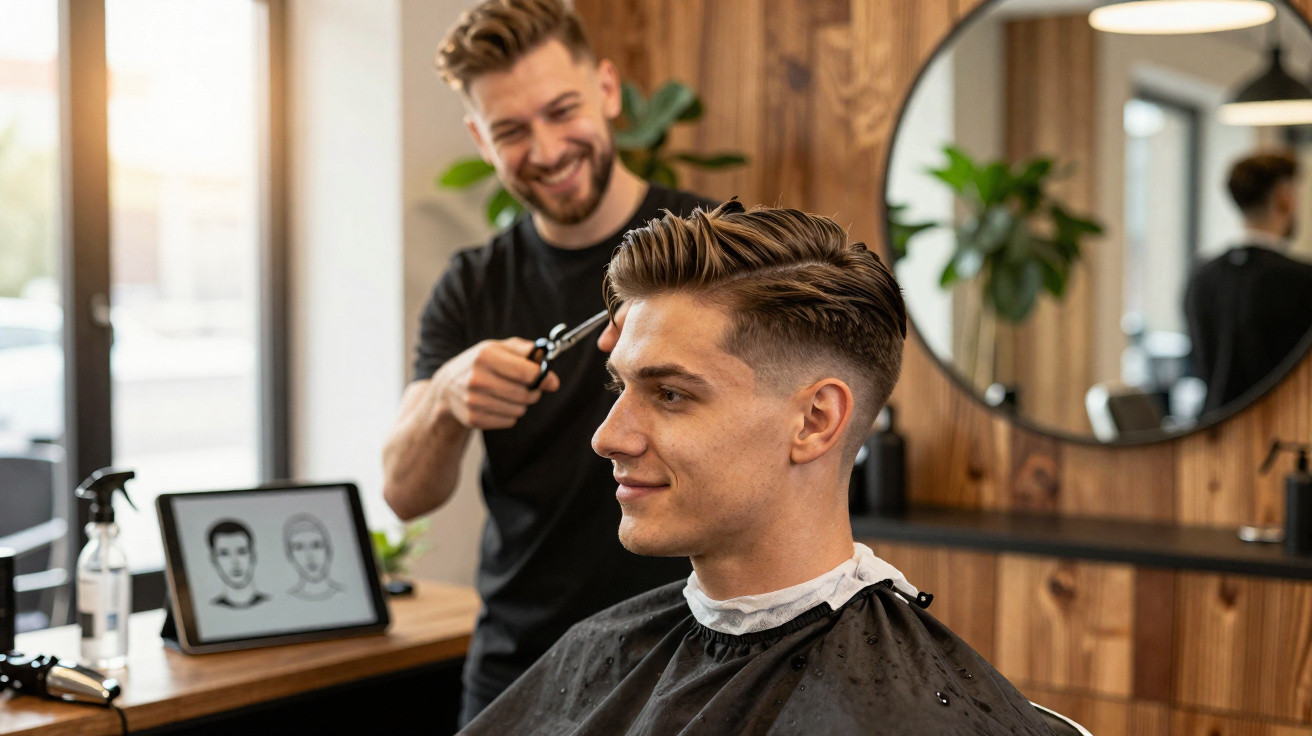
If you see your head as a canvas for your own story, your next visit to the hairdresser can become more than simply “a little trim”.
- Beforehand, put into words how you want the new hairstyle to make you feel: braver, calmer, more professional or more playful?
- Consider which unwritten rules you automatically carry in your mind, and which of them you genuinely want to keep.
- Dare to tell the hairdresser what is changing in your life. Good professionals can translate that into a cut and colour.
- Allow for a transition period: people around you may need longer to connect your new look with your personality.
Ultimately, much comes down to the attitude Colombel observed in her colleague: the most powerful form of belonging is not to a company, a scene or a fashion, but to yourself. Your hair can be a quiet yet highly visible starting point for that.














Comments
No comments yet. Be the first to comment!
Leave a Comment