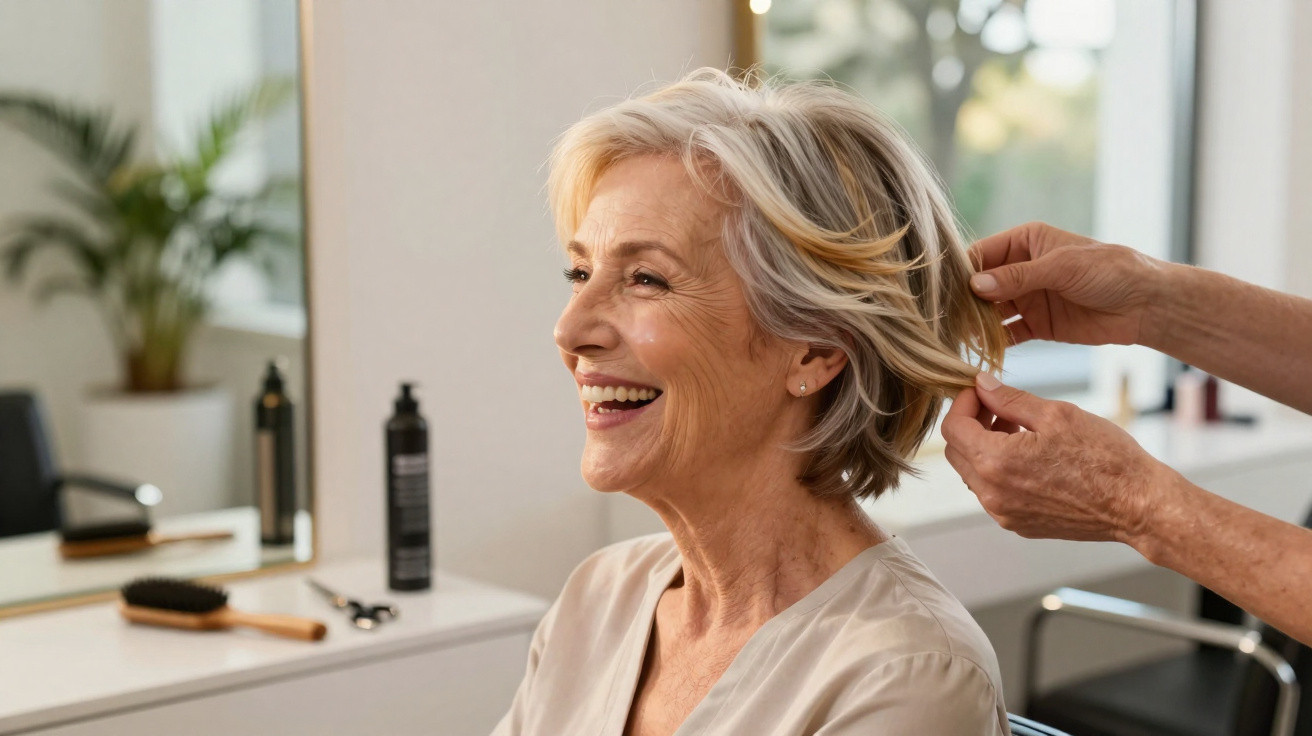
Spring salon appointments are booking up quickly, and a short, crisp style is becoming the talking point among stylists for women over 70.
In both social media feeds and local salons, the “trixie cut” is gaining attention as the season’s leading short hairstyle, offering a fresh appearance with very little effort.
What exactly is the trixie cut?
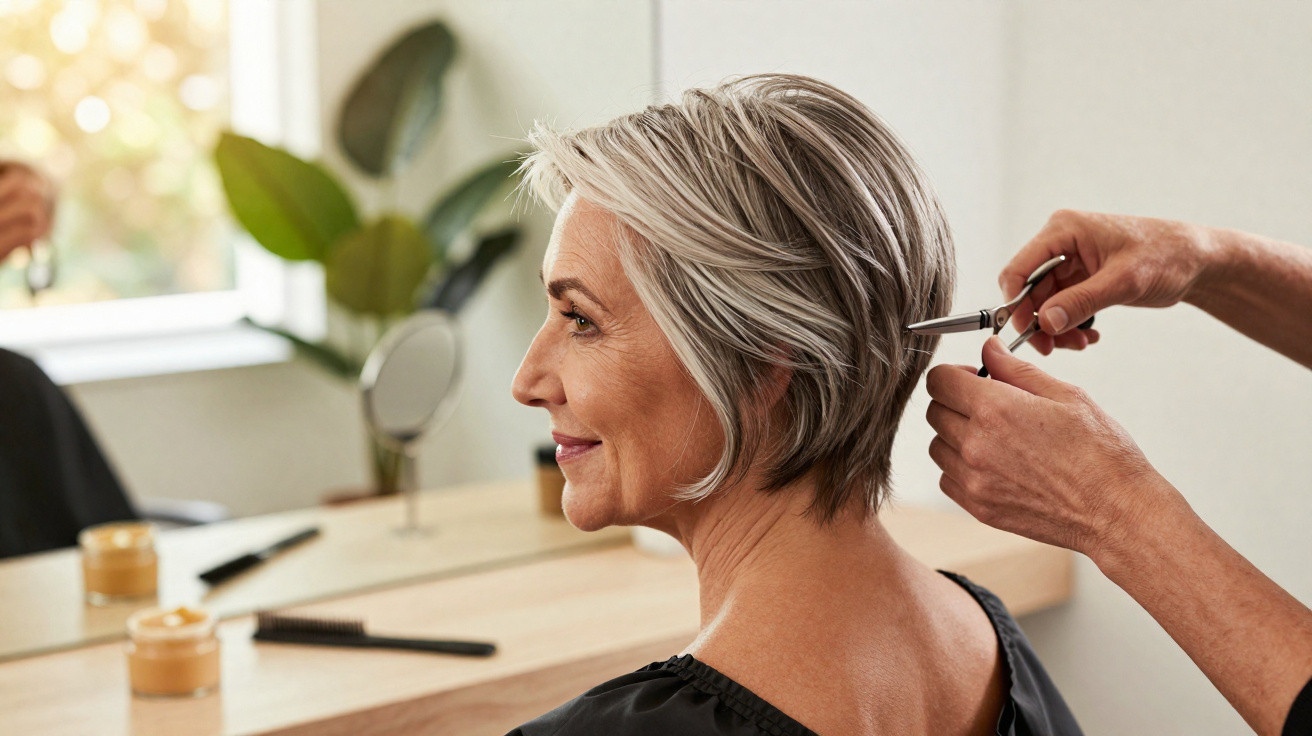
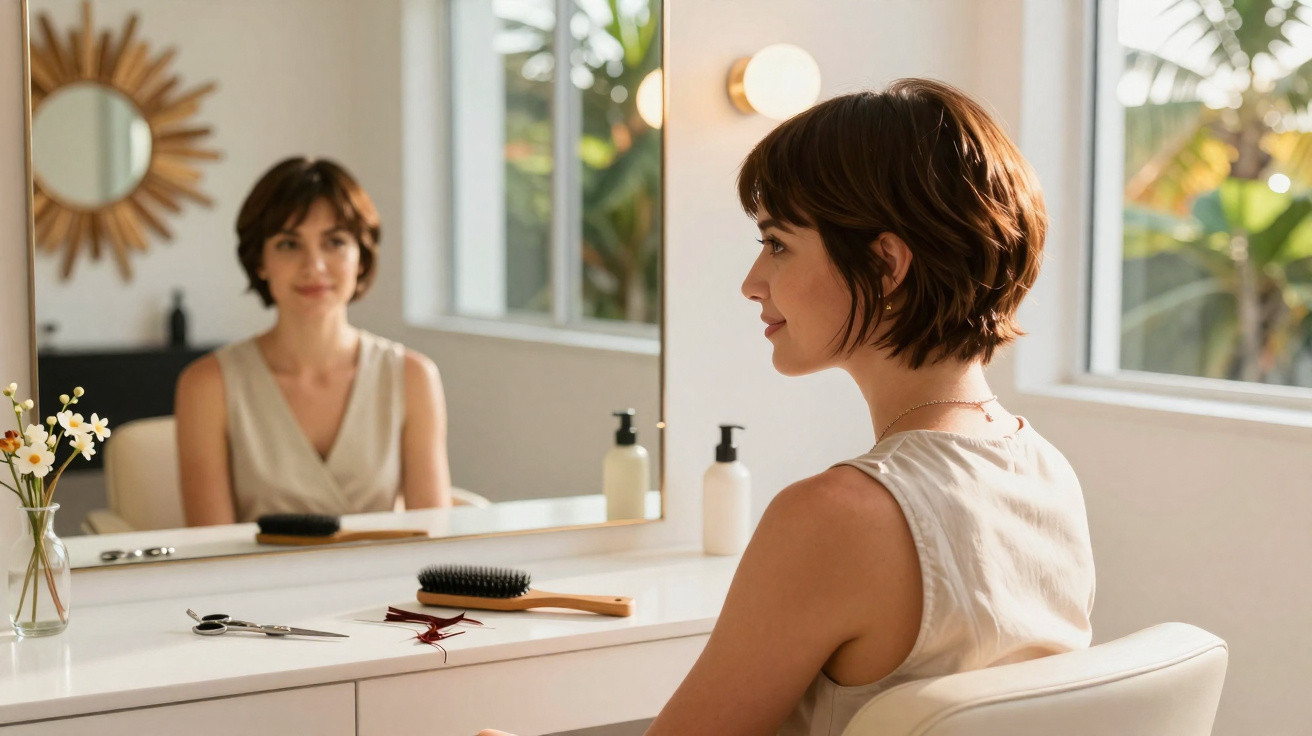
A trixie cut is a cropped style positioned between a pixie cut and a traditional short bob. It is closely cut at the nape and along the sides, while retaining a little more length and texture through the top. The result is a light, airy shape with soft definition.
Rather than being an ultra-close crop, the trixie provides sufficient length for styling versatility. The front can be swept sideways, brushed back or shaped into a soft fringe. As it works with the hair’s natural growth pattern, it is both quick to style and forgiving.
The trixie cut keeps the neck clear and the face framed, creating a lifted, almost “open” look that flatters mature features.
For women over 70, this combination of close-cut and lightly tousled hair can appear fresher than a tightly cropped look or a weightier mid-length style.
Why it flatters women over 70
Hair changes in texture over time. It commonly becomes finer, the scalp can be more visible, and growth may become slower. Instead of resisting these changes, the trixie cut is designed to work with them.
Lifting and softening facial features
The shape gently echoes the jawline and cheekbones. Keeping the sides tidier while creating a little height at the crown gives the face a visual lift. This can soften the appearance of marionette lines and jowls without demanding heavy styling.
A delicate fringe or side-swept front sections can soften forehead lines, directing attention towards the eyes instead of the hairline.
The strategic volume of the trixie cut gives the illusion of thicker hair and a more defined facial contour.
Working with thinning or fragile hair
A shorter length removes excess weight from the roots, making fine hair easier to lift and helping it look fuller. Trixie cuts are generally shaped with gentle layers or point-cut ends, creating movement without removing too much density.
As the hair is not heavily layered, the scalp tends to show less than it can with some wispy pixie styles. This can be particularly important for anyone concerned about areas of thinning.
Key features of the trixie cut
- Length: Closely cut at the nape, finishing from the upper ear area to mid-ear.
- Top section: Kept a little longer to allow easy changes of parting and gentle movement.
- Fringe options: A micro fringe, side-swept fringe or a softly grown-out fringe.
- Texture: Light layers that add volume rather than an extreme or choppy finish.
- Finish: Suitable for either a sleek, polished result or a casual, lightly tousled look.
This adaptable shape allows the same essential cut to suit very different tastes, whether subtle or more edgy.
How the trixie cut differs from other short styles
| Style | Main features | Compared with the trixie cut |
|---|---|---|
| Classic pixie | Very short throughout, often cut close around the ears and neck | The trixie retains more length at the top, creating softer styling possibilities |
| Short bob | One length or lightly layered, commonly finishing at jaw level | The trixie reveals the nape and feels lighter, with less weight around the jaw |
| Shaggy crop | Numerous choppy layers with tousled ends | The trixie is neater and more structured, making it simpler to maintain with minimal styling |
For many women over 70, that in-between option is precisely the appeal: current and fresh without feeling extreme.
Why the trixie cut feels “youth boosting”
Stylists increasingly focus less on making someone look younger and more on helping them look alert, well-rested and lively. The trixie cut reflects this change in both wording and outlook.
Movement and lightness
Mature hair may seem lacklustre when it falls without any shape. The trixie’s gentle layers promote movement as you walk, and that motion reflects light to add shine and dimension.
Exposing the neck and removing weight from the shoulders can also make posture look more upright. This on its own may give a more energetic impression.
Face-framing, not face-hiding
Long sections of hair around the face can pull features downward. The trixie moves hair away from the face while still providing a soft outline. It brings out the eyes, cheekbones and smile lines more gently.
Rather than masking age, the trixie cut highlights expression and personality, which often reads as more youthful than any particular length.
Adapting the trixie cut to your hair and lifestyle
No two trixie cuts should look exactly alike. A skilled stylist will adapt its proportions to suit your hair’s natural behaviour and the demands of your everyday routine.
For wavy or curly hair
Waves can give a trixie cut a playful, characterful finish. A stylist may preserve a little extra length through the crown and top so curls can develop naturally. Usually, a small amount of curl cream or lightweight mousse provides enough definition.
The sides and back may be undercut or simply tapered to stop the shape becoming too wide. The aim is a controlled silhouette with soft, springy texture.
For straight, fine hair
Fine hair responds well to discreet internal layers that create root volume. Texturising scissors may be used sparingly at the ends, but not at the scalp, to prevent an overly fluffy effect.
A root-lifting spray at the crown, followed by a quick blow-dry with your head tipped forwards, can create height in under five minutes.
Maintenance: how often to visit the salon
Because it is short, a trixie cut grows out relatively fast. Appointments every four to six weeks are ideal for retaining a sharp, precise outline. If you prefer a gentler and less defined shape, you may be able to wait up to eight weeks.
At-home styling is straightforward:
- Dry with a towel gently to minimise breakage.
- Work in a pea-sized amount of lightweight styling cream or foam.
- Lift the crown roots using your fingers or a small round brush.
- If desired, apply a light mist of flexible hairspray for hold.
Most women find the trixie cut can be styled in under ten minutes, even on slower mornings.
Colour choices that enhance the cut after 70
The trixie cut works with a wide range of shades, from natural grey through to warmer colours. Maintaining colour is often easier with shorter hair, as there is less length requiring care and conditioning.
Popular choices include:
- Soft silver or steel grey: allows natural grey tones to stand out, while gloss treatments increase brightness.
- Champagne blonde: soft highlights that make regrowth lines less noticeable.
- Warm beige or light brown: kind to warmer skin tones without creating harsh contrast.
- Subtle lowlights: bring depth to very white hair and can make the crop appear fuller.
Semi-permanent colour and tinted conditioners can revive the tone without strong chemicals, which can be helpful for more delicate hair.
Questions to ask your stylist before committing
A short but frank conversation in the salon chair can be the difference between an freeing new style and a haircut that feels too dramatic.
- How will this cut grow out over three months?
- Can you adjust the length if I want to keep a little more around my ears or fringe?
- What styling products will I realistically need at home?
- Will the cut work with my glasses or hearing aids?
- Can we keep some softness around the hairline for a less severe finish?
Before using scissors, many stylists can create a trial effect by pinning or tucking existing hair to suggest the finished shape.
Practical scenarios: who the trixie cut suits best
The trixie cut is especially well suited to women who:
- Would like a tidier neckline and less hair resting on the collar.
- Find their arms become tired when blow-drying longer hair.
- Want a polished appearance without an extended styling routine.
- Enjoy changing their parting or fringe direction for variety.
For women involved in community groups, volunteering or caring for grandchildren, its low-maintenance nature can simplify daily life. The style can move from a brisk dog walk to lunch with friends with little more than a quick comb-through with the fingers.
Potential downsides and how to manage them
Short hair offers less room for error if you genuinely dislike the result. Once it has been cut, the length cannot be restored immediately. Beginning with a slightly longer trixie can therefore feel like a safer choice. If it suits you, your stylist can cut it shorter at the following appointment.
Scalp sensitivity is another consideration. With more skin exposed, the scalp may be more vulnerable to sunshine and cold weather. A lightweight SPF spray around the hairline and a hat on bright days can help avoid sunburn, while a soft beanie is useful during winter.
Anyone with very tight curls or pronounced cowlicks may require a personalised version of the style. In certain cases, a somewhat longer crop with the same overall shaping will be easier to manage day to day.
Related ideas: styling variations and seasonal tweaks
One advantage of this style is that minor adjustments can create a noticeably different effect. Change the parting, place one side behind the ear or add a slim headband for a smarter occasion. A small amount of shine serum can turn a daytime style into an evening-ready finish.
With the seasons, you may choose to keep the back shorter in warmer weather, then allow the top to grow a little longer in autumn for a cosier appearance. The trixie cut’s underlying shape remains intact, so growth still looks intentional rather than untidy.
The trixie cut is less about chasing youth and more about choosing a haircut that matches the pace, comfort and confidence of life after 70.













Comments
No comments yet. Be the first to comment!
Leave a Comment