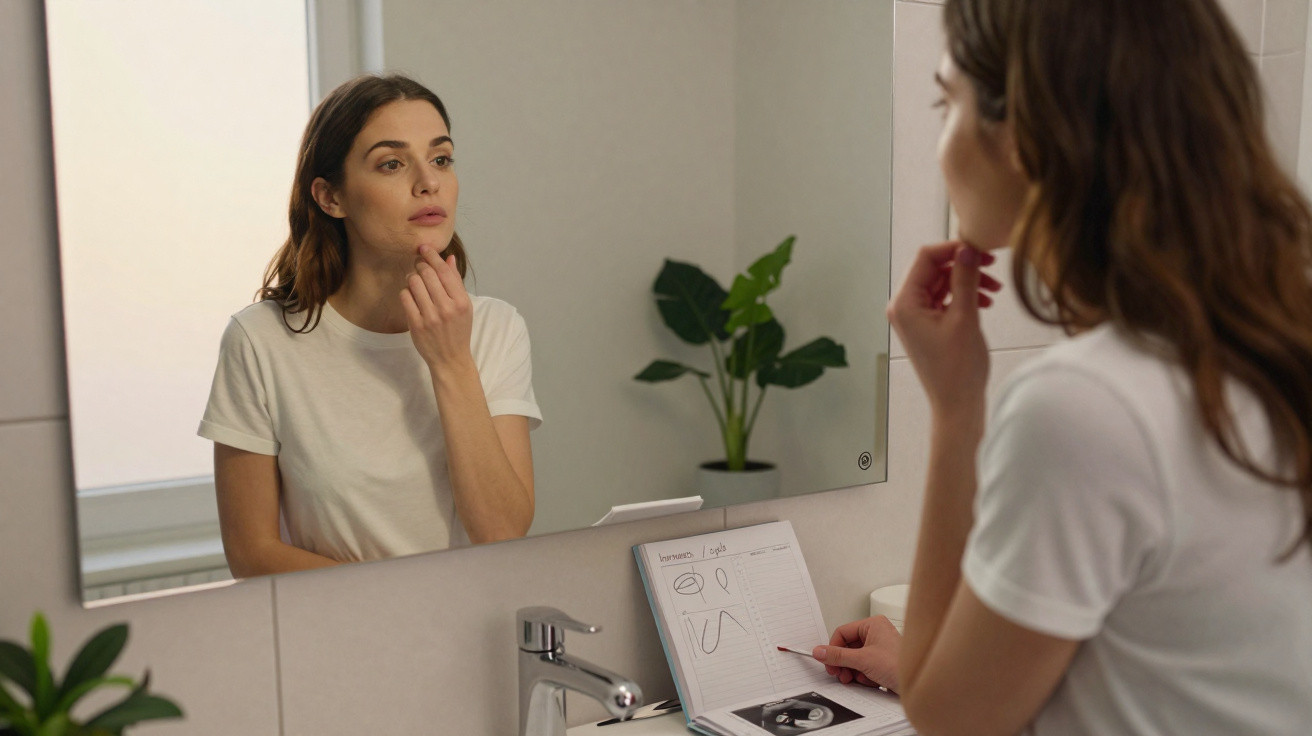
For years, chin hair in women has been treated as an embarrassing secret, dealt with through rushed plucking in front of the bathroom mirror and strategically edited selfies. Yet those persistent hairs can sometimes have an identifiable hormonal or medical explanation. Knowing when facial hair is harmless and when it may indicate an underlying issue can spare women years of worry and delayed diagnosis.
What is considered “normal” chin hair in women?
To begin with, nearly all women have some hair around the lips and chin. In many cases, it is pale, soft and difficult to notice. Clinicians refer to this as “physiological” hair: a normal pattern of body hair rather than a medical condition.
Genetics is an important factor. Women with Mediterranean, Middle Eastern, South Asian or some Latin American heritage may naturally have darker, thicker facial hair because of their genetic background. This can be entirely healthy.
A few scattered, fine chin hairs, especially if stable over time, usually reflect your genes, not a hormone disorder.
Doctors are generally less concerned with hair simply being present than with changes in its amount, texture or location. Hair that grows darker and coarser, or begins appearing in traditionally male-pattern areas - such as the middle of the chin, upper lip, chest or stomach line - warrants further attention.
Normal fuzz or a warning sign: where is the boundary?
One term commonly used in medicine is “hirsutism”. This means excessive male-pattern hair growth in women. It does not describe one or two individual hairs, but rather a more widespread growth pattern.
- Fine, light facial fuzz that has remained unchanged for years → usually harmless.
- Several thicker chin hairs with no additional symptoms → commonly genetic or linked to age.
- A sudden, fast rise in coarse hair across the face, chest or abdomen → requires medical assessment.
- Facial hair alongside acne, weight gain, irregular periods or scalp hair loss → may indicate a hormonal imbalance.
The wider context is always important. A 52-year-old who spots several additional chin hairs is in a very different position from a 22-year-old whose periods have become irregular and who now needs to shave her chin every morning.
Menopause and chin hair: shifting hormones
The period around menopause involves one of the most significant hormonal changes in a woman’s life. Oestrogen levels decline, whereas the small quantities of androgens - male-type hormones, including testosterone - made by the adrenal glands stay comparatively stable.
When oestrogen drops, its balancing effect on testosterone weakens, so hairs in androgen-sensitive zones, such as the chin, can thicken.
This is why many women in their late 40s and 50s find a new “beard hair” or two: dark, coarse and frustratingly persistent. By itself, this is usually a normal feature of the menopausal transition.
Medical concern increases when facial hair growth is accompanied by further symptoms of androgen excess:
- A voice that becomes progressively deeper
- Greater muscle mass without any change to exercise
- New acne or markedly oily skin after mid-life
- Smaller breasts or alterations in body shape
In rare cases, these combinations may suggest adrenal or ovarian conditions that produce very high androgen levels. A medical appointment and hormone testing are advised in these circumstances.
Excessive chin hair in younger women: the PCOS connection
Among teenagers and women in their 20s and 30s, marked facial hair is frequently associated with polycystic ovary syndrome (PCOS). This common hormonal condition affects around one in ten women of reproductive age, although many cases are never diagnosed.
PCOS involves elevated androgen levels, known as “hyperandrogenism”. These hormones stimulate the hair follicles, particularly on the upper lip, chin, chest, lower abdomen and thighs.
In PCOS, chin hair is rarely an isolated issue; it usually comes bundled with menstrual disruption and other signs of hormone imbalance.
How PCOS is commonly diagnosed
Doctors usually assess three key criteria. PCOS can be diagnosed when at least two of the three are present and other causes have been excluded:
| Criterion | What it looks like |
|---|---|
| Irregular ovulation | Long or unpredictable cycles, fewer than eight periods a year, or several months without menstruation. |
| Signs of hyperandrogenism | More facial or body hair, acne, oily skin and, in some cases, thinning scalp hair. |
| Polycystic ovaries on scan | An ultrasound identifies many small follicles - often 20 or more in each ovary - creating a “string of pearls” appearance. |
PCOS is more than a cosmetic issue. It increases the longer-term risk of insulin resistance, type 2 diabetes, weight gain and, for some women, fertility problems. For this reason, hirsutism in a younger woman merits proper medical attention, even when it can be managed cosmetically.
Safe ways to manage chin hair
After a doctor has excluded or treated any underlying cause, many women simply want smoother-looking skin. Several options are available, each with advantages and disadvantages.
Longer-term and permanent treatments
- Laser hair removal: This targets pigment within the hair follicle to slow and reduce regrowth. It is most effective on dark hair with light to medium skin tones, although newer devices are making treatment safer for darker skin.
- Electrolysis: A fine probe uses an electrical current to destroy each individual follicle. Although time-consuming, it can provide genuinely permanent results, particularly for light hairs that laser treatment finds difficult to target.
For chin hair that keeps returning every few days, professional laser or electrolysis often brings the most relief over time.
Short-term care at home
- Waxing: Pulls hair out at the root and can leave skin smooth for two to four weeks, but may irritate sensitive facial skin.
- Threading: Popular in many cultures, this technique uses twisted thread to remove hairs. It is precise and does not involve chemical products.
- Tweezing: Appropriate for very few hairs, though excessive use may lead to ingrown hairs.
- Cream depilatories: These dissolve hair at the skin’s surface, but can cause allergic or irritant reactions for some skin types.
Many dermatologists recommend being careful with frequent chin shaving for women. This is not because shaving makes hair grow back thicker - that is a myth - but because repeated friction may irritate delicate facial skin and cause it to darken over time.
When to speak to a doctor about chin hair
A single chin hair does not always require hormone investigations. However, certain patterns should lead to an appointment with a GP or gynaecologist.
- A rapid and obvious increase in coarse facial hair over a few months
- New hair growth on the chest, back or abdomen
- Irregular or missing periods, particularly in younger women
- Weight gain mainly around the waist occurring with hirsutism
- A deeper voice, clitoral enlargement or reduced breast volume
- Sudden, severe acne after puberty
In these cases, a doctor may arrange blood tests for hormones including testosterone, DHEA-S and several pituitary hormones. They may also request an ovarian ultrasound or other imaging.
Emotional effects and social pressure
Facial hair in women can carry a substantial psychological burden beyond the biological aspects. Social media celebrates “no filter” skin, while close-up cameras can feel unforgiving. Many women say they feel “unfeminine” or “ashamed” if a partner notices an isolated chin hair.
Facial hair in women is common, medically explainable, and often treatable - but stigma stops many from asking for help.
For some, hidden routines take up considerable time and money: waxing appointments kept from partners, retouched selfies or persistent anxiety about somebody sitting too close. Speaking openly to a trusted GP, gynaecologist or dermatologist can make a significant difference, even before treatment starts.
Key terms that can confuse patients
A number of medical terms appear online without much explanation. Understanding them can help women feel more confident during appointments.
- Androgens: Hormones that are generally higher in men, such as testosterone, but which women also produce in smaller amounts.
- Hirsutism: Excessive male-pattern hair growth in women in areas including the chin, chest and abdomen.
- Hyperandrogenism: A condition in which androgen levels are too high, either in blood results or through visible signs such as hirsutism and acne.
- Insulin resistance: When the body’s cells respond less effectively to insulin. It is common in PCOS and can make managing weight more difficult.
Consider two examples. A 50-year-old sees two coarse chin hairs every few weeks, maintains a stable weight and has regular health checks: she may simply opt for occasional threading or laser treatment. By contrast, a 24-year-old develops thick new hair on her chin and stomach, has periods every 45–60 days and is gaining weight despite exercise. She should be assessed for PCOS and metabolic risk before the cosmetic aspect is addressed.
Managing chin hair in women lies at the intersection of self-image, hormones and long-term health. Recognising that “normal” covers a broad range, while remaining aware of genuine warning signs, helps women replace secrecy and shame with informed decisions and personalised care.













Comments
No comments yet. Be the first to comment!
Leave a Comment