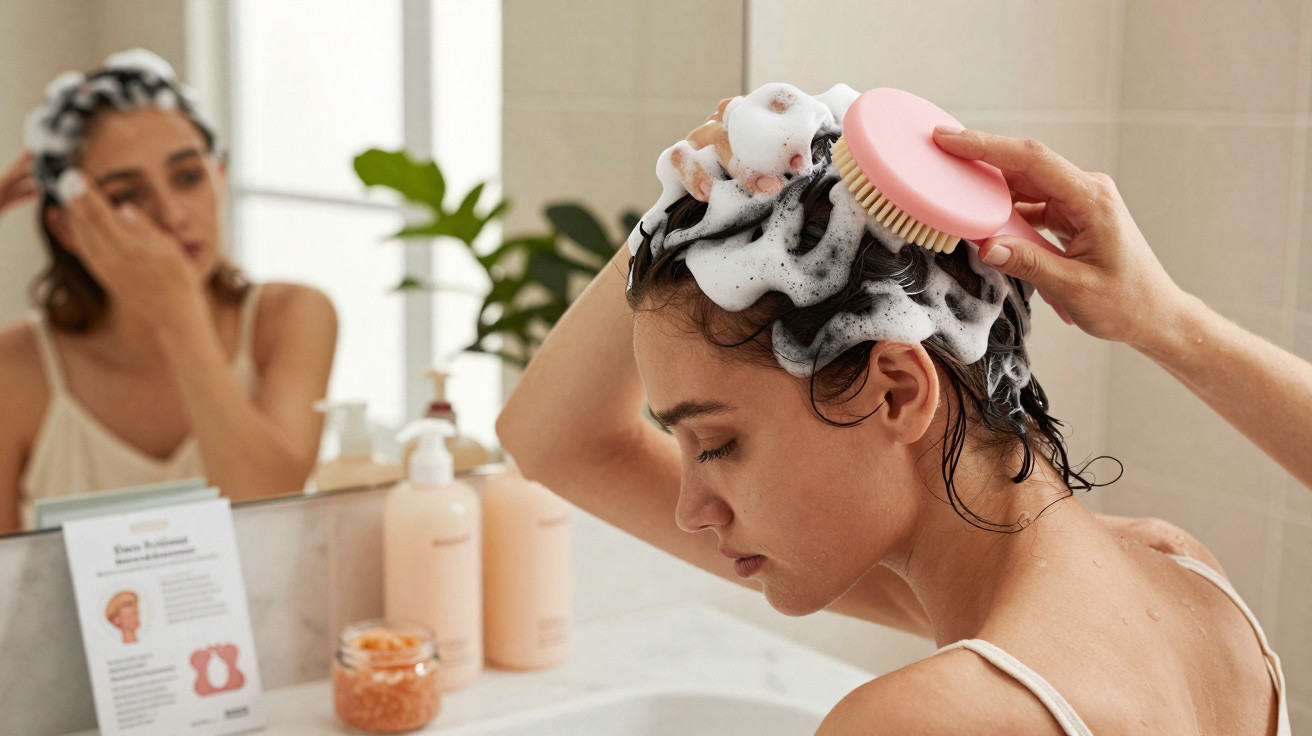
On a Tuesday evening, in a compact bathroom illuminated by the unforgiving light of an LED mirror, a 32-year-old marketing manager kneels at the basin and works peppermint serum into her scalp as though everything depends on it. Her phone is precariously propped on a candle, playing an at-home scalp spa tutorial: lingering, carefully styled clips of glossy hair, glass bottles and jade combs. She stops the video, rewinds it and mirrors the influencer’s hand movements, all while checking the widening line of her parting.
A trolley now sits beside the toilet, stocked with scalp scrub, a scalp brush, scalp essence, caffeine tonic and rosemary oil. It has cost more than her electricity bill. For a moment she laughs at the absurdity of it, until she looks in the mirror again and the humour disappears.
Something subdued and unsettling is taking place beneath all that foam and those bubbles.
The booming scalp spa trend, and the shame beneath the bubbles
Spend three minutes scrolling TikTok or Instagram and a “scalp reset” clip will probably appear. Immaculate nails, lather filmed in slow motion, and captions declaring “THICKER HAIR IN 30 DAYS” with the certainty of a money-back promise for your self-esteem. The imagery is so calming that it is easy to overlook the fact that you are simply watching somebody wash their hair.
Beauty brands have eagerly embraced this gentler aesthetic. “Scalp detox”, “follicle awakening” and “microcirculation boosters” now sound closer to medical leaflet copy than the language of a beauty aisle. In a single breath, they market both a ritual and a diagnosis.
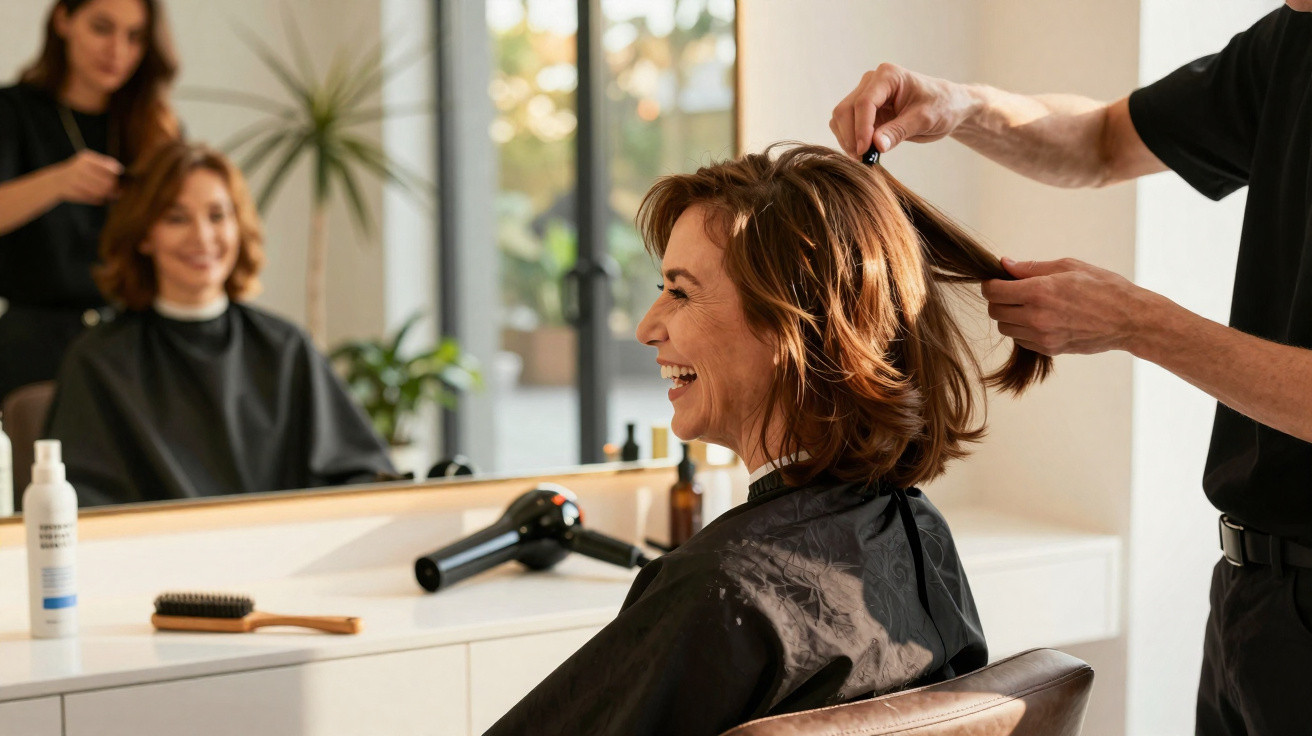
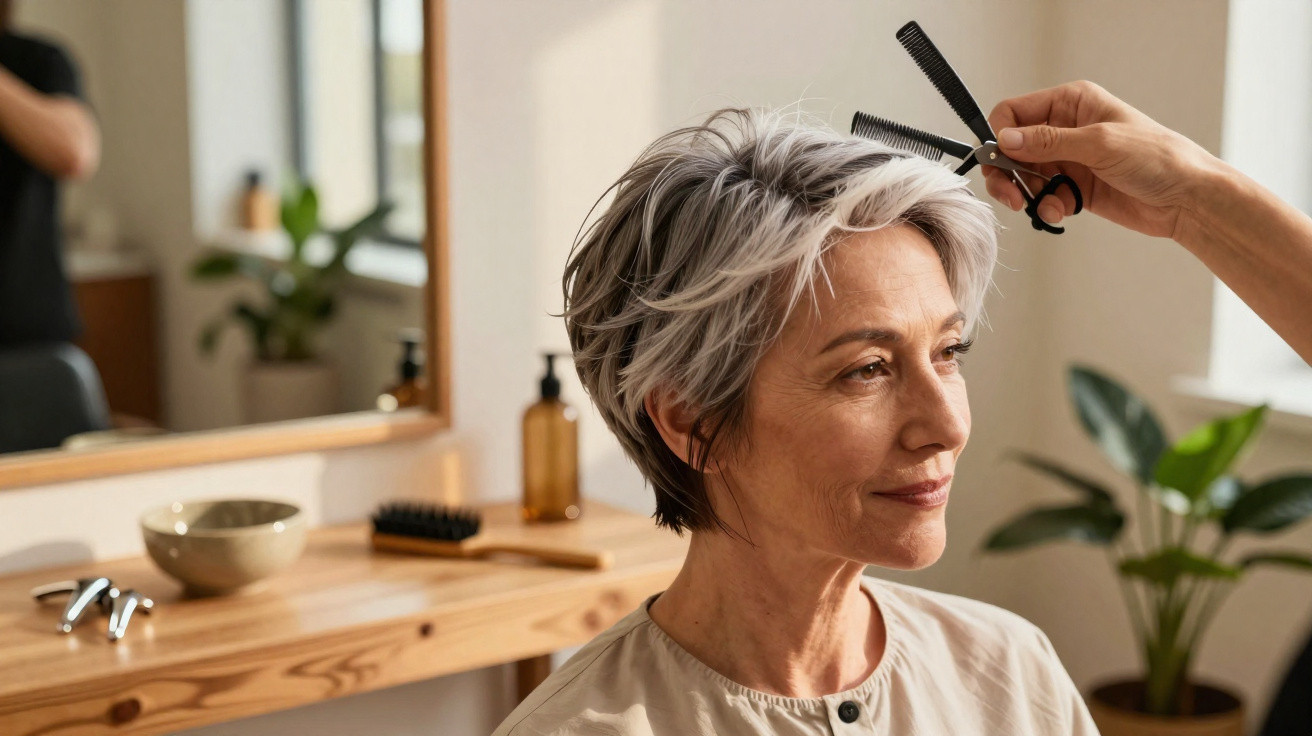
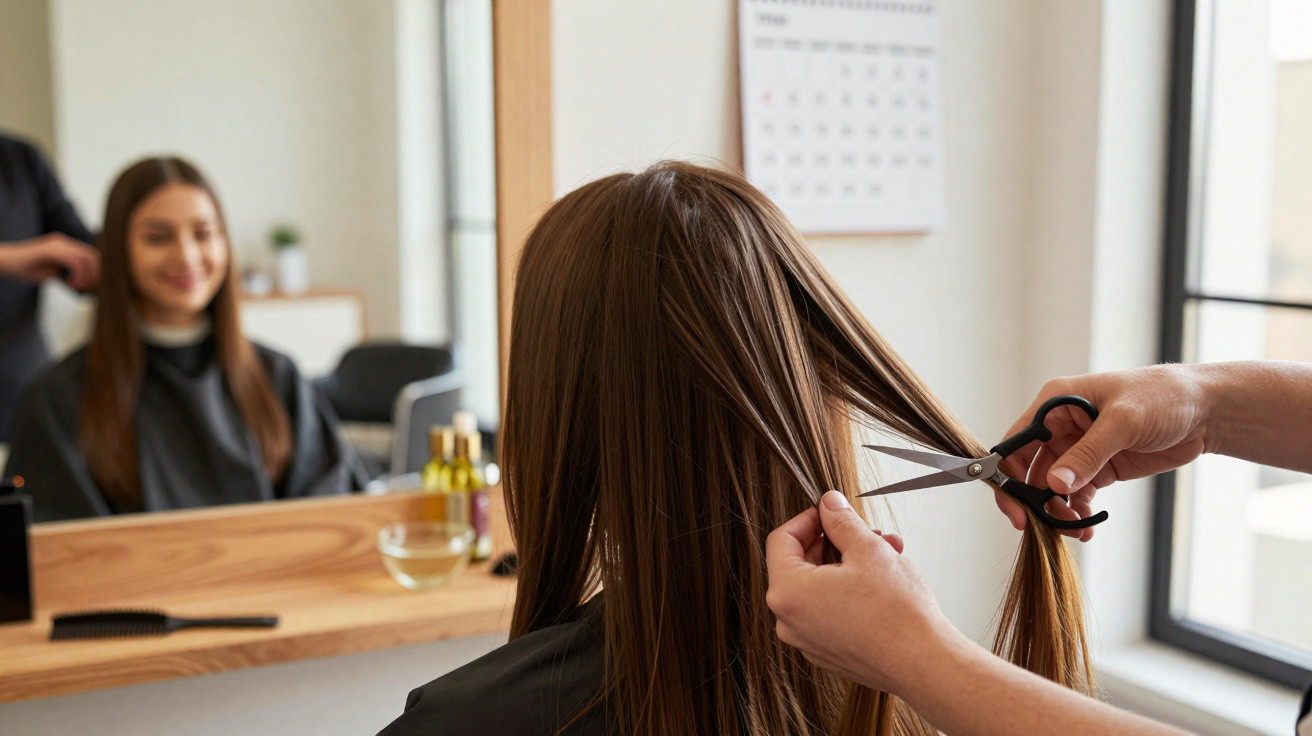
One salon in London says bookings for its “scalp spa” treatments have doubled over the past year, with women under 40 making most of the appointments. Clients recline beneath soft, cloud-like towels as a therapist photographs their scalp on a tablet, magnifying every flake and each space between the hairs. Those images are then annotated with terms such as “early thinning”, “congestion” and “miniaturised follicles”.
A 27-year-old client I spoke with said seeing her scalp on a screen felt “like a breakup text, but for your hair.” She left carrying a £280 home scalp kit, along with the nagging fear that choosing to do nothing would be irresponsible.
The appeal follows a persuasive logic: if your face needs serums and devices, then surely your scalp - the literal soil from which hair grows - needs them as well. If your hair is less dense than it was at 18, the implied message is that you have neglected this “hidden skin” and must now spend money to undo the harm. As brands increasingly discuss “scalp health”, not having a scalp routine can begin to feel like a failure of basic hygiene.
This is how a wellness trend quietly turns into a moral test that you can purchase your way through, one peppermint exfoliating scrub at a time.
At-home scalp spa rituals: care, control and a highly profitable insecurity
On paper, an at-home scalp spa is straightforward. Part your hair, put an oil or serum directly on the roots, massage it in with your fingertips or a rubber brush for five to ten minutes, then wash everything away with shampoo. Repeat once or twice weekly and you may genuinely feel calmer, notice less tightness in your scalp and find that your hair has a little more bounce.
That element is genuine. Massage does improve blood flow, mild exfoliation may assist with dandruff, and ingredients including minoxidil and some peptides are supported by clinical evidence. There can be a modest, reassuring pleasure in spending ten minutes caring for your own head.
The narrative starts to unravel when this uncomplicated practice becomes an elaborate undertaking. People begin combining scrubs, acids, oils and serums after hearing an influencer call “stacking actives” transformative. They order portable LED helmets, vibrating brushes “inspired by trichology”, and subscription serums supposedly meant to “never be interrupted”.
Then comes the worry: if you miss one week, have you thrown the money away? If you chose the wrong brush, have you permanently harmed your follicles? In truth, nobody manages this every day without fail. The marketing understands that perfectly well, yet presents the regimen as though it were an ethical obligation.
A discreet new industry of experts has emerged to soothe those concerns, then sell more solutions. Online “hair coaches” conduct video appointments in which clients angle a webcam towards the crown of their head while the coach nods solemnly. Some are qualified trichologists; others are simply skilled at packaging insecurity as a specialist concern.
“I’d say 70% of my new clients arrive already convinced that something is wrong with their scalp,” says Ana, a trichologist in Madrid. “Often their shedding is within normal limits. What’s new is the level of shame. They feel like they failed a secret beauty exam.”
- Scalp images magnified to reveal every pore
- “Early intervention” bundles containing several products
- Anxiety-driven messaging: “Don’t wait until it’s too late”
- Before-and-after photographs enhanced by calculated lighting and styling
- Short-lived discounts designed to encourage impulse purchases
How to care for your scalp without making it a full-time job
There is a sensible option between overlooking your scalp completely and converting the bathroom into a treatment room. Dermatologists broadly agree on a few fundamental principles: keep the scalp clean, avoid harsh physical scraping, and use evidence-based medicine for genuine conditions such as seborrhoeic dermatitis, psoriasis or actual pattern hair loss.
In practice, at home, that could mean selecting a mild shampoo you will genuinely use, spending one or two minutes massaging beneath warm water and, if it is something you enjoy, using an oil or treatment once a week. It is more like brushing your teeth than having veneers: consistent, unexciting and quietly useful.
The danger lies in assuming that extra steps automatically mean better care. Powerful acid scrubs, vigorous brushes and continually changing products may inflame the scalp, cause increased shedding and produce the very “issues” that prompt further purchases. If your scalp feels painful, itchy or unusually tight after your ritual, that is not “detox”; it is your skin objecting.
Treat with scepticism anything that implies your value can be quantified by hair density. It is entirely normal to feel upset by shedding, but structuring every evening around an effort to halt time is draining. Your products should work around your life, rather than demanding that your life work around them.
There is another issue that social media rarely wants to address: genetics. For many women, hormonal changes, stress, illness or straightforward inheritance have a greater effect on thinning hair than any shampoo could possibly have.
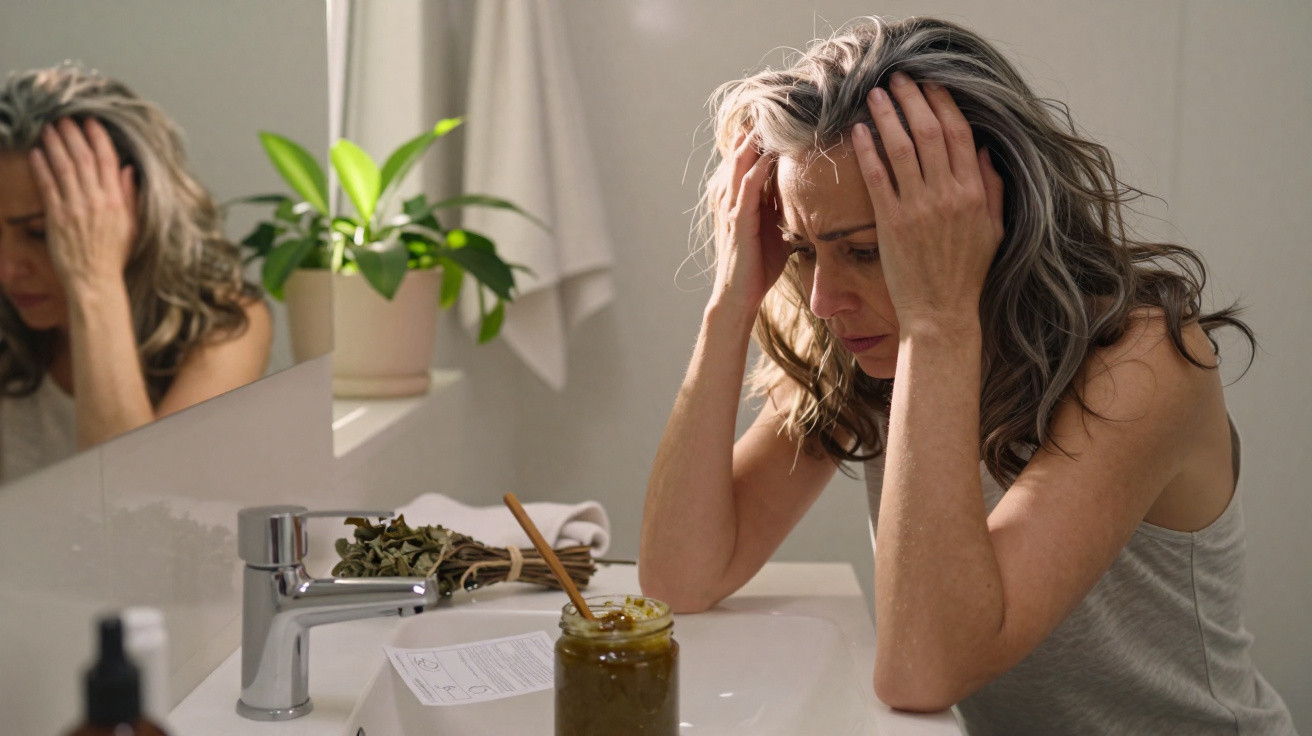
“I wasted two years buying scalp gadgets before a doctor calmly said, ‘You have androgenetic alopecia, it’s common and it’s not your fault,’” says Marie, 35. “I cried in the car, then felt oddly free. I still use a nice scrub sometimes, but it’s self-care, not a rescue mission.”
- Speak to a GP or dermatologist when shedding is sudden or severe
- Treat at-home rituals as a source of comfort rather than a cure-all
- If you want to monitor changes, take before-and-after photographs in identical lighting
- Decide on a budget for hair products, then keep to it
- Give yourself permission to abandon any routine that is making you anxious
Beyond the foam: what scalp rituals reveal about us
The scalp spa surge is not only about hair. It also reflects the belief that our bodies ought to be optimised, maintained and upgraded in the way we update apps. Thinning hair directly challenges the promise that eating correctly, shopping correctly and “showing up for ourselves” will keep us permanently 25. When a parting gets wider, it is often interpreted not as biology but as an individual shortcoming.
Against that backdrop, at-home scalp rituals become a quiet form of communication: “I am trying. I am not giving up. I am doing something.” There is tenderness in that impulse, but there is also a muted cruelty when every advert suggests that “doing something” must invariably mean “buy more”.
The simple reality is that some women can complete every scalp treatment available and still experience thinning hair. Others may scarcely remember to shampoo and retain every strand. Both groups deserve peace. The issue is not whether scalp care is inherently good or bad - it can be deeply relaxing and occasionally medically valuable - but who profits from the distance between what hair naturally does and what we believe it ought to do.
What if the most radical form of “hair care” is allowing your head to be seen as it is, while selecting rituals because they feel kind rather than because they feel compulsory?
Perhaps your at-home scalp spa becomes a weekly meditation involving one product you truly enjoy. Perhaps you replace an expensive serum with an appointment with a doctor who speaks to you as a person, not as a walking “before” photograph. Perhaps you continue to enjoy the fresh mint sensation and satisfying scrub, but lose the burst of panic that once lingered just below the foam.
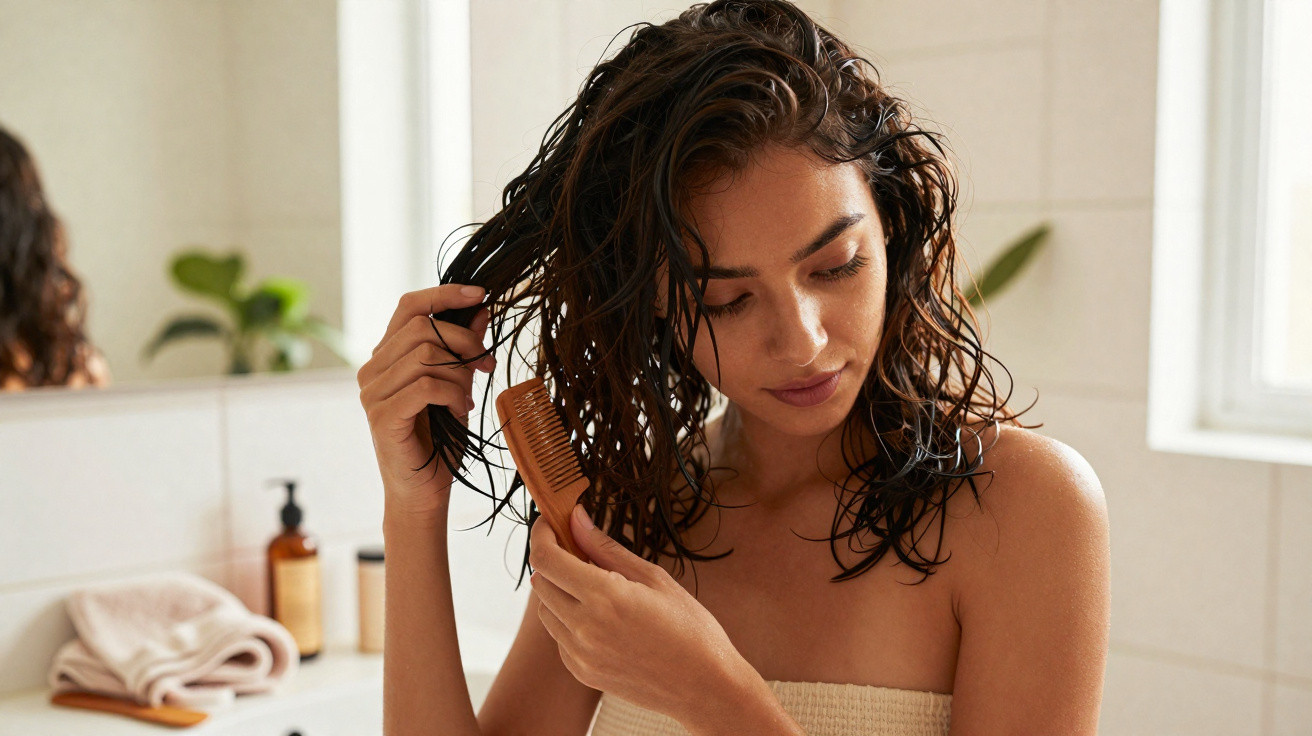
The expanding business of shaming women for thinning hair will not vanish overnight. Yet the more openly we discuss genetics, money and the narratives sold to us, the more difficult it becomes to market anxiety in a bottle with a dropper. That discussion can begin in a bathroom much like your own: hair wet, towel around your shoulders, and a calm choice to favour care over fear.
| Key point | Detail | Value for the reader |
|---|---|---|
| Scalp spa is a real trend | Social media and salons are presenting “scalp health” as the latest frontier | Helps readers identify the marketing wave surrounding them |
| Insecurity is being monetised | Shame about thinning hair is positioned as a “problem” that products can solve | Gives readers critical distance before they spend money |
| There is a simple, sensible middle ground | Basic scalp hygiene, carefully chosen products and medical guidance when required | Provides a realistic routine that supports hair and mental health |








Comments
No comments yet. Be the first to comment!
Leave a Comment