On a rainy Tuesday morning, inside a packed salon scented with coffee and hairspray, a woman in her thirties let out a sigh at her reflection. Her bob, once crisp and fashionable, was now drooping at the tips as though it had lost all enthusiasm. “I don’t know, I just feel… flat,” she said to the stylist, her fingers caught in the same shoulder-length style she had requested again and again for three years. Around her, a subtle rebellion was emerging: shorter cuts, lighter silhouettes and faces suddenly revealed and radiant. Nobody called it a “new era”, but the feeling was unmistakable.
The bob has had its moment. The pixie contour has arrived.
Why the pixie contour is taking attention from the classic bob
Step into a lively city salon at the moment and the change is hard to miss. The familiar request of “Just trim the bob, please” is increasingly being replaced by images of very short cuts saved from Instagram and TikTok. They are not boyish or punk-inspired, but soft and sculpted, shaped closely around the cheekbones and jawline. That is the pixie contour.
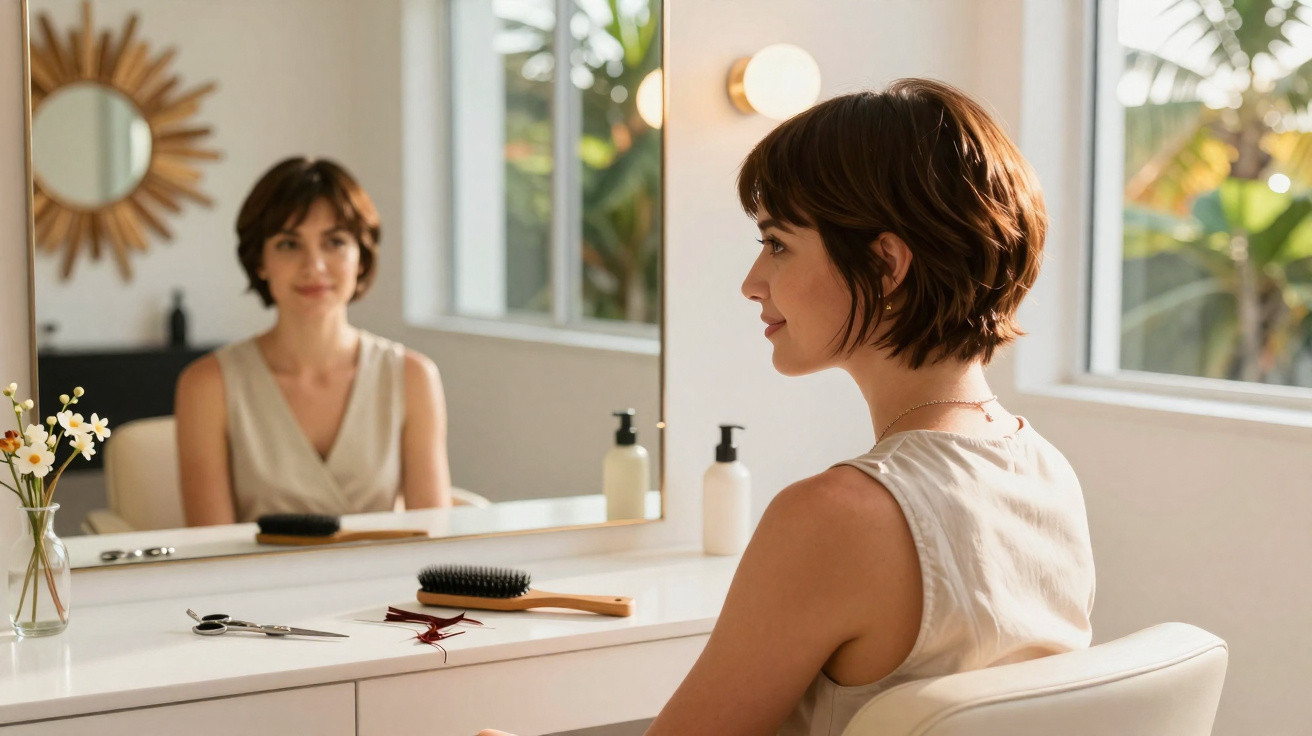
It may be short, but its shape follows the face rather than cutting across it. The nape is neat, the top is textured and the sides sweep around the bone structure like contouring achieved with scissors. Instead of disappearing behind a haircut, you see more of yourself.
Imagine it: a client comes in with a mid-length bob, the dependable default choice. After scrolling for ten minutes, she tentatively shows her stylist a photograph of a French actress with a cropped style: a tapered neck, a longer fringe falling across one eye and soft sideburns brushing the cheekbones. The stylist pauses briefly, then smiles. “A pixie contour. Let’s go.”
Thirty minutes later, hair lies across the floor like discarded past choices. Her neck appears longer, her profile more defined and her eyes suddenly brighter. She runs her hand through the fresh shape and laughs with that familiar half-disbelief that comes when you unexpectedly look exactly like the moodboard you have kept hidden on your phone for months.
The pixie contour is so appealing because of how it works with light and shape. A bob divides the face at one fixed point. A pixie contour creates a route: cropped at the nape, grazing the temples and retaining a little more length wherever softness is wanted. The jaw can look more defined without appearing harsh. The cheeks seem lifted without fillers or filters. Stylists appreciate it because every millimetre can be “micro-customized”, from a feathered fringe to an almost invisible sideburn.
It’s like facial contouring, but once you leave the bathroom, it doesn’t melt off by 3 p.m.
How to ask for and wear a pixie contour this spring
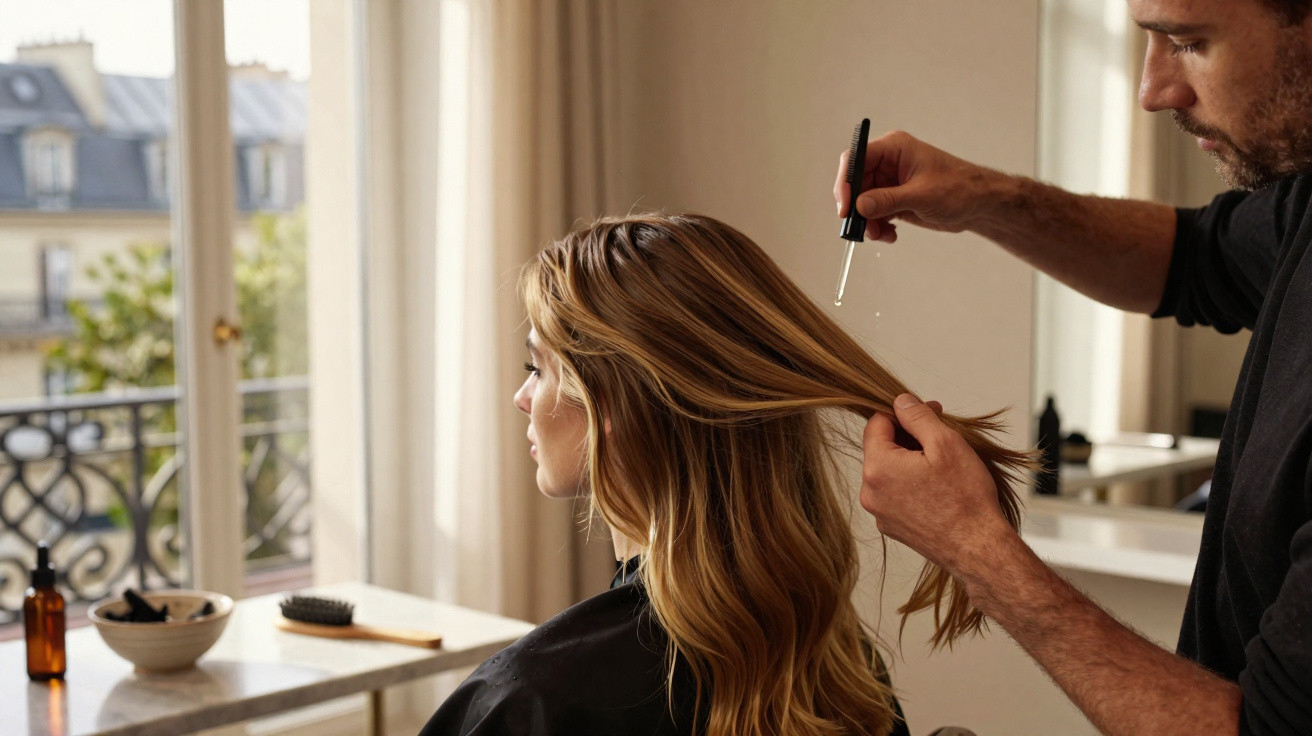
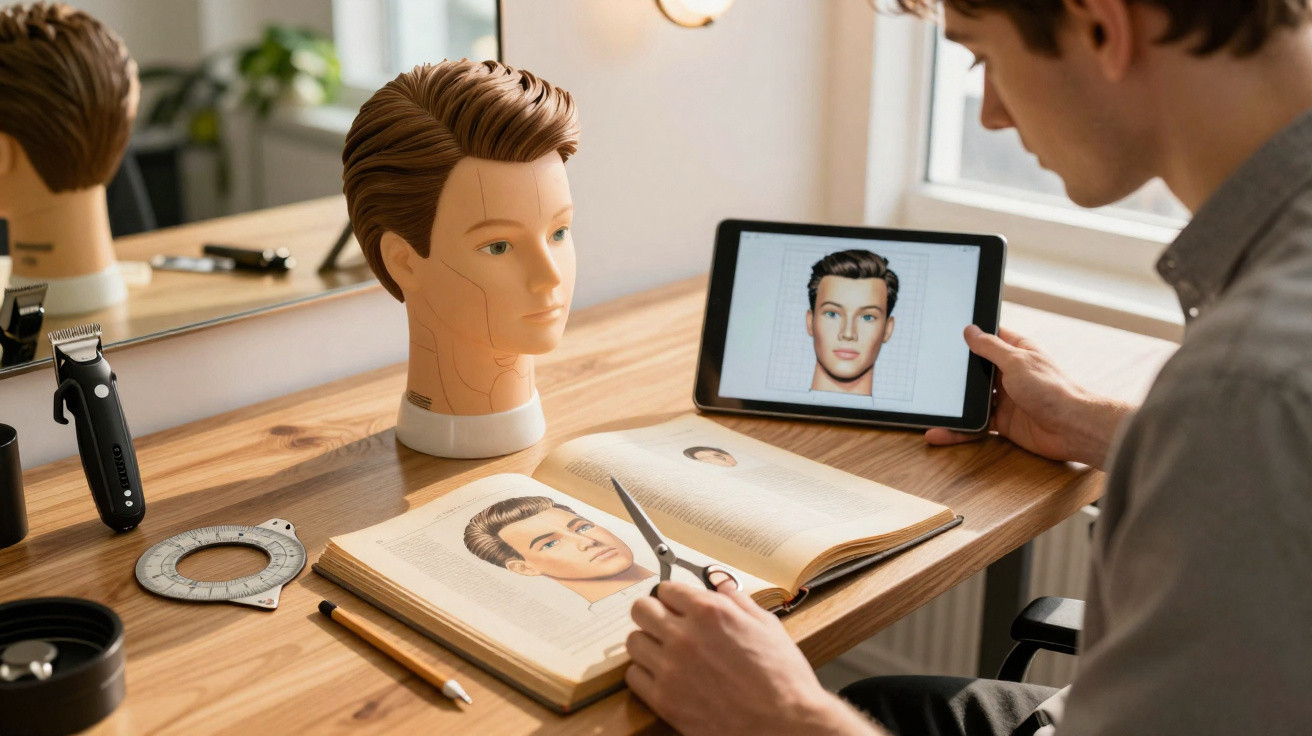
The success of a pixie contour begins before the scissors are used. Sit down with your stylist to discuss face shape, lifestyle and how realistic you are about the time you will spend styling it. Bring pictures, but explain precisely what appeals to you: “I want the soft sideburns”, “I like how the fringe almost hits the lash line”, “I don’t want the back too short.” Your stylist cannot read minds; they are assessing your cheekbones, neck and forehead.
Ask where they would position your “contour line”. For some people, it will sit directly along the cheekbone. For others, it may fall beneath the jaw or frame the temples. That detail is what changes an ordinary pixie into a genuine pixie contour.
There is nearly always a brief moment of alarm after the first rinse. You see less hair, more face in the mirror, and your mind whispers, “What have I done?” Take a breath. The first few days involve adjusting from the image you thought you had to the newly uncovered version of how you really look. We have all experienced that moment when the towel comes off and you are trying not to overreact.
This is when styling should become an ally rather than an enemy. Try a small amount of texturising cream, a quick blow-dry of the fringe or a spray of sea-salt product at the crown. Honestly, hardly anyone does all of that every day. Speak to your stylist about a low-maintenance routine you will genuinely follow, rather than an imaginary version of yourself who gets up 45 minutes earlier.
Professionals will say that communication and upkeep separate a freeing pixie from a haircut you regret. One Paris-based stylist I spoke to put it perfectly:
“People think a pixie contour is a big risk. It’s not. The real risk is staying in a haircut that hides your face and drains your energy.”
After you leave the salon, a few straightforward habits will help maintain a sharp-looking cut:
- Arrange a light tidy-up every 5–7 weeks so the outline does not become bulky.
- Start with a pea-sized amount of styling product and only add more if necessary.
- Sleep on a satin pillowcase to reduce unusual morning bends and frizz.
- Experiment with texture: sleek one day, tousled and undone the next.
- If you are anxious about “going too short”, request soft edges rather than severe lines.
The emotional change: from “safety bob” to contour confidence
Once the initial “Wow, my ears exist” reaction has passed, another change often follows. People begin dressing in a different way. Earrings return from retirement. Lipstick shades that felt “too much” with heavier hair suddenly look right with an exposed jawline. A colleague you hardly know says you “look lighter”, and it does not feel like a remark about your weight. It feels as though your personality has finally been given room to move.
A bob can be beautiful, timeless and chic. A pixie contour, however, communicates something quieter and more individual: you are no longer concealing yourself behind a curtain. You are showing the frame rather than only the picture. Once you have seen your face with this much clarity, returning to the haircut you chose simply because everyone else had it can be difficult.
| Key point | Detail | Value for the reader |
|---|---|---|
| Face-framing shape | Strategic length around cheeks, jaw, and temples | Highlights features and creates a “lifted” look without makeup |
| Customizable length | From ultra-short nape to slightly longer, shaggy texture on top | Adapts to different hair types, face shapes, and comfort levels |
| Low hair weight, high impact | Less bulk, more movement, easy daily styling | Saves time while giving a fresher, more modern silhouette |









Comments
No comments yet. Be the first to comment!
Leave a Comment