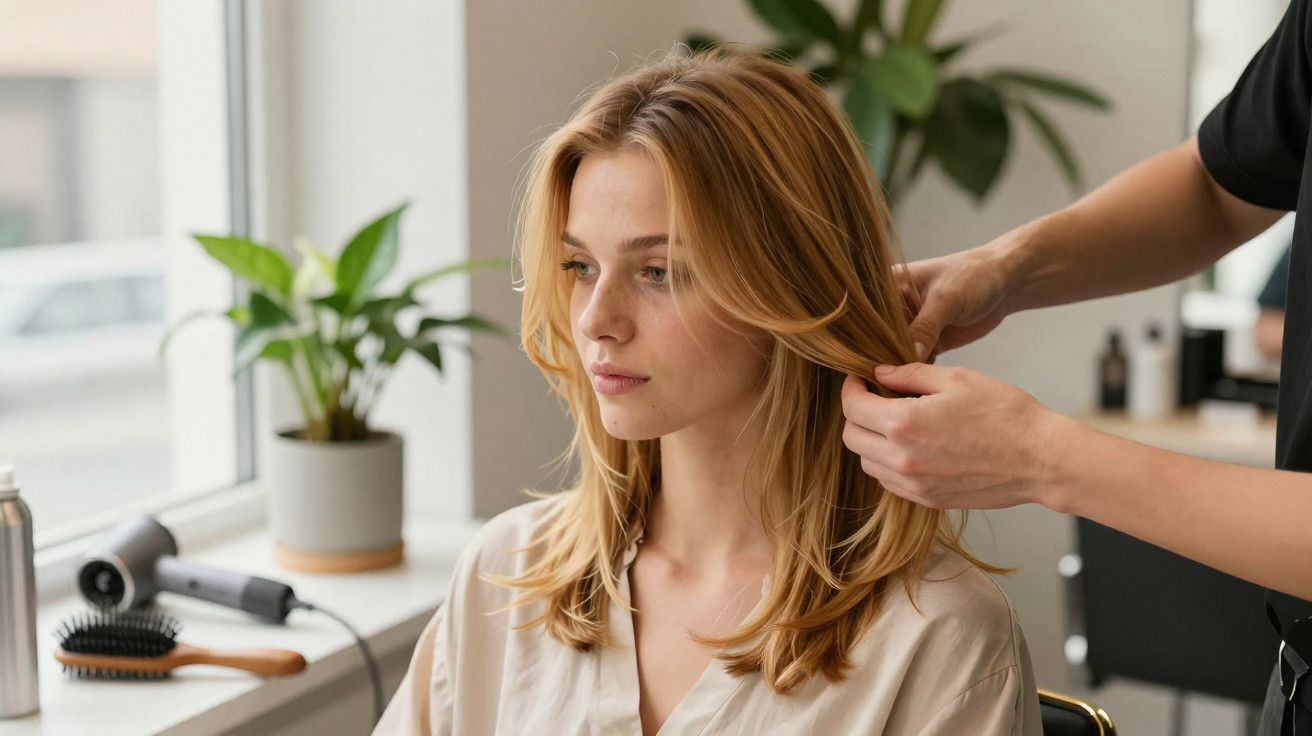
The blunt bob is making room for a softer, more airy silhouette that is quietly taking over 2026 hair moodboards.
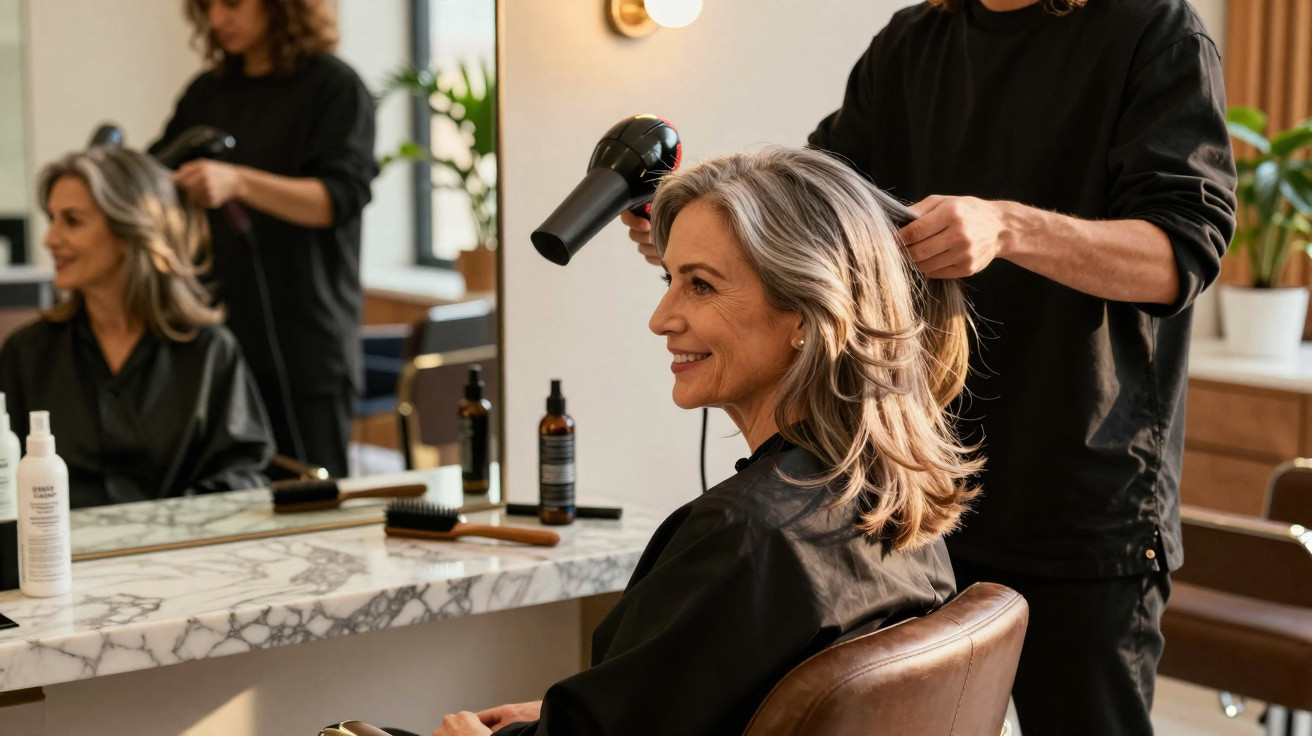
On catwalks and in salons, one new medium-length style is steadily gaining popularity: the feather cut. Falling between the shoulders and collarbone, it delivers movement, volume and a softer outline around the face, without requiring a dramatic haircut.
What the medium-length feather cut looks like
For 2026, the feather cut occupies that “awkward” length once dismissed as simply the stage between haircuts. Hairdressers are now making this in-between length a look in its own right.
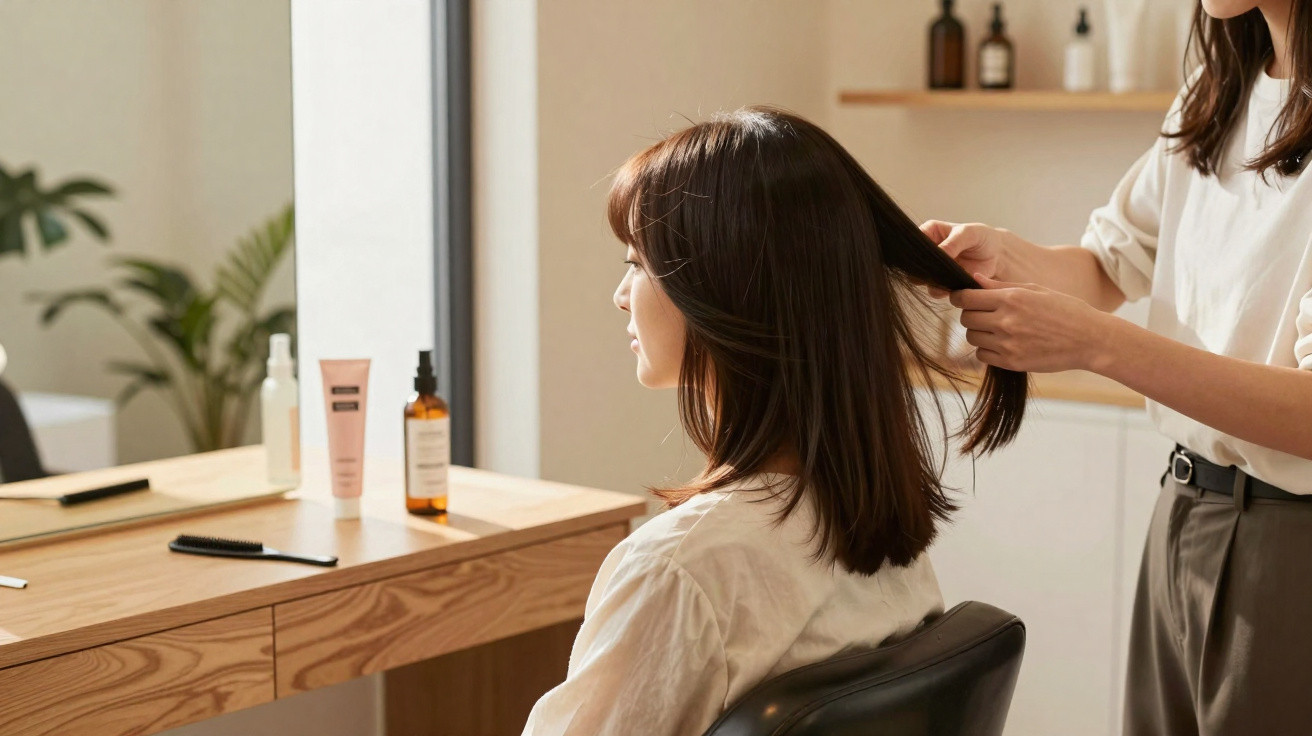
The modern feather cut is shoulder to collarbone length hair, broken up with ultra-soft, airy layers and relaxed curtain bangs.
Rather than creating one solid, weighty shape, this cut relies on numerous delicate, feathered layers. These are lightly cut with subtly wispy ends, producing movement and a gentle halo of volume around the head.
The layers are not intended to heavily remove thickness from the hair. Instead, they retain fullness while introducing more flow. Your hair should still feel substantial when you run your fingers through it, but be less weighty at the ends so it moves more freely.
Most takes on the look feature centre-parted curtain bangs that blend into the side sections. They brush the cheekbones and jawline instead of forming a dense fringe across the forehead. This is the feature that creates the feathered face-framing effect.
Why medium-length hair is desirable again
For several years, hair trends swung between bold bobs and mermaid-like lengths. Medium-length hair often seemed like a middle ground. The feather cut is changing that view.
- It appears more relaxed and lightweight than a sharply defined bob.
- It feels more refined than long hair without shape.
- It works with updos, ponytails and clips, while still retaining its shape when worn loose.
At spring/summer 2026 shows, this “midi” length is appearing in softly blow-dried waves, brushed-back finishes and natural curls alike. It looks current without appearing demanding to maintain.
Who the 2026 feather cut suits
The strength of this haircut is its adaptability. It can be adjusted for a wide variety of face shapes and hair textures, which is why hairdressers expect it to move quickly beyond editorial fashion shoots.
Thick hair feels lighter, fine hair looks fuller: the feather cut quietly flatters both ends of the spectrum.
Face shapes and the feathered effect
On oval faces, which tend to suit most hairstyles, this cut highlights natural proportions. The layers introduce movement, while curtain bangs soften the forehead.
Round faces benefit from the diagonal effect of the face-framing sections. An opening, longer fringe and vertical layers can visually elongate the face and provide slight definition around the cheeks.
For square faces or strongly angular features, the feathered shape can be particularly useful. Soft ends diffuse firm jawline edges, while shorter temple pieces soften strong features without concealing them.
With heart-shaped faces, where the upper face is wider and the chin is finer, this style brings volume towards the shoulders to balance the overall silhouette. Curtain bangs softly reduce the width of the forehead and focus attention on the eyes.
Hair types, from straight to curly
The feather cut can suit nearly every hair type when the layers are customised appropriately.
| Hair type | How the feather cut helps |
|---|---|
| Fine, straight hair | Light, shorter layers give the appearance of more body and reduce a flat finish. |
| Thick, straight hair | Feathered ends take away weight, allowing hair to move rather than hang heavily. |
| Wavy hair | Layers support natural bends and give waves a clearer shape. |
| Curly hair | Gentle shaping prevents a pyramid shape and helps curls sit in more even layers. |
For curly hair and coils, the cutting method is important. Layers should be cut curl by curl, or at least planned with the natural texture in mind, to prevent uneven volume. With tight curls, hairdressers commonly leave the shortest sections slightly longer than they would on straight hair, ensuring curtain bangs do not spring up too far.
How to style the feather cut in winter 2026
This look is made for low-effort styling. The haircut provides most of the shape itself, making it well suited to colder weather, when scarves, high necklines and hats can flatten more elaborate blow-dries.
The relaxed air-dried finish
For an easy everyday result, the hair can simply be left to air-dry.
The easiest way to wear the feather cut is to air-dry, then add a light texturising product for separation and movement.
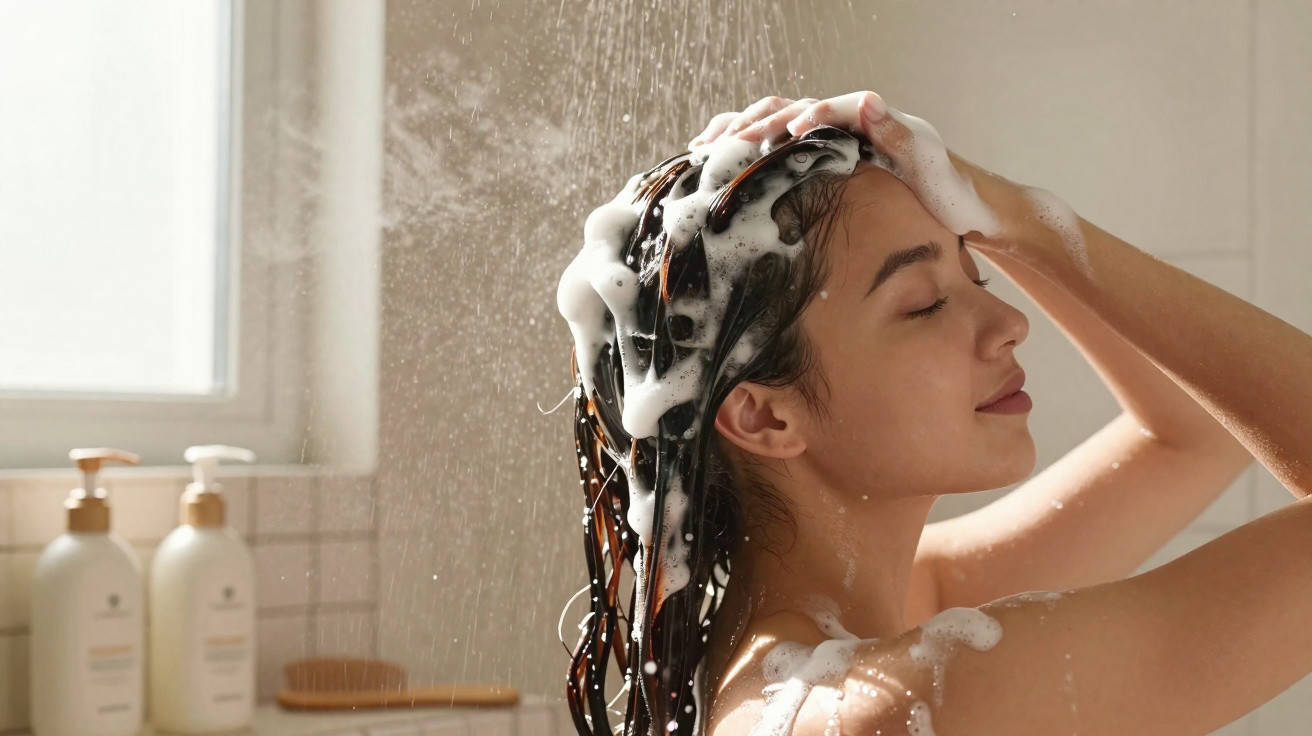
After washing, gently squeeze away excess water, then work a lightweight mousse or foam into the roots for added lift. Comb a softly holding cream or spray through the lengths. Allow the hair to dry naturally, scrunching or twisting small pieces now and then to enhance the feathered form.
When it is dry, a few sprays of salt spray or dry texture spray can define the layers without creating hard, stiff sections. Use your fingers rather than a brush to maintain an airy finish at the ends.
The refined blow-dry
For work functions, dinners or days when you prefer more polish, the traditional round-brush blow-dry is back, though with a gentler result.
Begin by applying volumising mousse and heat protection to damp hair. Dry the hair in sections, wrapping each one over a medium round brush. At the ends, draw the brush slightly inwards so the hair curves around the face rather than sharply flicking out.
For curtain bangs, first dry them forwards and downwards. Then brush them out towards either side while aiming the airflow from above. This gives the subtle sweep that opens up the eye area.
If your hair is naturally very straight, loosely bending large sections with straighteners or a curling wand can give the layers more presence. Afterwards, brush through softly to create a lived-in, gentle effect rather than defined set curls.
Practical advice before seeing your hairdresser
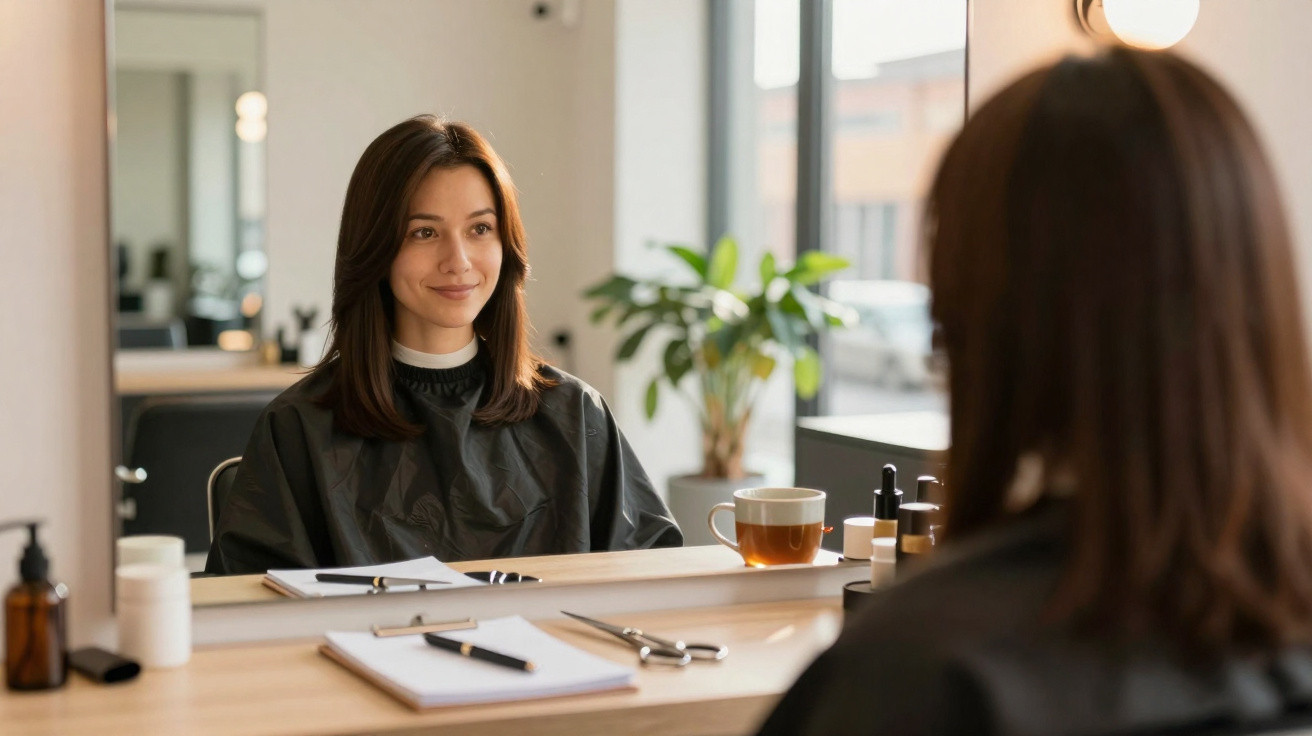
The phrase “feather cut” has referred to different shapes in different decades, so clarity at your salon appointment is helpful.
Bring two or three photos and ask for shoulder to collarbone length with soft, fine layering and curtain bangs that blend into the sides.
Important details to discuss include:
- Your exact length: should it sit on the shoulders or clear them completely?
- How open you want the curtain bangs: parted higher up or closer to a soft fringe?
- The amount of weight to remove: a hint of movement or visibly defined layers?
- The realistic amount of time you are prepared to spend styling it each day.
If your hair is particularly fine, ask for long, subtle layers so the ends do not become too wispy. If your hair is very dense, discuss internal layers, which reduce bulk within the haircut while keeping the outer edge looking full.
Risks, upkeep and trimming frequency
As with every layered style, the feather cut gradually becomes less defined as it grows out. Curtain bangs grow out most quickly and may begin to sit uncomfortably across the nose or eyes.
Most hairdressers suggest having it trimmed every six to eight weeks to preserve the defined face frame and your preferred length. If you favour a shaggier finish, the interval can be extended slightly, with a quick fringe trim between full appointments.
Over-layering is one possible issue, as it can leave the ends looking stringy, particularly on bleached or very dry hair. Regular conditioning helps limit this risk: use a mask weekly, apply leave-in products through the mid-lengths and ends, and keep heated tools to a few uses per week rather than every day.
Feather cut combinations and styling situations
The cut pairs well with several colouring techniques. Soft balayage and face-framing highlights bring out movement in the layers and illuminate the strands that move around the face. One all-over glossy colour creates a more classic, French-inspired effect.
On rushed mornings, the feather cut is accommodating. A loose low bun or claw-clip updo still leaves shorter pieces visible around the face, meaning the style is not lost when the hair is tied up. A half-up hairstyle can add height at the crown while the feathered lengths fall freely over the shoulders.
During winter, when indoor heating and cold weather can leave hair dry, the light ends of this hairstyle respond well to a small amount of nourishing oil. Applying one or two drops only to the tips controls frizz without flattening the shape.
For anyone considering a bob but concerned it may look too severe, the 2026 feather cut provides a gentler alternative: a medium-length, layered, face-framing hairstyle that appears polished on good days and remains presentable on hurried ones.








Comments
No comments yet. Be the first to comment!
Leave a Comment