Grey hairs are appearing sooner, salon bills are climbing, and plenty of people are caught between complete coverage and letting their hair turn naturally silver.
Between aggressive permanent colouring and the drastic prospect of going “cold turkey” while it grows out, a more understated trend is taking hold: stained glass hair. This technique tones down grey without concealing it entirely, and it is remarkably low-maintenance.
The appearance of stained glass hair
Its name nods to the earlier “glass hair” obsession, when highly glossy, laminated-looking finishes seemed to be everywhere. Stained glass hair takes that light-reflecting concept and applies it to the placement of colour, rather than shine alone.
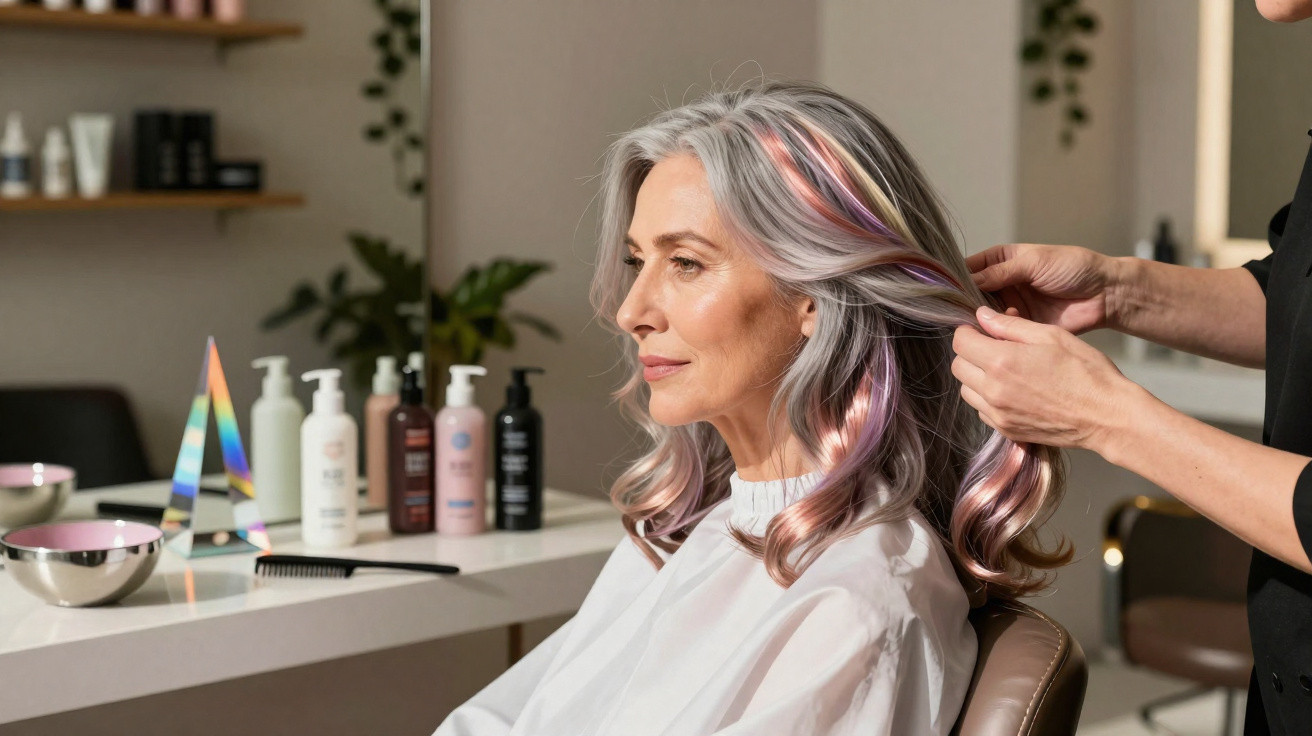
Stained glass hair uses ultra-fine, translucent highlights and lowlights to blur grey hairs so they blend into the rest of your colour.
Instead of applying pronounced streaks, colourists work in minute, almost thread-thin sections a little lighter and a little darker than the base colour. The difference remains subtle, creating reflection and movement rather than visible bands of colour.
The purpose is not to act as though grey hairs were never there. Instead, the method acknowledges the presence of silver strands and positions colour around them so attention is no longer drawn to each individual white hair.
Moving from concealing grey to enhancing it
According to stylists, attitudes towards ageing hair are changing. Rather than wanting to “erase every grey at all costs”, many clients are seeking colour that remains convincing and luxurious-looking two months later.
Grey is softened and showcased, rather than blasted with solid dye from roots to ends.
London colourist Marcos Verissimo says the central principle is to keep the gap between the natural base and brighter sections very small. Too much contrast creates distinct highlights instead of a soft veil that disperses the appearance of grey.
It is similar to changing a room's lighting rather than painting its walls. Introducing a little brightness where white hairs are concentrated, alongside deeper shades where the colour has become flat, creates a “filter” effect across the whole head.
Why stained glass hair appeals to actors over 50
Red-carpet looks have discreetly become one of the strongest showcases for stained glass colour. Verissimo says that many actors over 50, including Jennifer Aniston and Naomi Watts, leave a trace of visible grey beneath exceptionally delicate colour work.
It reflects the same change seen in aesthetic procedures. Ten years ago, exaggerated volume and immobile foreheads were commonplace. Now, heavily done looks have fallen out of favour, with people opting for understated enhancements that retain movement in the face. Hair colour is following the same direction.
The true test of a high-end colour, stylists say, is how polished it looks 45 days after the appointment, not just on day one.
As stained glass hair does not attempt to combat every bit of root growth, the transition from coloured lengths to natural roots remains blurred. As a result, many clients can leave six or even eight weeks between salon visits without feeling untidy.
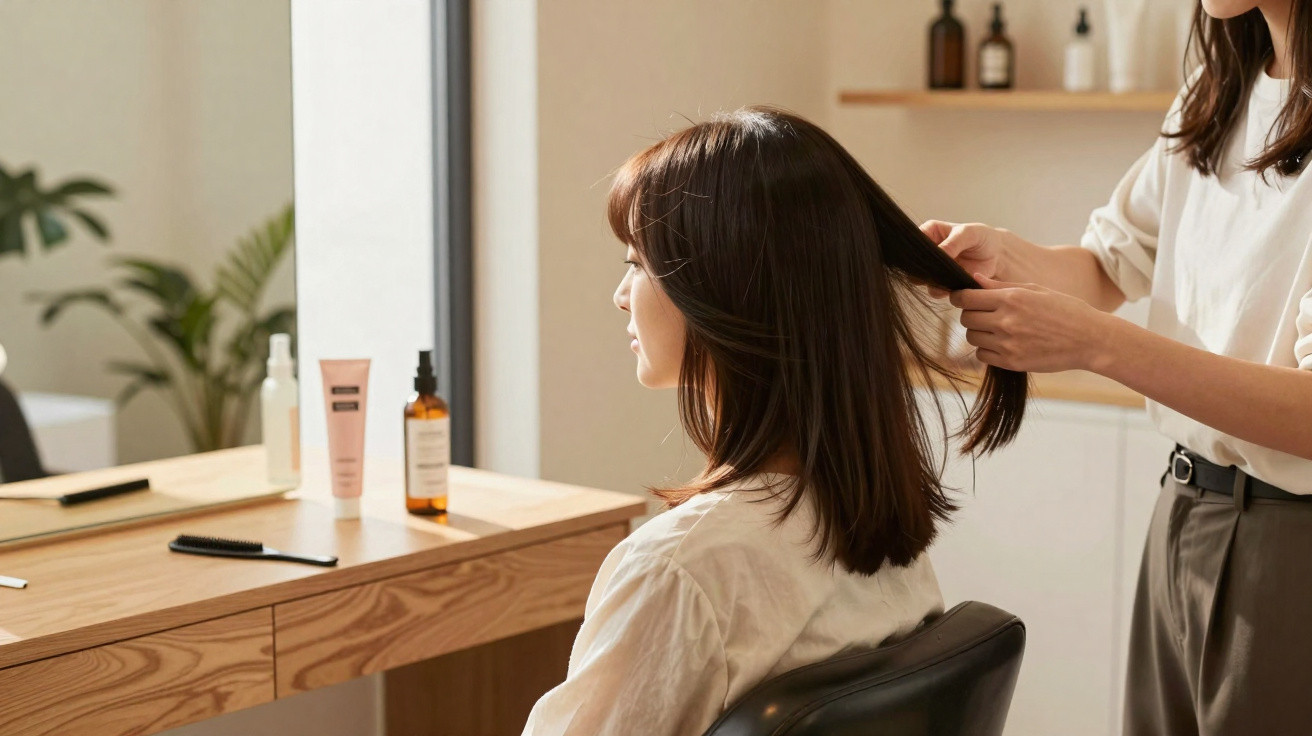
How stained glass hair is done in the salon
The method, step by step
Every colourist will tailor the process, although a standard appointment generally includes the following:
- Evaluating the natural base shade, the proportion of grey and the areas where grey is most concentrated
- Placing ultra-fine lightened strands to reflect light and frame the grey hairs
- Introducing marginally deeper lowlights in sections that appear overly pale or lacking in depth
- Rinsing, then applying a translucent gloss or toner to unify the shade and add shine
The formulas generally used are transparent and gel-like, feeling more like skincare serums than traditional opaque dyes. Their sheer quality lets the hair beneath, including some grey strands, remain apparent, helping the finished result look natural.
Face-framing colour that enhances rather than flattens
Artistic director Zoë Irwin notes that the placement used for stained glass hair can gently contour the face. With age, jawlines become softer and facial features may seem less defined. Building dimension through tonal variation, rather than relying on a severe haircut, can be beneficial.
Strategic light and dark tones around the face bring back contrast where bone structure has softened with age.
Irwin points to Gwyneth Paltrow as an example of a blonde using precisely placed face-framing colour. An overall layer of light streaks can drain definition from the temples and jawline. A stained glass technique keeps light around the cheekbones while adding depth where structure is needed.
Jennifer Aniston's hair colour offers another point of reference: it is sufficiently bright to appear youthful, yet woven through with deeper pieces so that the hairline and jaw do not fade into the skin.
At-home care for a glowing stained glass effect
When the original salon colour begins to fade, there is no need to book a complete recolour immediately. The key is to renew the transparency and shine instead of starting the whole process again.
Many brands now offer glosses and “glazes” that function rather like lip oils, delivering a transparent tint, strong shine and little long-term commitment. In most cases, they fade gradually over several weeks.
| Product type | Main role | How often |
|---|---|---|
| Clear gloss | Enhances shine and seals the cuticle | Every 2–4 weeks |
| Tinted glaze | Refreshes tone and reduces brassiness | Monthly or as needed |
| Pigmented conditioner | Preserves warmth or coolness between appointments | Every few washes |
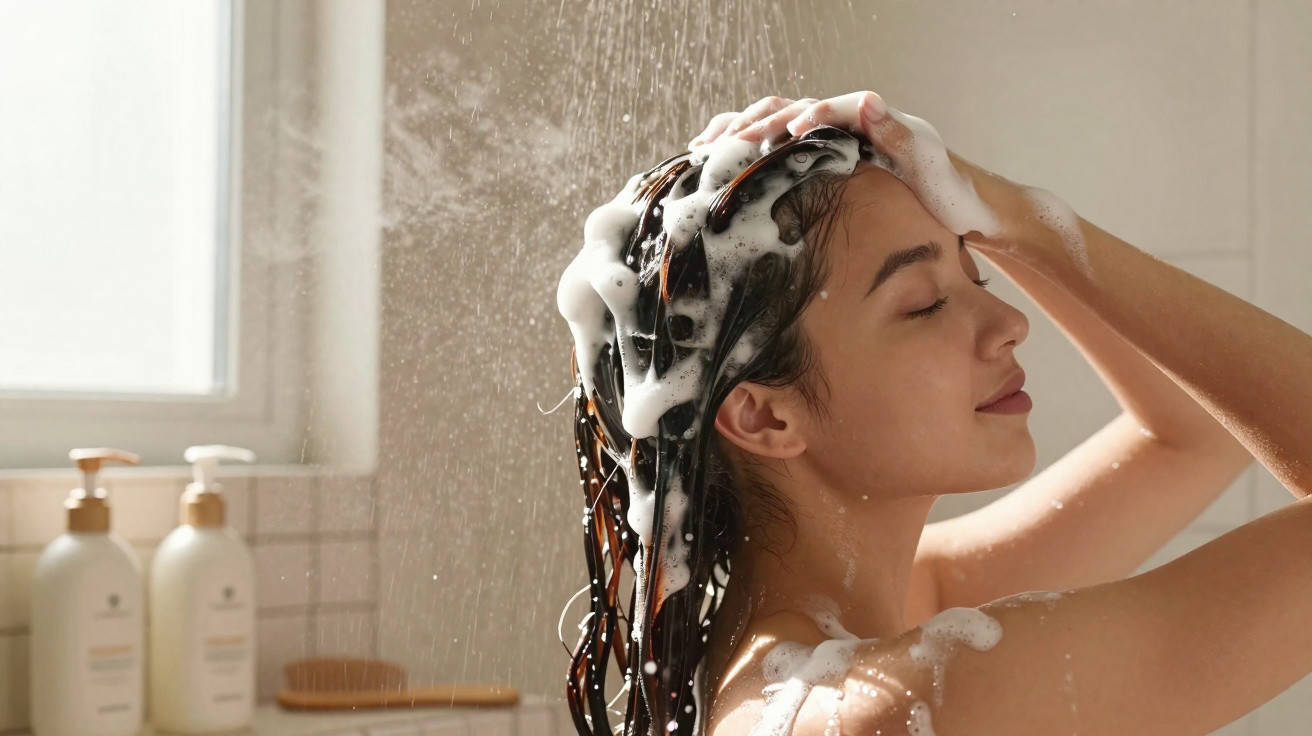
The home routine is relatively simple: use a mild shampoo, a moisturising conditioner and an occasional in-shower gloss treatment. Since the colour is translucent, powerful clarifying treatments and strong anti-dandruff shampoos may remove it faster, so they should be used cautiously.
Who suits stained glass hair best
This method is especially suitable if:
- You are 20–60% grey, with white hairs dispersed rather than concentrated solidly in one area
- You do not like pronounced lines of demarcation between the roots and lengths
- You want to move gracefully from full-coverage colour towards a more natural appearance
- You favour soft, reflective hair over bold, fashion-focused colour
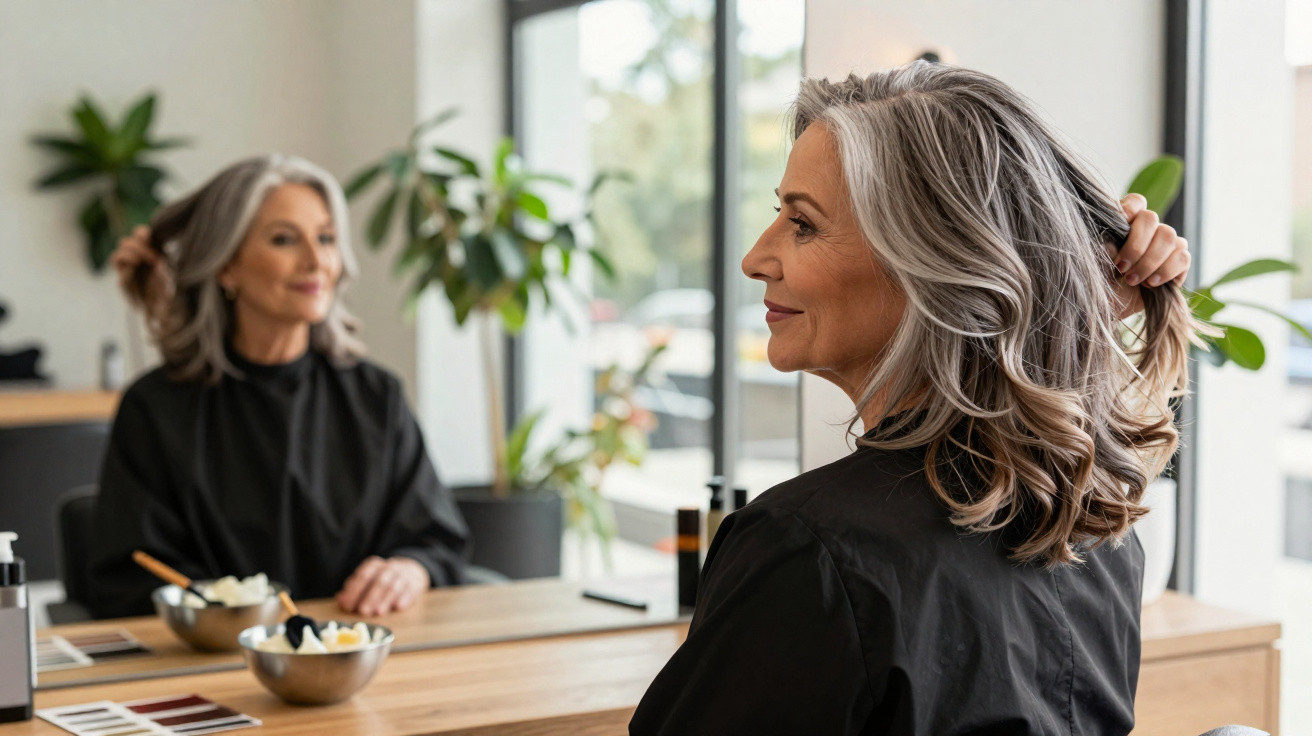
People whose hair is already almost completely white can still request a stained glass interpretation. A colourist may add a veil of beige, pearly or smoky shades for depth, while allowing a generous amount of natural silver to show through.
Terms you might hear while in the salon chair
The terminology used in salons for this trend can seem technical. It is useful to understand a few expressions before making an appointment:
- Translucent colour: colour formulas that let light pass through and reveal the hair underneath, rather than fully covering it.
- Gloss / glaze: semi-permanent treatments, frequently ammonia-free, which provide shine and a gentle tonal shift without dramatically changing the natural shade.
- Babylights: ultra-fine highlights designed to resemble the sun-lightened strands often found in children's hair; they are commonly used for stained glass techniques.
Understanding these terms can help guide the consultation. Requesting “sheer, stained glass style colour with visible grey” makes clear that you do not want conventional full-coverage dye.
Risks, limitations and realistic expectations
No colouring treatment is entirely without risk. Even mild products may irritate sensitive scalps, making a patch test a sensible precaution. Although translucent colours usually contain lower peroxide levels than strong permanent tints, they still alter the hair fibre to a degree.
There is a mental adjustment involved, too. Switching from opaque coverage to stained glass hair requires accepting that some grey will remain visible. Some people find that freeing, while others may feel unsettled during the first few weeks. Trying a semi-permanent gloss first, or testing the technique around the face only, can help determine whether the effect feels right.
For anyone balancing professional visibility, caring responsibilities and personal style, stained glass hair provides a middle ground: neither immediately embracing grey in full nor holding on to a block of opaque colour, but creating a softer, more layered take on ageing hair that feels contemporary and lived-in.









Comments
No comments yet. Be the first to comment!
Leave a Comment