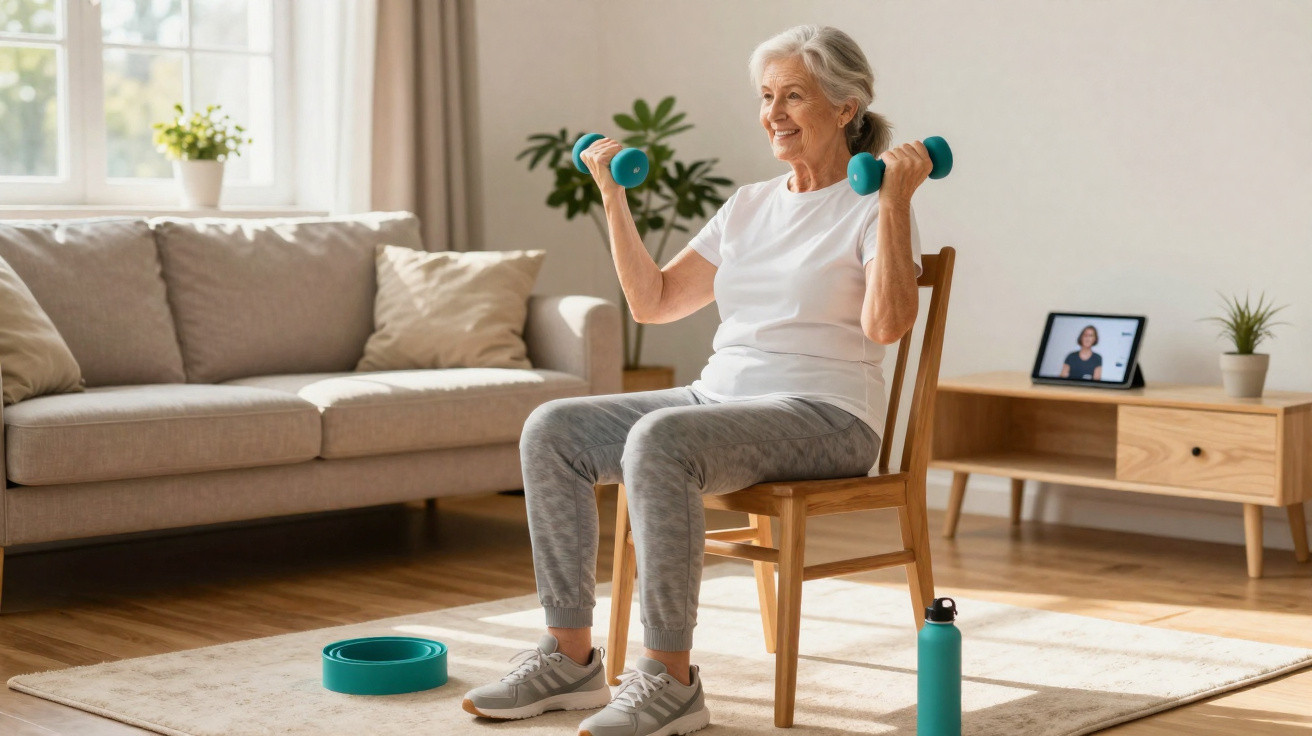
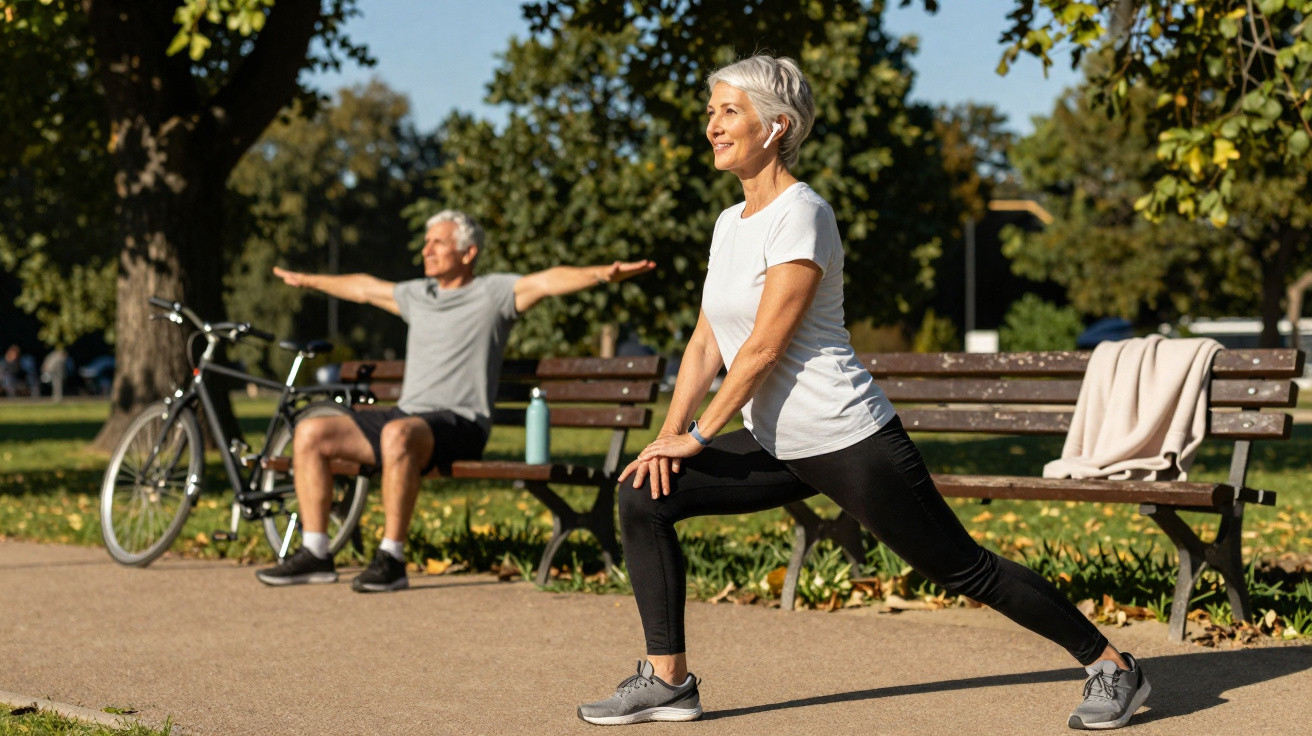
Healthy ageing has become a more common topic in everyday discussion, particularly among people over 60 who want to retain their strength, balance and independence. It is now understood that muscle loss and reduced mobility are not unavoidable effects of getting older. To a large extent, they result from prolonged inactivity, making a straightforward home strength exercise routine, without specialist equipment, highly valuable for keeping the body steadier and more capable in daily life.
Why are home strength exercises important for older adults?
From middle age onwards, the body naturally tends to lose muscle mass through a process called sarcopenia. This can weaken the legs, arms and, above all, the core, which is vital for supporting posture and stabilising the spine. A strength-focused training routine can slow this decline, support balance and improve the ability to respond when stability is challenged, such as after an unexpected trip.
Regular exercise also benefits joint mobility and coordination. Simple movements performed with control help to lubricate the joints and improve body awareness. Training therefore acts as a “safe rehearsal” for everyday tasks, helping to reduce the risk of falls while making it easier to walk, climb stairs and rise from low chairs.
Which home strength exercises can older adults prioritise each day?
A basic home programme usually combines movements that mirror common daily actions and recruit major muscle groups. Wall press-ups, sitting down and standing up from a chair, calf raises, core stabilisation on the floor and targeted hip-strengthening exercises are all suitable starting options. Each can be adjusted by adding support or reducing the range of movement.
To keep the routine simple and effective, these exercises can be arranged into short sets, while always respecting individual limits and taking brief rests between movements. Examples commonly included in home routines are:
- Wall press-ups to work the chest, shoulders and arms;
- Sitting down and standing up from a stable chair for the thighs and glutes;
- Calf raises on the floor or a low step to strengthen the calves;
- Core stabilisation on hands and knees, or adapted variations;
- Modified abdominal exercises, taking care of the neck and lower back;
- Side-lying leg raises to build hip strength.
How should a home strength training routine for older adults be organised?
When creating a home routine, it is sensible to begin with a low training load, focusing on correct technique and relaxed breathing. A typical starting point is 8 to 10 repetitions of each exercise, gradually progressing to 12, 15 or 20 as the body adapts. Movements should always be slow and controlled, without jerking or sharp pain.
A practical format consists of a gentle 5 to 10-minute warm-up, followed by the main strength section with 4 to 6 exercises, and then a few light stretches for the legs, back and shoulders. For many people, training two to three times a week can already provide meaningful strength improvements, provided there is reasonable consistency and gradual progression, such as adding repetitions or a second set.
How can older adults stay safe and independent while doing strength exercises at home?
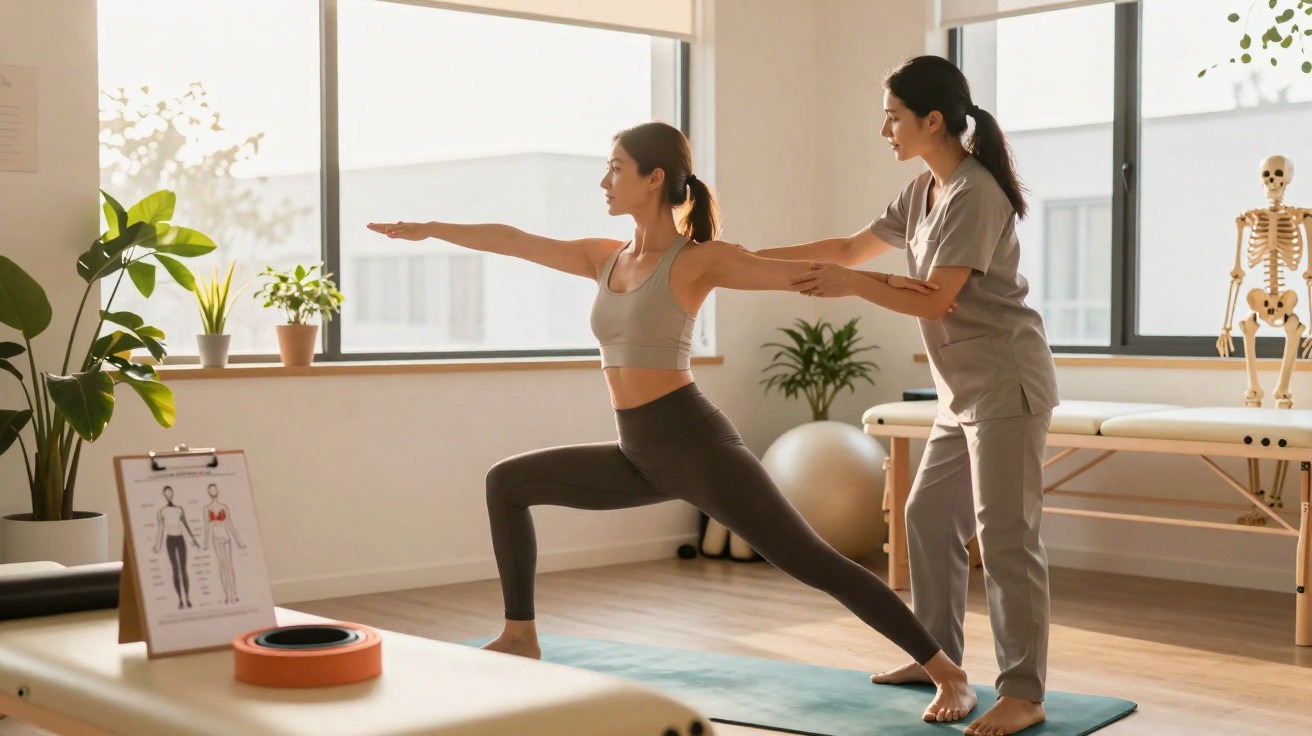
Safety relies on both the surroundings and attention to the body’s signals. Loose rugs should be removed, lighting should be adequate and chairs should be sturdy and have a backrest. Before beginning a new programme, especially if there are chronic health conditions, severe pain or a history of falls, it is advisable to speak with a healthcare professional for individual guidance.
Mild muscle discomfort when returning to exercise is common, but sharp pain, dizziness, severe breathlessness or palpitations mean the activity should stop and an assessment should be sought. Small changes, including reducing repetitions, holding on to a wall, choosing a higher chair or shortening the movement range, can make training suitable for different fitness levels. This can help preserve independence in everyday tasks for longer and build confidence in movement.










Comments
No comments yet. Be the first to comment!
Leave a Comment