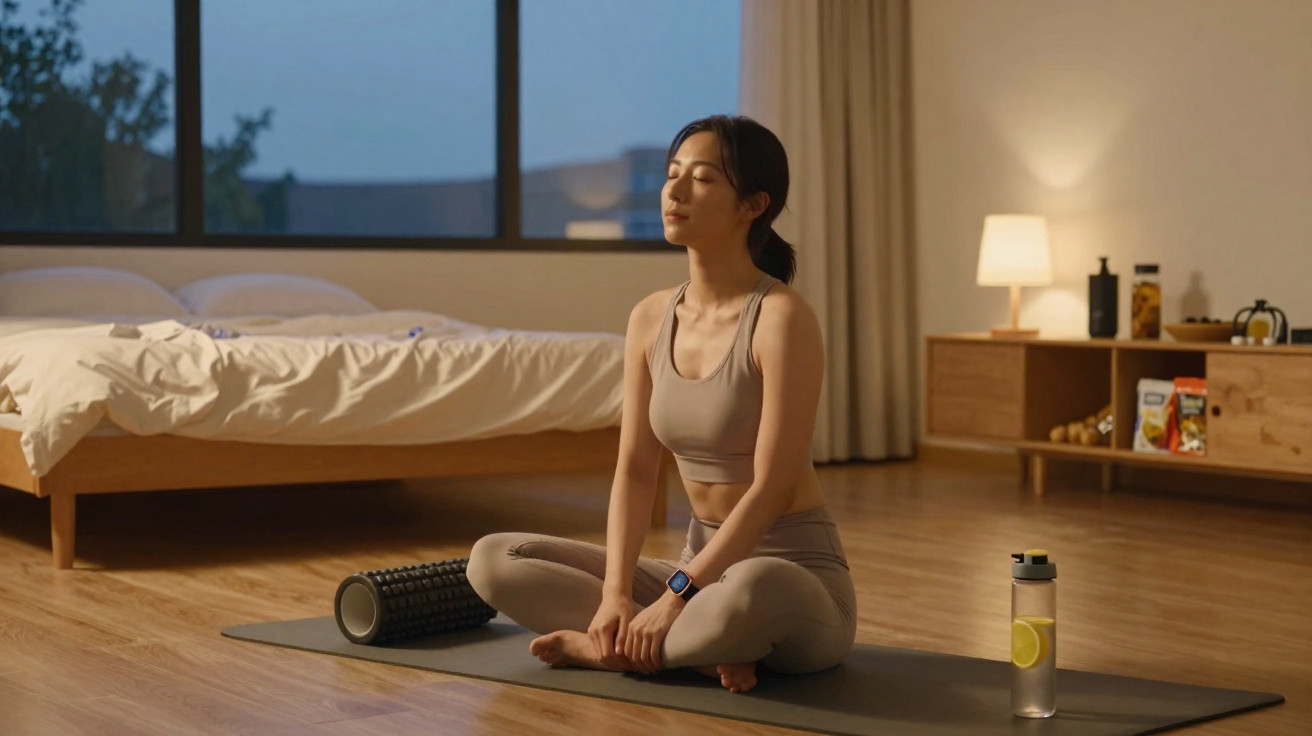
Many people who work late worry that exercising in the evening will disrupt their sleep – but is that concern justified?
For many working people, finding time to be active during the day is difficult, so exercise naturally gets pushed into the evening. At the same time, there is often a nagging worry that a late workout will spoil the night ahead. Recent findings from sleep and sports research suggest the issue is far from black and white: intensity, timing and your individual body clock all matter.
The sleep-stealing myth: does evening exercise really keep you awake?
Why activity after sunset is not automatically harmful
For a long time, the rule of thumb was that anyone who trains late will sleep badly. The assumption behind it is that all physical activity raises the cardiovascular system so much that falling asleep becomes almost impossible. While this idea may sound plausible in everyday life, it is biologically too simplistic.
In many cases, the real enemy of restful sleep is not exercise at all, but complete inactivity at the end of the day – combined with hours spent scrolling on a smartphone or laptop. Blue light from screens suppresses the release of the sleep hormone melatonin, while the body never properly gets the chance to wind down.
Moderate exercise in the evening can actually improve sleep – particularly when it relieves stress and clears the mind.
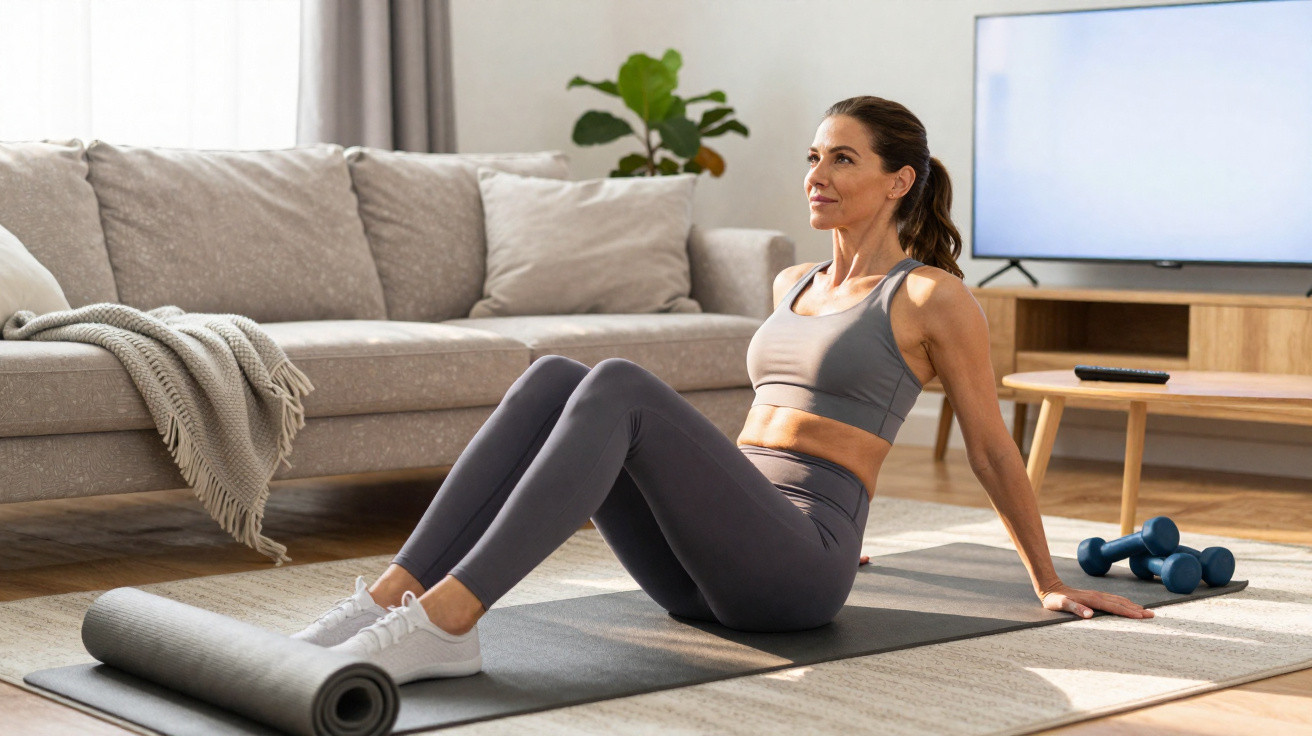
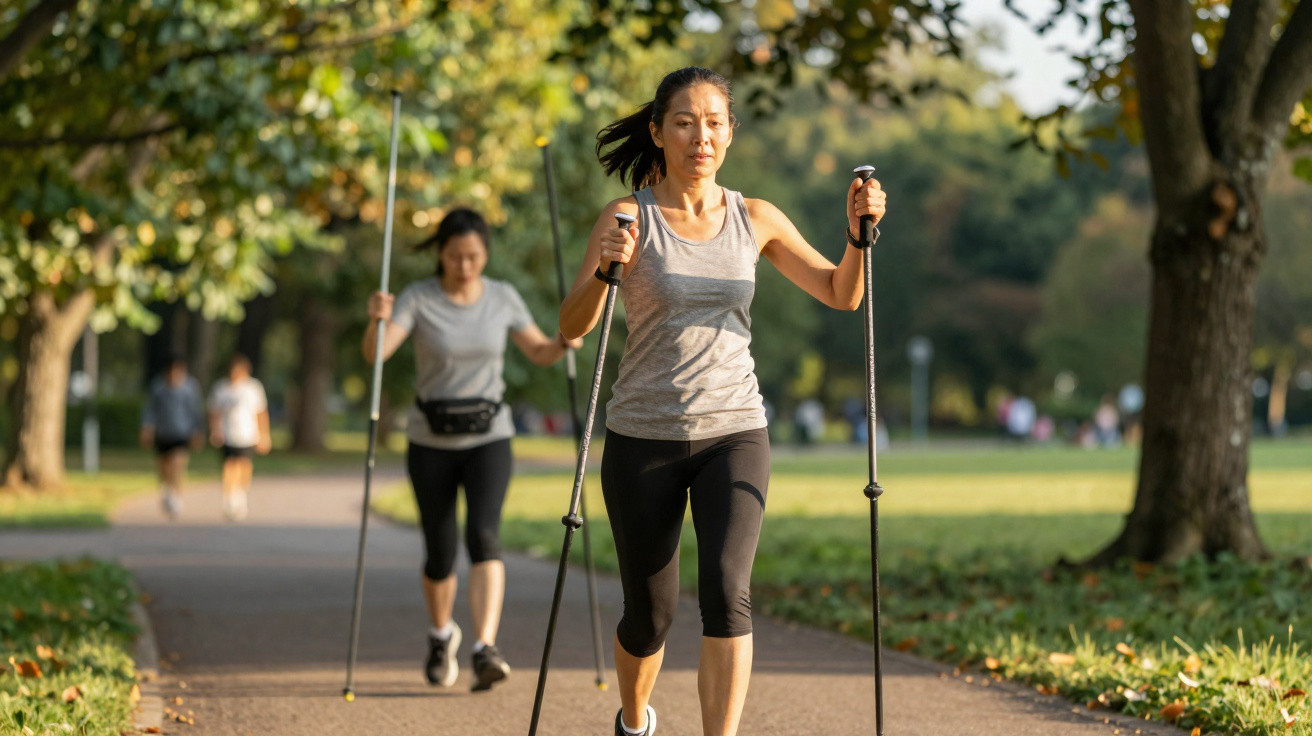
Going for a walk after work, having a gentle swim or fitting in a yoga session uses energy without putting the body on alert. Many people sleep more peacefully afterwards, rather than worse.
A pressure valve for stress rather than a stimulant – how exercise slows racing thoughts
After a demanding day, to-do lists, emails and conflicts can continue circling through the mind for hours. This is precisely where a late exercise session can work wonders, creating a clear break between work and the evening.
During a workout, attention moves away from overthinking and towards physical sensations. Breathing, movement and muscle tension all provide distraction. At the same time, the body releases endorphins: chemical messengers that promote wellbeing and reduce inner tension.
A tired yet relaxed body, together with a calmer mind, will generally find it easier to drift off than someone who gets straight into bed carrying every worry without an outlet.
The real sleep disruptor: excessively hard sessions at the wrong time
Why high-intensity training late at night can cause problems
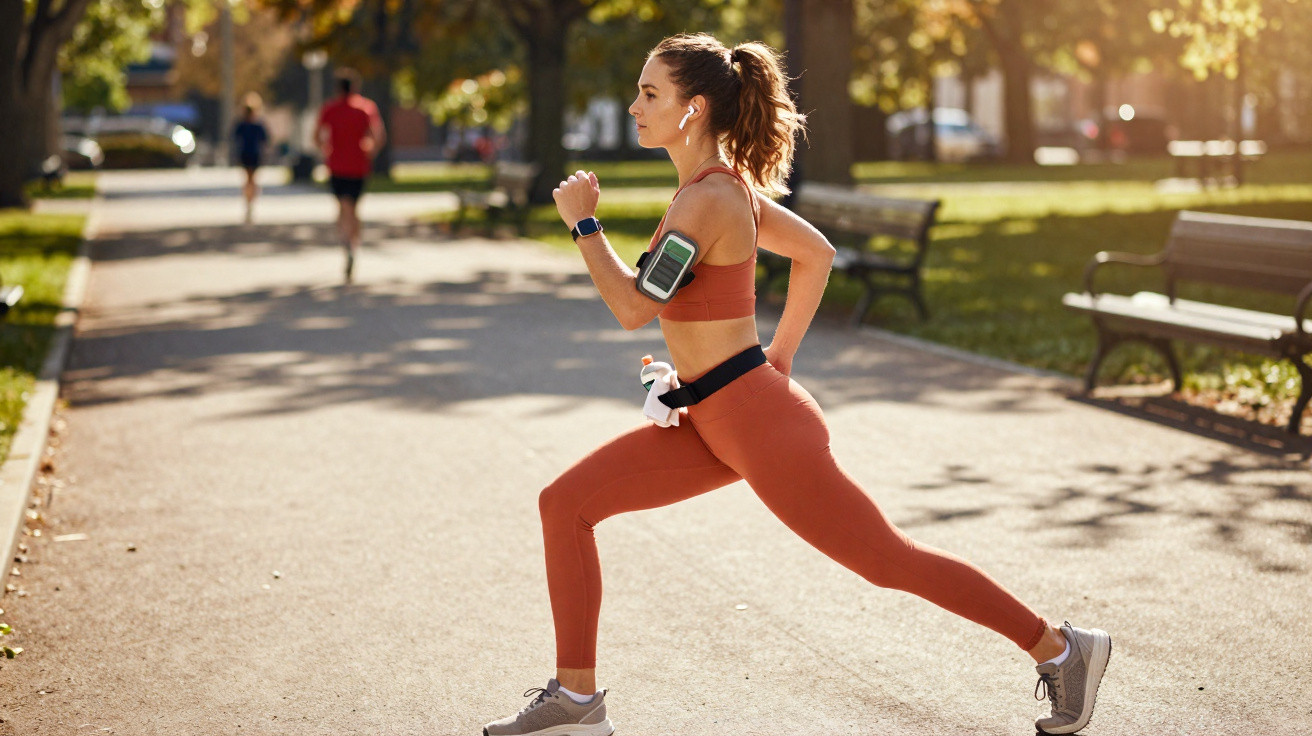
The key question is not “exercise or no exercise?”, but: how hard and how late? Starting a punishing interval workout or an especially demanding CrossFit session at 21:00 puts the body into performance mode.
At high intensity, the body activates its stress and alarm response: heart rate rises, blood pressure increases, and adrenaline and cortisol flood the system. Biologically, this means the body is preparing for “fight or flight” – not a cosy duvet and deep sleep.
This state of activation inhibits melatonin release. The result is that you lie in bed physically exhausted but internally wired, with your heart pounding, and take unnecessarily long to fall asleep.
Gentle sessions as a natural “sleep booster”
In the evening, activities that do not push the heart rate too high are considerably more sleep-friendly. These include:
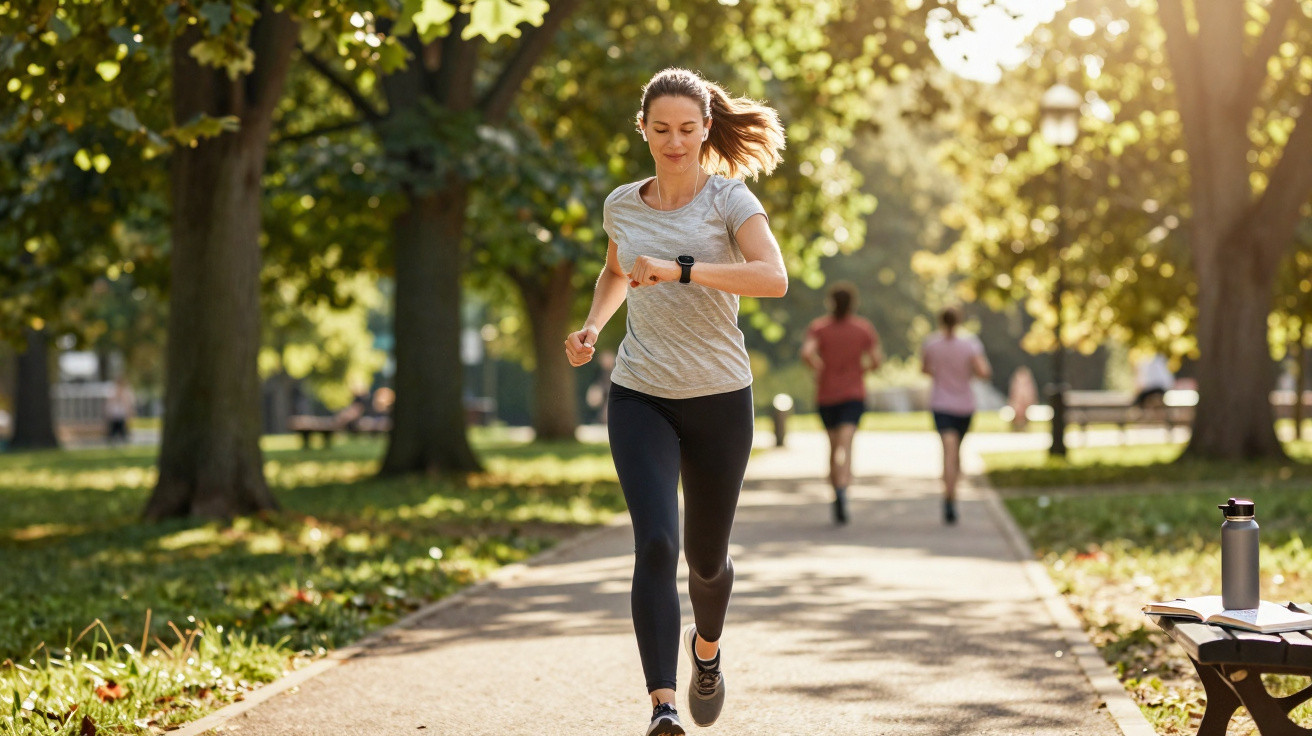
- brisk walking or easy jogging
- relaxed swimming without time pressure
- yoga, especially calm styles involving stretches
- Pilates or a gentle full-body workout
- stretching alone after a day spent largely sitting down
These activities mainly stimulate the parasympathetic nervous system – the part responsible for rest, digestion and recovery. Breathing becomes deeper, muscle tension eases and blood pressure gradually falls.
Those who train moderately in the evening reduce stress, loosen tense muscles and prepare their body for the night.
For many people, a short and calm exercise session at the end of the day can even become a regular sleep ritual, much like a cup of herbal tea or reading a few pages in bed.
Night owl or lark? Why your chronotype determines when to exercise
Follow your own body clock rather than rigid advice
People operate differently: some are at their best in the morning and are barely responsive after 21:00, while others only really come alive then. Sleep research commonly refers to these groups as “larks” and “owls”.
People who wake naturally early and quickly become tired in the evening tend to be more sensitive to late exercise. Their nervous system is more strongly geared towards rest at night, so intense exertion clashes with this internal schedule.
Typical “owls”, by contrast, often feel energetic in the evening, fall asleep later and frequently tolerate late exercise much better. For them, a workout at 20:00 may fit perfectly into their daily rhythm.
Listen to your body, not to dogma
Theories are useful, but in the end practice is what matters. Anyone who is unsure should closely monitor their own response. Typical warning signs that evening exercise is not suitable include:
- palpitations or heavy sweating in bed
- racing thoughts despite feeling tired
- difficulty “switching off”
- repeatedly changing sleeping position or feeling restless
Keeping a small sleep diary can be helpful: when you exercised, how intensely, and how you slept afterwards, including how long it took to fall asleep, waking during the night and how you felt in the morning. Patterns – and therefore opportunities to make adjustments – usually emerge after one to two weeks.
The temperature trap: when an overheated body prevents sleep
Why it is difficult to fall asleep when your body is too warm
To initiate sleep, the body lowers its core temperature slightly. This internal cooling is a key trigger for tiredness. Exercise, on the other hand, heats the body up, as working muscles generate warmth that spreads throughout the system.
Going to bed while your body temperature is still high is often very noticeable: you feel too warm, kick off the covers and cannot find a comfortable position. This warmth is often mistakenly interpreted as “nerves”.
Too much residual heat after exercise delays falling asleep – often more than racing thoughts do.
Why a lukewarm shower is better than an ice-cold cool-down
After a hot workout, the instinctive reaction is often simple: take a cold shower and be done with it. However, that effect can be deceptive. Cold causes blood vessels near the skin’s surface to constrict. As a result, heat is more likely to remain trapped inside the body instead of being released.
A lukewarm shower is a much smarter option. Mildly warm water dilates the blood vessels, improves circulation and moves excess heat from the body’s core outwards. Drying off and the evaporation of water then create an additional cooling effect.
Especially on warm summer nights, it is worth making this step a fixed part of the evening – as a transition from exercise mode to sleep mode.
Timing and food: how much time to leave before bed
The two-hour rule for the heart, circulation and hormones
As a general guide, many specialists recommend leaving at least two hours, and preferably three, between finishing exercise and your planned bedtime. This “buffer zone” allows the body to settle.
| End of workout | Earliest recommended bedtime |
|---|---|
| 19:00 | 21:00–22:00 |
| 20:00 | 22:00–23:00 |
| 21:00 | 23:00–24:00 |
During this period, heart rate and blood pressure come down, stress hormones are broken down, and body temperature returns to a level suitable for sleep. Leaving too little time forces the body and brain to go straight from full speed to standby – and that rarely happens smoothly.
Eat light, sleep better – what to put on your plate after exercise
After exercise, the body often demands energy. However, a heavy, fatty evening meal is doubly unhelpful at this point: it burdens the stomach and raises body temperature again through the work of digestion.
Small, easily digested meals are a better choice. Suitable components include:
- lean protein such as yoghurt, quark, cottage cheese or poultry
- complex carbohydrates such as wholegrain rice, pasta or porridge oats
- a small portion of fruit, such as a banana
- moderate amounts of pulses, such as lentils or chickpeas
Many of these foods contain tryptophan, an amino acid the body uses, among other things, to produce melatonin. It is also best not to drink litres alongside the meal, but to spread fluid intake across the evening. That way, your bladder is less likely to wake you during the night.
Fine-tuning your routine: finding your personal evening exercise plan
Know the guidelines, then experiment with confidence
There are few absolute bans on exercising in the evening, but there are sensible guideposts. Once you understand the most important factors, you can adapt your routine step by step instead of giving up physical activity entirely for fear of sleep problems.
One possible approach over a week could look like this:
- Schedule two evenings of very gentle activity, such as walking or stretching.
- Test moderate training on two evenings, such as easy running or light strength training.
- Vary the start time and duration slightly, while always keeping a buffer of at least two hours.
- Record sleep quality and how you feel the following morning.
If you find that certain combinations – such as yoga at around 20:00 followed by a lukewarm shower and a light snack – reliably lead to good sleep, you have almost found your personal evening plan.
The important thing is not to stick out of habit to a pattern that clearly does not work well. Anyone who remains constantly exhausted after hard late-night sessions without feeling genuinely rested can confidently move their training earlier, reduce the intensity, or both.
Exercise and sleep do not have to be rivals. When properly paced and sensibly timed, evening activity can clear the mind, leave the body pleasantly tired and become exactly the element that turns an anxious end to the day into a calm, steady night.










Comments
No comments yet. Be the first to comment!
Leave a Comment