
More women aged over 50 are discreetly reshuffling the products on their bathroom shelves, replacing well-known blue tins and glass pots with a modest amber bottle whose label makes few grand claims. This change is not really about dramatic transformations, but about skin that feels more settled from one week to the next.
Why wild rosehip oil is gaining popularity after 50
Pressed from the small seeds of wild roses, rosehip seed oil occupies an unusual space somewhere between a chemist staple and a cupboard ingredient. It may appear unassuming, but an increasing number of dermatologists, facialists and skincare-ingredient enthusiasts highlight the same benefit: its blend of lipids, antioxidants and vitamins is well suited to skin becoming thinner, drier and less resilient.
After 50, skin does not just “look older”; it loses water faster, repairs itself slower and breaks down collagen more easily.
Collagen, the fibrous protein responsible for a plump-looking face, declines steadily from the mid-30s onwards. Exposure to sunlight, pollution and smoking accelerates this reduction. Rather than attempting to “force” collagen production with harsh active ingredients, rosehip seed oil helps establish gentler conditions in which existing collagen degrades more slowly and fresh fibres can develop in a more orderly manner.
The oil is rich in linoleic and alpha-linolenic acid, unsaturated fatty acids that help form the skin barrier. When that barrier is stronger, less moisture is lost, the skin remains more supple and there are fewer tiny cracks where irritation can begin. Phytosterols help support cell membranes that weaken over time, while naturally occurring antioxidants such as carotenoids and vitamin E can neutralise free radicals before they damage collagen fibres.
This mix helps explain the recurring feedback from many testers. Fine lines caused by dryness can seem less noticeable, foundation is less likely to gather around the mouth, and the complexion may look more balanced. These are not overnight results or a striking “before and after”, but changes that tend to appear after four to eight weeks of consistent application.
For mature skin, the win often lies in smaller changes: less tightness in the morning, less flaking around the nose, and make‑up that no longer clings to rough patches.
How to use rosehip oil in everyday routines
Rosehip oil should, in principle, be simple to add to a skincare regime. In reality, routines often fall apart when they begin to feel like a chore. Keeping things minimal is often best both for skin and for daily life.
An easy evening routine most people can maintain
- Wash with a gentle, low-foaming cleanser.
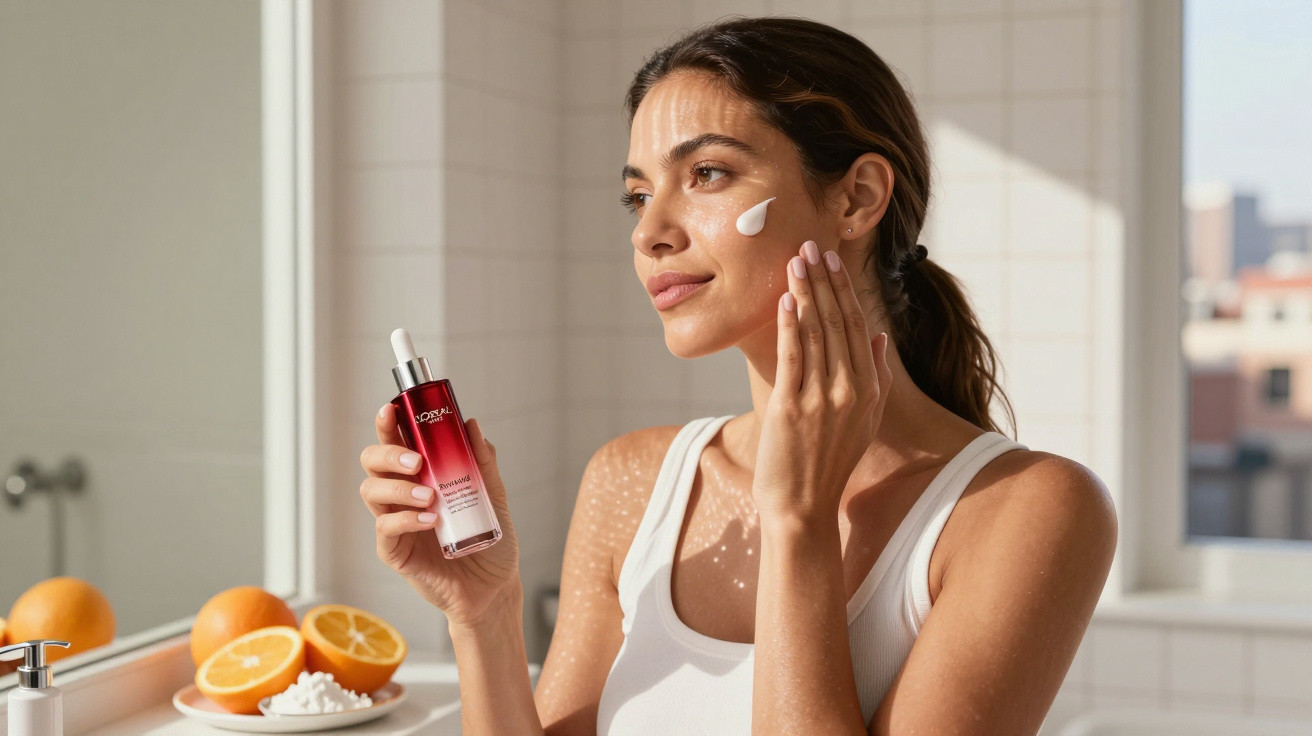
- While skin is still damp, press two to three drops of rosehip oil into the face.
- Smooth any remaining oil over the neck and chest.
- Apply a light moisturiser afterwards if skin still feels tight.
Pressing the oil into the skin instead of rubbing vigorously limits friction on skin that is already delicate. Its light coating holds onto water left behind after cleansing or from a hydrating serum, rather like a breathable raincoat. Many women use an additional half-drop around the eyes and mouth, where lines often become more pronounced first.
Sunscreen remains essential during the daytime. Products that smooth the outermost layer of skin, oils included, allow UV rays to pass through more evenly. Although this may support vitamin D production, it also presents a clear photo-ageing risk. Applying a broad-spectrum SPF 30 or higher over a very small amount of oil helps safeguard collagen from avoidable damage.
Frequent rosehip oil mistakes
Most disappointments with facial oils stem from three straightforward errors:
| Misstep | What happens | Easy fix |
|---|---|---|
| Using too much | Greasy film, clogged feeling, make-up slides off | Begin with 1–2 drops and use more only if skin absorbs it quickly |
| Judging too fast | Stopping after a few days, no visible change | Allow at least one complete skin-renewal cycle (around 28 days) |
| No patch test | Redness or small breakouts in sensitive users | Try it behind the ear or along the jaw for several nights first |
A further source of confusion is that rosehip seed oil is a fatty botanical oil, rather than a fragranced essential rose oil. The former nourishes the skin and helps the barrier, whereas the latter may irritate sensitive cheeks and necks when used undiluted.
How rosehip oil compares with classic creams such as Nivea
Nivea’s recognisable blue tin is associated with a thick, occlusive cream based on mineral oil and waxes. Plenty of people enjoy its familiar scent and immediate softening effect. On dry shins or hands in winter, this type of formula offers excellent protection from cold weather and wind.
For mature facial skin, however, the comparison is more complex. Occlusive creams primarily form a layer on the surface to reduce water loss. That can be useful, but it does little to improve the lipids within the skin barrier or support collagen in the long term. Rosehip oil, in comparison, supplies fatty acids that the barrier itself uses as structural building blocks.
Think of a rich classic cream as a raincoat and rosehip oil as better bricks for the wall underneath.
Rather than choosing one approach over the other, many women now use both. At night, they apply a few drops of rosehip oil before a lighter cream. On particularly severe winter days, some also add a conventional thick cream on top for extra protection from chilly air. This layered approach means each product serves a purpose, while allowing adjustments for the season and for how skin feels that particular week.
Where rosehip oil works alongside modern actives
Skincare discussions for mature skin now extend beyond simply asking whether it is dry or oily. Niacinamide, retinoids, acids and peptides are also part of the conversation. When used sensibly, rosehip oil can generally sit alongside these ingredients without difficulty.
- With niacinamide: This vitamin helps reinforce the barrier and soothe redness. Adding rosehip oil supplies further lipids, which can often lessen stinging.
- With retinoids: Prescription retinoids and over-the-counter retinol increase cell turnover, but can also lead to peeling and itching. Following them with a fine layer of oil can soften these effects.
- With mild acids: Mild lactic acid or mandelic acid removes uneven cells from the skin surface. Applying oil on subsequent nights, rather than straight away, maintains a balance between renewal and comfort.
Those who are prone to blocked pores should still take care. Rosehip oil is generally considered low to medium on comedogenic scales, but no rating is a substitute for observing how your own T-zone reacts.
Buying and storing rosehip oil: signs of quality
Rosehip oil goes off more rapidly than heavier oils, so its production method and packaging are important. Clear labelling can help prevent the purchase of rancid or excessively processed oils.
- Check the label for “cold-pressed” and “unrefined”.
- Select dark glass bottles, which protect the oil from light.
- Store the bottle somewhere cool, away from direct sunlight and radiators.
- Use it within a few months of opening, and discard it if the aroma becomes stale and oily.
The ingredient list ought to be brief. In an ideal case, it contains only Rosa canina, or another related species, seed oil, perhaps with a natural antioxidant such as tocopherol (vitamin E). Long lists featuring fragrances or colourants add potential risk without offering meaningful benefits for collagen or wrinkles.
Short ingredient lists tend to give clearer, more predictable skin reactions, especially on faces that react easily to perfumes.
Beyond the bottle: lifestyle wrinkles that oil alone cannot address
Rosehip oil may enhance comfort and texture, but collagen loss is not solely a skincare concern. Sleep quality, lifelong sun exposure habits, diet and smoking influence facial ageing at least as much as the products applied to the skin.
Each night of broken sleep raises cortisol levels, slowing repair and potentially breaking down existing collagen. A consistent bedtime, a darker bedroom and less glare from screens in the evening can produce a difference that no serum can completely replicate. Likewise, regularly eating colourful vegetables, oily fish, nuts and sufficient protein provides the materials needed to support firm-looking skin from within.
There is also the more personal issue of how much correction an individual actually wants. For some people, rosehip oil offers a gentle “middle way”: the lines remain, but the skin surrounding them appears hydrated rather than depleted. This can feel more sustainable than continually pursuing perfectly smooth skin.
Readers interested in taking the next step could patch-test a small bottle, record progress through weekly photographs taken in the same lighting, and combine the trial with more consistent sunscreen use. Pairing a straightforward, lipid-rich oil with reliable daily UV protection usually reveals more about the skin’s natural potential than another selection of costly jars on the dressing table.














Comments
No comments yet. Be the first to comment!
Leave a Comment