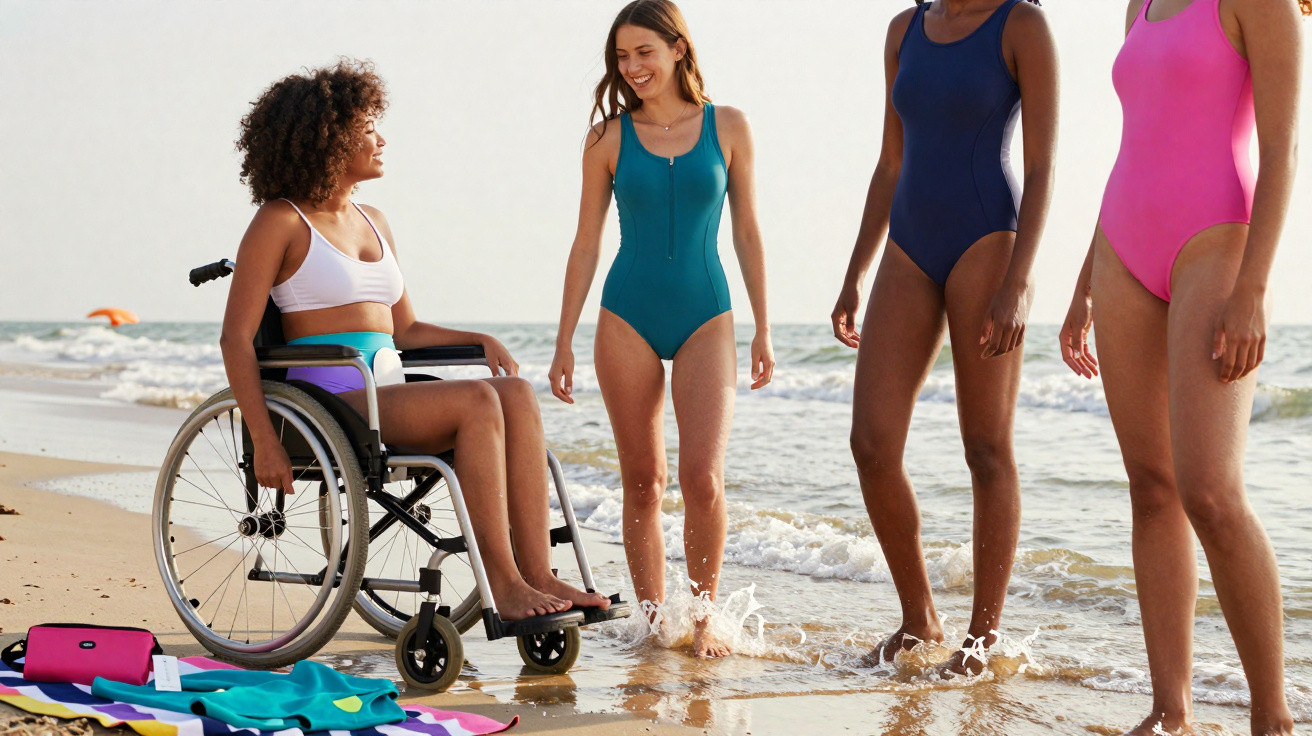
A major fashion retailer is taking a step that could make everyday life and holidays considerably easier for many disabled people.
While other brands are still discussing what inclusive fashion should look like, Primark is bringing a new collection into stores: adaptive swimwear and leisurewear designed specifically for disabled people. The range aims to be functional, affordable and fashionable at the same time.
Why adaptive swimwear can be a game-changer
People who rely on medical access points, stoma bags or particular aids will recognise the issue: standard swimwear often does not fit properly, and getting changed can become an ordeal. As a result, many avoid swimming pools altogether or feel uncomfortable on the beach, constantly worrying about tubes, bags or fabric shifting out of place.
Adaptive swimwear aims to reduce precisely these barriers – without making wearers feel as though they are dressed “differently”.
With this new range, Primark is directly addressing this group. Its centrepiece is a black tankini set which looks like conventional swimwear but offers considerably more in its construction.
Primark adaptive swimwear: a tankini with practical features
At first glance, the new tankini is understated and discreet, with black fabric and a classic cut. Its differences lie in the carefully considered details:
- Side openings for access points, such as feeding tubes or catheters
- Concealed pull tabs in the waistband to make lifting or adjusting the fabric easier
- Greater freedom of movement through thoughtfully positioned seams and soft materials
The tops are priced in the low double figures, as are the matching briefs. This keeps Primark within the price bracket for which the retailer is known, which may be particularly important for families on tighter budgets.
More than swimwear: the full adaptive range
Swimwear represents only one part of the new summer expansion. The adaptive collection now includes a small but growing selection for women and men. The current range includes:
- Tankini top
- Tankini bottoms
- Loose light-blue cotton jersey T-shirt in a women’s cut, available in XS to XXL
- Relaxed-fit blue pyjama top, available in XXS to XXL
- Matching jersey pyjama bottoms, available in XXS to XXL
- Adaptive stoma briefs with drip-resistant technology
These are joined by previously launched items, including adaptive T-shirts, jeans and other essentials, which marked the start of the line more than a year ago.
What adaptive stoma briefs are intended to offer
The specially developed briefs for people with a stoma are particularly relevant for many patients. They are designed to give the bag improved support and conceal it more discreetly. Built-in drip-resistant areas may help wearers feel more confident, especially when there is no toilet nearby or when quick movement is needed.
| Product | Standout feature | Intended use |
|---|---|---|
| Tankini | Side access openings, pull tabs in the waistband | Swimming pool, beach, rehabilitation |
| Adaptive pyjamas | Relaxed cut, soft jersey | Hospital stays, rehabilitation, everyday life at home |
| Jersey T-shirts | Loose shape, comfortable seams | Everyday life, therapy, leisure |
| Stoma briefs | Support function, drip-resistant areas | Everyday underwear, when out and about, travel |
How strongly customer feedback shapes the collection
Primark makes clear that the line was not developed solely behind a desk, but alongside people with lived experience. Since the first pieces were introduced in 2025, the team says it has “learned a great deal from customers”. Feedback from real-world use has informed the cuts, choice of materials and order in which products have been released.
The message from the community: clothes need to adapt to everyday life – not the other way round.
Swimwear appeared relatively early on the wish list, according to the retailer, as the holiday and outdoor swimming season creates additional obstacles: heat, long days away from home, wet fabrics and a lack of private places to get changed.
Design expertise: working with Victoria Jenkins
Primark is developing the collection with British designer Victoria Jenkins, who has specialised in adaptive fashion for years. She contributes both fashion design experience and a clear understanding of the needs of disabled people.
She presented the new pieces on social media and stressed that function alone is not enough. Trends, colour and style also matter, because disabled people have the same expectations of fashion as everyone else.
Adaptive fashion should not look like “special clothing”, but like ordinary streetwear and swimwear – simply with more carefully considered functions.
There is a growing demand among younger consumers in particular for clothing that does not have to hide aids, while also not making them the constant focus of attention. A tankini that looks like a regular item but still holds tubes securely addresses exactly that need.
Where the pieces are available
The adaptive summer collection is on sale in selected UK stores. Customers can try the items on in store as usual or reserve them in advance through “Click & Collect”. Online shopping can make choosing easier for many people, allowing them to consider at their own pace whether the cut and functionality meet their medical requirements.
Availability in German-speaking markets remains uncertain. Disabled people and advocacy groups have long called for major retail chains to offer adaptive fashion not only abroad, but widely across Germany, Austria and Switzerland too. Primark’s move could increase pressure on other retailers to introduce comparable ranges.
What adaptive fashion is designed to achieve
The term “adaptive fashion” is now appearing more frequently, but it often remains vague. At its heart, it means adapting clothing to different physical needs without visually stigmatising the wearer. Common features include, for example:
- Concealed zips or poppers instead of buttons that are difficult to operate
- Magnetic fastenings that can be closed with one hand
- Flat seams and soft fabrics for sensitive skin
- Specially shaped sections for stoma bags or catheters
- Longer zips in trouser legs for orthoses or prostheses
In daily life, this can mean someone is able to dress independently again, experiences less pain from restrictive seams, or no longer has to live with constant concern about aids moving out of place.
The opportunities and limitations of this trend
A budget retailer entering the adaptive fashion market has two sides. On the positive side, the garments may become affordable for people who otherwise could not buy them. Specialist niche brands are often much more expensive because they produce in smaller quantities. At the same time, there is always a risk that functionality and durability could suffer under pressure to keep costs low.
Consumers should therefore check carefully whether seams feel smooth, whether access openings are genuinely placed where they are needed, and whether the material does not chafe when wet. Where medical requirements are involved, it may be worthwhile to speak with treating healthcare professionals or support groups that have practical experience of particular cuts and fabrics.
For many people, however, an affordable first item can be an important step. Someone who finally feels secure enough in a tankini to swim again at a quarry lake regains a piece of quality of life. And the more visible this demand becomes in the mass market, the more likely other brands are to follow, with a wider range of sizes, more designs and, hopefully, availability in German-speaking retail markets too.












Comments
No comments yet. Be the first to comment!
Leave a Comment