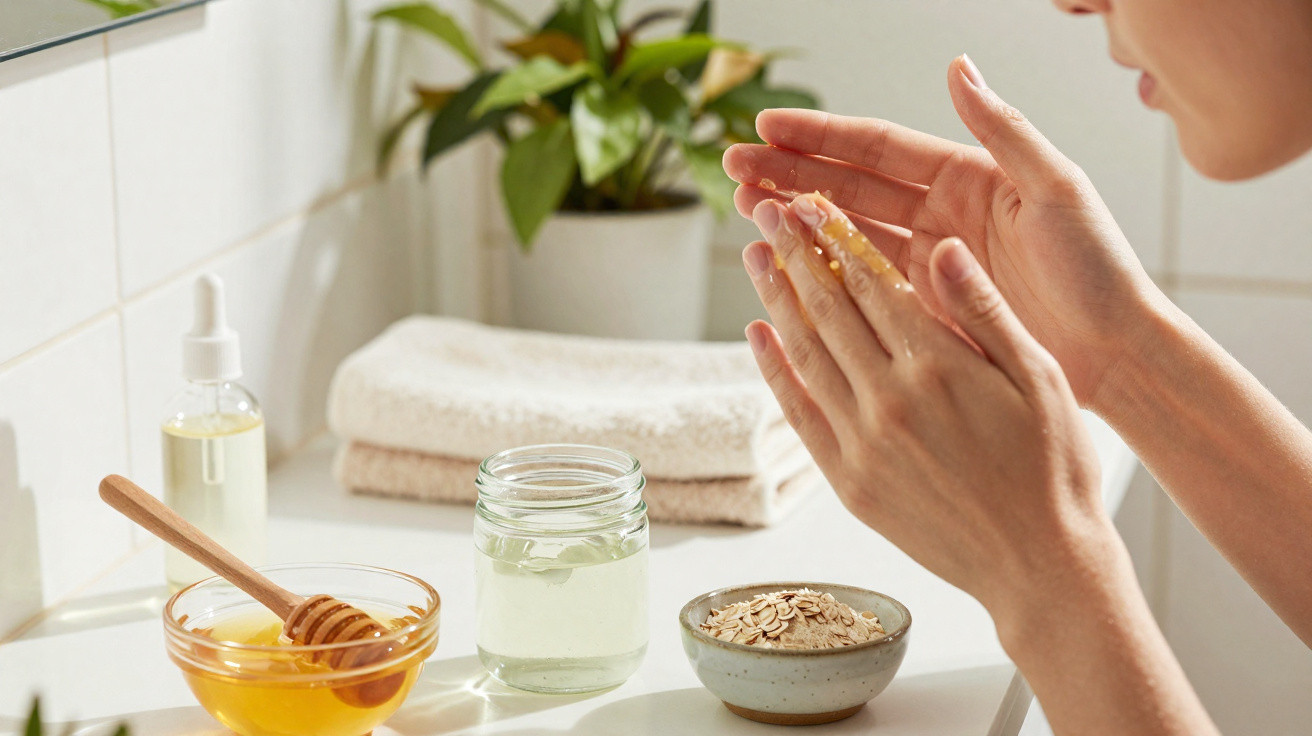
When cheeks feel papery and a “hydrating” sheet mask has done little beyond scenting the room, beauticians often turn to a kitchen-simple mixture that leaves skin feeling cushioned and soothed.
A London facialist blended clear gel with a ribbon of honey and a sprinkle of oats in a small ceramic bowl, the kind normally reserved for soy sauce. She worked with the unhurried confidence of someone who had repeated the ritual countless times.
Most of us know the feeling: after a late train and dry office air, your face can seem two sizes too small. She misted my skin, pressed on a cool layer and locked it in with the faintest touch of oil. The pulling sensation across my forehead eased, while my cheeks looked as though they had finally had a drink of water.
She smiled and explained that this is what they really use for clients whose skin is thirsty and temperamental. It begins in a teacup.
The quiet pro formula that floods the skin
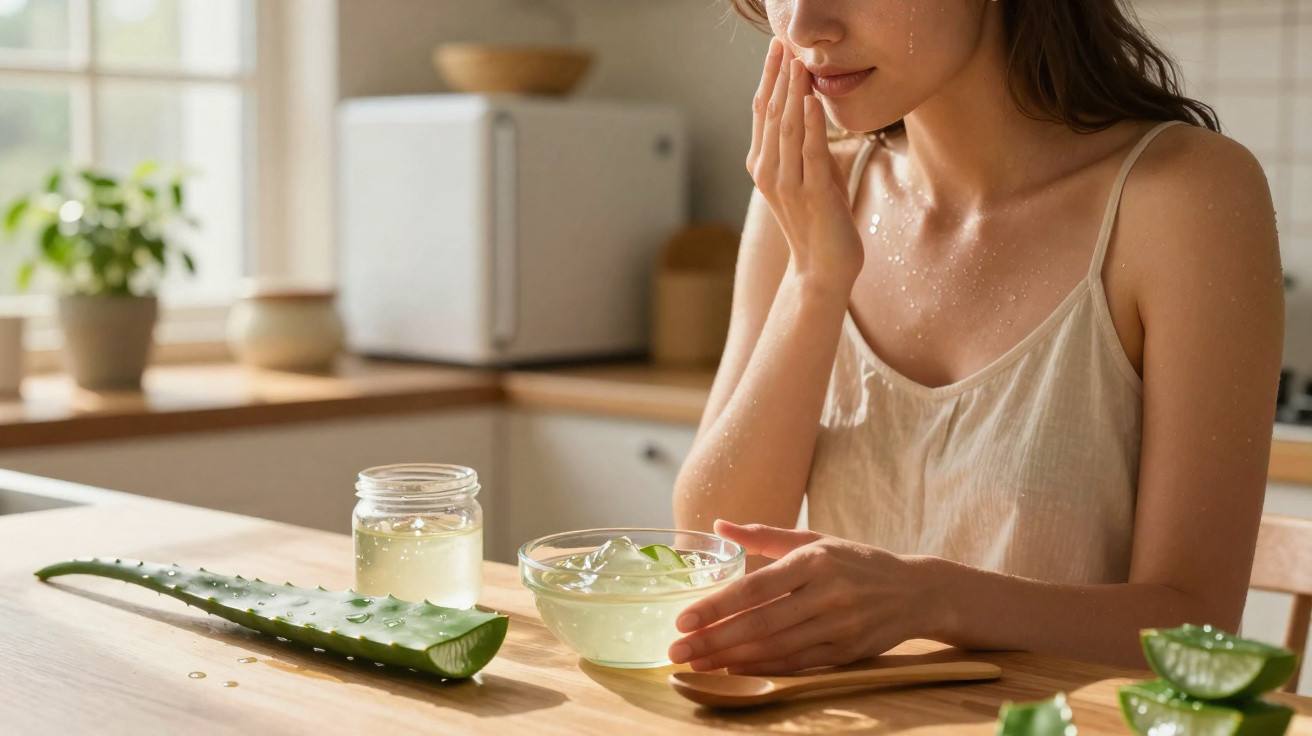
Beauticians favour blends that combine humectants with a gentle protective seal. Aloe vera gel, raw honey and vegetable glycerine draw in water, while finely ground oats soothe the surface. A few drops of squalane or jojoba help retain that moisture without making skin feel heavy.
At a Holborn studio, I watched a therapist perform a patch test before mixing 2 tablespoons of aloe gel with 1 teaspoon of honey and a small amount of glycerine. She stirred in colloidal oatmeal, then added four drops of squalane. A corneometer registered hydration increasing from 38% to 55% after 12 minutes on slightly damp skin. The client, a commuter with wind-chapped cheeks, simply murmured, “soft”.
The principle comes down to straightforward skin physics. Humectants attract water, while occlusives and emollients reduce how quickly it escapes. Oats provide beta-glucans and a milky texture that helps settle redness. Leave fragrance out and keep the pH skin-friendly. The skin barrier responds better to gentleness and simplicity than to fireworks.
The exact recipe and how to use it at home
Recipe (single use): 2 tbsp pure aloe vera gel (99%), 1 tsp raw runny honey, 1/2 tsp vegetable glycerine, 1 tsp colloidal oatmeal (or blitzed, sifted oats), 3–5 drops squalane or jojoba, 1 tsp cooled green tea or filtered water to thin. In a clean bowl, whisk together the aloe and glycerine, then add the honey. Sift in the oats and allow them to bloom for 2 minutes. Stir in the oil drops, then thin the mixture into a glossy gel.
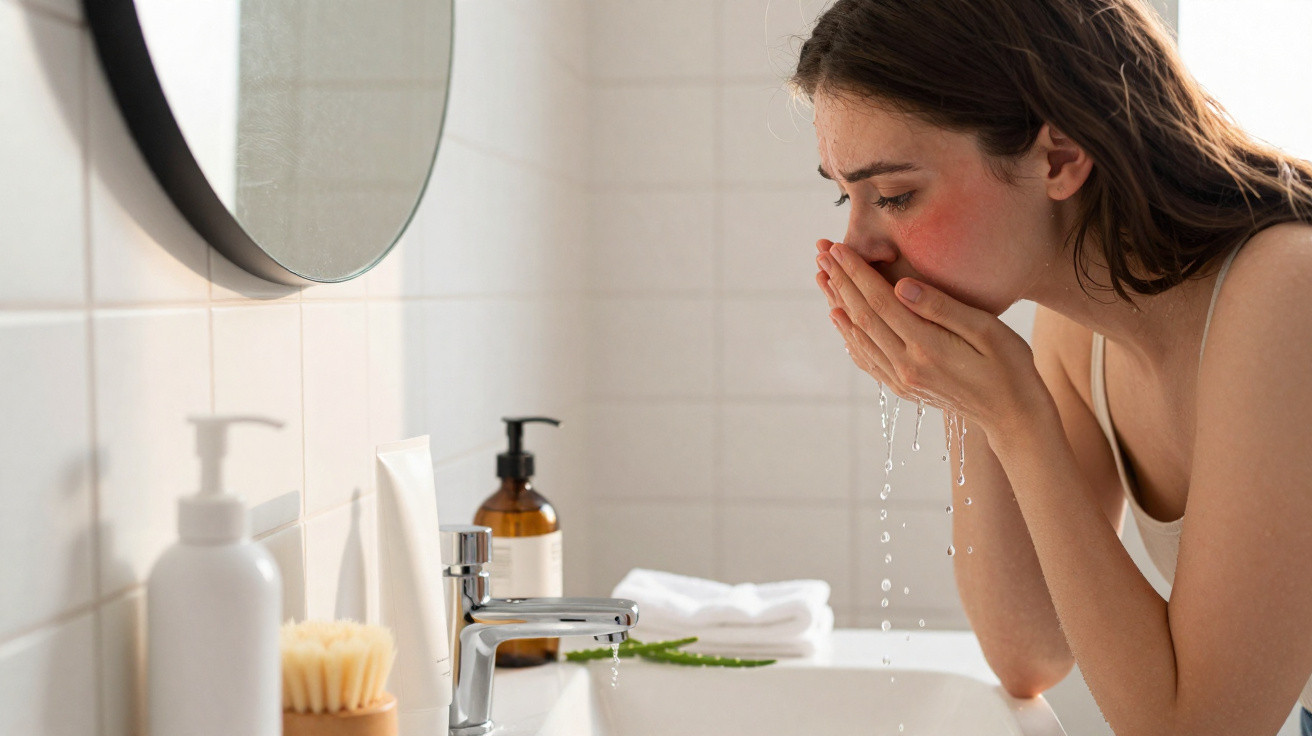
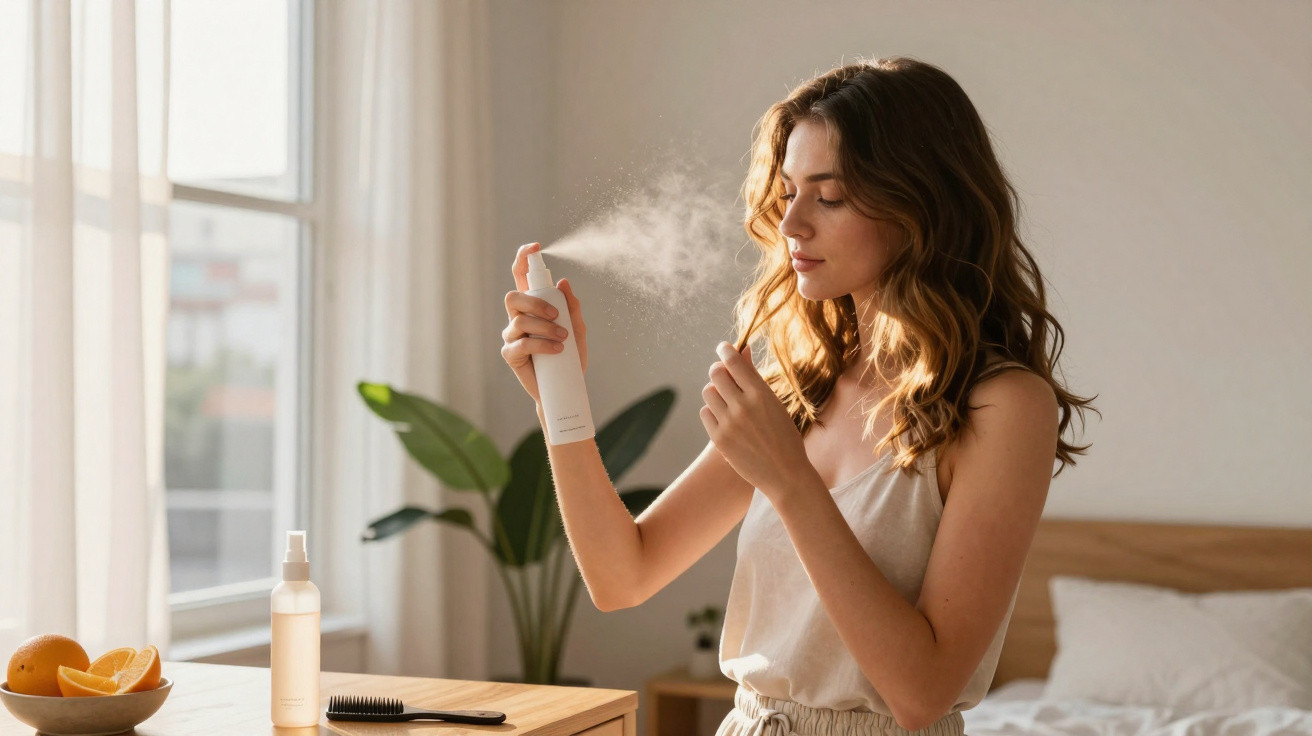
How to use: Cleanse first, then mist your skin until it is dewy rather than dripping. Smooth a teaspoonful over the face and neck in a fine veil, avoiding the eye area. Keep the mask a little moist with one mist halfway through, then leave it on for 10–12 minutes. Rinse away with lukewarm water, pat until damp and apply a simple cream while skin still has some dewiness. Let’s be honest: nobody genuinely does this every single day.
Common mistakes: Using too much glycerine can make the mixture sticky and may leave skin feeling tight in very dry rooms. Put it on damp rather than completely dry skin. Do not allow the mask to dry into a crust; a light mist keeps humectants working comfortably. Avoid essential oils: they may sound romantic, but reactive skin does not enjoy surprises. Patch-test along the jawline first, particularly if you are sensitive to oats, pollen or honey. Refrigerate any leftover mixture and use it within 72 hours. If it develops an unusual smell, throw it away.
Tips, tweaks and a little pro wisdom
Want more cushioning? During the final three minutes, pat a pea-sized amount of ceramide cream over the mask, then rinse. For oily or acne-prone skin, cut the honey down to 1/2 tsp and leave out the oil, or use only 2 drops of squalane. If redness is a concern, increase the colloidal oats to 1.5 tsp and thin the blend thoroughly so that it spreads like skimmed milk.
Avoid exfoliating with strong acids or retinoids on the same evening. Keep things calm: mist, mask, seal. When central heating is running at full blast, place a damp flannel over the mask for a minute to help it glide. If glycerine is new to your routine, begin with a low amount; this recipe already lands in the comfortable range many facialists favour. Remember the neck too; it is the face’s first cousin.
“Hydration isn’t a product, it’s a process - water in, water held, inflammation down. Do those three, and skin starts behaving.”
- Dry rooms: Keep a glass of water by the bed and use a cool-mist humidifier overnight.
- Before flights: Apply the mask two hours beforehand, then seal with cream plus 2 drops squalane.
- Maskne loop: Use thin layers, rinse completely and finish with a gel-cream rather than a rich balm.
- Texture tweak: Too thick? Add more tea. Too runny? Mix in a little more sifted oats.
A fresh way to think about moisture
There is a reason so many professionals reach beyond the expensive jar. This blend feels like food for skin because that is how it performs: humectants address thirst, oats bring calm and a little oil delivers comfort. The skin barrier is living fabric, so handle it as you would silk in cool water, not denim in a hot wash.
On hectic evenings, this ritual offers five quiet minutes by the sink. You mix, breathe and allow your face to relax. The glow is genuine, certainly, but the sense of relief matters more. Pass it on to the friend who keeps purchasing sheet masks and squinting into the mirror. Sometimes the most effective answer is the one you can whisk together while the kettle boils.
| Key point | Detail | Benefit for the reader |
|---|---|---|
| Professional blend, simple cupboard ingredients | Aloe + honey + glycerine + oats + a few drops of squalane/jojoba | A salon-used formula made with accessible ingredients |
| Application on damp skin | Apply to dewy skin, keep it slightly moist, then seal with cream | Improved water uptake and less tightness after rinsing |
| Safe adjustments, clear guidance | Patch test, avoid essential oils, refrigerate for 72 hours maximum | Confidence to try it without fuss or uncertainty |






Comments
No comments yet. Be the first to comment!
Leave a Comment