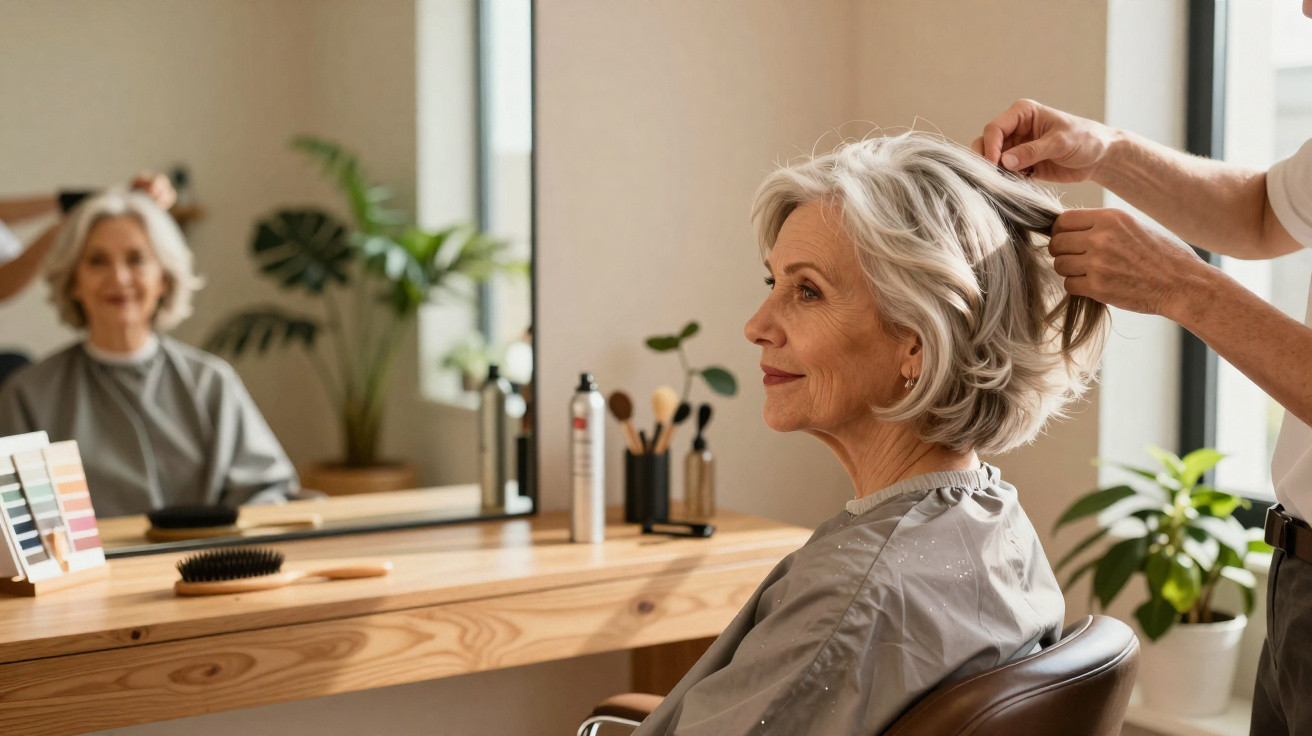
After 65, even modest changes can transform your whole face and genuinely affect your mood.
Hair becomes finer, its texture evolves and lines grow more pronounced over time. A well-chosen cut can soften your features and create an immediate fresher look. By contrast, an unflattering length or colour placement can pull the entire look downwards.
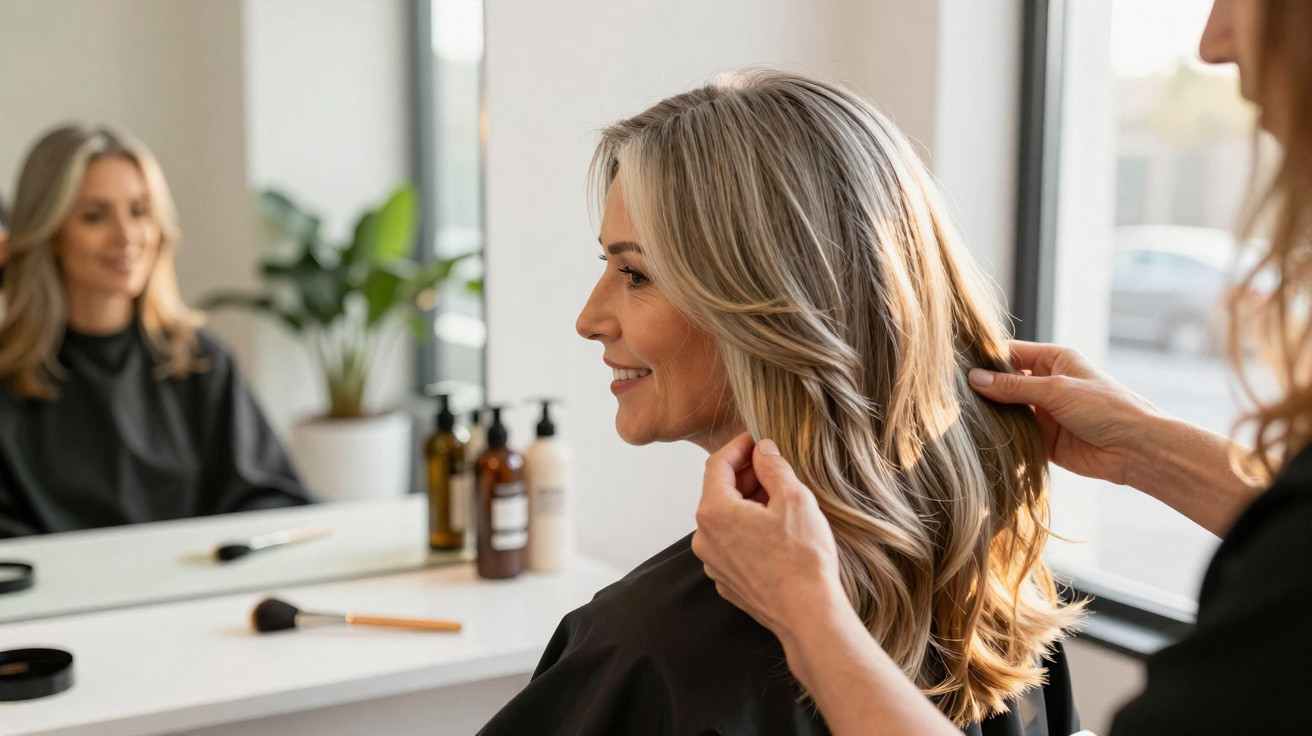
Why mid-length hair and heavy highlights can age the face
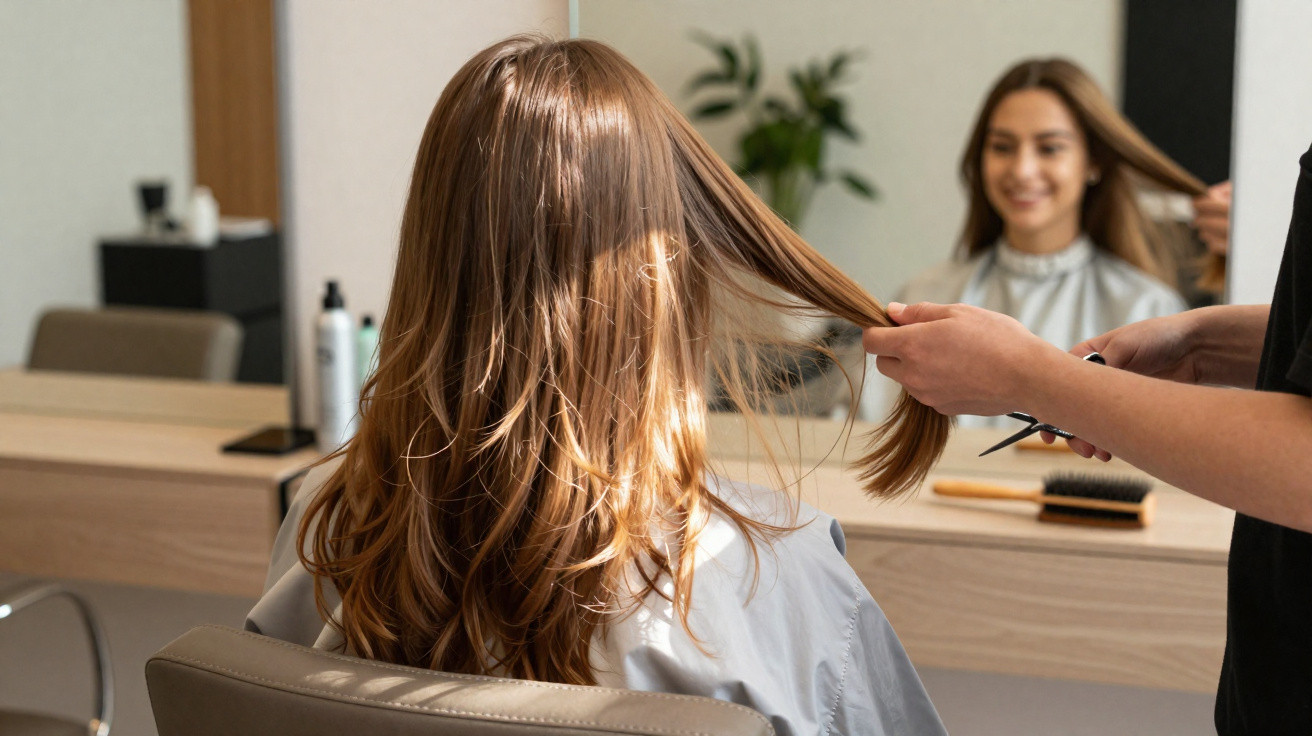
Hair falling around shoulder level frequently loses its definition by the third day. Its weight gathers around the jawline and neck, creating a line that draws the eye down.
It may make facial features appear harsher and cheeks look flatter. Many medium-length cuts also rely on heated styling tools to seem neat. Heat can dry already delicate hair and reveal frizz, creating a tired appearance.
Bold, stripy highlights form horizontal bands across the hair. These bands may draw attention to thinning at the crown. They can also make the hair look more visually busy than the face, shifting attention from the eyes to the colour pattern. That change can add more years than expected.
Swap mid-length drag and stripy highlights for movement at the top, softness at the hairline, and lightness around the neck.
The haircut that lifts after 65: a short shape with a textured fringe
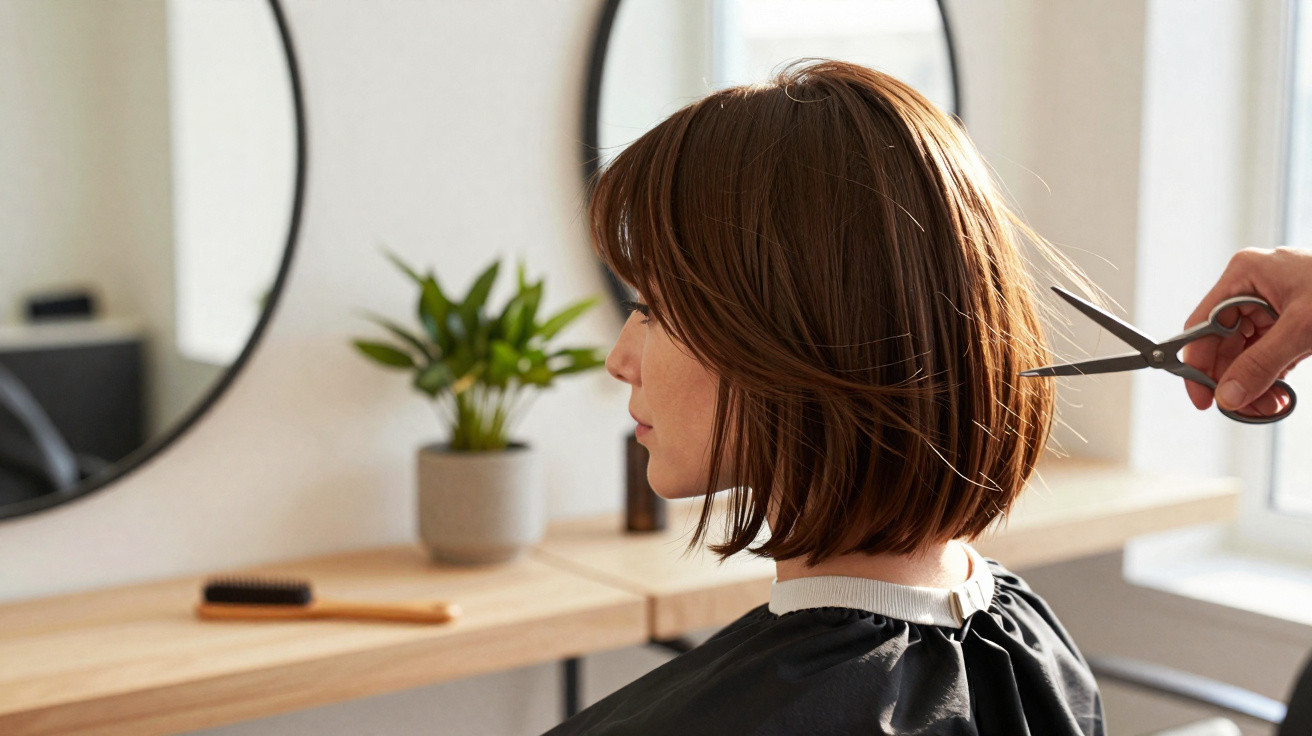
Stylists say that the most widely flattering refresh is a short, light cut with a textured fringe. Its outline remains above the collar, while the sides gently graze the cheekbones. Subtle volume sits at the crown. The fringe should be airy, slightly uneven and formed from overlapping wispy sections. The effect is gentle movement rather than a solid, blunt curtain of bangs.
Who it suits and why
Fine hair gets an instant boost in volume once it is released from shoulder length. A delicate fringe can reduce the appearance of a high forehead without concealing the face. Waves become clearer when excess weight is removed. Straight hair appears thicker because the ends no longer group together. Curls also benefit from a shorter foundation, which allows them to bounce up and frame the eyes.
Textured fringe, airy layers, and a cropped outline open the face and add lift without harsh lines.
How to ask at the salon
- Keep the cut above the collar so it does not collapse onto the shoulders.
- Request gentle layers at the crown to create height and movement.
- Ask for a textured fringe created with point-cutting or slide-cutting rather than a blunt edge.
- Keep the outline around the ears and nape light for a tidy-looking neck.
- Avoid chunky highlights; if colour is needed, request a translucent gloss or extremely fine micro-lights.
Styling and maintenance to keep it fresh
This hairstyle works best when it stays light. Wash it regularly with a mild shampoo to stop product residue from weighing down the roots. Blot with a towel instead of rubbing, which helps protect fragile ends. Using your fingers, apply a pea-sized amount of matte paste or lightweight wax through the fringe. Angle the sections slightly diagonally to soften the forehead and raise the focus towards the eyes.
Blow-dry on a low setting with your head tipped slightly forwards. Aim the airflow at the roots for 10–15 seconds to create lift. Finish with a light spray of matte hairspray, which preserves texture without adding shine. Arrange trims every 5–7 weeks so the silhouette remains sharp and the fringe stays airy.
Products and tools that help without buildup
- Lightweight volumising mousse at the roots, used only on wash days.
- Matte paste or dry wax for definition through the fringe and crown.
- A soft boar-bristle brush for smoothing without pulling or tearing.
- The cool-shot setting on your hairdryer to set volume and lessen frizz.
Colour strategy: soft dimension without stripy highlights
Avoid thick highlights with strong contrast, as they can create a zebra-like effect that ages the face. Instead, ask for a translucent gloss in a shade that adds warmth to your base colour. Warm tones reflect light and can flatter mature skin. For added dimension, opt for very fine, widely spaced micro-lights positioned near the hairline and crown. This creates a sun-kissed effect without obvious bands.
There is no need to hide grey hair. A gloss can soften its texture and bring in shine. Combined with a short, textured cut, silver hair looks contemporary rather than flat. Keep regrowth subtle with a demi-permanent shade that fades softly. This prevents harsh root lines between appointments.
Real-world variations for different hair textures
| Hair type | Variant to ask for | Trim cadence |
|---|---|---|
| Fine and straight | Short crop with extra crown layers; ultra-light textured fringe | Every 5 weeks |
| Wavy | Cheekbone-skimming sides; fringe cut to follow the bend | Every 6 weeks |
| Curly | Curly shag above the collar; curl-by-curl soft fringe | Every 6–8 weeks |
| Coarse | Internal debulking for lightness; fringe thinned, not shortened too much | Every 6 weeks |
Small mistakes that add years
- Blunt, weighty bangs that resemble a visor.
- Medium-length layers that turn onto the shoulders by midday.
- Glossy, rigid hairspray that emphasises frizz and flyaways.
- An all-over shade that is too dark, flattening the face and making lines seem harsher.
- Delaying trims until the cut has lost its structure.
A five-minute daily routine
On waking, mist the roots with water and massage the crown to revive volume. Work a fingertip of matte wax into the fringe, twisting a few sections. Use a round brush to quickly blow-dry the roots for 30 seconds. Apply soft hairspray, then place one side behind the ear to reveal an instant cheekbone.
Budget and maintenance planning
Short hairstyles require trims more often, but they take less time to style each morning. Many salons provide fringe-only tidy-ups between full appointments; schedule one around week three. To reduce costs, choose versatile products, such as a matte paste that can also be used on brows or a gloss that works as a conditioner too.
Extra pointers that amplify the effect
Glasses also make a difference. Select frames that lift slightly at the outer corners to mirror the upward direction of the fringe. Necklines matter as well: open collars and scoop necks lengthen the neck beneath a cropped style. Statement earrings draw light towards the face and balance the shorter shape.
Hair reflects health. If shedding suddenly increases, ask your doctor to check iron, vitamin D and B12 levels. Also review any medicines that may contribute to thinning hair. A silk pillowcase can limit breakage, while gentle scalp massage supports circulation. These measures do not replace a considered haircut, but together they can build density over several months.
For a trial before committing, use a virtual try-on app to test a short cut with a textured fringe. Take two screenshots to your stylist: one showing the ideal result and another that is too short. This establishes clear limits. The aim remains unchanged: movement at the crown, softness at the hairline and lightness around the neck-without heavy highlights or a mid-length slump.













Comments
No comments yet. Be the first to comment!
Leave a Comment