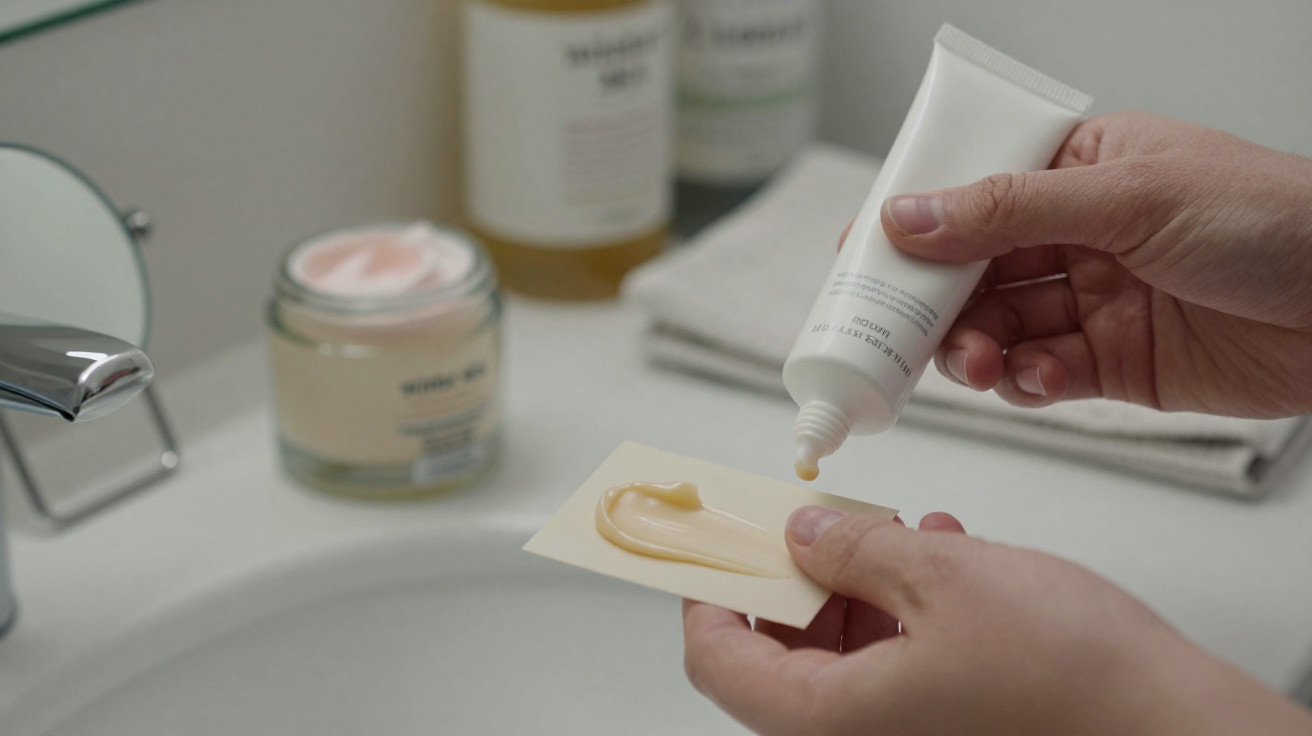
Dry, tight skin can make an expensive-looking cream seem like the obvious answer, particularly when central heating, cold wind and frequent cleansing leave your face feeling uncomfortable. Yet price is a poor shortcut: a simple moisturiser can be just as useful as a luxury jar if its formula suits your skin and you use it consistently.
That is the most useful lesson from comparisons of rich face creams. The core trick is to buy for the job you need done - easing dryness, supporting a comfortable skin barrier and fitting into your routine - rather than for the promise on the front of the pot. A low-priced cream may be excellent; an expensive one may be excellent too. Neither outcome is guaranteed by the price tag.
What a 32-cream comparison can - and cannot - tell you
The comparison behind this headline assessed 32 rich creams aimed at dry or mature skin. It found that several lower-cost products performed well under its scoring system, while some more expensive creams lost marks over their ingredient profiles or the evidence provided for marketing claims.
That is useful consumer information, but it is not a universal ranking of every moisturiser on the shelf. Product formulas change, packaging is updated and the budget own-brand products available in German shops are not always sold in the UK. Even when a product is available here, the ingredient list may differ.
A cream test also reflects the priorities of the organisation conducting it. One test may focus heavily on moisturising performance and how a product feels to use. Another may place more weight on fragrance ingredients, environmental concerns, packaging or the evidence behind anti-ageing claims.
Price can tell you about packaging, branding and texture. It cannot reliably tell you whether your skin will be comfortable using a cream every day.
Why a costly cream may receive a low score
Premium skincare is not automatically poor skincare. However, a high price does not remove the issues that can matter to an ingredient-led test.
Assessments may mark down products for ingredients that the testers regard as unnecessary or potentially troublesome, particularly in a leave-on product used every day. These can include:
- added fragrance, especially for people prone to irritation or fragrance allergy;
- certain fragrance allergens listed on the INCI ingredient label;
- synthetic musks or other ingredients assessed for environmental persistence;
- preservatives that some people find irritating;
- claims that are vague or poorly supported.
It is important to keep this in proportion. A critical score from a consumer test does not by itself mean a product is unsafe or unlawful. Cosmetics sold in the UK must comply with cosmetic safety rules, and different testing bodies can reach different conclusions depending on the criteria they use.
If you have sensitive skin, the practical question is often simpler: does the formula contain things you already know make your skin sting, itch, flush or break out?
Read the test method before chasing a winner
A headline result can be tempting, especially when it suggests that a bargain has beaten a luxury product. Before replacing your usual moisturiser, look at what the comparison actually measured.
Four checks worth making
Find out the main scoring criteria. Was the test about hydration, ingredients, fragrance, packaging, environmental impact or consumer-panel feedback? These are all valid considerations, but they answer different questions.
Check the exact product and size. A cream may have several versions, such as day, night, rich, sensitive or SPF. Similar names do not always mean identical formulas.
Look at the date. Skincare formulas are revised regularly. An older review may not reflect the product currently in Boots, Superdrug, a supermarket or online.
Compare cost by volume. A small pot can look affordable until you calculate the price per 100ml. Equally, a larger tub is not a saving if you dislike it and stop using it.
A score should be a starting point for shopping, not a prescription for your face. Skin is individual, and a cream that feels rich and soothing to one person may feel greasy or irritating to another.
Be realistic about anti-ageing promises
Moisturiser can make dry skin look smoother quite quickly. By adding water to the outer layer of the skin and reducing moisture loss, it can soften the appearance of fine lines caused by dehydration and flaky patches. That is a worthwhile result - but it is not the same as a dramatic or permanent reversal of visible ageing.
Be cautious with broad wording such as “youth activating”, “age-defying” or “collagen boosting” if the packaging does not explain what was measured, on whom and for how long. A pleasing texture, a luxurious scent and temporarily smoother-looking skin are not proof of a major long-term effect.
For everyday protection, sunscreen is usually a more meaningful part of a daytime routine than an anti-ageing slogan on a moisturiser. Choose a broad-spectrum SPF that you are happy to wear, apply it as directed and reapply when needed, particularly during prolonged time outdoors.
A moisturiser still has an important role: it can make skin feel more comfortable and may help you stick with a gentle routine.
How to choose a rich cream for dry skin
For dry skin, look for a cream that leaves your face comfortable for several hours without burning, itching or feeling unpleasantly coated. You do not need every fashionable ingredient in one pot.
A practical shopping checklist
Identify the problem first. Tightness after washing, flaking around the nose, rough cheeks and winter dryness may need a richer formula than occasional dullness.
Keep it simple if your skin is reactive. Fragrance-free creams are often a sensible starting point if scented products have caused problems before.
Recognise useful moisturising ingredients. Glycerin, ceramides, squalane, hyaluronic acid, oils and urea can all feature in effective products. No individual ingredient guarantees that a formula will suit you.
Match the texture to the time of day. A balm or richer cream may work well overnight, while a lighter cream can sit better beneath sunscreen and make-up.
Try a smaller size where possible. This limits waste if the scent, finish or formula does not agree with your skin.
Do not confuse ‘natural’ with gentle. Essential oils, plant extracts and fragrance can irritate some people just as readily as other ingredients.
Common mistakes when buying face cream
The most expensive skincare errors are often routine mistakes rather than bad purchases.
- Buying from the claim rather than the need. Decide whether you want hydration, a richer barrier-supporting texture, less shine or something that layers well under SPF.
- Changing everything at once. Introducing a new cleanser, serum and cream together makes it hard to identify the cause if your skin reacts.
- Using very hot water or harsh cleansers. Both can make dry skin feel worse, leaving you to assume the moisturiser has failed.
- Applying far more than you need. A pea-sized amount is often enough for the face, although this depends on the product and your skin.
- Relying on moisturiser for sun protection. Unless it has suitable SPF and you apply enough of it, it should not replace dedicated sunscreen.
- Ignoring the label after a reformulation. Always check the current ingredient list, even when repurchasing a familiar product.
Introduce a new cream safely
Patch testing cannot guarantee that you will not react, but it may identify an obvious problem before you apply a product all over your face. Apply a small amount to a discreet area, such as along the jawline or behind the ear, and monitor the area over the next day or two.
Stop using the product if you develop persistent stinging, swelling, a rash or significant discomfort. Seek advice from a pharmacist, GP or dermatologist if symptoms are severe, do not settle, or if you have eczema, known allergies or broken skin.
Avoid applying fragranced products or strong active treatments to cracked, inflamed skin unless a healthcare professional has advised you to do so. Keep creams away from your eyes unless they are specifically designed for that area.
The best-value moisturiser is the one that your skin tolerates, you can afford to replace and you will genuinely use.
Build a routine that earns its place on your shelf
For many people, a reliable routine need not be complicated: cleanse gently, apply moisturiser while skin is still slightly damp, then use sunscreen in the daytime. In colder or windier British weather, you may prefer a richer product at night or on the areas that become dry first.
The useful takeaway is not that every luxury cream is a waste of money, or that every inexpensive one is a bargain. It is that the label, ingredient list, texture and your own skin’s response matter more than status. Introduce one product at a time, give it a fair trial and let comfort - not clever marketing - guide the next purchase.













Comments
No comments yet. Be the first to comment!
Leave a Comment