More than convenience lies behind the choice.
Many people worry that exercising in the evening will cost them half the night’s sleep. Others rely on late sessions precisely to unwind. So who is right? The answer is found neither in rigid prohibitions nor fitness myths, but in the interaction between intensity, timing, body temperature and your individual body clock.
Busting myths: evening exercise does not automatically cause sleeplessness
Why evening exercise has a worse reputation than the evidence supports
For a long time, the belief was that anyone who runs, cycles or lifts weights after sunset will lie awake afterwards. This assumption remains widespread, but applies only in certain circumstances. Research now shows that moderate activity in the late afternoon or early evening can actually improve sleep, particularly for people who spend much of the day sitting down.
In many cases, the real issue is not exercise itself but the inactivity beforehand: sitting for hours, using a phone or laptop right until bedtime, and exposure to bright artificial light. All of these can disrupt your internal rhythm. By comparison, an easy run or a calm session on the mat often works rather like a reset button.
Those who do not move at all in the evening often harm their sleep more than someone who exercises moderately.
The body responds in nuanced ways: some exertion uses energy and makes it easier to switch off. Constant full-throttle activity immediately before bed, by contrast, puts the system on alert. Condemning evening exercise across the board often means giving up the only realistic opportunity for regular activity.
Clearing stress and the mind: the overlooked benefit of evening workouts
Exercise affects far more than calorie expenditure; it also has a major impact on mood. After a hectic day, the mind can remain stuck in work mode. Rumination, to-do lists and emails running through your head are exactly what can prevent sleep.
An evening workout can act like a release valve, shifting attention away from thoughts and towards the body. Heart rate, breathing and muscular tension take centre stage, automatically changing your focus. At the same time, the body releases endorphins, its own feel-good chemicals, which soothe you and create a sense of contentment.
Going to bed with a clearer mind and pleasantly tired muscles often helps people fall asleep faster than spending two hours doomscrolling on the sofa.
The real sleep disruptor is often exercise intensity
All-out at 21:00: what happens to your sleep hormone
The key issue is not the time alone, but how demanding the workout is. A tough interval session or a punishing CrossFit workout late in the evening pushes the body into fight mode. The sympathetic nervous system becomes highly active, while blood pressure and heart rate rise noticeably.
The body also releases adrenaline and cortisol, hormones designed to promote alertness and performance. At the same time, the start of melatonin production, the main sleep hormone, is delayed. Put simply, training at 21:30 as though a competition were about to begin is, hormonally speaking, like drinking a double espresso just before bed.
Sleep will still come, but later and often less deeply. This can quickly lead to the wrong conclusion: “Evening exercise is not good for me”, when the real issue is intensity, pace and timing.
Why gentler evening sessions work better
Moderate forms of activity are considerably easier to tolerate. These include, for example:
- brisk walking or easy jogging
- relaxed swimming without racing pace
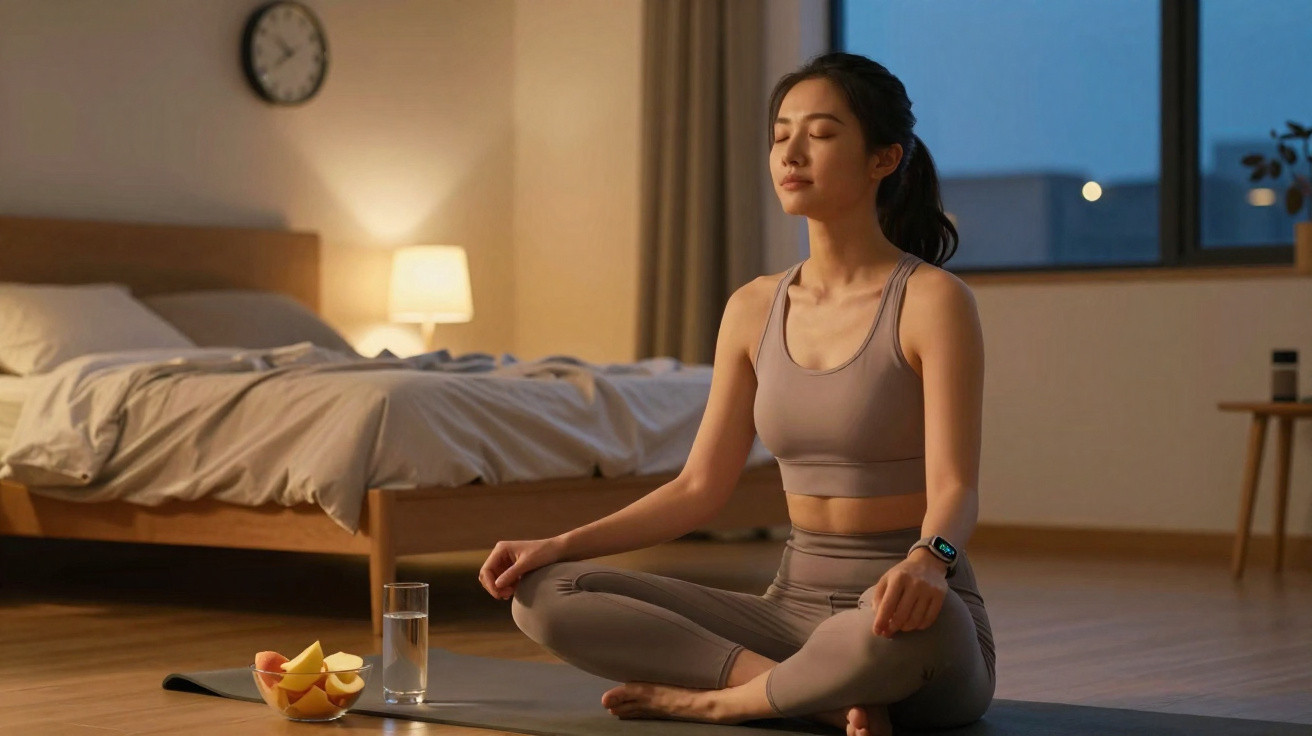
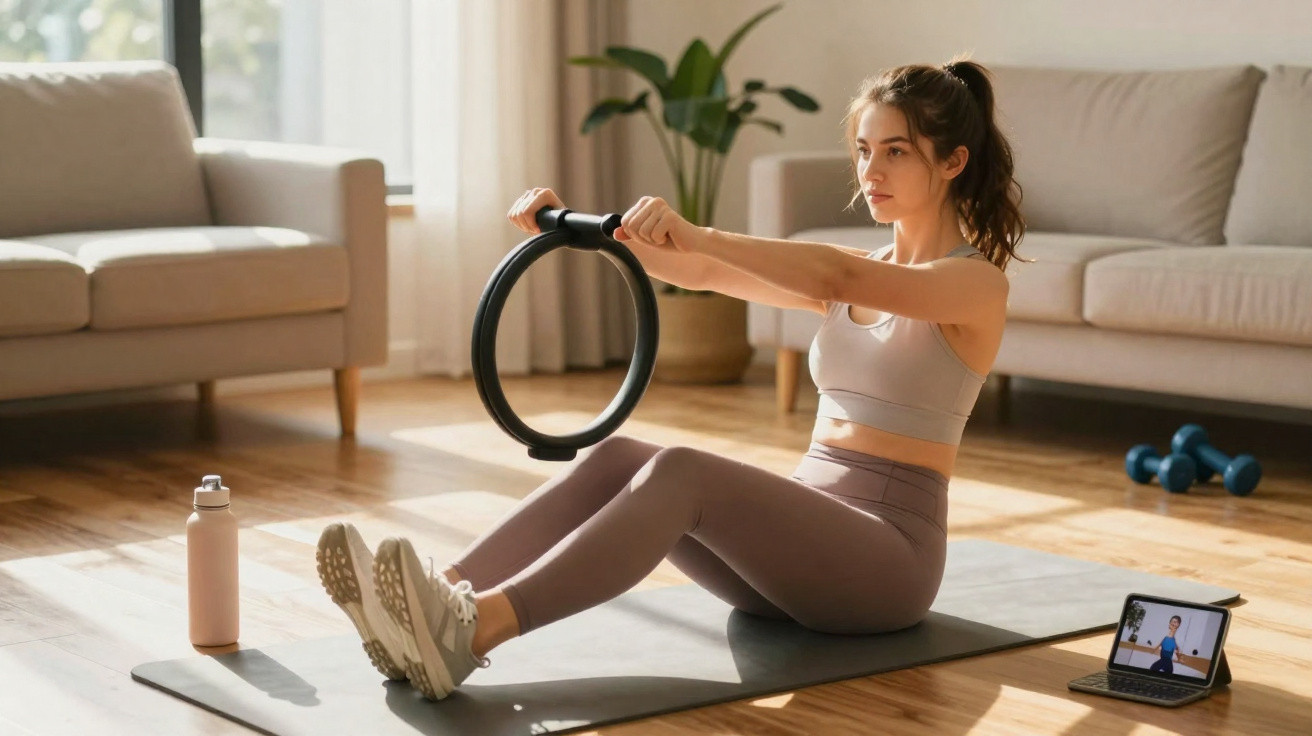
- yoga or Pilates
- mobility work and stretching
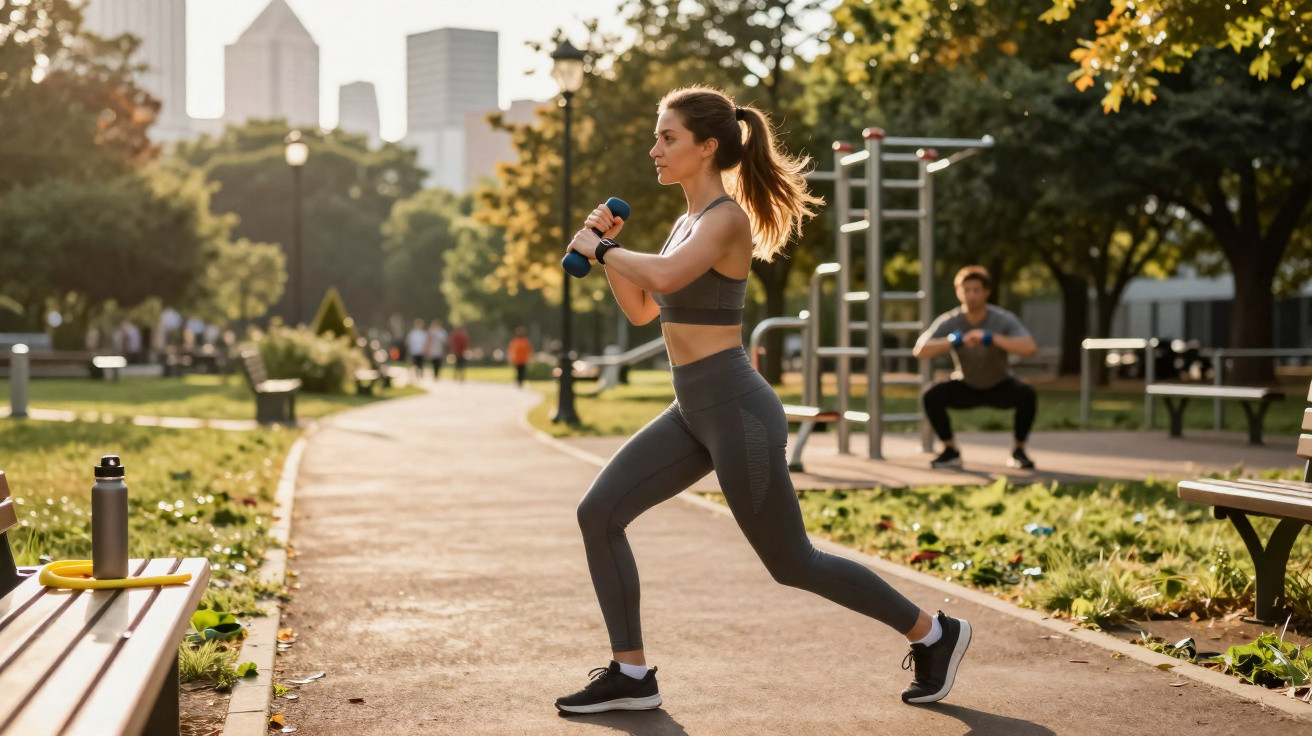
- light strength training with low resistance
These sessions get the circulation going without pushing the heart rate into peak ranges. Breathing becomes deeper, tension eases and the parasympathetic nervous system - the part responsible for rest and recovery - takes over. Turning this into a small evening ritual can effectively programme the body for “sleep mode”.
For many people, a moderate evening workout acts more like a natural sleep aid than a stimulant.
Morning person or night owl? Your chronotype also matters
Why the same exercise plan does not suit everyone
Chronobiologists broadly distinguish between “early risers” and “late types”. Some people perform at their best at seven in the morning, while others are still half-zombies then and only truly come alive in the evening.
People who naturally become tired early often cope poorly with hard workouts at 21:00. Their body is already sending signals that it is time to rest, and exercising against that internal rhythm can significantly disrupt falling asleep. Late types, on the other hand, usually still have steady energy in the evening and can handle somewhat tougher sessions more easily.
Follow body signals rather than rules: finding your own window
Rather than adopting fixed rules, it is worth trying a small experiment. A brief log over one week can help:
| Day | Time of session | Type and intensity | Time to fall asleep / sleep quality |
|---|---|---|---|
| Monday | 19:30 | easy run, 30 minutes | fell asleep quickly, refreshed |
| Wednesday | 21:00 | hard interval training | awake for a long time, restless |
| Friday | 20:00 | yoga, 40 minutes | relaxed, slept deeply |
Patterns usually emerge within only a few days. If particular times or training styles leave you feeling wired, overheated or mentally overstimulated, that is where you should reduce the level. If you feel pleasantly tired and internally calm instead, you have found a suitable window.
The role of body temperature: too hot to fall asleep
Why an overheated body resists sleep
As night begins, the body normally lowers its core temperature slightly. This tells the brain that it is time to wind down. Intense exercise, however, raises body temperature, and the effect can persist for several hours.
Anyone who gets into bed with a noticeably raised temperature will often toss and turn, throw off the duvet and feel too warm “on the inside”. This is less about nervousness than biology: the body simply has not yet recognised the signal to begin the sleep process.
The right shower and the wrong shower: what actually cools you down
After a hard workout, many people instinctively choose an ice-cold shower. It feels refreshing at first, but physiologically this is what happens: blood vessels in the skin constrict, trapping heat inside the body. It cools the sensation more than the core temperature.
A lukewarm shower is much more useful. Blood vessels widen, allowing warm blood to reach the skin more effectively and release heat there. As you dry yourself, evaporation from the skin provides additional cooling. This supports precisely what the body needs to move into sleep.
Adding a lukewarm shower after exercise helps your internal “thermostat” switch to night mode at the right time.
Timing: how much time should be left between exercise and bed?
The two-hour window as a rule of thumb
A practical guideline is to leave at least two hours between finishing a workout and turning out the light. Three hours is even more comfortable, especially after demanding sessions.
During this buffer period, heart rate and blood pressure can fall, hormones can settle and body temperature can gradually drop. For example, if you want to sleep at 23:00, do not schedule your final interval at 22:15; even moderate exercise should ideally finish by around 21:00.
Eat lightly and sleep better: what to have after training
The body needs refuelling after exertion, but a heavy, fatty meal can interfere with overnight rest. The answer is a middle ground: enough food to replenish stores, yet light enough not to overload the stomach and gut.
Suitable options include:
- protein sources such as yoghurt, cottage cheese, eggs or poultry
- foods containing tryptophan, including dairy products, bananas or pulses
- complex carbohydrates such as wholegrain rice, wholewheat pasta or porridge oats
- plenty of water, consumed gradually so your bladder can rest overnight
- a mild herbal tea blend to round off the evening
Tryptophan is used by the body to make serotonin and, later, melatonin. A light evening meal after training therefore supports sleep in two ways: it calms the body and provides material for overnight recovery.
Practical tips: creating an evening exercise routine that supports sleep
A realistic weekly plan for working people
People who work throughout the day often have free time only in the evening. With a few adjustments, it is still possible to create a restful balance between exercise and sleep. One possible pattern is:
- Monday: 30–40 minutes of easy running, finishing at around 20:00, followed by a lukewarm shower
- Wednesday: 45 minutes of moderate-intensity strength training, with the final set completed by 20:30 at the latest
- Friday: 40 minutes of yoga or mobility work between 19:30 and 20:30
- Weekend: if possible, a more intensive daytime workout, such as an interval session in the morning
After every workout, follow the same sequence before bed: eat, rehydrate, dim screens and avoid stimulating discussions or work emails. This creates a repeated signal for body and brain that the demanding part of the day has ended and recovery is beginning.
What to adjust first when sleep problems arise
If you regularly sleep badly despite exercising, you can make targeted changes:
- reduce intensity by one level, especially after 20:00
- finish your session 30–60 minutes earlier
- replace HIIT with calm strength training or stretching
- greatly limit phone, laptop and television use during the final hour before bed
- darken and slightly cool the room to support the drop in temperature
Anyone who experiences severe long-term sleep problems, a racing heart or pauses in breathing despite making adjustments should seek medical advice. There may be more behind it than a run that is too late or a workout that is too hard.
More ease: exercise and sleep do not have to be enemies
Many concerns around evening exercise disappear once the black-and-white view is abandoned. Not every session after 18:00 harms overnight rest, nor does exercise automatically make everyone sleepier. The decisive factors are intensity, the gap before sleep, chronobiological type and temperature management.
Understanding and adjusting these factors can give you both strong muscles and peaceful nights. For some, that means gentle yoga at 20:00; for others, a moderate run after work; and for late types, perhaps even a solid strength session, provided there is enough time before bed. What matters is listening to your own body - and having the confidence not to copy a routine from advice guides, but to adapt it gradually until it works for you.














Comments
No comments yet. Be the first to comment!
Leave a Comment