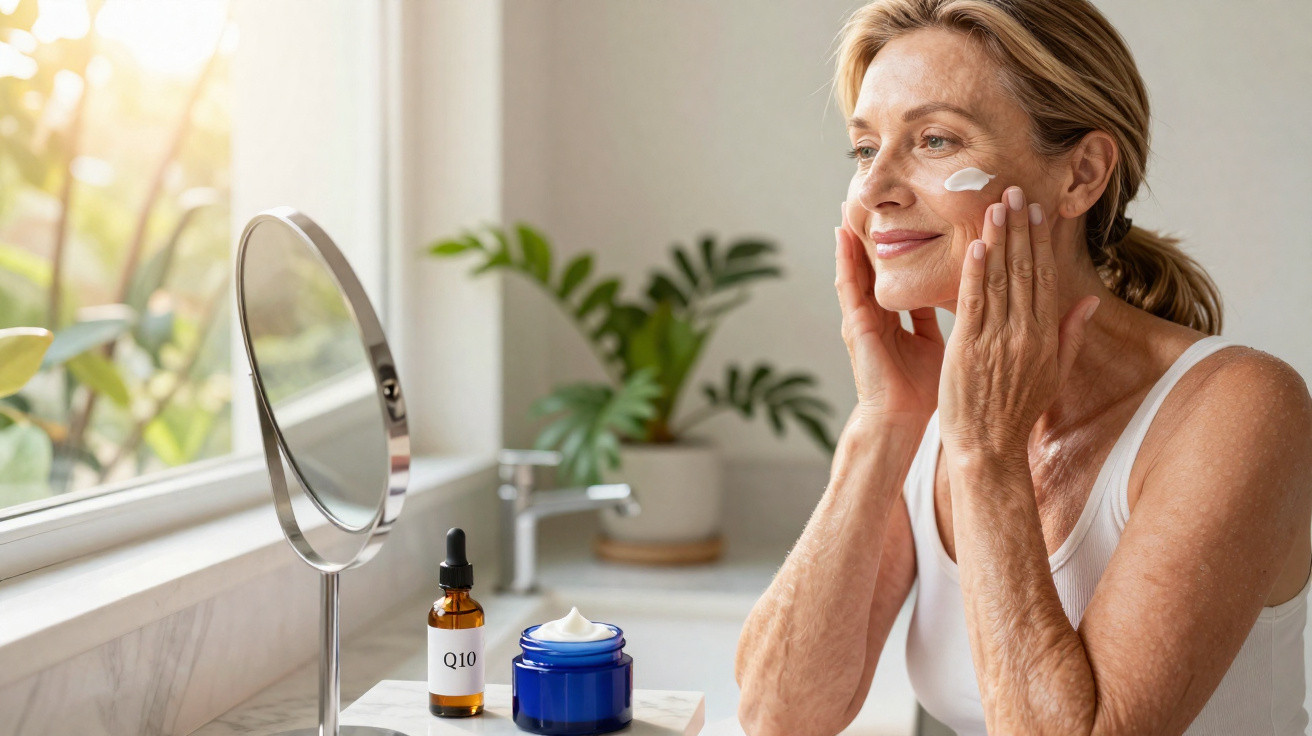
Yet once skin reaches a certain age, it often needs more than this.
Over time, the face changes: skin becomes drier, loses firmness and develops increasingly pronounced wrinkles. This is where Nivea’s new rich Q10 treatment comes in. Designed specifically for mature skin, it offers considerably more than the classic cult cream.
Why the blue Nivea cream can reach its limits after 50
The iconic blue cream is a dependable all-rounder: rich, straightforward and familiar. It often works very well for younger or normal skin. As skin ages, however, its requirements change.
- Skin produces less oil, becoming drier and rougher.
- Collagen production decreases, reducing skin firmness.
- Fine lines develop into more visible lines and wrinkles.
- The skin barrier becomes more vulnerable, allowing moisture to evaporate faster.
A conventional multi-purpose cream can soon fall short because it primarily nourishes the skin without specifically targeting these ageing processes. Mature skin needs active ingredients that work at a deeper level, rather than simply adding oil and moisture to the surface.
The new Nivea Q10 balm treatment: what the rich formula contains
Nivea addresses these needs with a new product: a very rich Q10 balm for day and night, developed for mature, very dry and slackened skin. Its texture is noticeably creamier than many traditional day creams, yet it is not intended to feel heavy on the skin.
This balm is designed to smooth deep wrinkles, reinforce the skin barrier and gradually make facial contours appear firmer again.
At the heart of the formula is a blend of active ingredients intended to work on several levels at once.
Q10: an energy boost for tired skin cells
Q10 is a coenzyme naturally found in the body and involved in cellular energy metabolism. Natural production declines with age. When used in creams, Q10 is intended to:
- help cells work more efficiently,
- reduce oxidative stress,
- leave skin looking smoother and fresher.
This “energy boost” can be especially relevant for mature skin, which often looks more tired and less radiant.
Collagen peptides: greater elasticity, fewer wrinkles
The formula also contains peptides that target collagen. Collagen is the structural protein that gives skin its strength and elasticity. With increasing age, this supporting structure becomes weaker.
Peptides can send signals that encourage the skin to regenerate more intensively. In anti-ageing skincare, they are used with the aim of making the skin structure appear denser and more elastic. This may be visibly reflected in the following ways:
- wrinkles appear less deep,
- skin feels firmer,
- facial contours look more defined.
Ceramides: support for the skin barrier
Mature skin does not only lose water; it also loses components of its natural protective layer. Ceramides help fill this gap. They resemble the lipids naturally present in the skin that seal and support the barrier.
In a skincare formula, ceramides can:
- reduce moisture loss,
- make skin feel less sensitive,
- plump dryness lines from within.
The combination of Q10, collagen peptides and ceramides is intended not merely to create soft-feeling skin, but to deliver a noticeable improvement in firmness and smoothness.
Everyday results: what the manufacturer claims
According to the product information, initial changes can be seen after around two weeks. Deep wrinkles and expression lines are then said to look visibly smoother. After approximately one month, contours around the chin and cheeks are said to appear firmer in particular.
The formula is suitable not only for the face but also for the neck and décolletage - two areas that can begin to look crepey early on but are often overlooked.
Day and night: one product for the whole routine
One practical benefit is that the balm is intended for use as both a day and night moisturiser. Its rich texture is said to absorb quickly without leaving a greasy film, making it easy to incorporate into an existing routine.
A possible routine for mature, very dry skin is:
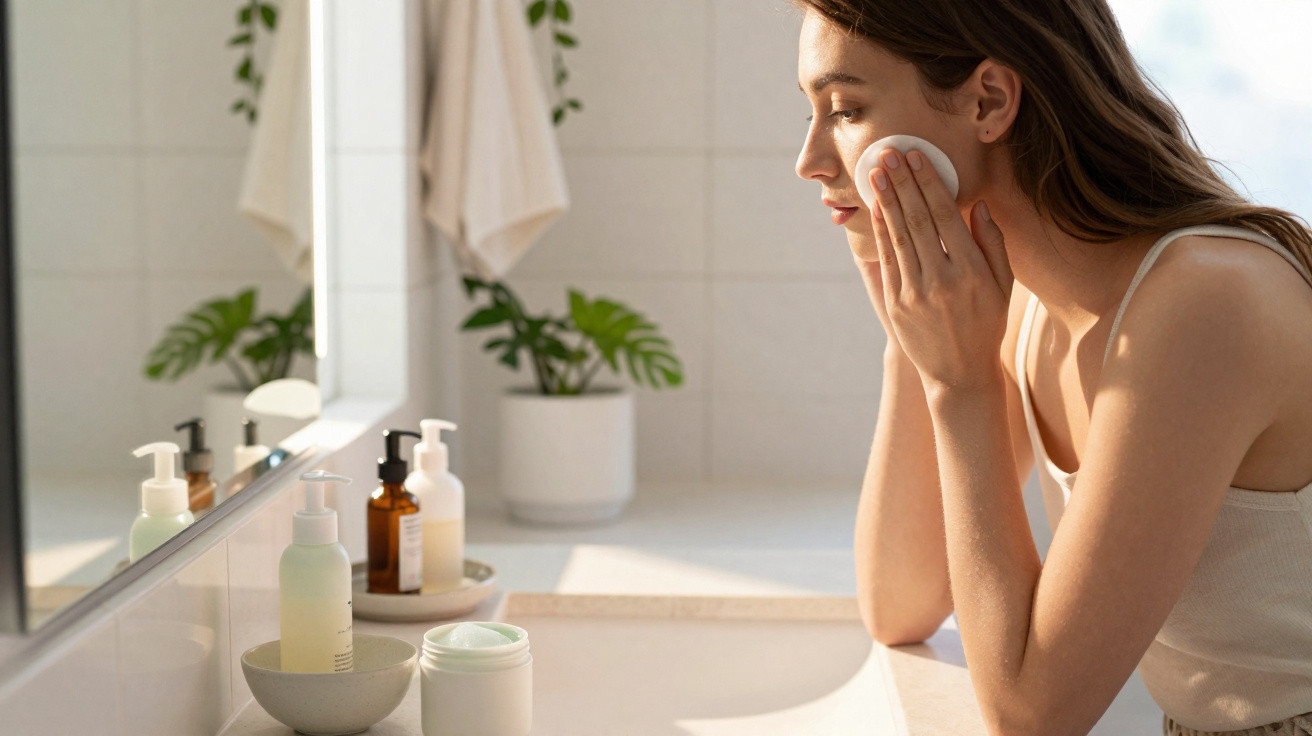
- Cleanse gently with an alcohol-free product.
- Apply a toner or facial lotion to boost moisture.
- Use a hyaluronic acid or antioxidant serum, if desired.
- Apply the Q10 balm to the face, neck and décolletage.
- In the morning, also use a high-SPF sunscreen.
That final step is particularly important, as UV radiation greatly accelerates wrinkle formation and collagen breakdown. Without daily sun protection, even very good anti-ageing skincare can have only a limited effect.
Who may benefit most from the new Nivea treatment
The intended audience is clearly defined: mature, very dry and visibly slackened skin, often from around the age of 50. Typical signs include:
- deep nasolabial folds, running from the nose to the corners of the mouth,
- sagging around the chin and cheeks,
- a tight, dry sensation immediately after cleansing,
- skin on the décolletage that appears rough.
Anyone with only mild dryness or a few fine lines may not need this level of richness every day. For very oily or blemish-prone skin, such an intensive balm could be too much. In these situations, lighter Q10 formulas or fluids may be more suitable.
What mature skin genuinely needs alongside cream
Good skincare is one component, but it is not the only one. Anyone wanting to address wrinkles preventatively or soften visible lines should consider several factors:
- Sun protection: Daily SPF 30 or higher is one of the most important anti-ageing measures.
- Sleep: Repair processes are particularly active overnight. Too little sleep quickly shows on the face.
- Diet: Plenty of vegetables, high-quality fats and little sugar support the skin from within.
- Smoking: Nicotine constricts blood vessels and causes skin to age faster.
- Consistent skincare: Products only work when used regularly.
Using ingredients such as retinol, vitamin C or niacinamide as well can further enhance the effect of Q10 skincare. These act at different points in the skin-ageing process, from collagen production to combating free radicals.
What terms such as “mature skin” and “anti-ageing” actually mean
Many product packages refer to “mature skin” or anti-ageing. This does not relate solely to a person’s age, but above all to the condition of their skin. A 45-year-old with significant sun damage can look considerably more mature than a 60-year-old who has carefully protected their skin from UV exposure.
Anti-ageing does not mean that wrinkles will vanish completely either. A more realistic aim is smoother, fresher-looking skin, softer lines and an overall firmer appearance. Understanding this approach makes it easier to judge whether a product can meet expectations - and when additional treatments from a beautician or dermatologist might be worthwhile.
For many long-standing fans of the blue tin, the new Q10 balm therefore represents a kind of “upgrade”: a familiar brand, but with a formula specifically tailored to the complex needs of skin after 50. Anyone who feels that the standard cream is no longer enough may find it to be a logical next step.









Comments
No comments yet. Be the first to comment!
Leave a Comment