
Dermatologists have long been talking about more than just anti-ageing; they now refer to “Skin Longevity” – the long-term health of the skin. This approach links nutrition, sleep, stress management, dermatological skincare and modern medicine. Its aim is to slow the skin’s biological clock rather than chase it with radical procedures.
What the Skin Longevity trend is really about
Skin Longevity is not so much a product as a lifestyle strategy. Its principle is simple: when we view the body as an interconnected system, the skin benefits too. Chronic inflammation, oxidative stress, an unsuitable diet and insufficient sleep can cause skin to age more quickly than genetics alone would dictate.
“Skin Longevity means supporting the skin’s natural repair mechanisms so that wrinkles, loss of elasticity and a dull complexion appear later and less severely.”
Dermatologists regard the skin as a “mirror” of what is happening inside the body. Eating better, protecting it properly and using targeted treatments creates something akin to a long-term protection programme for the body’s largest organ.
Anti-ageing on the plate: how nutrition slows skin ageing
Every strategy for long-lasting skin begins at the dining table. Research is clear: daily food choices affect inflammatory processes, collagen breakdown and the skin’s moisture balance.
Foods that genuinely affect wrinkles
- Colourful fruit and vegetables: Tomatoes, berries, carrots and spinach provide antioxidants that neutralise free radicals.
- Oily sea fish: Salmon, mackerel and herring contain omega-3 fatty acids, which can reduce inflammation and reinforce the skin barrier.
- Nuts and seeds: Almonds, walnuts and linseeds supply beneficial fats, vitamin E and trace elements for supple skin.
- Wholegrains: Oats, quinoa and brown rice help to stabilise blood sugar and support the supply of minerals.
On the other side are refined sugar, white flour, fried foods and highly processed products. They encourage so-called glycation processes, in which sugar attaches to collagen fibres. The fibres then harden and lose elasticity, leaving skin looser and more creased.
“Anyone who reduces their sugar intake over the long term protects their collagen framework more effectively than with many an expensive cream.”
Hydration is at least as important as nutrients. Persistently drinking too little weakens the natural barrier and makes skin more prone to fine dehydration lines.
Intelligent skincare: what it can really achieve
A sound skincare routine is not a luxury; it is a form of daily training for the skin. It cannot halt biological processes, but it can steer them in a considerably more favourable direction.
Basic skincare: protect the barrier, retain moisture
Modern skincare centres on ingredients that reinforce the skin barrier and bind moisture:
- Ceramides: strengthen the protective film and make skin more resilient against external irritants.
- Hyaluronic acid: holds water, plumps the skin and supports a smooth, full-looking surface.
- Niacinamide: has an anti-inflammatory effect, refines skin texture and can help with redness.
These ingredients do more than repair damage caused by environmental stress: they also prepare the skin for more potent anti-ageing actives.
Active ingredients: renew rather than merely conceal
During the colder months, many dermatologists favour products containing retinoids and fruit acids, such as retinol or alpha-hydroxy acids (AHAs). They stimulate cell division, improve texture and even out pigmentation irregularities.
“A well-planned routine with retinoids and acids can visibly refine skin texture within a few months – without ‘overwhelming’ it.”
They should be introduced gradually and paired with daytime sun protection. An experienced dermatologist can tailor the dosage, active-ingredient combination and treatment schedule to the individual skin type.
Targeted supplements: collagen and more from within
Supplements are no replacement for a healthy diet, but they can be a useful additional element in Skin Longevity. Collagen, selected vitamins and trace elements are usually the focus.
| Ingredient | Skin benefit |
|---|---|
| Collagen peptides | support connective tissue and may improve firmness and elasticity |
| Vitamin C | essential for the body’s own collagen synthesis and a powerful antioxidant |
| Zinc | involved in wound healing and important for blemishes and inflammation |
| Vitamin E and selenium | protect cell membranes against oxidative stress |
Studies suggest that certain collagen supplements may increase skin density when taken regularly. Product quality, a sufficiently long period of use and integration into an overall healthy lifestyle are decisive.
Medical approaches: reducing oxidative stress and inflammation
A key term in longevity medicine is “oxidative stress”. It describes an excess of free radicals that damages cells and accelerates ageing processes, from blood vessels to the skin’s surface.
Another influence is low-grade inflammation in the body, for example as a result of excess weight, sleep deprivation or chronic stress. It also attacks collagen and elastic fibres in the skin.
“The better oxidative stress and low-grade inflammation are controlled, the longer skin tissue remains structurally stable.”
Specialist clinics use methods designed to address precisely this issue, including ozone-based therapies intended to modulate systemic inflammatory processes. They are viewed as a complement to nutrition, exercise and skincare, rather than a substitute for them.
Regenerative medicine procedures are also of interest. One modern active ingredient is a new generation of polylactic acid. It is introduced into deeper skin layers, where it stimulates the body’s own collagen production, improves microcirculation and encourages skin-cell renewal.
Unlike traditional fillers, it does not simply add volume. Instead, it works more slowly and at a deeper level. Over several months, the skin receives a stimulus to regenerate itself – a biological “reset” intended primarily to improve skin quality.
More than cream: exercise, facial training and mental wellbeing
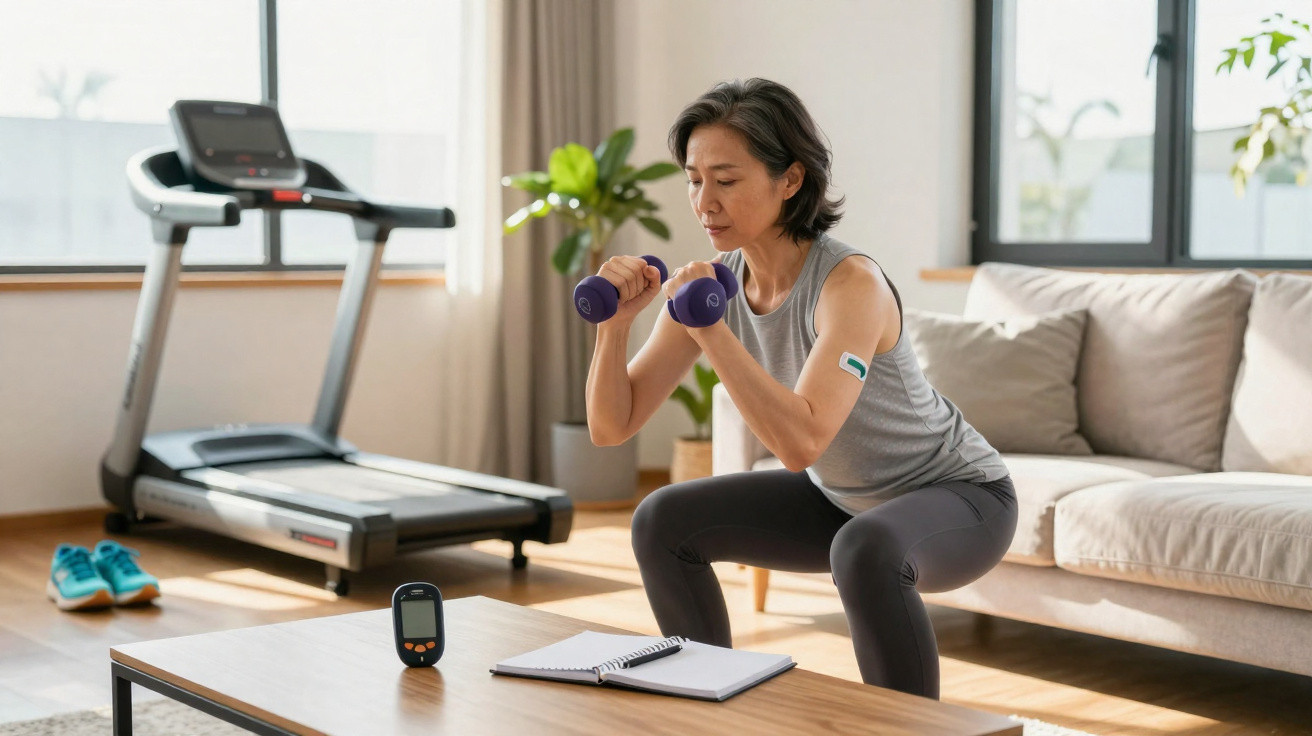
Skin ageing is closely linked to everyday habits. Regular physical activity gets the circulation moving, improves oxygen supply to tissue and supports the removal of metabolic waste products.
Targeted facial exercises and face yoga are also receiving greater attention. Specific movement sequences are intended to train facial muscles, stimulate circulation and support facial contours. Evidence remains limited, but many users report firmer features and a fresher appearance.
“Anyone who activates the muscles of their body and face gives the skin more support from within – much like a good foundation for a house.”
Mental wellbeing is an often underestimated factor. Persistent stress increases cortisol release, promotes inflammatory processes and damages the skin barrier. Typical effects include a dull complexion, redness, blemishes and dehydration lines.
Routines such as breathing exercises, brief meditations, walks without a phone or fixed “offline” periods demonstrably reduce stress markers in the blood. Incorporating them into daily life is therefore an indirect investment in the longevity of the skin.
Practical everyday building blocks for long-lasting skin
Many measures can be combined without much effort. One possible daily framework could look like this:
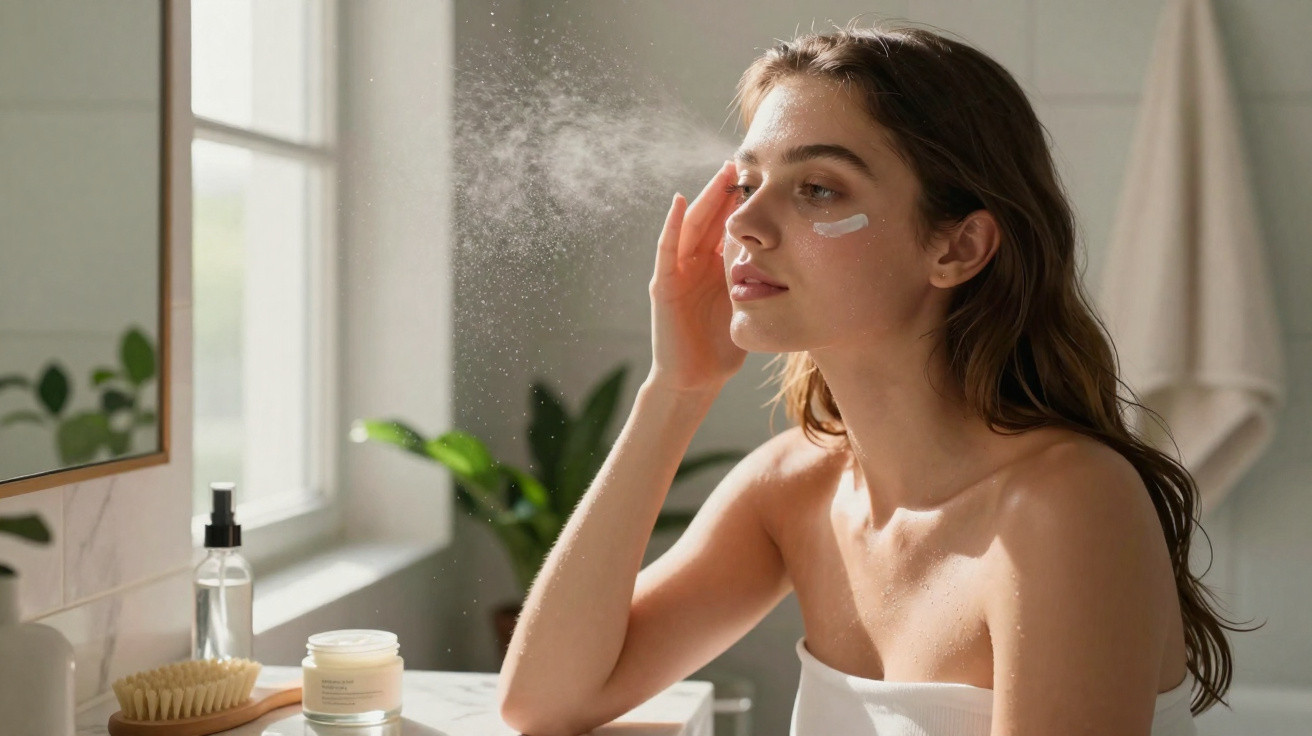
- Morning: Lukewarm water, a gentle cleansing gel, an antioxidant serum, then moisturiser and high-factor sun protection.
- During the day: Drink plenty of water, eat reduced-sugar, fibre-rich meals, and take short movement breaks during a sedentary day.
- Evening: Cleanse thoroughly but gently, use a mild retinoid or AHA product if appropriate, then apply barrier-strengthening skincare.
- Weekly: 2–3 exercise sessions, one fixed evening for mindful relaxation or face yoga, and, where appropriate, suitable supplements following medical advice.
Anyone considering medical procedures such as polylactic acid or systemic therapies should always arrange a detailed consultation with a specialist. Not every treatment is suitable for every skin type, and pre-existing conditions play a major role.
Ultimately, Skin Longevity is not a hero product but the result of many small, smart decisions: from breakfast to bedtime, from sun cream to stress levels. Those who stay consistent often notice within just a few months that not only their skin but their overall body awareness changes – and that is precisely what makes this approach so appealing.












Comments
No comments yet. Be the first to comment!
Leave a Comment